REVIEW · TOKYO
Snow monkeys from Tokyo: Full-Day Private trip with Local Guide
Book on Viator →Operated by Japan Experiences · Bookable on Viator
Snow monkeys meet a well-run private day trip. I like that this is built like a real door-to-door plan: an English-speaking guide and WiFi on board help you stay calm and connected on the long Tokyo drive. From what I’ve seen in guide reports, people especially credit Kye for quick answers, smooth timing, and making the day feel easy to manage.
The catch is the early start and packed rhythm, with an approximately 12-hour day in winter conditions. If you’re sensitive to long car days or cold walks, plan for warm layers and traction that fits your comfort level (caution matters around snow and ice).
In This Review
- Key things to know before you go
- Tokyo to Nagano in a private car (and why it matters)
- Jigokudani Snow Monkey Park: your main event in Hell Valley
- Nagano Chausuyama Zoo for red pandas (a nice bonus, not a detour)
- Zenko-ji Temple and Nakamisedori: tradition without the Tokyo crush
- Hakuba Goryu Ski Resort and Shiga Kogen Gondola: winter scenery and viewpoints
- Togakushi Soba Museum: learn the food skill, not just the meal
- The fast stops that add flavor: sword-making and a sake moment
- Matsumoto Castle: why this fortress stop feels like a win
- Comfort, timing, and group size: how this tour handles real-life problems
- The best fit: who should book this snow monkey day trip?
- Should you book this tour?
- FAQ
- FAQ
- What time does the tour start?
- How long is the full-day private tour?
- Is WiFi provided during the drive?
- Is pickup offered in Tokyo?
- Are snow monkey tickets included?
- Is the driver/guide bilingual?
- Do I need to pay for other stops?
- Are food and drinks included?
- What if the weather is bad?
- How big is the private group?
Key things to know before you go
- Private driver + guide, door-to-door: You’re not juggling trains, transfers, or ticket lines by yourself.
- Jigokudani snow monkey entry is included: You’re paying for the main moment up front, not guessing later.
- Wi-Fi in the vehicle: Useful for maps, translations, and staying sane while the countryside rolls by.
- A winter-focused mix of nature and culture: Snow monkeys, temples, local food skills, craft stops, and a castle day.
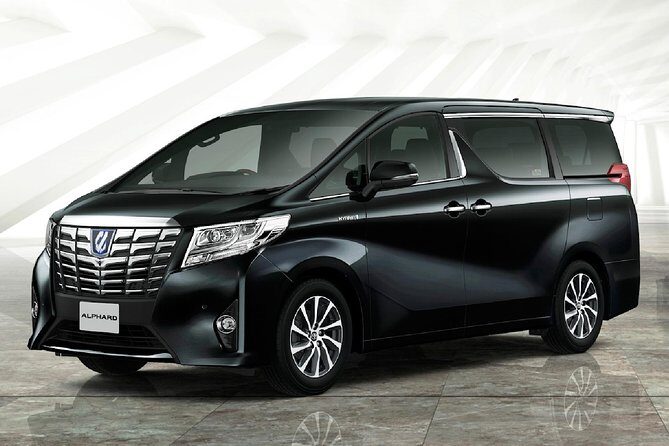
- Multiple possible vehicle sizes: Helps when your group has a few extra people or bulky winter gear.
- Timing can make the day: People talk about arriving when viewing conditions are best.
Tokyo to Nagano in a private car (and why it matters)
This is one of those trips where logistics are half the value. Leaving Tokyo early gives you daylight for the big stops, and using a private vehicle means you can move efficiently without rail schedules telling you how your day should feel. It also helps when winter visibility is good or when timing at the monkey park is everything.
The ride itself is set up for comfort: you’ll travel in an air-conditioned vehicle with onboard WiFi. That sounds small, but it actually changes the mood of the day. Long drives can feel like punishment. WiFi helps you plan questions for your guide, check what’s next, and keep everyone organized when you’re bouncing between stops.
A guide who can speak both English and Japanese is a real advantage in Nagano. Even if you’re comfortable in Japan, the difference is you don’t have to be the translator for your whole group. You can just ask, listen, and move.
You can also read our reviews of more guided tours in Tokyo
Jigokudani Snow Monkey Park: your main event in Hell Valley
Jigokudani is the reason you book this day. The name “hell valley” gets your attention fast, and the setting matches it—an area shaped by sulfur and geothermal energy where nature adapts in its own way. The highlight here isn’t a theme park scene. It’s the monkeys in a rugged, snow-dusted habitat, doing their thing around the hot-water environment.
You get about 2 hours at the park, and importantly, the snow monkey admission fee is included. That means you can focus on walking, viewing, and photo timing instead of counting additional tickets.
The big practical question for you is cold comfort. Paths can be snowy, and viewing time may involve standing still or walking slowly. One tip that shows up in guide-based feedback: bring warm layers, and if you’re worried about slipping, consider traction that’s appropriate for winter surfaces. Don’t make it complicated—just make sure you won’t be miserable.
Also, think about your photo strategy. If you’re going early and your group is patient, you’re in a better position to catch calm moments when monkeys come close to the viewing areas. When the weather is clear, you also tend to get better overall conditions for the day.
Nagano Chausuyama Zoo for red pandas (a nice bonus, not a detour)
After the snow monkeys, the day keeps a gentle pace with a stop at Nagano Chausuyama Zoo for about 1 hour. The purpose here is simple: you get another animal experience, with red pandas called out as the main attraction.
This is the kind of stop that works well if your group includes kids, animal lovers, or anyone who wants a breather after winter hiking at Jigokudani. Tickets for this stop aren’t included, so you’ll want to be ready for the add-on cost. But the time window is short enough that it won’t drag the entire schedule.
The value is mainly pacing. A private day works best when there’s variety without turning into a sprint.
Zenko-ji Temple and Nakamisedori: tradition without the Tokyo crush
Next you’ll step into a more traditional side of Nagano with Zenko-ji Temple. You’ll spend about 2 hours here, and the temple is described as a calmer alternative to what you might expect in bigger Tokyo hubs. That matters. Even in Japan, crowd levels can change what a temple visit feels like—quiet vs. constant shoulder-to-shoulder.
Zenko-ji is a place where your guide can help you understand what you’re looking at and why it matters. You don’t need to study before you arrive. The driver/guide relationship is the point: you can ask direct questions, and the explanations can connect the visual stuff to meaning.
After that, the day includes Zenko-ji Nakamisedori, a traditional path leading into the temple area. You get about 1 hour here, which is usually perfect for slow strolling, snack browsing, and picking up small items if that’s your style. Admission isn’t included for this portion either, but it’s more about atmosphere and walking than paid entry.
Hakuba Goryu Ski Resort and Shiga Kogen Gondola: winter scenery and viewpoints
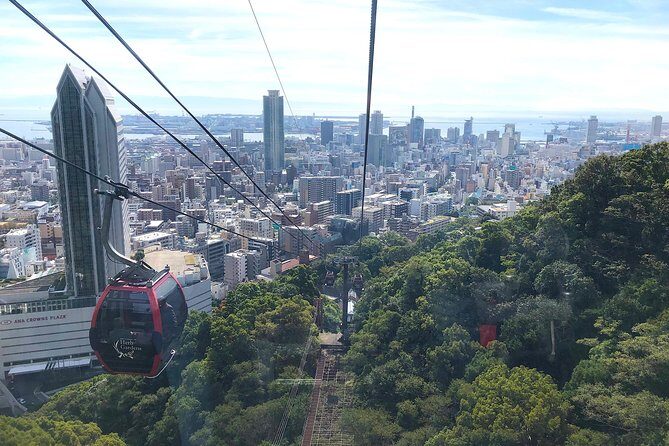
If your mental picture of winter Japan is snowfields and lifts, this part fits. You’ll have time at Hakuba Goryu Ski Resort / Alpine Botanical Garden for about 1 hour, then later at Shiga Kogen Resort Gondola for about 1 hour.
Tickets for these winter activities aren’t included, so check costs before you go if you plan to use any ropeways or gondolas. Still, even without taking every option, the stops are useful because they broaden the day beyond “monkeys and temples.” You get real winter geography—big snowy terrain and the kind of views that don’t exist in city sightseeing.
For many people, this is the photo payoff of the day. If the sky is clear, you’ll often get crisp winter visuals. If it’s snowy or foggy, the scenery can still be dramatic, just more muted. Either way, it’s a different atmosphere from Tokyo, and it makes the long drive feel earned.
You can also read our reviews of more private tours in Tokyo
Togakushi Soba Museum: learn the food skill, not just the meal
One of my favorite types of day trips is the kind where you leave with a new practical understanding. Togakushi Soba Museum Tonkururin is built around that idea. You’ll have about 2 hours here, and the focus is on learning traditional soba making from scratch.
This isn’t “watch a demo and walk out.” You’ll be doing the process. That makes the stop more memorable than a standard shop visit because you’ll remember the steps, textures, and the smell of the ingredients.
Tickets aren’t included, so treat it as a paid add-on within the overall experience. But this is one of those costs that often feels worth it. It’s interactive culture, not just another place to stand and take pictures.
The fast stops that add flavor: sword-making and a sake moment
A private day trip can feel heavy if every stop is long and formal. Here, the day includes a couple of brief cultural stops that still give you texture.
You’ll see 2-339 Yaehara, described as traditional Japanese sword-making with one of the katana makers in the area. The time window is tiny—about 1 minute—and admission is free. That might sound too short, but it’s more like a cultural “fingerprint.” You see the craft focus, then keep moving.
Then there’s Endo Sake Brewery, also about 1 minute. It’s positioned as a quick tasting stop, and ticket details aren’t included. It’s not meant to be a full brewery tour. It’s a snapshot—enough to mark the local identity of Nagano’s sake culture without eating your day.
If you’re someone who likes quick cultural stops between big attractions, these work. If you want deeper time in fewer places, you might feel the brevity. The good part is that they’re not time thieves.
Matsumoto Castle: why this fortress stop feels like a win
Matsumoto Castle is a big-name stop in the region and a strong closer for a winter day. You’ll spend a very short time here—about 1 minute is listed—though the castle is one we can go inside, and tickets aren’t included.
The value of including Matsumoto Castle even with limited time is that you get an iconic Japan layer that isn’t tied to snow or food. This is about architecture and history made physical—stone, timber, and the sense of a stronghold that survived centuries.
Even if your time inside is limited, a castle stop like this often changes your mental map of Japan. It adds variety so the whole day doesn’t blend into one continuous “cold day sightseeing” feeling.
Comfort, timing, and group size: how this tour handles real-life problems
Let’s talk value, because the price isn’t small. This costs $5,863.76 per group (up to 9). That price starts making sense when you split it.
Here’s the math as a guide:
- Up to 9 people: about $652 per person
- 6 people: about $977 per person
- 4 people: about $1,466 per person
If you have a small group, it can still be worth it because private car + English/Japanese guidance saves time and decision stress—especially in winter. If you have a larger group, it gets much easier to justify because you’re sharing the fixed costs.
Reviews also point to what you’d hope for: a comfortable vehicle and a guide who times things well. Kye’s name comes up repeatedly for perfect English, answers to questions, and handling a long day without it feeling like a slog. The timing piece matters most for snow monkeys because conditions can change quickly with weather and animal movement.
You’ll also want to plan how your group behaves. Private tours feel best when everyone can walk at the same pace and isn’t constantly asking to stop for one more photo every five minutes. A good guide will manage that, but your cooperation helps the whole day run smoothly.
The best fit: who should book this snow monkey day trip?
This trip is ideal if you:
- Want snow monkeys at Jigokudani without DIY route stress
- Appreciate a mix of winter nature and cultural stops (temples, soba making, crafts, castle)
- Travel as a group that can split the private vehicle cost
- Prefer an English-speaking guide to smooth out language and timing
It’s also a good match if you’ve been to Tokyo already and want to add a Nagano slice that feels less touristy and more regional.
If your group hates early mornings, or if long cold walks aren’t your thing, you might feel squeezed. In that case, either consider a shorter trip style or be strict about winter prep.
Should you book this tour?
If your top goal is seeing Japanese red-faced snow monkeys at Jigokudani Monkey Park, I’d book it. The included entry fee, private transport, and a guide who can explain what you’re seeing turn the day into a real experience instead of a logistics project.
I’d only hesitate if your group wants a slow pace or you’re uncomfortable in winter conditions. This is a long day by design, and it includes multiple stops—some long, some brief. If that schedule works for you, you’ll likely come away feeling you got both the famous moment and the Nagano context that makes it meaningful.
FAQ
FAQ
What time does the tour start?
It starts at 6:00 am.
How long is the full-day private tour?
The duration is about 12 hours.
Is WiFi provided during the drive?
Yes. There is WiFi on board.
Is pickup offered in Tokyo?
Pickup is offered, and the tour starts in Tokyo and ends back at the meeting point.
Are snow monkey tickets included?
Yes. Snow monkeys entry fee for Jigokudani is included.
Is the driver/guide bilingual?
Yes. The tour includes an English and Japanese-speaking driver/guide.
Do I need to pay for other stops?
Tickets for activities and attractions like ropeways or certain entrances are not included (except for the snow monkey entry).
Are food and drinks included?
No. Food and drinks are not included.
What if the weather is bad?
This experience requires good weather. If it’s canceled due to poor weather, you’ll be offered a different date or a full refund.
How big is the private group?
It’s a private tour/activity for your group, up to 9 people per group.