REVIEW · FUJIKAWAGUCHIKO MACHI
Private Local Hiking to enjoy the nature and culture of Mt.Fuji
Book on Viator →Operated by Yuki(ゆうき) · Bookable on Viator
Mt. Fuji feels personal when you hike it. This private nature-and-culture route takes you away from the usual crowds and into the calmer lake side plus forest paths, with Yuki guiding the whole day. I especially love the combo of shrines tied to eruptions and the quiet moments in Aokigahara’s “sea of trees.” One heads-up: your best Fuji views depend on weather, and pickup is limited to the Kawaguchiko/Fujiyoshida area.
The walking is moderate, and the tour is built to be doable: about an hour up and 30 minutes down for the main climb pace, plus viewpoint time that doesn’t feel rushed. I also liked that the day comes with practical support—rental trekking shoes, poles, and rain gear—so you’re not stuck improvising footwear. If you’re expecting a strict city-style sightseeing loop with lots of shops, this route is more nature + quiet culture than shopping.
At the end, you get a satisfying food-and-rest finish: a local meal featuring Yoshida udon, then matcha in a Japanese garden at an older hotel in Fujiyoshida. It’s a lot for 5 to 6 hours, and the private format makes it easier to move at your pace and ask questions as you go.
In This Review
- Key Points to Know Before You Go
- Why This Mt. Fuji Foot-of-the-Mountain Route Feels Local
- Pickup Rules and Morning Timing (9:00 Start)
- Weather Reality: When Fuji Shows Up (and When It Doesn’t)
- The Hiking Game Plan: Moderate, Not a Grind
- Lake Kawaguchiko First: Iconic Fuji Framing
- Fuji Omuro Sengen Shrine: Where Worship Meets Eruption History
- Saiko Lake: The Calmer Fuji Side
- Aokigahara Forest and the “Sea of Trees” Feeling
- Ryugudoketsu-iriguchi: A Sacred Cave with Mt. Fuji Goddess Lore
- Sankodai Viewpoint: Fuji, Jukai, and Lake Saiko in One Sweep
- Menkyo-kaiden and Yoshida Udon: Budgeting for the Local Bite
- Kaneyamaen Garden Matcha: The Calm After the Climb
- Price and Value: What $131.38 Covers (and What It Doesn’t)
- Who This Tour Is Best For (and Who Should Rethink It)
- Small Practical Tips to Make the Day Easier
- Should You Book This Private Mt. Fuji Nature and Culture Hike?
- FAQ
- What time does the tour start?
- Where is the pickup available?
- How long is the hike?
- Is the hiking difficulty level manageable?
- What’s included in the tour price?
- What food costs should I plan for?
- Are the shrine and stop admissions free?
- What if the weather is bad?
- Is this a private tour?
Key Points to Know Before You Go
- Private and guide-led: only your group joins, with Yuki handling route and explanations.
- Fuji views + calmer lakes: start with iconic Lake Kawaguchiko, then shift to quieter Lake Saiko.
- Culture stops you can feel: Omuro Sengen Shrine and a sacred lava cave tied to Mt. Fuji worship.
- Real hiking support: shoes, poles, and weather gear are included.
- Aokigahara meaning beyond photos: learn why this “sea of trees” exists and how eruptions shaped it.
- Food and tea finish: Yoshida udon, plus optional matcha and a sweet in a garden setting.
Why This Mt. Fuji Foot-of-the-Mountain Route Feels Local
This isn’t a “stand somewhere and take the postcard shot” day. You start near the Fuji lake belt, then gradually move into places that feel quieter and more grounded. The tradeoff for the busy-sightseer vibe is that the day leans on story and atmosphere: worship at a shrine linked to eruptions, forests formed by past activity, and a cave people visited for prayer before climbing.
Yuki’s role matters here. He’s described as a certified mountain guide who’s climbed Mt. Fuji over 40 times, and he’s also a licensed local hunter. That combination tends to show up as calm confidence and sharp attention to what’s around you—plants, trail shapes, and why certain spots matter to locals. Even the timing of pauses feels intentional, not random.
Because it’s private, you don’t feel herded. If you need a slower rhythm, you can take it. If you want a few extra minutes at a viewpoint, the tone stays relaxed.
You can also read our reviews of more private tours in Fujikawaguchiko machi
Pickup Rules and Morning Timing (9:00 Start)

This tour starts at 9:00 am. Pickup is available, but only if you’re already staying in the Kawaguchiko or Fujiyoshida area. If you’re elsewhere, you’ll need to get to the area on your own.
That limitation is worth planning for. If you’re staying in a different town, you may spend more time figuring out transportation than you’d like. If you are in the Fuji Five Lakes region already, pickup is a big convenience because it removes the “how do we get there” stress before the hike begins.
Weather Reality: When Fuji Shows Up (and When It Doesn’t)
The route runs with a simple truth: you’re hiking in mountain weather. Clear views of Fuji are the dream—especially from the lakes and the viewpoint hike—but the experience still works when the sky is different.
Since the operator notes the experience requires good weather, plan for possible rescheduling or a refund offer if conditions are too poor. Also, expect that fog and clouds can soften the view. When that happens, you’ll still get a lot out of the forest, shrine, and cave stops. And the day includes rain jackets and pants, so drizzle isn’t a deal-breaker.
A smart move is dressing for cool and damp conditions. Even on days that look sunny at first, trails near water and forest can feel colder than you expect.
The Hiking Game Plan: Moderate, Not a Grind
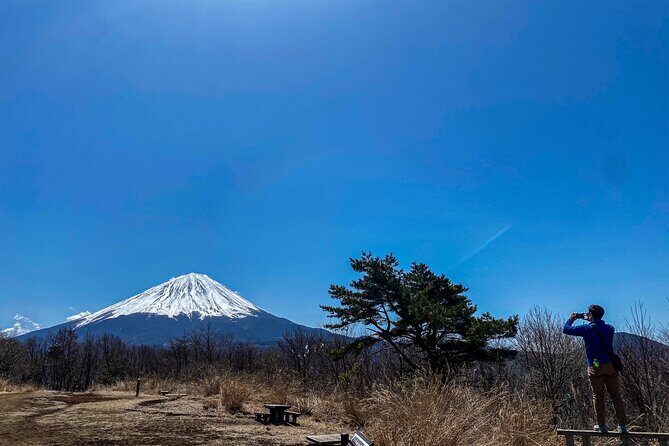
The hike pace is described as moderate—about 1 hour up and 30 minutes down—and it’s positioned as suitable for all ages. There’s also a longer viewpoint portion tied to Sankodai that’s described as about an hour hike one way and suitable for outdoor beginners.
What that means practically: you’re not signing up for a full endurance climb, but you are on real trails. Expect uneven ground in the forest sections and some steps or slope changes as you work your way to viewpoints.
The tour includes trekking poles, which are a real help on the descent, especially if the ground is slick. And because rain gear is included, you can keep going without making a wardrobe change mid-route.
If you hate hiking more than you love it, this may still feel like work. But if you’re comfortable walking for a couple of hours total, it’s a well-paced day.
Lake Kawaguchiko First: Iconic Fuji Framing
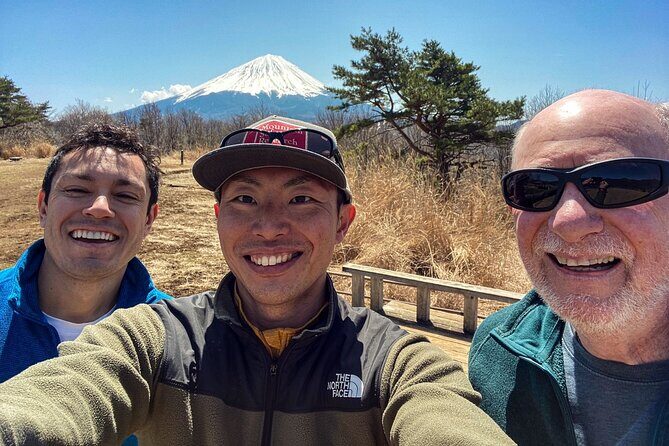
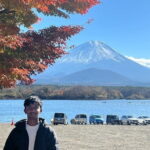
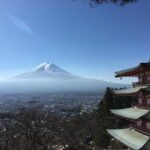
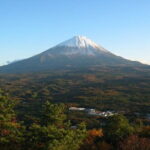
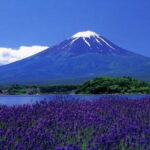
You begin with the star setting for the whole region: Lake Kawaguchiko, the most popular of the Fuji Five Lakes. It’s popular for a reason—Mt. Fuji often rises in the background with a clean, photogenic framing.
On a sunny day, you may even see Fuji clearly from the trail area, which is part of the charm of this route. Even when visibility is imperfect, the lake atmosphere sets the tone: you get a sense of why this landscape pulls people in, then the tour quickly shifts toward quieter places where the crowds thin out.
This first lake stop also helps your “Fuji brain” lock on. After you get the visual context, the later forest and shrine meaning lands better.
You can also read our reviews of more hiking tours in Fujikawaguchiko machi
Fuji Omuro Sengen Shrine: Where Worship Meets Eruption History
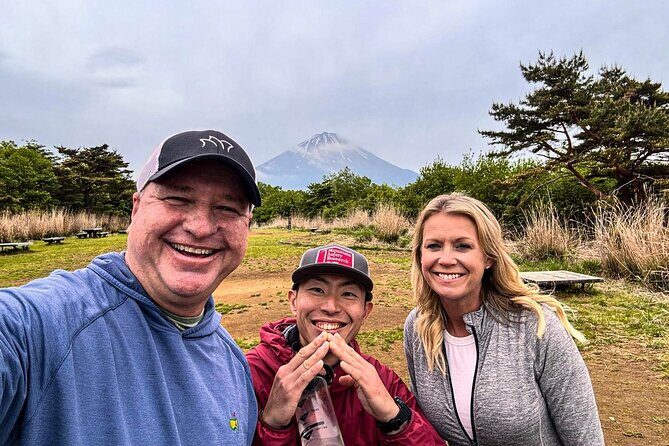
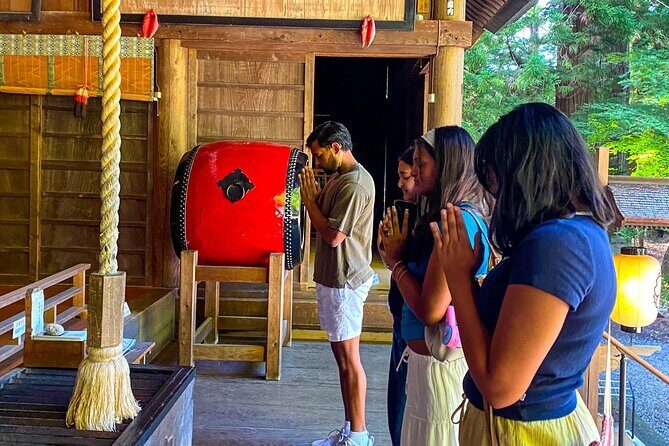
Stop one is Fuji Omuro Sengen Shrine, an ancient shrine with deep ties to Mt. Fuji worship and major eruption history. The story here is simple and direct: people built the shrine to help settle the eruption down, and the worship practices grew from that connection.
This stop is more than a quick photo pause. It adds the cultural backbone for the whole day. When you later learn about forest formation after eruptions, you’ll connect the dots between spiritual interpretation and natural cause.
Admission is listed as free, so you’re not paying extra to add meaning here.
Saiko Lake: The Calmer Fuji Side
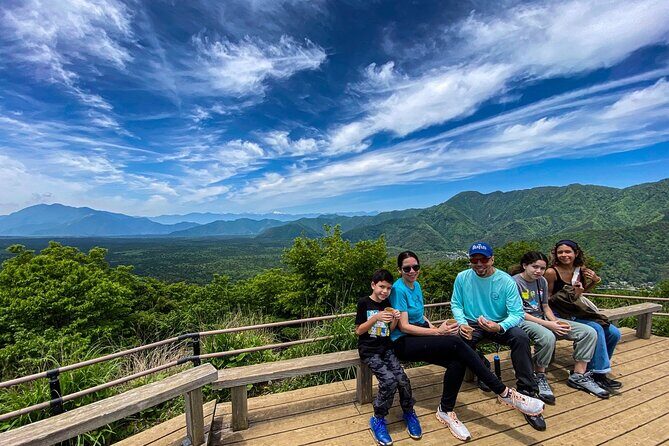
Next comes Saiko Lake, described as much quieter than Lake Kawaguchiko. This change of pace is a gift. You trade the more iconic, busy feeling for a more peaceful atmosphere—plus the potential for stunning views of Fuji and the lake surface.
If you like your travel days to include a breath of quiet, this is one of the best moments to catch it. It’s short on time, but it gives you a real sensory contrast: less “tourist lake,” more “slow lake.”
Admission is also listed as free.
Aokigahara Forest and the “Sea of Trees” Feeling
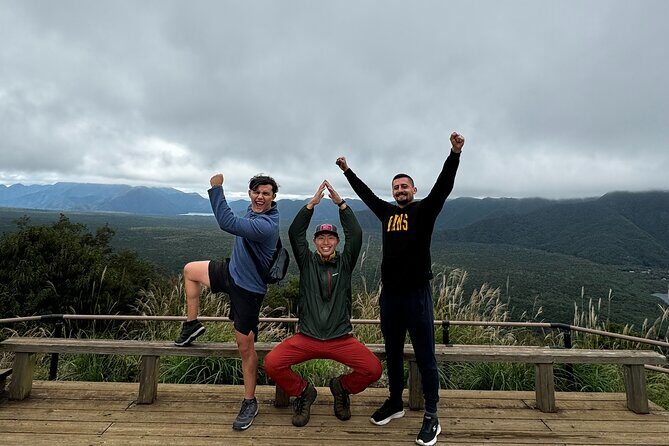
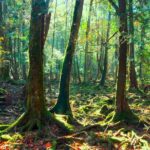
Then you step into Aokigahara Forest, also known as Jukai, the “sea of trees.” The tour notes that it’s called that because it can look like the sea when you see it from a viewpoint.
There’s also a time-and-cause element: one of the big eruptions happened about 1,200 years ago, and created a lasting effect that connects directly to how this forest exists today. That detail matters because it turns the forest from scenery into story.
In practice, this part is where the day becomes physical in the best way. You’re moving through a space that feels different from open lake areas—cooler, quieter, and more immersive in sound and shade.
Ryugudoketsu-iriguchi: A Sacred Cave with Mt. Fuji Goddess Lore
Stop four is Ryugudoketsu-iriguchi, a sacred cave tied to Mt. Fuji worship. People used to visit to pray for the goddess of Mt. Fuji before climbing the mountain, believing the inside of the cave was like the inside of the goddess.
Even if you don’t fully buy into the spiritual framework, it’s still a fascinating example of how locals used natural features to express belief. You get that sense of “the landscape is a living map” here.
Admission is listed as free, so it’s a high-meaning, low-cost stop.
Sankodai Viewpoint: Fuji, Jukai, and Lake Saiko in One Sweep
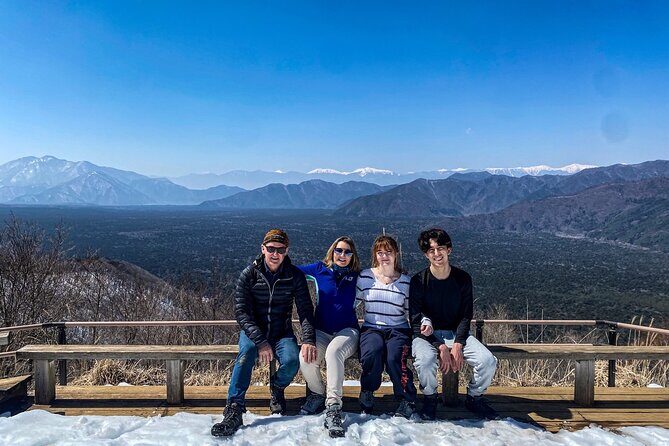
The highlight climb is tied to Sankodai, a viewpoint area where you can enjoy a big panorama: Mt. Fuji, the sea of trees (Jukai), and Lake Saiko together.
The tour describes the hike as suitable for outdoor beginners, and the timing is laid out as about an hour hike one way with viewpoint time included in the overall stop plan. In other words, you’re not just walking to a random platform—you’re walking to a composition.
This is also where the tour’s earlier storytelling pays off. You see the forest shaped by eruptions, you see the lake in the lower layer, and you see Fuji as the central presence.
When it’s sunny, this is the moment you’ll probably remember most.
Menkyo-kaiden and Yoshida Udon: Budgeting for the Local Bite
After the viewpoint energy, you shift to food at Menkyo-kaiden. This is where you sample signature local flavors, and the tour specifically calls out Yoshida Udon as the area’s famous dish.
The local meal cost is described as about 1,000 yen per person (and lunch outside the tour can be around 1,000 yen too, depending on how you plan your day). So yes, there’s some extra cash needed on top of the tour price—but it’s typical for this kind of experience and it’s part of the point: eating where the day naturally ends.
A practical tip: go into the lunch/meal moment hungry. You’ll burn enough energy that the food doesn’t feel like an afterthought.
Kaneyamaen Garden Matcha: The Calm After the Climb
To finish, you relax at Fujisan Onsen Hotel Kaneyamaen, described as one of the older hotels in Fujiyoshida with a big Japanese garden open for public use. This stop is part sightseeing, part decompression.
You can enjoy matcha with a Japanese sweet (optional 1,000 yen per person) or simply chill in the garden with a slower pace. That optional structure is good because it lets you decide how “treat-mode” you want to be.
It also makes the day feel complete. A lot of hiking tours stop at the trailhead. This one gives you a softer landing in a place designed for quiet.
Price and Value: What $131.38 Covers (and What It Doesn’t)
At $131.38 per person, you’re paying for a private, guided day that includes private transportation and Yuki’s guide fee, plus real hiking gear: trekking shoes, poles, rain jackets and pants, and gloves.
That’s a big part of the value. If you were renting that stuff on your own, you’d likely spend more than you expect—especially for rain layers. Free admission is also stated for each of the listed stops, so you’re not adding ticket costs during the day.
What’s not included is also fairly clear:
- Lunch around 1,000 yen
- Insurance (not included)
- The optional local meal cost at Menkyo-kaiden (about 1,000 yen)
- Optional matcha sweet at Kaneyamaen (about 1,000 yen)
So, if you budget a little extra for food and optional tea, you’re in a good spot. If you want zero extra spending, you’d need to plan differently around meals and drinks.
Who This Tour Is Best For (and Who Should Rethink It)
This tour is a strong match if you:
- want a private day instead of joining a crowd
- like a balanced mix of culture + moderate hiking
- enjoy calm nature moments like Lake Saiko and the forest atmosphere
- want a guide who can explain why places matter, not just point them out
It may be less ideal if:
- you need a fully flat, stroller-style route all day (this is still hiking)
- you’re staying outside Kawaguchiko or Fujiyoshida and don’t want to solve transport on your own
- you’re chasing only the most reliable, always-clear Fuji views (weather can limit visibility)
Small Practical Tips to Make the Day Easier
- Wear the included gear at the start if you can. It’s easier than adjusting halfway through.
- Bring a layer for cool air near the lakes and the forest.
- If you tend to get cold feet, the included shoes and gloves help, but pay attention to sock thickness.
- Keep your expectations flexible about Fuji clarity. The cultural stops and forest still make the day worth it.
Should You Book This Private Mt. Fuji Nature and Culture Hike?
I’d book it if you want a Mt. Fuji day that feels like a story you can walk through: shrine lore, eruption-shaped nature, forest silence, then food and matcha in a garden. The biggest reason is the mix—this isn’t just scenery, and it isn’t just culture plaques either.
I’d hesitate only if pickup location would be a hassle or if you truly hate hiking even when it’s moderate. For most people staying in the Fuji Five Lakes orbit, it’s a well-priced way to get a guided, gear-supported day that actually feels local.
FAQ
What time does the tour start?
The start time is 9:00 am.
Where is the pickup available?
Pickup is available only for guests staying in the Kawaguchiko or Fujiyoshida area. If you’re not staying there, you’ll need to come to the areas on your own.
How long is the hike?
The tour runs about 5 to 6 hours (approx.).
Is the hiking difficulty level manageable?
Yes. The main hike pace is described as moderate, around 1 hour up and 30 minutes down, and it’s stated as suitable for all ages. The Sankodai route is also described as suitable for outdoor beginners.
What’s included in the tour price?
The price includes trekking shoes, trekking poles, rain jackets and pants, and gloves, plus private transportation and the guide fee.
What food costs should I plan for?
Lunch is not included and is listed as around 1,000 yen. There is also a local meal stop at Menkyo-kaiden with a cost of about 1,000 yen per person. Matcha with a Japanese sweet at the garden is optional (about 1,000 yen per person).
Are the shrine and stop admissions free?
The itinerary lists admission ticket free for the stops included.
What if the weather is bad?
The experience requires good weather. If it’s canceled due to poor weather, you’ll be offered a different date or a full refund.
Is this a private tour?
Yes. It’s a private tour/activity, and only your group will participate.