REVIEW · TOKYO
A Tokyo Karate Dojo Activity Experience
Book on Viator →Operated by Tokyo Karate Dojo Experience · Bookable on Viator
Karate practice in a real Tokyo dojo.
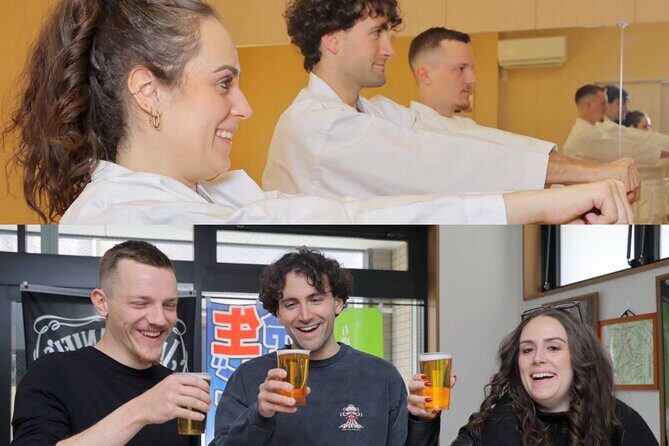
This experience centers on Soshikan Dojo, a clean, modern training space newly built in July 2023, but still shaped by tradition (like a kamidana shrine). I like that the English-speaking instructor doesn’t just run drills, but also teaches dojo etiquette and the culture behind the art, so beginners feel guided instead of lost. You also get time after training to copy that everyday rhythm—warm-up, practice, then a drink.
The best part is the flow: training first, then a nearby standing-style sake bar to unwind like a regular. One thing to plan for: you must bring your own T-shirt to wear under the rental karate uniform, or you’ll be scrambling.
If you want an activity that feels practical, local, and not staged, this is a strong pick. It runs about two hours, is private for your group, and is designed to work even if you’ve never worn a gi before.
In This Review
- Key highlights you’ll care about
- Soshikan Dojo: a modern space that still respects tradition
- Two hours of karate: etiquette, basics, and clear guidance
- Rental uniform and what to wear under it
- Photo sessions: get proof you were there (without making it awkward)
- The drink stop: a standing-style sake bar next door
- Price and value: is $86 for two hours worth it?
- Who should book this karate dojo experience
- A few practical tips before you go
- Should you book it?
- FAQ
- Where is the meeting point?
- How long is the karate dojo activity?
- Is a karate uniform included?
- Are drinks included, and is non-alcoholic an option?
- Do I need to bring a shirt?
- Can I cancel for a full refund?
Key highlights you’ll care about
- A dojo built in July 2023, clean and modern, yet still includes traditional elements like a kamidana.
- Beginner-friendly instruction in English, focused on basics and proper etiquette.
- Rental karate uniform plus a tenugui towel, so you’re not hunting for gear.
- Photo sessions during the experience, built in as part of the cultural exchange.
- Two drinks and snacks included after training, with beer or sake options (non-alcoholic available too).
- Private group format, so you’re training with only your group.
Soshikan Dojo: a modern space that still respects tradition
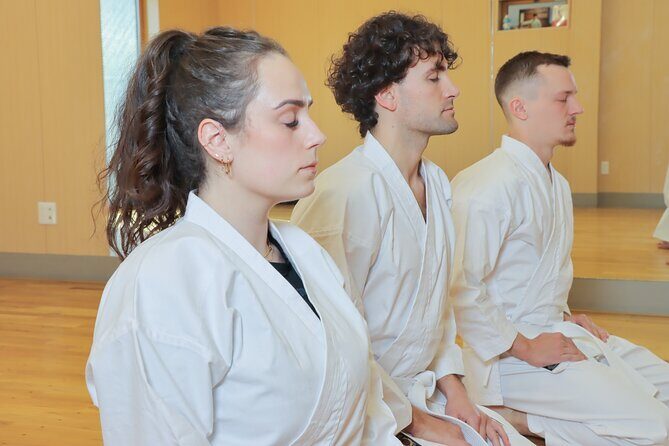
The meeting point puts you at a rental-dojo location in Shimo, Kita Ward—easy to reach and close to public transportation. From the outside, this part of Tokyo can feel like the normal neighborhood you’d walk through on your way to dinner. That matters, because the activity doesn’t feel like a museum program. It feels like stepping into someone’s daily routine.
Inside, what I like is the mix of old and new. The facility is described as clean and modern, built in July 2023, which usually means good comfort and practical layout. At the same time, there’s a kamidana shrine. That’s the kind of detail that changes the mood. You’re not just learning movements—you’re learning how a dojo expects people to behave, from the way you enter to how you show respect during training.
Another smart touch is that it’s described as suitable for beginners. That’s not a throwaway line. In practice, beginner-suitable often means the instructor spends time on fundamentals and correct etiquette instead of assuming you already know the culture. And you’ll likely appreciate that, because karate isn’t just physical. It’s rules, timing, and attention.
You can also read our reviews of more tours and experiences in Tokyo.



Two hours of karate: etiquette, basics, and clear guidance
This experience is built around daily life as a karate practitioner. The training section focuses on etiquette and training methods—especially the basics. Because an English-speaking instructor is part of the program, you should expect clear guidance on what to do, when to do it, and how to do it properly.
Karate training can feel intimidating when you show up as a beginner. The good news here is that the instruction is designed to bring you in at the start. You’ll learn the basics and how the dojo expects you to act. That includes more than bowing. It’s the whole mindset: listening, moving with control, and treating practice as something that has structure and purpose.
There’s also a cultural layer. The reviews emphasize that the instructor taught about the culture and history of the art, and that shows up in the way the session is framed. You’re not just repeating drills like a robot. You’re being given context, which makes the movements easier to understand and remember.
One possible consideration: even with beginner guidance, this is still real training. You’ll be moving. If you’re dealing with mobility issues or you hate being in active sessions for two hours, you might want to think twice. But the program is described as “most travelers can participate,” so it’s not built for high-impact athletes only.
Rental uniform and what to wear under it
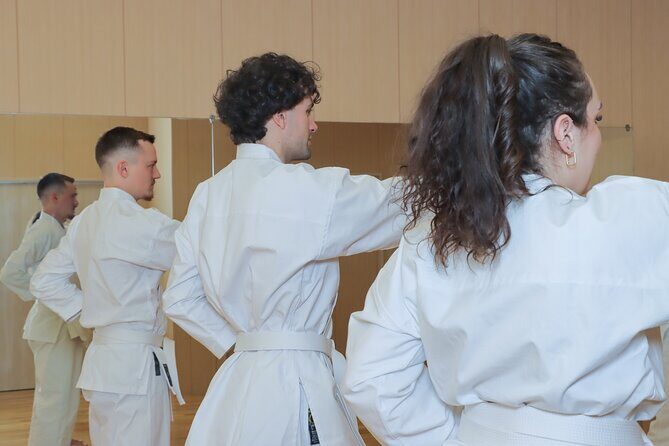
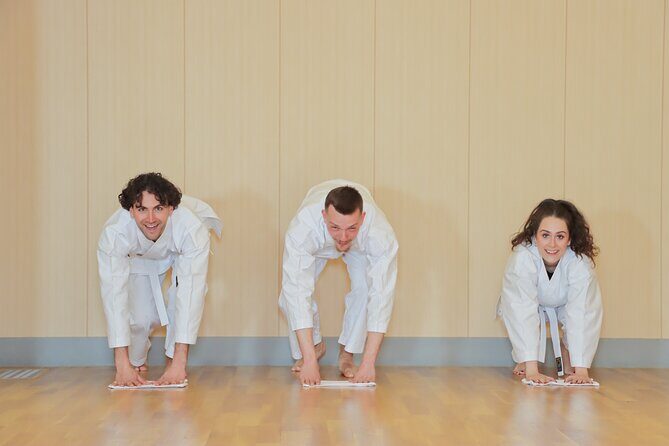
One of the easiest wins for this kind of activity is gear. You’ll get a rental karate uniform (gi). You also receive bottled water and a tenugui towel. That’s practical. You won’t spend your first hour in Tokyo hunting for supplies, and you won’t be stuck without water.
Still, there’s one key prep item: bring your own T-shirt to wear under the uniform. That’s explicitly stated for a reason. Gi fabric can feel thin or rough depending on the cut and your comfort level, and the T-shirt helps with hygiene and comfort. I’d treat this as non-negotiable. Pack a simple, breathable shirt and you’ll feel better from the moment you change.
Also remember that you’re likely to stand, bow, and do controlled practice. So wear something you can change out of quickly, and choose something that doesn’t trap sweat.
If you’re the type who likes having a clean plan for what to wear, this is a good match. If you hate clothing changes, you can still do it—you’ll just want to make your arrival smooth.
Photo sessions: get proof you were there (without making it awkward)
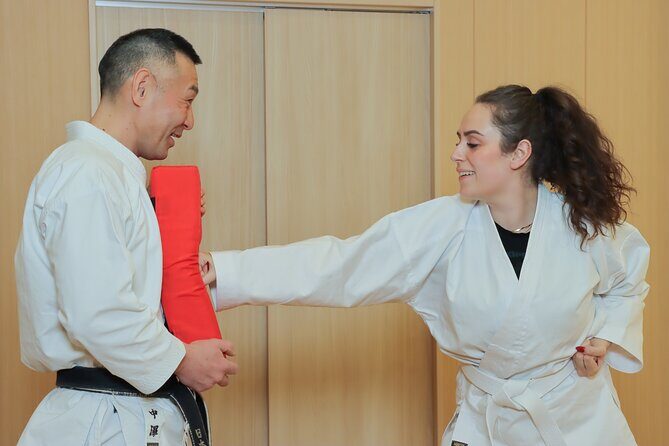
The program includes photo sessions, and that matters for two reasons. First, it’s convenient. The activity is the moment when you’re already in the right place, wearing the right uniform. Second, it reduces awkwardness. Instead of trying to figure out when to ask for a photo, the experience builds it in.
For me, that makes the whole thing feel more respectful. You’re not barging into someone’s training to capture a selfie. You’re using the structure of the session. You also get your photos at the dojo, where the setting actually supports the story—modern building, traditional touches, and a real practice atmosphere.
I’d recommend you come camera-ready in the sense of posture and comfort. You’ll want to be able to pose briefly without messing up training flow. Keep your expectations simple: fun photos, clear documentation, and a chance to remember your day.
The drink stop: a standing-style sake bar next door
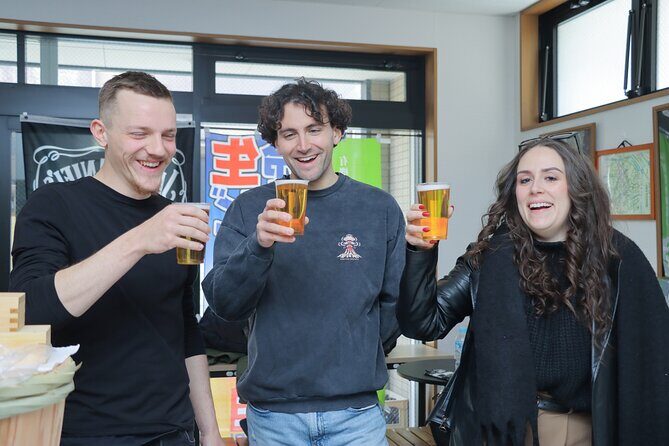
This is where the experience becomes more than just a workout. Adjacent to the dojo is a traditional standing-style sake bar. After training, you can relax and enjoy a cold beer or sake.
The program includes two alcoholic beverages, plus snacks. It also notes that non-alcoholic beverages are available, so you won’t be forced into alcohol if you don’t want it. Either way, the format is “standing-style,” which usually means small counter seating and a more casual, local vibe than a full dining table.
Why this matters: that post-training social time is part of karate culture as practiced in everyday life. The overview even hints at the idea that the real story continues in the drinking establishments. Whether you drink or go with something non-alcoholic, the point is the same—you get the after-hours atmosphere that makes it feel lived-in.
Practical advice: pace yourself. You’re training first, then eating and drinking. If you plan to walk or take public transit afterward, keep it light so you stay comfortable.






Price and value: is $86 for two hours worth it?
At $86 per person for about two hours, this isn’t the cheapest thing in Tokyo. But it also isn’t a vague “cultural talk.” You’re paying for several concrete elements:
- Rental karate uniform
- Tenugui towel and bottled water
- Two drinks (beer or sake options) and snacks
- English-speaking instruction for beginners
- Photo sessions
When you break it down, the drinks/snacks and uniform rental do a lot of the heavy lifting for value. In Tokyo, a couple of drinks plus a neighborhood bar experience can add up quickly, especially if you’d otherwise have to plan and spend extra time. Here, it’s part of the scheduled flow.
Add the instructor-guided etiquette and basics, and you’re not just buying access to a dojo. You’re buying structure. That’s what makes the $86 feel more justified than a “show up and figure it out” option.
One more note from the details: it’s private for your group, so you’re not sharing the experience with strangers in a way that could dilute attention. That often improves the quality of guidance, especially at the beginner level.
Who should book this karate dojo experience
This activity fits best if you want a hands-on Tokyo cultural experience with real local rhythms. It’s ideal for:
- Beginners who want karate basics without feeling overwhelmed
- People who care about etiquette and the cultural meaning behind the practice
- Travelers who like structured activities that still feel authentic
- Small groups that want a private session rather than a crowded class
It may be less ideal if you’re looking for a purely athletic, intense workout. This is “daily life of a karate practitioner,” which includes etiquette, culture, and instruction—not just pushing max effort.
If you’re traveling with someone who’s curious but unsure about martial arts, this can be a good compromise. The beginner support and English guidance reduce the guesswork.
A few practical tips before you go
- Bring the required T-shirt to wear under the uniform. Plan your changeover so it’s fast.
- Arrive with comfortable movement in mind. You’ll be doing structured practice.
- Have modest expectations for the training pace. It’s beginner-friendly, so it’s about correct foundations.
- If you want to enjoy the bar portion, pace yourself. You’re mixing training with drinks.
- Wear practical footwear for getting to the dojo and then moving around afterward.
Also, the facility is described as near public transportation. That’s a real plus in Tokyo, where time adds up. You should be able to slot this activity into a day without long transfers.
Should you book it?
I’d book this if you want a real dojo experience in Tokyo—one that teaches etiquette and basics in English, includes a uniform and practical extras, and finishes with a local-style drink and snack at a standing bar nearby. The price makes sense once you factor in the rental gear and the after-training beverages.
Skip it if you hate active instruction sessions or you’re not comfortable with the idea of training first and socializing afterward. This isn’t a passive cultural stop.
Overall, this is the kind of activity that turns a day into a story you can actually explain later: the dojo etiquette, the basics you practiced, and the neighborhood vibe that followed.
FAQ
Where is the meeting point?
The start point is 颯志館 レンタル道場4-chōme-6-2 Shimo, Kita City, Tokyo 115-0042, Japan. The activity ends back at the same meeting point.
How long is the karate dojo activity?
It runs for approximately 2 hours.
Is a karate uniform included?
Yes. A rental karate uniform is included.
Are drinks included, and is non-alcoholic an option?
Yes. Two alcoholic beverages (beer or sake) and snacks are included, and non-alcoholic beverages are also available.
Do I need to bring a shirt?
Yes. You should bring your own T-shirt to wear under the karate uniform.
Can I cancel for a full refund?
You can cancel for free and get a full refund if you cancel at least 24 hours before the experience’s start time.