REVIEW · KYOTO
Kyoto Tea Ceremony & Kiyomizu-dera Temple Walking Tour
Book on GetYourGuide →Operated by MagicalTrip · Bookable on GetYourGuide
Kyoto tea and temple views happen fast. This walking tour strings together Kiyomizu-dera (a UNESCO World Heritage Site) and a hands-on matcha tea ceremony with your own green tea to make—then sprinkles in street atmosphere, colorful sights, and snack stops. I like that it’s not just look-and-leave sightseeing; you actually slow down for temple meaning and tea technique.
One thing to watch: the schedule is tight. If anything runs behind—like crowd lines for the Otowa Waterfall area—or if timing for the tea ceremony doesn’t click, you could end up missing part of the experience unless you stay flexible and alert with your guide.
In This Review
- Key highlights at a glance
- Starting at Yasaka Shrine and walking Kiyomizuzaka like a local
- Yasaka Koshin-do: the colorful wish temple you’ll want to photograph
- Snack stops along the route: good taste, plus a budget reality check
- Kiyomizu-dera: the Water Temple, Otowa Falls, and the big Kyoto view
- Tea ceremony time: making matcha and learning the steps
- What the 3-hour format really means for your day
- Price and value: why $63 can be more than it looks
- Who this tour suits best (and who may want something else)
- Should you book Kyoto Tea Ceremony & Kiyomizu-dera?
- FAQ
- Where do I meet the guide for this tour?
- How long is the Kyoto Tea Ceremony & Kiyomizu-dera Temple walking tour?
- What’s included in the price?
- Is the tea ceremony hands-on?
- Are children allowed on the tour?
- Is the route wheelchair or stroller accessible?
- Can the tour accommodate allergies or dietary restrictions?
Key highlights at a glance
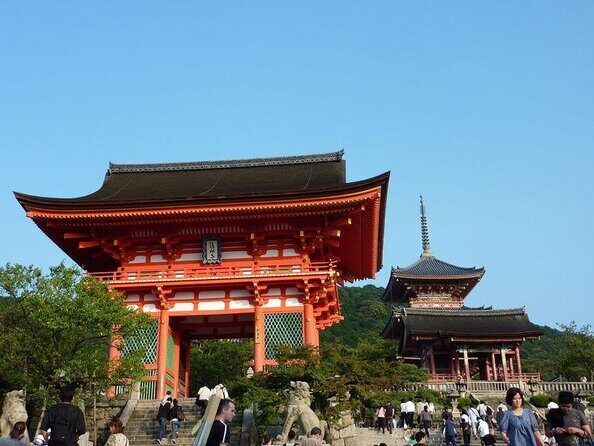
- Kiyomizu-dera’s Water Temple views from the wooden platform, with a chance to drink from the Otowa Waterfall
- Yasaka Koshin-do’s wish-filled ceiling with colorful balls that people write wishes on
- A real matcha moment: learn the steps and make your own green tea
- Guided Kyoto street time through Kiyomizuzaka, past old shops and food stalls
- Smart snack sampling where your guide points you toward what’s worth trying
Starting at Yasaka Shrine and walking Kiyomizuzaka like a local
The tour meets at the Yasaka Shrine Nishiromon Gate, in front of the statue. You’ll want to arrive about 10 minutes early, because the guide starts promptly and you don’t want to cut into the tea and temple time.
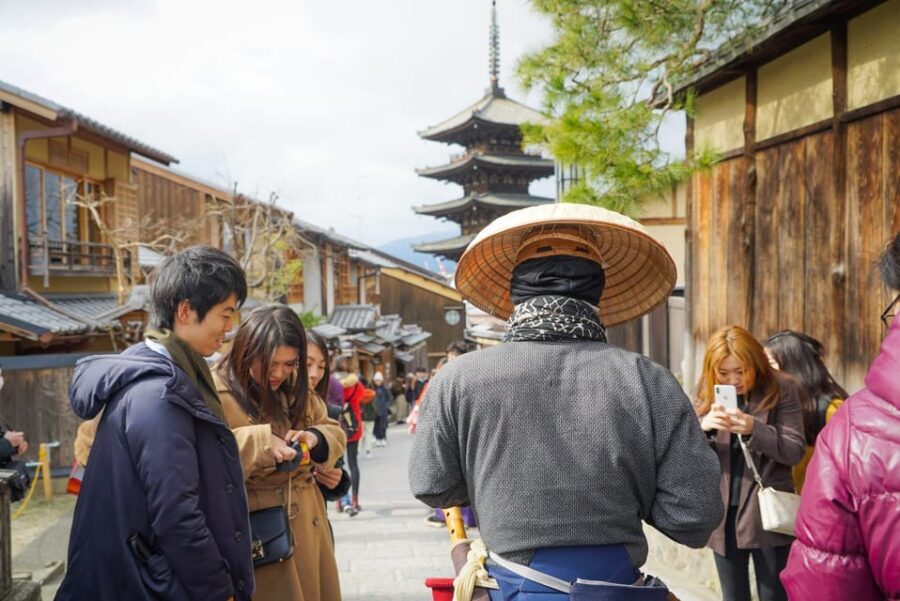
From there, you walk into Kiyomizuzaka, the classic Kyoto slope packed with small shops and traditional street textures. Expect old teashops, sweet shops, and sun-dried food stalls lining the route. Even if you’ve seen photos of this area before, walking it in person changes the feel—sightlines, smells, and the constant flow of people all make it more real.
You may also catch some of the iconic Gion-area motion—Maiko and Geisha move through the streets with an elegant pace. The tour’s main focus is temples and tea, so if you crave more depth on Gion culture and history while you’re passing through, ask your guide questions early in the walk. Guides can only fit so much into a 3-hour format.
You can also read our reviews of more walking tours in Kyoto


Yasaka Koshin-do: the colorful wish temple you’ll want to photograph
Next comes Yasaka Koshin-do, often called one of the most colorful temple stops in Kyoto. The most striking detail is the ceiling covered with many colorful balls hanging overhead, each with written wishes.
This is the kind of place where you can slow down and look up without feeling rushed. I like that it’s visually playful but still tied to religious practice—your eye catches the color first, then you realize the whole point is communication of wishes and devotion.
For photos, go simple: take a wide shot first, then come closer for the ceiling details. And if it’s crowded, don’t fight for the perfect angle; stand slightly off to the side so you can keep your balance and still capture the look.
Snack stops along the route: good taste, plus a budget reality check
After the wish temple, you’ll pause at several eateries on the streets for local snacks. Your guide doesn’t just let you roam—your experience includes a few samplings, and that guidance matters because Kyoto street food is easy to overpay for if you don’t know what you’re looking at.
These snack stops are also where you’ll get small cultural context. Instead of treating food like a side quest, your guide helps you connect what you’re eating to Kyoto everyday life.
That said, extras are not included. Bring some cash for additional food, drinks, and souvenirs. You’ll probably be tempted to keep snacking even after the included samplings, especially when you see sun-dried items and sweet shop displays that look like they were designed to be photographed.
Kiyomizu-dera: the Water Temple, Otowa Falls, and the big Kyoto view
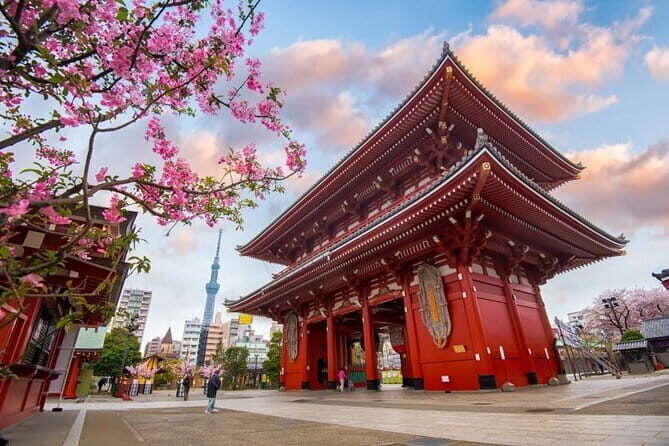
Then it’s on to Kiyomizu-dera, known as the Water Temple. This is the flagship stop: a UNESCO World Heritage Site built on the site of the Otowa Waterfall. Plan for a crowd vibe. It’s famous for a reason, and even a short window on-site can feel busy.
What you do here is classic Kiyomizu-dera: you stand on the wooden platform and take in the view. You’ll also notice the seasonal framing around the temple grounds—cherry and maple trees in the background, with Kyoto stretching out in the distance. That mix of temple architecture and city panorama is why this stop lands for first-timers and repeat visitors alike.
You’ll also visit the Otowa Waterfall area. The tour includes time at the waterfall spot, and you can drink the clear water that’s said to bring good luck. One practical heads-up: there may be a line for the Otowa Waterfall. If you’re the type who hates waiting, this is where patience pays off.
If you want the best experience, take your photos early, then let the view sink in while you wait for your turn. The best moments aren’t always the ones where you’re holding a phone.
Tea ceremony time: making matcha and learning the steps
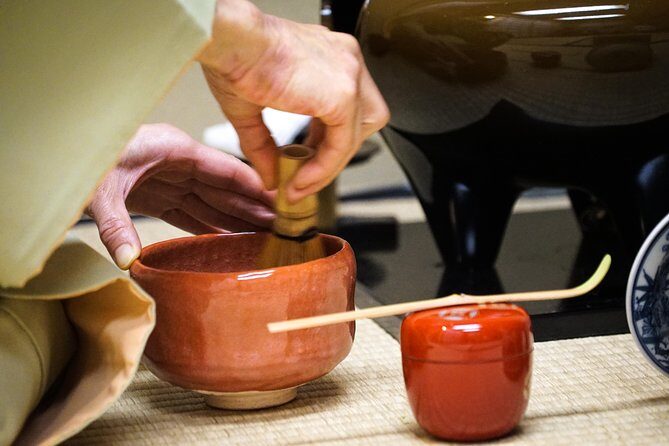
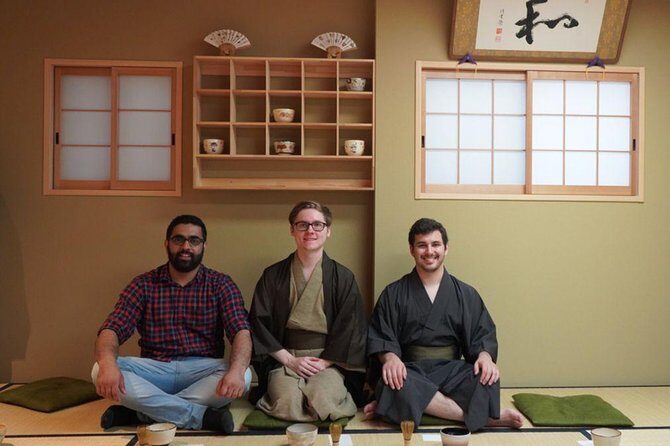
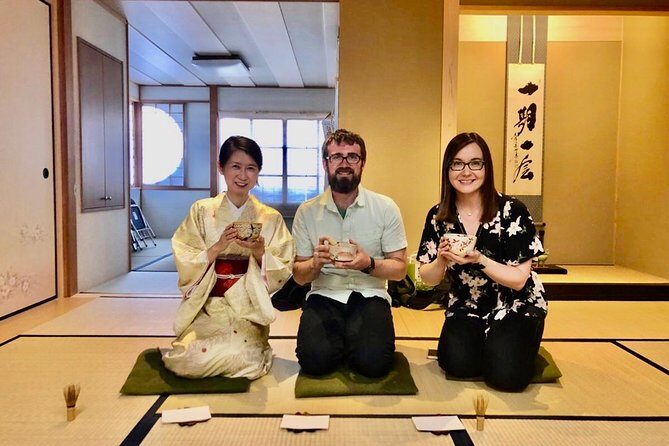
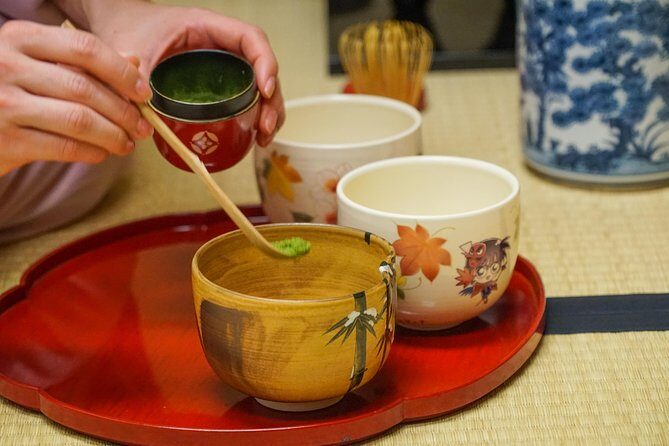
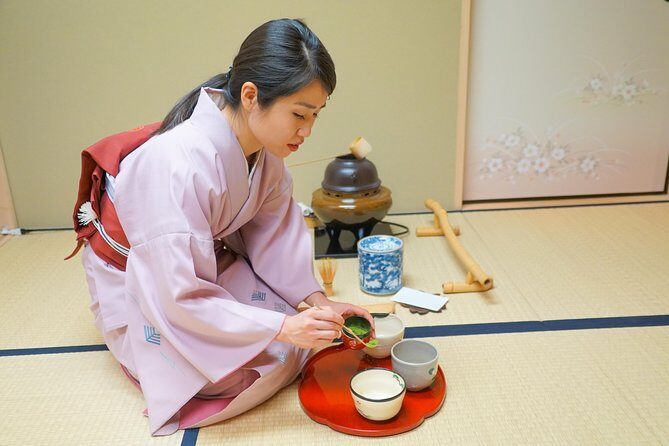
After temples come the quieter hands-on part: a traditional tea ceremony with Japanese sweets. You’ll sit in a more sophisticated room surrounded by tea utensils, including a bamboo tea whisk and unique tea bowls.
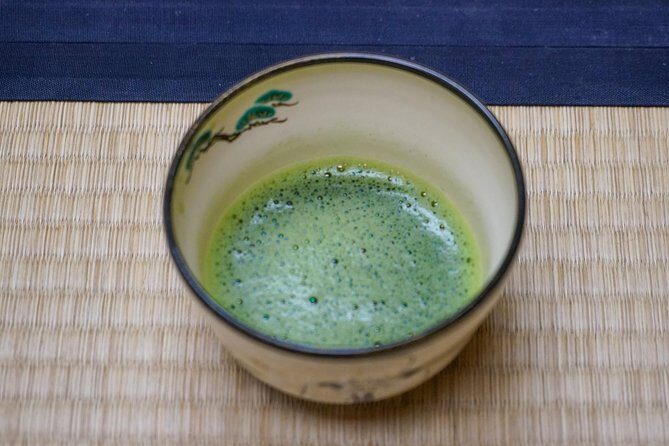
This is the portion I like most because it turns Kyoto culture into something you can do, not just something you watch. You learn some phrases and history tied to the tea ceremony, and you get the steps involved in making traditional matcha. Then you enjoy Japanese sweets and, most importantly, make your own green tea.
You don’t need to be a tea expert to get something out of this. The guide walks you through what you’re doing and what matters in the process—how the tools work, what matcha preparation is trying to achieve, and why the ritual structure is part of the meaning.
Timing can matter here. One concern that showed up in prior experiences is that a tea ceremony seat can be affected if the schedule runs tight or if there’s confusion about timing. So arrive at each transition point with a clear head, keep track of where the group is going next, and treat the tea ceremony as your anchor moment.

What the 3-hour format really means for your day
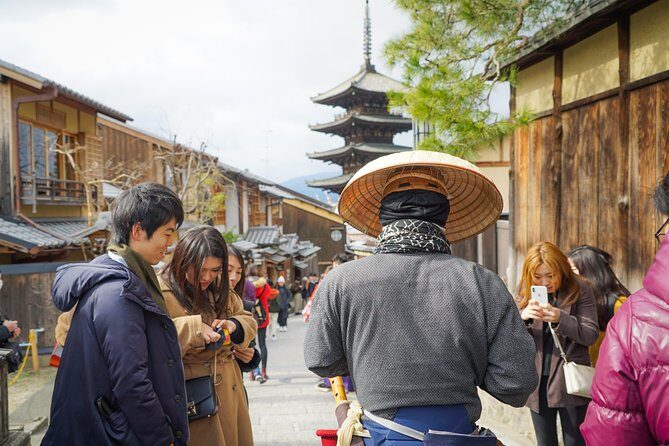
This is a 3-hour guided tour, and that time has to hold: a neighborhood walk, a colorful temple stop, Kiyomizu-dera with the Otowa Waterfall, and then the tea ceremony with matcha. That tight packing is good when you want a focused overview, and less good if you like lingering for long photo pauses.
You’ll also get photos during the tour. That’s handy because Kyoto has so many angles—temple stairs, street signage, overhead wish balls—that it can feel hard to grab a good shot without constantly asking strangers.
The group pace can feel brisk because it’s designed to hit everything. If you want deeper explanations about a specific theme—religion, tea traditions, or even what you’re seeing in the Gion streets—ask directly. A great guide will work with your curiosity, not just read a script.
Language is English, so you’ll get the key context without needing to hunt for translations on your phone.
Price and value: why $63 can be more than it looks
The price is $63 per person for a short, structured day that includes:
- Kiyomizu-dera entrance
- Tea ceremony experience
- A few samplings
- A local guide for 3 hours
- Photos during the tour
When you price those pieces out in your head, the value story becomes clearer. You’re paying not just for access, but for the order and guidance that help you understand what you’re seeing—plus the hands-on matcha activity that can be harder to organize alone.
The part that can reduce your perceived value is if you end up spending extra money anyway. Since extra food and drinks aren’t included, and you’ll likely want souvenirs, have a little buffer ready.
For the best value, go in with a simple mindset: treat it as a guided “Kyoto core” sampler—temple + street atmosphere + tea ritual—rather than a slow, choose-your-own-adventure wandering day.
Who this tour suits best (and who may want something else)
This tour fits you if you want a balanced taste of Kyoto in a limited window. It’s especially good if you’re into religious sites and also like learning skills you can repeat later—like making matcha.
It may be less ideal if you want long time inside Kiyomizu-dera to fully explore every corner, or if you want ultra-deep commentary on every street detail you pass through. For example, some people crave more context about the Gion area while walking it; this tour prioritizes temple and tea, so you’ll get street flavor without going line-by-line on history.
Also note the practical constraints you should know before booking:
- Children under 6 aren’t allowed
- Some locations in the route aren’t accessible by wheelchair or stroller
- It’s in English, guided by a local guide
- Summer can be hot and humid, so bring water and wear a hat
- The tour starts promptly, so plan your arrival carefully
Should you book Kyoto Tea Ceremony & Kiyomizu-dera?
I’d book this tour if you want the feel of Kyoto—streets, temples, and tea—without needing to plan every step. The combination is strong: Kiyomizu-dera gives you the big iconic payoff, Yasaka Koshin-do gives you the colorful, memorable detail, and the tea ceremony gives you a hands-on cultural moment that sticks.
Skip it or switch plans if you’re the type who needs lots of cushion time for crowds and lines, because the schedule includes the possibility of waiting at Otowa Waterfall and the experience runs on a clear timeline.
If you do book, do two things and you’ll likely love it:
- Start each segment ready to move, especially around the tea ceremony timing
- Bring cash for extras so you don’t feel stuck when the snack stops turn into full-on Kyoto souvenir temptation
FAQ
Where do I meet the guide for this tour?
Meet at the Yasaka Shrine Nishiromon Gate, in front of the statue. The guide will be holding a board that says MagicalTrip, and you should arrive about 10 minutes early.
How long is the Kyoto Tea Ceremony & Kiyomizu-dera Temple walking tour?
The tour lasts about 3 hours.
What’s included in the price?
Included are the Kiyomizu-dera Temple entrance fee, the tea ceremony experience, a few samplings, photos during the tour, and a local guide for the full 3-hour walk.
Is the tea ceremony hands-on?
Yes. You’ll experience a traditional tea ceremony, learn matcha steps, and make your own green tea, along with Japanese sweets.
Are children allowed on the tour?
Children under 6 years old are not allowed on this tour.
Is the route wheelchair or stroller accessible?
Some locations on the itinerary are not accessible by wheelchair or stroller.
Can the tour accommodate allergies or dietary restrictions?
The tour cannot guarantee allergy-free food or that it will meet dietary restrictions, since food is prepared in kitchens that don’t belong to the tour operator. If you have dietary requests or allergies, you should inform them at least one day before the tour.