Volcano steam and a memorial day, both covered. This private Nagasaki and Shimabara Peninsula day tour is built around real contrast: coastal viewpoints and historic neighborhoods, then the solemnity of Nagasaki Peace Park and the Atomic Bomb Museum. With a driver-guide and a route you can shape to your pace, you’re not stuck in a rigid bus schedule.
I love the flexibility of a true private setup for just your group, which makes it easier to slow down for photos and questions. I also love that lunch and drinks are handled for you, so you can spend your energy sightseeing instead of hunting for food. The main drawback: it’s a full day (about 7 to 9 hours), and you’ll want good weather since the tour is weather-dependent.
In This Review
- Key things that make this Nagasaki and Shimabara tour work
- How the private format changes your Nagasaki day
- Price and value for a group up to 3
- A 7–9 hour route that balances quick stops and slow, meaningful ones
- Meganebashi and the Fruits Bus Stop: start with beauty and local personality
- Isahaya Bay Dike Road: a straight stretch for views and breaks
- Shimabara Castle and Samurai Street canals: history you can walk through
- The Town of Swimming Carp: a practical stop with a surprising past
- Unzen volcano route: Volcano Damaged Houses and Unzen Jigoku steam
- Hot Foot 105 and the Obama Footbath: the hands-on highlight
- Nagasaki Peace Park and Atomic Bomb Museum: solemn, graphic, and not to rush
- Inasayama Observation Deck: close the day with Nagasaki City views
- What’s included (and what you should plan for)
- Who this Nagasaki and Shimabara Peninsula tour is best for
- Should you book this Nagasaki and Shimabara Peninsular sightseeing tour?
- FAQ
- How many people are in a group for this private Nagasaki and Shimabara tour?
- How long is the tour?
- Is pickup included?
- What’s included in the tour price besides transportation?
- Do I get admission included for any attractions?
- Is lunch and drinks actually included, and is it timed to the day?
- What kind of experiences are included around Unzen?
- Is there a view stop at the end?
- What happens if weather is poor?
- What’s the cancellation policy?
Key things that make this Nagasaki and Shimabara tour work
- Private group up to 3: easier pace control, less crowd pressure, and room for mobility needs
- Driver-guide Shannon Lefebvre: English communication and strong place-by-place explanations
- Lunch and drinks included: keeps the day moving, plus you can request alcoholic beverages in advance
- Unzen Hell to Hot Foot 105: a hands-on stop that turns the volcano theme into an experience
- Nagasaki Peace Park and Atomic Bomb Museum: included admission plus a sober, graphic-heavy presentation
How the private format changes your Nagasaki day
Nagasaki is one of those places where you want time to look closely. This tour’s private structure matters because the day mixes viewpoints, neighborhoods, and heavy history. When you’re in a group of three (max), you can ask follow-up questions, adjust timing around your energy level, and actually enjoy the small moments—like a scenic roadside stop or a calm break before stepping into a museum.
The driver-guide is Shannon Lefebvre, and that name comes up for a reason: the tour is guided with clear English and thoughtful context. For me, the big value is that you’re not just getting taken from point A to B. You’re getting a guided flow that explains why places matter, including the volcano sights in Unzen and the shift in perspective around the atomic bombing site.
One more practical point: pickup is offered, and the vehicle is air-conditioned with WiFi onboard. On a long day, that’s not fancy—it’s comfortable.
You can also read our reviews of more tours and experiences in Nagasaki.
Price and value for a group up to 3
The price is $656.88 per group (up to 3). That sounds steep if you’re comparing per-person rates, but it changes once you do the simple math.
- If you fill all three spots, you’re roughly at about $219 per person.
- If you’re two people, it’s about $328 per person.
- Solo pricing is the least cost-friendly.
So the value comes from sharing the group cost and using the flexibility you’re paying for. If you’re traveling with family, friends, or even a small multi-generation group, that private control is what you’re buying—plus lunch, drinks, and admission to a couple of major attractions. Most public tours don’t include that kind of direct “day management,” and that’s where the price starts to make sense.
A 7–9 hour route that balances quick stops and slow, meaningful ones
This is a full-day outing, typically 7 to 9 hours. That length is ideal for covering Nagasaki City plus the Shimabara Peninsula without rushing every stop. It also explains why the tour includes lunch “on the go”—your guide is using time efficiently so you’re not losing hours to detours for food.
The itinerary pacing also helps with the emotional rhythm. You get lighter, scenic stops early (bridges, bus-stop photo spots, road views). Then you move into Unzen’s steam-and-volcano theme. Only after that do you shift to Nagasaki’s memorial spaces and the Atomic Bomb Museum. That sequence may not be perfect for everyone’s mood, but it’s a practical way to structure a day that contains both awe and grief.
Meganebashi and the Fruits Bus Stop: start with beauty and local personality
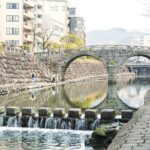
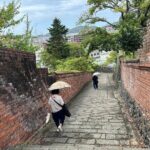
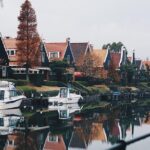
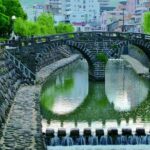
You start at Spectacles Bridge, also known as Meganebashi. This is the kind of stop that works as a warm-up: short time, great visuals, and a good sense of place right away. The name is a clue—this is a place designed to be photographed, and it’s a scenic tone-setter for the rest of the day.
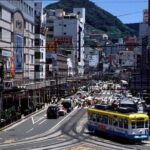
Then you hit the Fruits Bus Stop, a Nagasaki Prefecture character-style feature. This is brief, but it’s one of those small cultural touches that makes a route feel specific to the region instead of generic. It’s also a good “leg stretch” moment early on, before the day stacks more substantial history and nature.
These early stops are a smart strategy: if you’ve had travel fatigue, you get wins quickly. If you’re wide awake, you get to enjoy the scenery before the day turns more intense later.
Isahaya Bay Dike Road: a straight stretch for views and breaks
A key driving segment is the Isahaya Bay Dike Road. You’re not just passing through—you’re stopping to enjoy the straight-road scenery and to give everyone a needed bathroom and leg-break. That might sound minor, but on a long sightseeing day, it’s often the difference between enjoying the later segments or feeling drained by hour five.
This road stop also helps you appreciate the coast from the car without requiring extra hiking. If your day includes museum time and volcano steam, you’ll be glad you didn’t save every comfort-break for the end.

Shimabara Castle and Samurai Street canals: history you can walk through
Shimabara Castle is a highlight because it’s a real castle that operated for over 400 years and still remains today. The day gives you about 30 minutes here, and the timing works: long enough to see the structure and take in the dramatic presence when you approach, but not so long that you lose momentum for the rest of the peninsula.
Next comes Samurai Houses—often described around Samurai Street in Shimabara City. This stop feels more “lived-in” than museum-like. You’ll see stone walls and a spring-water canal running through the center of the area. That detail matters because it connects the neighborhood layout to daily water needs. It’s also an easy place to slow down and photograph without needing to pick a strenuous walking route.
If you like history but you don’t want the day to feel like a textbook, these two stops hit a good middle ground: visible structures, clear atmosphere, and room to wander for a short time.
The Town of Swimming Carp: a practical stop with a surprising past
The Town of Swimming Carp is built around carp streams kept for sightseeing and aesthetic reasons. That’s the surface-level reason—and it’s honestly a fun visual. But the deeper value is the story you’re pointed to: in past times, especially during war and famine, carp was kept as an alternative food source.
This is the kind of stop that makes the region feel layered. You’re seeing something pretty, and you’re also understanding why it existed. It’s not a long stop, but it gives you something to think about when you move from scenic breaks into heavier history.
Unzen volcano route: Volcano Damaged Houses and Unzen Jigoku steam
As you head into the Unzen region, you stop at Michi-no-Eki Mizunashi Honjin. The main theme here is how volcanic activity shaped where people lived. You’ll see volcano-damaged house areas linked to the Unzen explosion and learn there have been several major eruptions historically, including a recent eruption period from 1990 to 1995. Pyroclastic flow is mentioned in the description, and it’s the kind of detail that makes the volcano story feel real, not just scenic.
Then comes Unzen Jigoku, also called Unzen Hell. This is where high-temperature hot springs and steams spurt from the ground, and the “hell” name is tied to the sulfur content and the constant rising sulfur steam. This is one of the most atmospheric stops on the tour. It’s also a place that can feel intense because the ground is doing something alive and energetic.
Practical advice: wear shoes you trust, because steam zones can mean slick surfaces around viewpoints and paths. Also, give yourself a moment to let the smell of sulfur register before you start taking photos. It’s part of the experience, but it helps to be mentally ready.
Hot Foot 105 and the Obama Footbath: the hands-on highlight
Hot Foot 105 is described as a highlight location, and the big draw is the Obama Footbath right at the water’s edge. Instead of just looking at volcano-related features, you can do something physical—so the theme becomes memorable in a different way than a viewpoint or a photo stop.
You’ll spend about 45 minutes here. That’s enough time to enjoy the footbath and still keep the day on track for Nagasaki’s memorial spaces. One of the most valuable parts of a guided tour like this is timing: you don’t want to rush a sensory experience like a footbath, but you also don’t want to arrive at the museum late or drained.
There’s also an extra cultural note that shows up in the tour’s story: during the footbath time, people have described interactions with Japanese junior high school students, turning the moment into something more human than touristy.
If you’re traveling with someone who loves photos, this is also one of the easiest places to get strong images without chasing perfect light for hours.
Nagasaki Peace Park and Atomic Bomb Museum: solemn, graphic, and not to rush
This is the emotional center of the day.
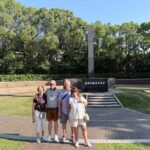
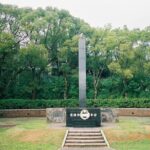
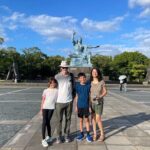
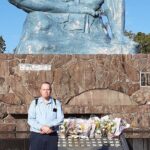
You first visit Nagasaki Peace Park. The context here is clear: the original target was Kokura, but cloud cover forced the mission to switch targets to Nagasaki. The description also notes that visibility was poor due to clouds, which is a key detail for understanding why the event unfolded as it did.
After that, you go to the Nagasaki Atomic Bomb Museum. Admission is included. The tone is explicitly sobering, and the exhibits are extremely graphic—stories, exhibits, and pictures are described as intense enough that people often react with tears. I’ll phrase this plainly: if you’re sensitive to graphic content, plan your mental pacing here. Take breaks if you need them. Don’t try to power through just because the tour schedule moves forward.
Because this stop is included in a private day tour, you’re not trapped behind a crowd flow in the same way you might be on a packed group bus. That’s an advantage when the material demands attention.
Inasayama Observation Deck: close the day with Nagasaki City views
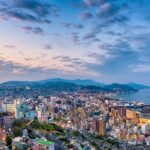
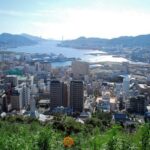
After the memorial and museum stops, you end with a calmer visual release at the Inasayama Observation Deck. This is on Mount Inasayama, a 333-meter mountain close to Nagasaki City center. The quick stop time—about 20 minutes—works well as a gentle reset.
You’ll appreciate this more if you’ve been in motion all day. Views from a height help you mentally reframe the day: volcano steam, historic neighborhoods, and memorial spaces all collapse into one bigger picture—Nagasaki as a living city, not just a list of important sites.
And since the day is private, you can spend a bit longer if you’re having a good moment at the viewpoint, without needing to sprint back to a large tour group.
What’s included (and what you should plan for)
This tour isn’t just a driver and a map.
Included:
- Lunch provided “on the go”
- WiFi on board
- All fees and taxes
- Alcoholic beverages (you indicate what you’d like before your tour date)
- Bottled water: still and sparkling available
- Air-conditioned vehicle
That set of inclusions makes the day feel smoother. You’re not constantly asking where to eat, and bottled water reduces the little stress that adds up over 8 hours.
A small but smart tip: decide on your drink preferences early. Since alcohol is included and you’ll be asked what you want in advance, having that settled avoids last-minute hesitation.
Who this Nagasaki and Shimabara Peninsula tour is best for
This fits best if you want:
- A private day with flexibility for pace and questions
- A mix of scenic stops and the hard-hitting Nagasaki memorial sites
- An active theme day that includes Unzen’s steam/volcano areas and a footbath experience
It’s especially appealing for small groups—couples, friends, or families up to three—because the per-group pricing works when you share. The private format can also help when someone in your group has mobility limitations; the tour’s driver-guide approach is described as able to accommodate those needs while still keeping a younger child engaged.
If you only want museums and hate long driving segments, you might find parts of the day are more scenic and roadside than you expect. But if you like a full-day sweep with meaningful structure, this is a strong match.
Should you book this Nagasaki and Shimabara Peninsular sightseeing tour?
If you’re planning a Nagasaki trip and you want both sides of the story—beauty on the peninsula and the memorial weight of Peace Park and the Atomic Bomb Museum—this private tour is a practical way to do it without guessing where to stop and when to move.
Book it if:
- You’ll benefit from a small group and a guide who can adjust pace
- You want lunch and drinks handled
- You’re open to the Atomic Bomb Museum’s graphic exhibits and want them guided with care
Skip it or rethink if:
- You dislike long days (7 to 9 hours)
- You’re very sensitive to graphic museum content
- You’re traveling during a time when weather reliability is a concern
Overall, the best reason to choose it is simple: the day is designed as a real route, not just a list of attractions, with Shannon Lefebvre’s guidance and comfort details keeping the experience moving.
FAQ
How many people are in a group for this private Nagasaki and Shimabara tour?
It’s a private tour/activity, and the group size is up to 3 people.
How long is the tour?
The duration is about 7 to 9 hours.
Is pickup included?
Yes, pickup is offered.
What’s included in the tour price besides transportation?
The tour includes WiFi on board, all fees and taxes, lunch, alcoholic beverages (with beverage choices provided before the tour date), bottled water (still and sparkling), and an air-conditioned vehicle.
Do I get admission included for any attractions?
Yes. Admission is included for Shimabara Castle and the Nagasaki Atomic Bomb Museum. Many other stops list free admission.
Is lunch and drinks actually included, and is it timed to the day?
Lunch is provided on the go to maximize the day’s attractions. Bottled water is available throughout, and alcoholic beverages are included if you indicate what you’d like before the tour date.
What kind of experiences are included around Unzen?
You’ll visit Unzen Hell (Unzen Jigoku), where high-temperature hot springs and sulfur steam rise from the ground. You also get time at Hot Foot 105 for the Obama Footbath experience.
Is there a view stop at the end?
Yes, there’s an Inasayama Observation Deck stop, with admission listed as free.
What happens if weather is poor?
This experience requires good weather. If it’s canceled due to poor weather, you’ll be offered a different date or a full refund.
What’s the cancellation policy?
This experience is non-refundable and cannot be changed for any reason. If you cancel or ask for an amendment, the amount you paid will not be refunded.