REVIEW · NAGASAKI
Best of Nagasaki with Japanese Tea Ceremony 4 hours Car Tour
Book on Viator →Operated by Nagasaki Private Tours · Bookable on Viator
Four hours in Nagasaki, with real meaning. This half-day city tour strings together the big emotional sites with a hands-on Japanese tea ceremony, so you get both context and calm—without long walks. I like that the Peace Park + Hypocenter Park stops are paced for reflection, and I also love the cultural contrast of matcha tea in Shindaikumachi.
One thing to keep in mind: the atomic bomb sites are heavy. The tour moves efficiently, which is great for timing, but you may want a little extra mental space to absorb what you’re seeing.
In This Review
- Key highlights you’ll feel fast
- A smart way to do Nagasaki when you’re short on time
- Peace Park and Hypocenter Park: memorials that need your full attention
- Atomic Bomb Museum: what fits in 30 minutes (and what doesn’t)
- Shindaikumachi tea ceremony: a calm pause with real cultural meaning
- Oura Church and the harbor-hill views from Glover Garden
- Price and value: what you’re really paying for
- What your 4-hour day actually feels like
- Logistics that matter: tickets, pickup, and weather realities
- Who should book this (and who might skip it)
- Quick checklist to make your day easier
- Should you book the Best of Nagasaki with Japanese Tea Ceremony?
- FAQ
- How long is the Nagasaki tour with the Japanese tea ceremony?
- Where does the tour stop?
- Are entrance fees included?
- Is the Japanese tea ceremony included?
- Is pickup included?
- What kind of transportation is used during the tour?
- Are meals included?
- Is this a private tour or shared group?
- What is the cancellation policy?
Key highlights you’ll feel fast
- Four hours, cruise-friendly timing that helps you fit Nagasaki’s top sights into a short window.
- Air-conditioned car or taxi keeps the pace comfortable, especially if the weather shifts.
- Peace Park and Hypocenter Park give you both memorial atmosphere and the exact blast location.
- A 45-minute Japanese tea ceremony adds an everyday cultural moment of omotenashi right in the middle of sightseeing.
- Atomic Bomb Museum and Glover Garden admissions included, so you’re not scrambling for tickets.
- A private group means your schedule stays focused on your party, not a big bus crowd.
A smart way to do Nagasaki when you’re short on time
Nagasaki is one of those places where the order of sights matters. Early on, you want the context—what happened here, what people rebuilt afterward, and why the city remembers so carefully. This tour does that, then shifts gears to Christian heritage at Oura Church and the harbor views from Glover Garden.
What I like is how the itinerary is built for comfort. You’re in an air-conditioned vehicle, and stops are timed so you’re not stuck wandering in uncertainty. That matters if you’re arriving as part of a cruise schedule or you simply don’t want a full day of walking.
You also get the practical win: entrance fees and the tea ceremony are included. That means less cash juggling and fewer moments where you’re trying to figure out where ticket counters are during a limited stop window.
You can also read our reviews of more tours and experiences in Nagasaki.
Peace Park and Hypocenter Park: memorials that need your full attention
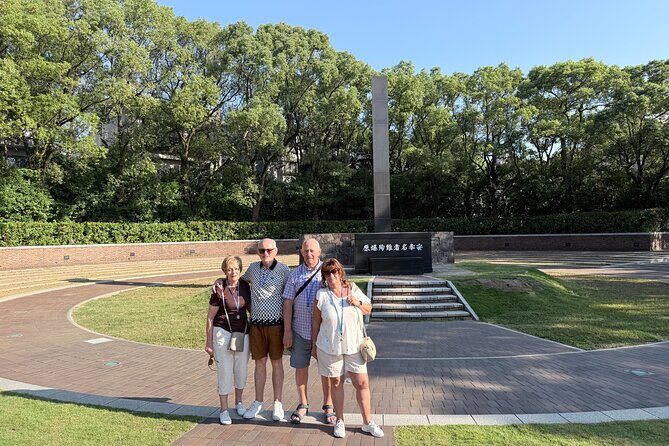
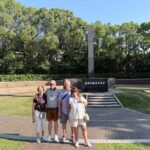
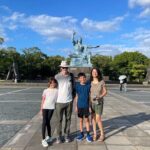
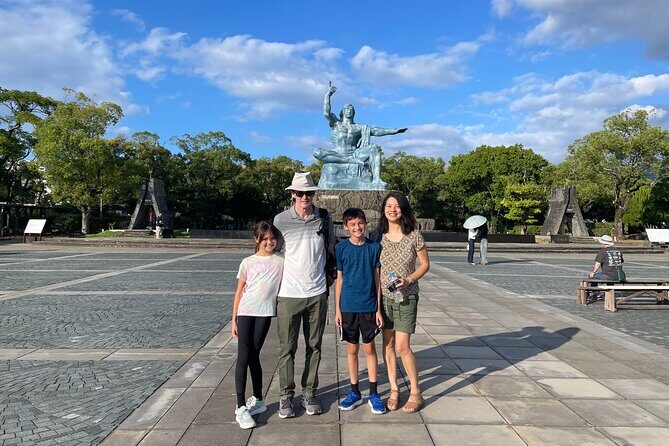
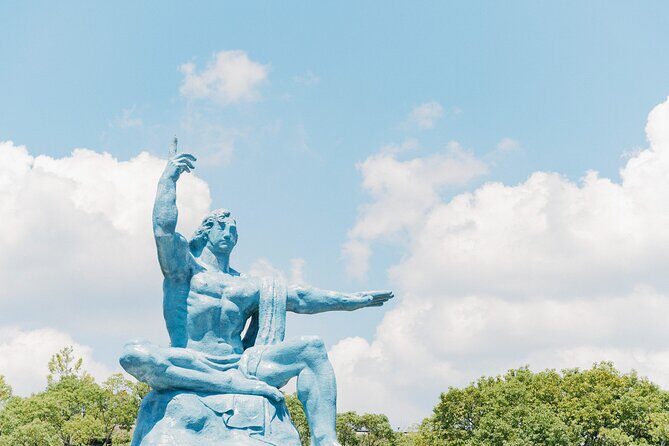
Stop 1 is Nagasaki Peace Park. You’ll walk among memorials and sculptures dedicated to victims of the atomic bomb, then pause at the Peace Statue. This isn’t sightseeing for scenery—it’s a respectful moment to take in symbolism and the city’s commitment to peace. The visit is about 20 minutes, which is enough to see what’s there without turning it into a rushed checklist.
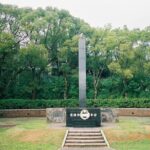
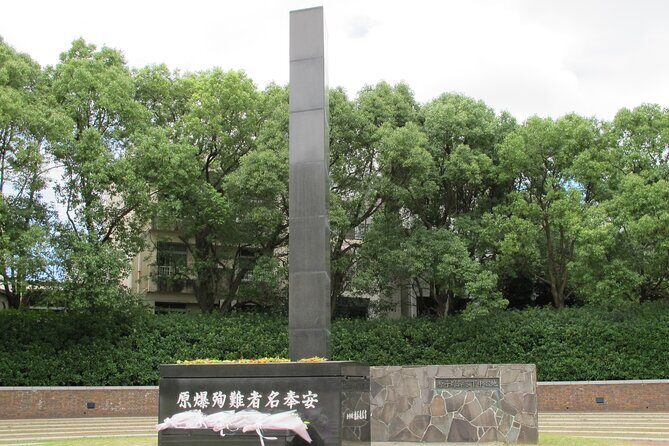
Stop 2 is Hypocenter Park, where you can see the exact location of the atomic bomb explosion in 1945. Again, you’re given about 20 minutes, and the focus is on walking the monument area and learning the impact on Nagasaki.
Possible drawback to plan for: if you’re the type who likes to read every sign slowly or sit with a thought before moving on, the time window can feel snug. The good news is the tour’s transport method helps you reset between stops. You’re not trudging from place to place; you’re being guided from one moment of reflection to the next.
Atomic Bomb Museum: what fits in 30 minutes (and what doesn’t)
Stop 3 is the Nagasaki Atomic Bomb Museum (about 30 minutes, with admission included). Here, you explore exhibits describing August 9, 1945, and the aftermath in the city. Expect photographs, artifacts, and personal stories that connect the event to real lives.
This is the stop where your expectations matter. In half an hour, you won’t read every item thoroughly. So approach it like a priority pass: decide what theme you want most—day-of events, survival stories, reconstruction, or the human scale of the tragedy. With a guide providing clear explanations in English, the museum can feel much more coherent in the time you have.
If you’re sensitive to intense material, give yourself permission to move slower at the moments that hit hardest. You may also want to plan quiet time afterward, because it’s emotionally different from the lighter sightseeing stops.
Shindaikumachi tea ceremony: a calm pause with real cultural meaning
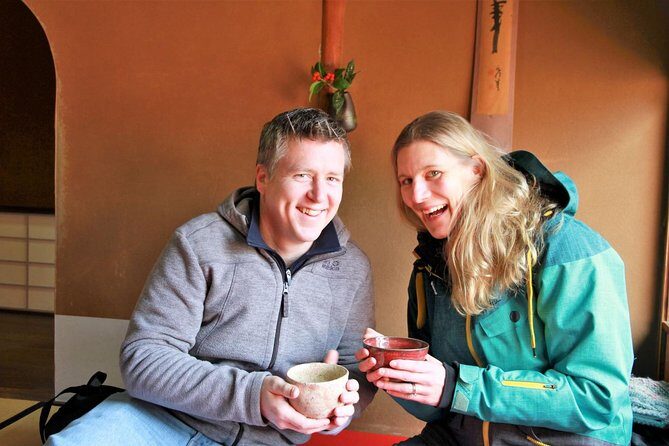
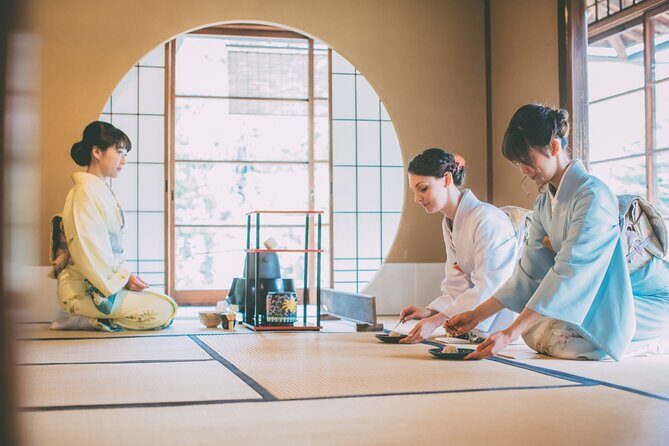
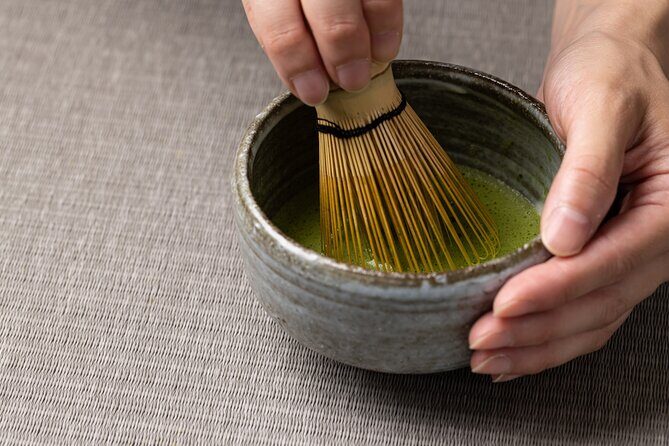
Stop 4 is Shindaikumachi, and this is where the tour becomes genuinely different from a standard bus-and-brochure plan. You get about 45 minutes for a Japanese tea ceremony, with a focus on hospitality—omotenashi.
Even in a short tour slot, this isn’t just a performance. You watch your host prepare matcha with care and precision, and the point is to see how attention to small actions becomes a form of welcome. For me, this is the most effective “reset button” on the itinerary. After the museum and memorial sites, the tea ceremony gives your mind a gentle rhythm again.
A practical note: tea ceremonies are time-specific experiences. Wear comfortable clothes for sitting and focus on being present rather than trying to multitask with photos. If you like cultural activities that explain the why behind the ritual, this section is a highlight.
Oura Church and the harbor-hill views from Glover Garden
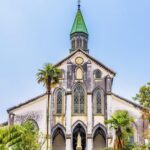
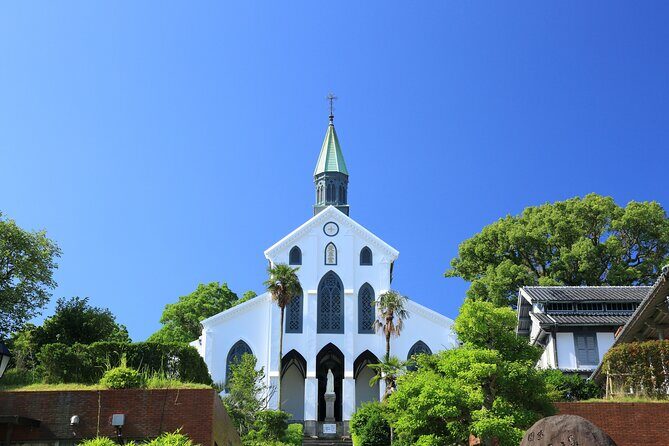
After Shindaikumachi, you visit Oura Church, described as Japan’s oldest Christian church and a UNESCO World Heritage Site. This stop is a meaningful contrast to the memorial sites. Instead of focusing on remembrance of a specific disaster, you’re seeing how Christianity took root in Nagasaki and how the city’s cultural layers overlap.
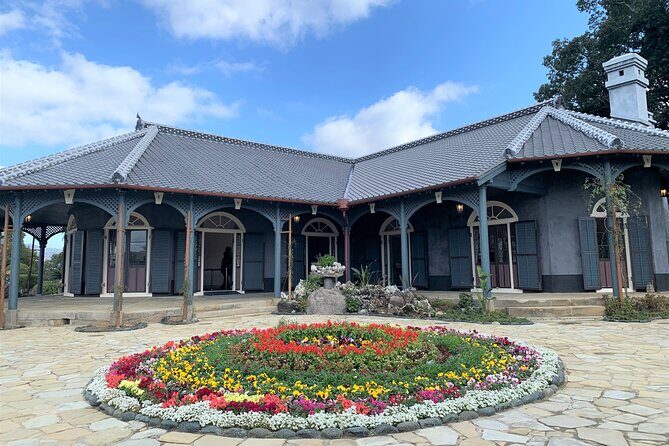
The tour then moves to Glover Garden (about 30 minutes, with admission included). Glover Garden is known for Western-style residences from the 19th century on a hillside with overlooks of Nagasaki Harbor. The view does a lot of emotional work here: it lets you see the city’s shape and geography, and it helps explain why Nagasaki developed with so much international influence.
If you’re photographing, this is a good stop for that—just remember you’ll have limited time. Aim to get one or two broad harbor shots, then spend the rest of the time walking the garden areas you find most interesting.


Price and value: what you’re really paying for
The tour costs $221.12 per person for about 4 hours. At first glance, that can look steep compared to DIY travel. But when you break down what’s included, it starts to make more sense.
You’re paying for:
- Private transportation (air-conditioned car or taxi, depending on vehicle availability)
- Admission fees where tickets apply (Atomic Bomb Museum and Glover Garden are included; Peace Park and Hypocenter Park are free)
- The Japanese tea ceremony (included)
- A private group experience, meaning your timing stays focused on your party rather than a fixed big-group circuit
If you’re traveling with someone else, group discounts may apply, which improves value. And if you’re on a cruise schedule, the “cost” of getting the timing wrong is high—missing a timed tea ceremony or spending extra time in transit. This tour reduces that risk.
You’re also not paying for meals or souvenirs (not included), so budget for at least a snack drink plan nearby if your stomach runs fast.
What your 4-hour day actually feels like
The flow is deliberate. You start with the memorial sites (Peace Park, then Hypocenter Park), move into the museum for depth, take a cultural breath with tea in Shindaikumachi, then round out with Oura Church and Glover Garden for heritage and views.
That “serious-to-calm-to-sight” rhythm is a strength. Many half-day tours cram too much into the middle, leaving you emotionally or physically flattened by the end. Here, the tea ceremony helps reset the mood before you tackle the remaining sightseeing.
It’s also worth noting the tour is private, meaning only your group participates. And you’ll likely appreciate that the stops are spread enough to avoid feeling like you’re sprinting from point to point.
Logistics that matter: tickets, pickup, and weather realities
Pickup is offered, and the tour is marked as near public transportation, which is helpful if your hotel location isn’t right by the main rail hubs. You’ll also receive a mobile ticket, which cuts down on paper hassle.
Weather is a real factor in Japan. This tour specifically avoids the fatigue of long walking routes and uses a vehicle for movement, so you’re less exposed if clouds roll in or it starts to rain later in the day.
One more practical detail: the tour notes that transportation may be by private car or taxi, depending on vehicle availability. Either way, the goal is the same—get you comfortably between stops within the time box.
Who should book this (and who might skip it)
This tour fits best if you:
- Have only half a day in Nagasaki (especially cruise visitors)
- Want the major sights without committing to a long walk-heavy day
- Appreciate a balanced mix of memory, culture, and city views
- Like guided explanations in clear English—guides such as Akihiro and Moeurn, and also Hiro and Vichka, are mentioned for being friendly and attentive, which helps the emotional stops land with context instead of confusion
You might skip it if you:
- Want a very slow, deeply self-paced museum day (30 minutes may feel brief)
- Prefer to travel without scheduled cultural activities like a tea ceremony
Quick checklist to make your day easier
Bring:
- Comfortable shoes for walking inside the parks and garden areas
- A layer for indoor/outdoor temperature shifts (Japan can flip quickly)
- Your patience for the emotional nature of the memorial sites
At the tea ceremony:
- Be ready to sit and watch rather than treat it like a quick photo stop
- Plan to listen—this is where the meaning of omotenashi is explained through action
In the museum:
- Choose one or two themes you care about so you can feel satisfied in the time you have
Should you book the Best of Nagasaki with Japanese Tea Ceremony?
Yes—if you want a smart, structured way to see Nagasaki’s essential highlights in 4 hours, with a tea ceremony that adds genuine Japanese cultural texture. The value improves when you factor in the included admissions, private transport, and the fact that the itinerary is designed to avoid wasted time.
If you’re the kind of visitor who needs more time to read every exhibit or linger for long reflection, consider adding extra independent time elsewhere in town. But as a “get the most meaning per hour” plan, this is a strong choice.
FAQ
How long is the Nagasaki tour with the Japanese tea ceremony?
It’s about 4 hours.
Where does the tour stop?
It includes Nagasaki Peace Park, Hypocenter Park, Nagasaki Atomic Bomb Museum, Shindaikumachi for the tea ceremony, Oura Church, and Glover Garden.
Are entrance fees included?
Entrance fees are included where tickets apply. Nagasaki Peace Park and Hypocenter Park are free, and the Atomic Bomb Museum and Glover Garden admissions are included.
Is the Japanese tea ceremony included?
Yes. The tour includes the Japanese tea ceremony (about 45 minutes).
Is pickup included?
Pickup is offered.
What kind of transportation is used during the tour?
You’ll travel in an air-conditioned vehicle, and transportation may be by private car or taxi depending on availability.
Are meals included?
No. Meals are not included.
Is this a private tour or shared group?
It’s private. Only your group participates.
What is the cancellation policy?
Free cancellation is available up to 24 hours in advance for a full refund.