REVIEW · NAGASAKI
Gunkanjima Digital Museum Attraction Ticket
Book on Viator →Operated by GUNKANJIMA DIGITAL MUSEUM · Bookable on Viator
Gunkanjima, without the island gamble. This digital museum in Nagasaki lets you study the former coal-mining island through realistic recreations and a guided presentation of the people who lived and worked there. I like how the audio-visual exhibits feel detailed and how the free English audio guide helps you follow along without getting lost in Japanese.
My other favorite part is the way the museum shows you the island’s buildings and interiors that you typically can’t access in person. The one real consideration: a museum ticket won’t replace the real island visit, and much of the content is primarily in Japanese, so you’ll want to use the English audio sections if language is a concern.
In This Review
- Key Things to Know Before You Go
- Why the Gunkanjima Digital Museum Fits Nagasaki So Well
- Price and Value: Is $13.20 Worth It?
- Timing The 24-Hour Ticket Window in Real-Life Travel
- What You’ll See Inside the Museum (It’s More Than a Screen Room)
- The One-Stop Itinerary: How to Plan Your Museum Hour(s)
- Language Reality: Japanese Content, English Help, and How to Use It
- “Replica” Isn’t a Downside If It Teaches You Something
- Practical Tips That Improve Your Visit
- Who This Ticket Is Best For
- Should You Book the Gunkanjima Digital Museum Ticket?
- FAQ
- Where is the Gunkanjima Digital Museum?
- How much does the Gunkanjima Digital Museum attraction ticket cost?
- How long should I plan for the visit?
- Are the museum tickets timed, or can I choose when to enter?
- What are the opening hours?
- Is the ticket a paper ticket?
- Is the museum experience only in Japanese?
- Do I get entry included with this ticket?
- Is this experience refundable?
- How will I access the museum from the city?
Key Things to Know Before You Go
- 24-hour validity: your ticket works for a full day, and you choose your entry time
- Free English audio guide: offered in sections across multiple floors
- Recreated island + model: you get a clear sense of what the mining settlement looked like
- Life-and-work focus: the exhibits are about the people and conditions, not just buildings
- Inside old buildings: you can see areas that aren’t reachable on the island itself
- Works as prep or a solo plan: ideal if island access is uncertain
Why the Gunkanjima Digital Museum Fits Nagasaki So Well
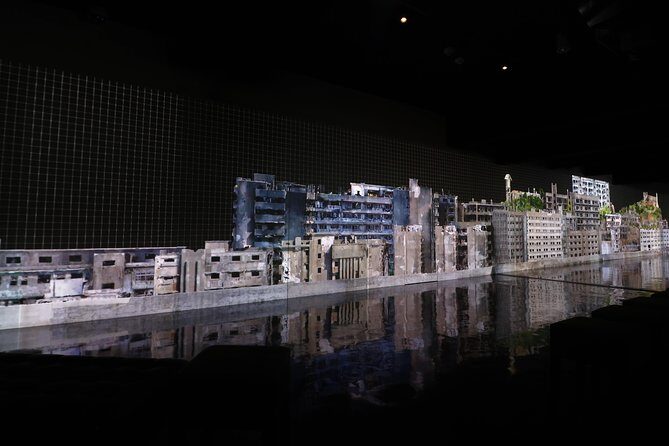
Gunkanjima is one of those places that sits on the edge of your itinerary. You might want to go, but you also know conditions and schedules can make it tricky. This museum is built for that reality. You don’t have to treat it like a consolation prize. You can treat it like a strong pre-lesson—or a satisfying standalone history stop if the island day doesn’t happen.
What makes the experience click is the museum’s purpose. It doesn’t just show images. It recreates the island’s mining-era world and connects it to the workers and their living conditions. When you later read, watch, or hear about Gunkanjima’s coal-mining period, you’ll already have a mental map. That’s the kind of understanding that pays off fast.
And if you’re thinking about comfort, this is also an easy win. You avoid the uncertainty of getting to the island and the discomfort some travelers associate with island travel. Even if you do manage to visit Gunkanjima in person, a short museum visit beforehand can help you recognize what you’re seeing.
You can also read our reviews of more tours and experiences in Nagasaki.


Price and Value: Is $13.20 Worth It?
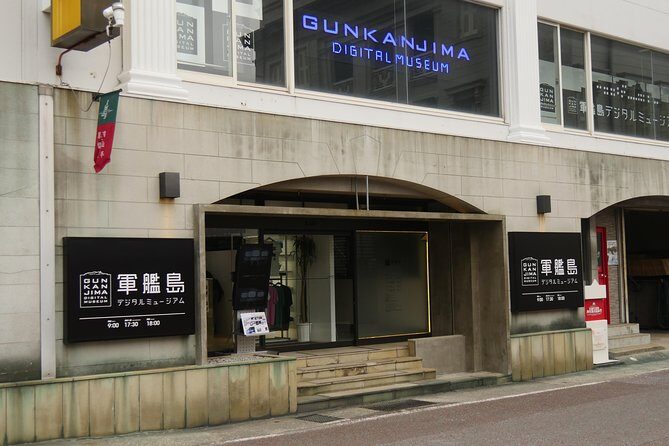
At about $13.20 per person, this ticket is priced like a practical add-on. It’s not cheap enough to ignore, but it’s also not a huge spend in a Nagasaki day. The key question is value: what are you buying besides “a museum”?
You’re buying clarity. The exhibits are structured, and the museum uses multiple formats, including a theater-style presentation, videos, and a scale model of the island. One of the biggest values here is access to spaces. You can see the insides of old buildings that aren’t accessible during an island visit. That alone can turn the museum into something more than a stopgap.
Also, the museum gives you tools to understand the story. There’s a free English audio guide available, with content broken into sections across the floors. That matters because a lot of Japan’s public history spaces run mostly in Japanese. Here, you’re not forced to guess what you’re looking at.
So yes, it can be worth it. But you should go in with the right expectation: it’s a digital museum, not the island. If you’re only interested in standing on the actual site, you may feel disappointed. If you want context, the ticket makes sense.
Timing The 24-Hour Ticket Window in Real-Life Travel
Your ticket is valid for 24 hours, and you can pick when you go. That’s a gift on a trip like this, because Nagasaki schedules can shift. One day you might be faster than expected; another day you might take longer around town. A 24-hour window means you can build the museum around your day instead of building your day around the museum.
Opening hours run from 9:00 AM to 5:00 PM, Monday through Sunday, for the period listed. In practical terms, plan to arrive with enough time to actually move through the exhibits at a relaxed pace. If you arrive right at closing, you’ll miss the benefit of the audio guide and the multi-floor structure.
Also, your ticket is a paper ticket. That’s usually simple, but it means you should keep it clean and accessible. Don’t stuff it at the bottom of a bag where it turns into a crumpled mystery.
If you’re connecting this to an island tour, think strategically. A museum visit can help you understand what you’ll be seeing later. If island access doesn’t happen, you still get a complete experience here.
What You’ll See Inside the Museum (It’s More Than a Screen Room)
The museum is housed in its own building, and the layout is designed to move you through the story step by step. One thing that stood out in feedback is that the exhibits don’t feel like random digital panels. The experience is presented across floors with a clear flow, including videos, a model of the island, and a theater element.
Across the three floors, you’ll find the content broken into parts, and the English audio guide is also separated into sections. That structure helps you avoid the most common museum frustration: standing in front of a display and realizing you have no idea what you’re looking at.
The exhibits include an island model, and there are interviews or video segments focusing on former residents and life on the island. In other words, you’re not just learning about coal and machinery. You’re learning about people. That shift makes the history feel more human and more grounded.
And this is where the museum earns extra points for travelers who can’t—or don’t want to—get to the island. It includes recreations and views of the interiors of older buildings. On the island, access can be limited. Here, you can see inside and connect that interior space to what you already learned about the island’s layout.
The One-Stop Itinerary: How to Plan Your Museum Hour(s)
This ticket is straightforward: you go to Gunkanjima Digital Museum and admission is included. There’s no separate tour guide activity listed, which means you’re mostly on your own schedule inside the building. That flexibility is good if you like to read, pause, and replay what you don’t want to rush.
A smart way to use your time is to treat your visit like a setup for comprehension, not like a checklist. Start with the presentation areas first. Then move to the model and the rooms that explain building layouts and everyday life. Finally, spend time with anything you’ll reference later for an island trip.
If you’re heading to the island, think of this as your orientation session. You’ll pick up names of places, better understand the mining settlement’s density, and grasp why working conditions were so intense. The museum makes those details easier to recognize during any later island visit.
If the island visit doesn’t happen, you can still leave feeling like you got a complete story. The museum’s goal is to give you the island’s history through recreations and explanation, and the English audio sections help you keep momentum even if you can’t read everything.
You can also read our reviews of more museum experiences in Nagasaki

Language Reality: Japanese Content, English Help, and How to Use It
A practical truth: many parts of the museum are in Japanese. Some of the content is also supported by English audio. That means you can still manage the experience, but you should plan your approach.
Here’s the approach I’d recommend:
- Use the English audio guide for the sections where the show or panels are Japanese-heavy
- When you see an area that looks like it’s explaining a specific building, use the audio to lock in what role that space had
- Don’t try to read everything on your first pass. Use audio to understand the story, then scan visuals for reinforcement
One helpful detail: there are specific booths on the first floor where English is available. If you’re short on time, those English-friendly stops can help you get oriented quickly. They’re also useful if you want a short, low-effort intro before committing to the full audio route.
The good news is that the museum is built with the English audio guide in mind. The bad news is that you should expect Japanese to still be part of the experience, especially in the main show elements.
“Replica” Isn’t a Downside If It Teaches You Something
Some people feel uneasy about digital or recreated content. They wonder if it’s lightweight. In this case, the recreations are exactly the point.
The island’s mining-era buildings are not meant to be experienced at full scale in everyday travel conditions. Some structures aren’t accessible. Some parts are hard to interpret on-site. The museum’s replicas and recreated interiors can fill those gaps. You’re not just looking at a model. You’re learning what was inside, what the spaces were like, and how the settlement worked as a system.
That learning has a real payoff. Even if you later visit the island, you’ll understand the context faster. You won’t just see concrete shells—you’ll see the functions and living realities behind them.
The museum also includes interviews and video segments, which can add emotional weight in a way that plain signage sometimes can’t. That human side is a big part of why this museum feels more than superficial.
Practical Tips That Improve Your Visit
A museum like this works best when you treat it with a little structure. You don’t need to overplan, but you do want to move with intention.
Use the audio guide early. Starting with the English audio helps your brain connect visuals to meaning. You’ll feel less like you’re walking through fog.
Allow time across floors. The museum content is spread out, and the audio guide is separated into parts across the levels. If you try to speed-run it, you’ll lose the benefit of that structure.
Pair it with the island only if you want the full story. If you’re on the fence about an island visit because access is uncertain, this museum gives you a clear history even without that step. If you are going to the island, this makes your island day more meaningful.
Keep it easy on your schedule. Since the ticket is valid for 24 hours, you can pick a time that fits your energy level. Don’t force it into a rushed morning if you’re tired.
Who This Ticket Is Best For
This is a strong fit for a few kinds of travelers.
If you’re the type who likes understanding context—why a place matters before you stand in front of it—this museum will click. The “people and conditions” focus is exactly the kind of history that makes an old site come alive.
It’s also good for travelers who might not get onto Gunkanjima in person. Access to the island is not something you can count on, and island travel can be uncomfortable for some. If that’s a concern for you, this museum is a safe way to still get the Gunkanjima story.
Finally, it suits anyone who wants a manageable, day-friendly plan in Nagasaki. You get a full museum experience without having to gamble your whole itinerary on a sea trip.
Should You Book the Gunkanjima Digital Museum Ticket?
Yes, I’d book it if you want history you can actually understand and remember. The ticket gives you a structured, multi-floor presentation, a free English audio guide, and access to recreated interiors and building spaces that are harder to get at on the island itself. At around $13.20, the value is solid if you use the audio and give yourself time to move through the floors.
I’d skip it only if your goal is strictly the real island experience with zero interest in recreations and explanations. A digital museum can’t replace the feeling of being on-site. But if you want context, comfort, and a clearer understanding of Gunkanjima’s Meiji coal-mining era, this ticket earns its place in your Nagasaki schedule.
If you’re trying to keep your day flexible, the 24-hour validity makes the choice even easier.
FAQ
Where is the Gunkanjima Digital Museum?
It’s in Nagasaki, Japan.
How much does the Gunkanjima Digital Museum attraction ticket cost?
The price is listed as $13.20 per person.
How long should I plan for the visit?
It’s listed as approximately 1 day.
Are the museum tickets timed, or can I choose when to enter?
Your ticket is valid for 24 hours, and you can choose when to go.
What are the opening hours?
For the listed period, it’s open Monday through Sunday from 9:00 AM to 5:00 PM.
Is the ticket a paper ticket?
Yes, the ticket is described as a paper ticket.
Is the museum experience only in Japanese?
The show and most explanations are in Japanese, but there is a free English audio guide provided.
Do I get entry included with this ticket?
Yes, admission is included.
Is this experience refundable?
No. It is non-refundable and cannot be changed for any reason.
How will I access the museum from the city?
It’s near public transportation.