REVIEW · TOKYO
From Tokyo: Kamakura and Enoshima Full-Day Private Trip
Book on GetYourGuide →Operated by TREKTIDE TRAVELS · Bookable on GetYourGuide
Bronze Buddha and sea views in one day. This private Kamakura and Enoshima trip from Tokyo strings together the big sights with an English-speaking guide, so your day runs on a simple rhythm instead of train transfers and guesswork.
I love how the itinerary hits three classic Kamakura anchors—Kōtoku-in’s Great Buddha, Hase-dera’s temple grounds with coastline views, and Hokokuji’s bamboo forest—in a way that feels structured but not chaotic. I also like that you get time to wander on your own in Kamakura’s shopping streets and on Enoshima Island.
One catch to plan for: lunch isn’t included, and several stops have admission fees. Also, pickup starts at 8:30AM in Tokyo’s 23 wards, and traffic may push you about 30 minutes later.
In This Review
- Quick hits
- Why Kamakura and Enoshima work so well from Tokyo
- Private tour format: vehicle, pace, and meeting time
- Kōtoku-in (Great Buddha): the anchor stop of the day
- Hase-dera Temple: gardens plus coastline views
- Hokokuji Bamboo Forest: walking for photos without the stress
- Tsurugaoka Hachimangu Shrine: easy pacing and nature all around
- Enoshima Island: shopping time and ocean viewpoints
- Lunch and snack strategy when lunch is not included
- Admission fees and the real value of $451 per group
- Practical tips: shoes, sun, and a smooth Kamakura day
- Who this tour suits best (and who should rethink it)
- Should you book this Kamakura and Enoshima private trip?
- FAQ
- How long is the Kamakura and Enoshima private trip from Tokyo?
- Where is pickup, and what time does it start?
- Which sites are included during the day?
- Is lunch included?
- Are there admission fees at the temples?
- What’s included in the price besides the guide?
- Is the tour accessible for wheelchair users?
- What’s the cancellation policy?
Quick hits
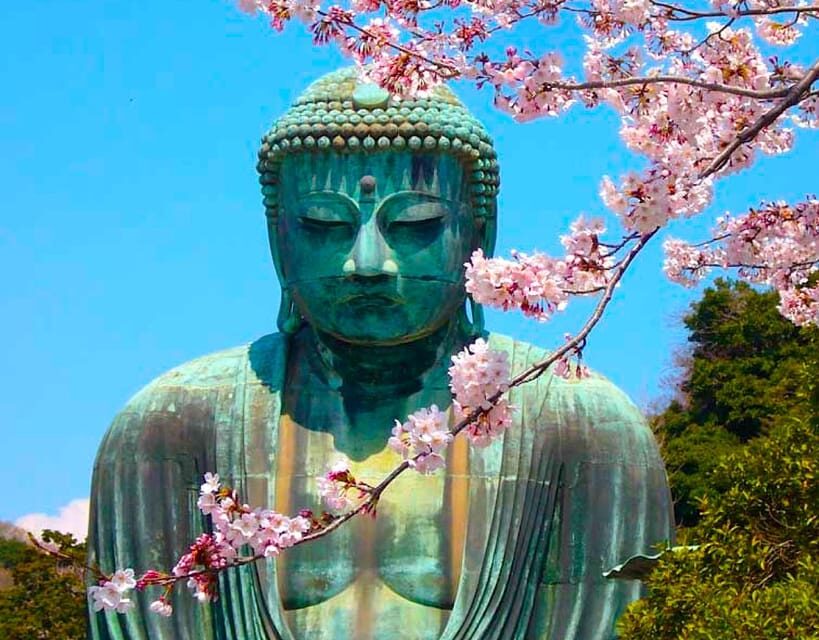
- Great Buddha at Kōtoku-in: the signature bronze statue you came for, with a guide to explain why it matters
- Hase-dera’s viewpoint angle: temple steps plus real views toward the coast
- Hokokuji bamboo forest: a walk that’s easy to enjoy even if you’re not chasing hikes
- Tsurugaoka Hachimangu: a short shrine stop with nature all around
- Enoshima time on the island: shopping and sightseeing without racing back immediately
- Private vehicle + hotel pickup: you skip the stress of getting everyone to the right stations
Why Kamakura and Enoshima work so well from Tokyo
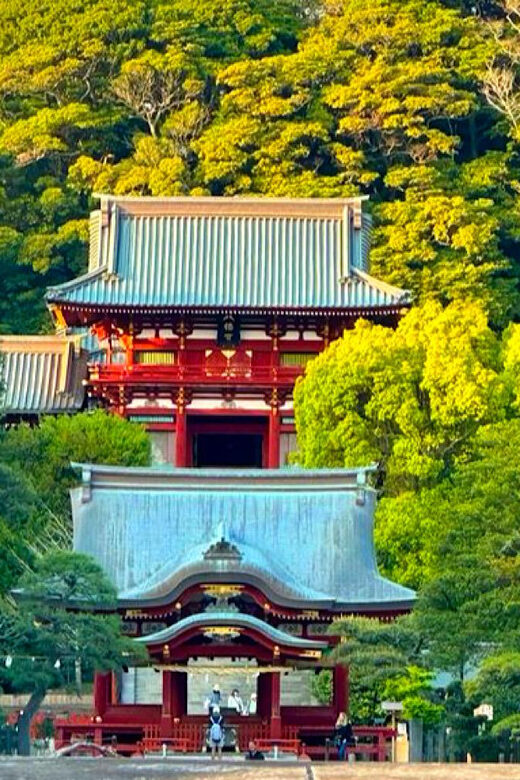
Kamakura and Enoshima are a rare combo: one side is old Japan—temples, shrines, and a very walkable town feel. The other side is sea air and shoreline views that change the whole mood of the day.
What you’re really buying here is convenience plus context. Without a plan, you can absolutely do Kamakura on your own, but you’ll spend more time figuring out routes, timing, and which stops to prioritize. With a private day trip, you can focus on the experience: seeing the big monuments, enjoying the slower temple moments, and then switching gears to the coastal island.
And because it’s private, your guide can shape the pace around your group. That matters on a 10-hour day.
You can also read our reviews of more private tours in Tokyo


Private tour format: vehicle, pace, and meeting time
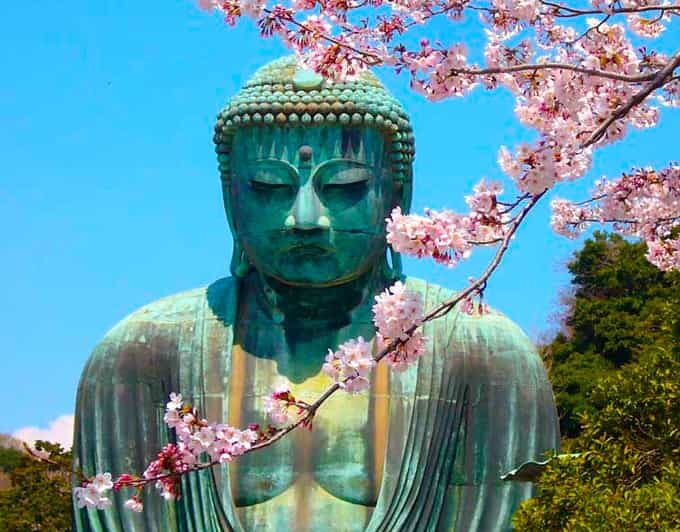
This is a true private group tour with air-conditioned transportation and hotel pickup and drop-off in Tokyo’s 23 wards. The pickup is listed at 8:30AM, and the operator notes that traffic can make you as much as about 30 minutes late getting started. Plan for that buffer.
Duration is 10 hours, which is enough time to see several top sites without turning the day into a nonstop sprint. In practice, that balance comes from how the day is laid out: a series of visits where each stop gets a focused chunk of time, then a longer block for Enoshima.
Also, you get an English-speaking guide and private transportation included. That combination is a big part of the value, especially if you don’t want to wrestle with train schedules while keeping your group together.
One more small but real point: wear comfortable shoes. The day involves walking temple grounds and strolling through town areas.
Kōtoku-in (Great Buddha): the anchor stop of the day
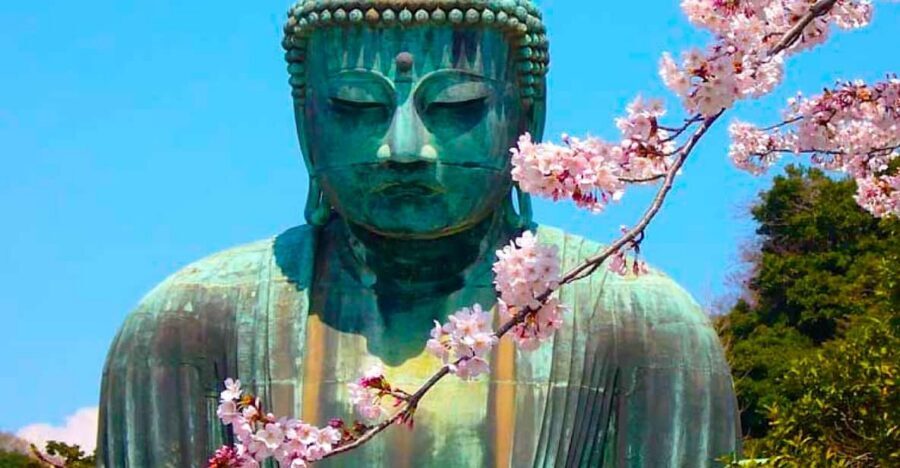
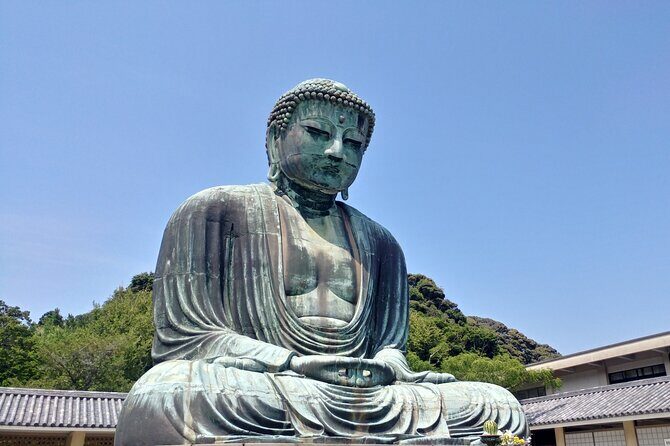
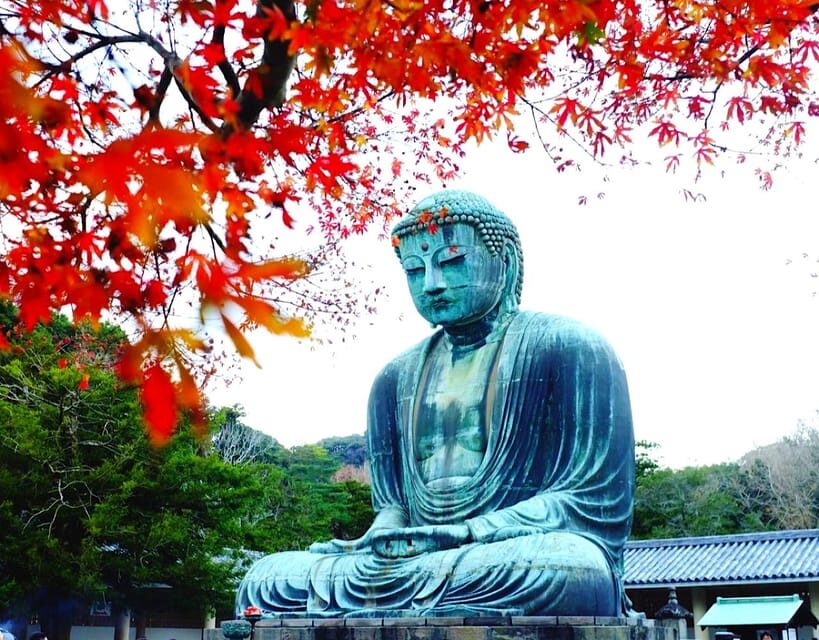
Kōtoku-in is the moment you’ll remember later, because it’s the Great Buddha—an enormous bronze statue that serves as Kamakura’s iconic symbol. You’ll spend about an hour here, which is a good length: long enough to take in the scale, observe the setting, and get the story from your guide, without it chewing up the whole day.
What I like about making this the first major stop is energy. Early in the day, you’re more likely to enjoy the atmosphere calmly, and you don’t feel like you’re already behind schedule.
Why the guide matters at Kōtoku-in: the statue isn’t just a photo. You’ll get explanations that connect the Great Buddha to Kamakura’s cultural importance and the way Buddhism took root in the region. That turns a landmark into something you actually understand.
Possible drawback: the admission fee at this stop isn’t included, so you’ll want to budget extra cash/card for entry. The tour notes a 300¥ fee for Kotoku-in.
Hase-dera Temple: gardens plus coastline views
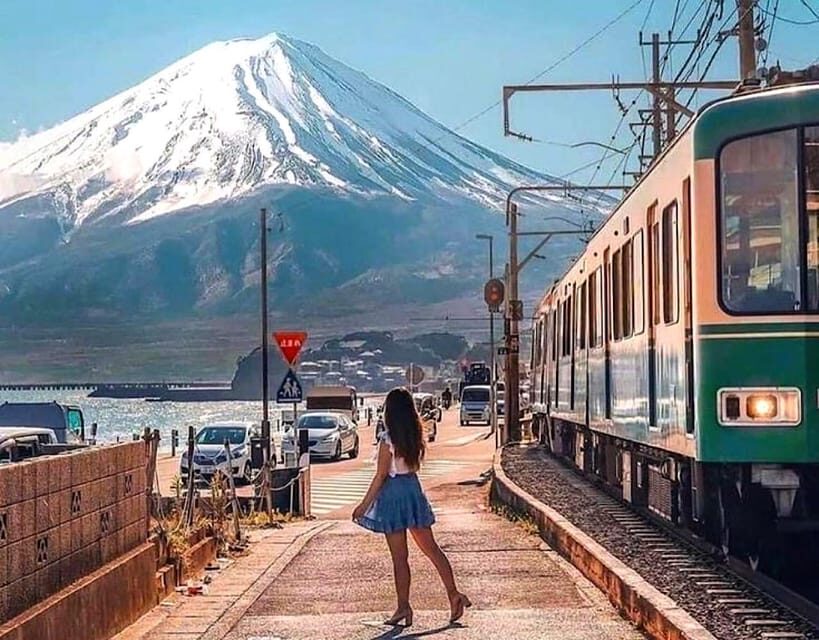
After Kōtoku-in, the route moves to Hase-dera Temple for another about 1 hour. This stop is for people who like temples but also like views. Hase-dera is known for its gardens and for the way the terrain opens up toward the coastline.
Even if you don’t consider yourself a temple person, the combination helps. You’re not only standing in a quiet place of worship—you’re also moving through grounds where the scenery shifts as you go. Your guide can point out what to look for so you don’t spend all your time scanning for the next photo spot.
A practical note: this stop also has an admission fee. The tour lists 400¥ for Hase-dera. Plan for it so you don’t get stuck at the ticket gate with nobody in the group ready.
Hokokuji Bamboo Forest: walking for photos without the stress
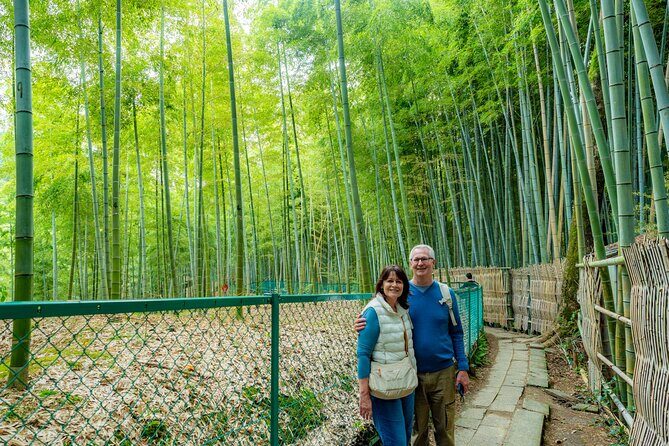
Next up is Hokokuji Bamboo Forest. Expect about 1 hour here. If you’ve seen photos online, you know what to expect—tall bamboo, the classic narrow paths, and that soft light that makes pictures look almost too perfect.
What you might not get from photos is the simple reality of how it feels in person: it’s a short walk with a mood. It cools the day down, visually and emotionally. This is a great mid-tour stop because it isn’t tiring like a long hike, but it still feels like a “special place,” not just another landmark.
Your guide can help you time your stroll for a better flow, and you can use the time to slow down. If your group includes kids, this is often a hit because it’s easy to enjoy immediately: trees, shadows, and walking that doesn’t demand stamina.
This is another spot with an entry fee (the tour lists a fee for Hokokuji Temple, but the exact amount is written in a way that looks inconsistent). I’d treat it as paid entry and bring small cash just to be safe.
A few more Tokyo tours and experiences worth a look

Tsurugaoka Hachimangu Shrine: easy pacing and nature all around
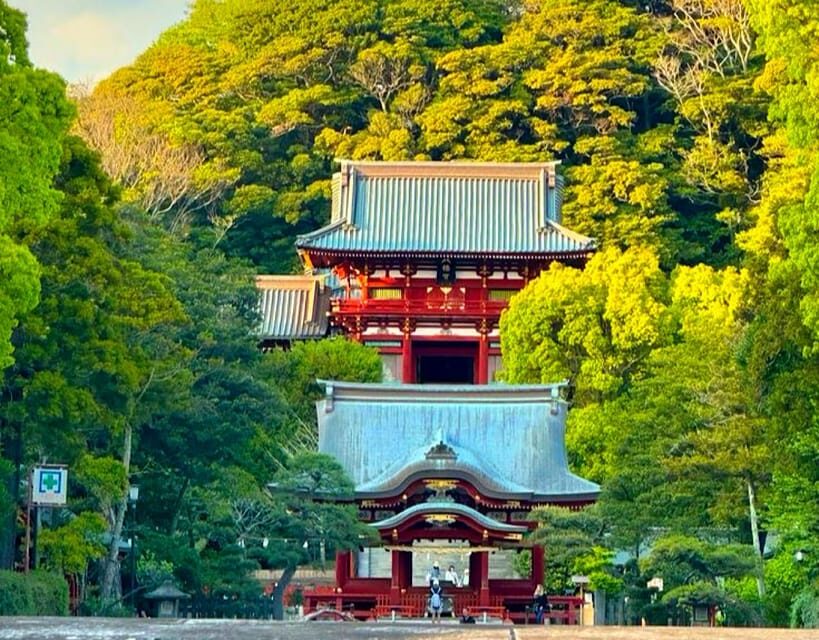
Tsurugaoka Hachimangu is next, with about 30 minutes allocated. That shorter time can actually be an advantage. You get the essentials—shrine grounds, a sense of the place, and some calm walking—without eating up your whole afternoon.
This shrine is described as being surrounded by beautiful nature, which is a big part of the appeal. It doesn’t feel like a monument isolated from everything else. The setting makes it feel more like a full experience rather than a quick “check the box and leave.”
If you’re the type who likes to pause and read signs, 30 minutes may feel just right. If you tend to linger a lot, you can use the guide’s timing advice. It’s a private tour, so you can sometimes adjust—just stay realistic because the day continues on to Enoshima.
Enoshima Island: shopping time and ocean viewpoints
Then comes the real shift: Enoshima. You’ll spend about 2 hours for sightseeing, shopping, and enjoying the island’s coastal vibe.
Enoshima tends to work well in a private setup because it mixes viewpoints with browsing. You can handle it one part at a time: take in the views, then wander for snacks or small souvenirs, then come back to the main areas to reorient.
The guide’s role here is more than routing. They can point you toward scenic spots and also help with practical decisions like where to spend your time. In past groups, guides have helped visitors navigate Enoshima’s scenic areas and suggested food options, which makes the island feel less like a checklist and more like a day out.
If you’re traveling with kids, the island time is often the most fun because it’s less formal than temples and more about casual exploration. In one example, a 9-year-old reportedly stayed engaged, especially on Enoshima.
Lunch and snack strategy when lunch is not included
Lunch is explicitly not included, which is common on private tours. The upside is flexibility—you can eat something that fits your group’s preferences and dietary needs.
The tricky part is timing. The best move is to use your guide’s recommendation on where to eat nearby when the day naturally opens up. The tour includes a stop that’s described as lunch time, but without a pre-fixed restaurant included, you’ll want to plan on choosing your own lunch spot with guidance.
Practical advice:
- Keep a water bottle with you. The day includes walking and you’ll want hydration.
- If you’re sensitive to crowds, choose a lunch slot that’s a little earlier or later than peak times.
- Save room for snacks on Enoshima. You’ll likely find little bites that are easier to grab than a full sit-down meal.
Admission fees and the real value of $451 per group
Let’s talk value. The price is $451 per group up to 5, for a 10-hour private trip that includes air-conditioned vehicle, private transportation, and hotel pickup/drop-off, plus an English-speaking guide.
On paper, it’s not cheap. In real life, it can be cost-competitive if:
- You’re traveling as a small group (especially 4–5 people).
- You’d otherwise pay for taxis plus a guide or spend time managing public transit with a group.
- You want a single-day plan that actually connects several distant stops smoothly.
Now add the admissions reality. Kōtoku-in has a 300¥ fee listed, Hase-dera lists 400¥, and Hokokuji has an entry fee as well. Lunch isn’t included. So your total cost in hand will be a little higher than the base price.
Still, the math often works when you compare it to multiple one-off rides, paid entry everywhere, and the value of having an English guide keep the day logical. You’re paying for time, clarity, and less hassle.
One more plus: since it’s private, you can ask questions and get explanations on the spot instead of passively reading signs.
Practical tips: shoes, sun, and a smooth Kamakura day
This day is straightforward, but it rewards simple preparation.
Bring:
- Comfortable shoes (temple steps and walking add up)
- A camera (you’ll want it at the Great Buddha and in the bamboo)
- Sunscreen and water (the day can be sunny)
A few habits that help:
- Start with a light layer. Temperatures can shift between coast and inland.
- Use your guide’s timing when you can. Even without being told, it’s smart to move from one major site to the next rather than linger too long in one spot.
- If your group includes less mobile travelers, tell your guide at the start so they can pace and advise appropriately.
Also note: smoking isn’t allowed.
Who this tour suits best (and who should rethink it)
This private day trip is ideal if you want:
- A well-paced day with multiple major sights
- An English-speaking guide who can explain what you’re seeing
- The convenience of pickup and drop-off without planning transit
It’s also a good choice if you don’t want to rent a car and deal with parking. Kamakura and Enoshima are manageable by train, but a private ride removes friction.
You might rethink it if:
- Your group is extremely budget-driven and plans to travel by public transport independently.
- You only want one or two stops and don’t care about hopping between temples and an island.
Should you book this Kamakura and Enoshima private trip?
If you’re doing this day from Tokyo and you want a plan that actually connects Great Buddha, temples, bamboo, and a seaside island in one shot, I’d book it. The biggest strength is not just seeing places—it’s how the day flows with a guide and driver setup, so you spend less mental energy on logistics and more on the sites themselves.
I’d especially consider booking if you’re traveling with family, prefer a calmer pace, or want explanations at each stop rather than reading everything solo. Just budget for admission fees and lunch on your own, and bring shoes that can handle temple walking.
FAQ
How long is the Kamakura and Enoshima private trip from Tokyo?
It’s listed as a 10-hour full-day private trip.
Where is pickup, and what time does it start?
Pickup is included from Tokyo 23 wards. Pickup time is listed as 8:30AM. The operator notes that due to traffic, you can be up to 30 minutes late.
Which sites are included during the day?
You’ll visit Kōtoku-in (Great Buddha of Kamakura), Hase-dera, Hokokuji Bamboo Forest, Tsurugaoka Hachimangu, and spend time on Enoshima for sightseeing and shopping. There may also be options for additional spots like Engaku-ji Temple or scenic hiking trails, depending on timing.
Is lunch included?
No. Lunch is listed as not included.
Are there admission fees at the temples?
Yes. The tour lists admission fees for Kōtoku-in (300¥), Hase-dera (400¥), and an admission fee for Hokokuji Temple (a fee amount is indicated, though it appears inconsistent in the details provided).
What’s included in the price besides the guide?
Included items are air-conditioned vehicle, private transportation, hotel pickup and drop-off, and an English-speaking guide.
Is the tour accessible for wheelchair users?
The activity is listed as wheelchair accessible.
What’s the cancellation policy?
Free cancellation is offered if you cancel up to 24 hours in advance for a full refund.