REVIEW · KYOTO
Ikebana Traditional Japanese Art of Flower Arranging
Book on Viator →Operated by Kaeribana · Bookable on Viator
A quiet hour-and-a-half of mindful flower design. In Kyoto, you learn Ikebana the Japanese way—arranging fresh stems with the idea of giving them new life, using wabi-sabi-leaning simplicity and balance. It is not just pretty flowers. You practice a calmer way of looking as you build an arrangement from what the season gives you.
I like how practical this class feels: you get an English-speaking expert (Mana) who demonstrates two traditional styles before you make your own. I also like the built-in aftercare focus, including tips to help your flowers last up to two weeks. The one drawback to consider is the time limit: at 1 hour 30 minutes, you may not get the kind of deep dive into history and school variations that some people want.
In This Review
- Key Highlights to Look For
- Kyoto’s Small-Group Ikebana Class in a Traditional Home Setting
- Ikebana Basics: Living Flowers, Balance, and Mindful Wabi-Sabi
- Making Nageire and Moribana: Two Styles in One 90-Minute Window
- The Class Flow With Mana: Demo First, Then You Build
- Flower-Freshness Tips and Mindfulness Takeaways You Can Use Again
- Price, Timing, and When This Value Works Best
- Who This Suits
- Should You Book This Ikebana Class?
- FAQ
- How long is the Ikebana class in Kyoto?
- Is the class taught in English?
- How many people are in a group?
- Where does the activity meet, and does it end nearby?
- Do I need experience with flower arranging?
- What kinds of arrangements will I learn to make?
- Will I use seasonal flowers during the class?
- How do I get my ticket?
- What is the cancellation policy?
Key Highlights to Look For
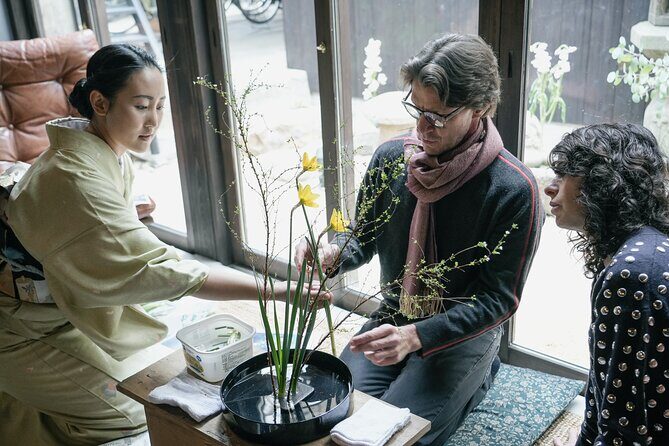
- Two beginner-friendly styles in one sitting: you’ll practice Nageire and Moribana within the short class window
- Small group size: up to 6 travelers, so guidance stays personal
- Seasonal flowers and hands-on building: you learn by doing, not just watching
- Mana’s English instruction: clear demos plus support while you arrange
- Freshness tips that can extend bloom life: guidance aimed at lasting up to two weeks
Kyoto’s Small-Group Ikebana Class in a Traditional Home Setting
This experience takes place in Kyoto, in the Kamigyo Ward area, with the meeting point listed as Tanbayachō 3481 at Symphony Kitano Higashi. It’s designed for mobile ticket entry and is described as near public transportation, so you should be able to get there without a taxi adventure.
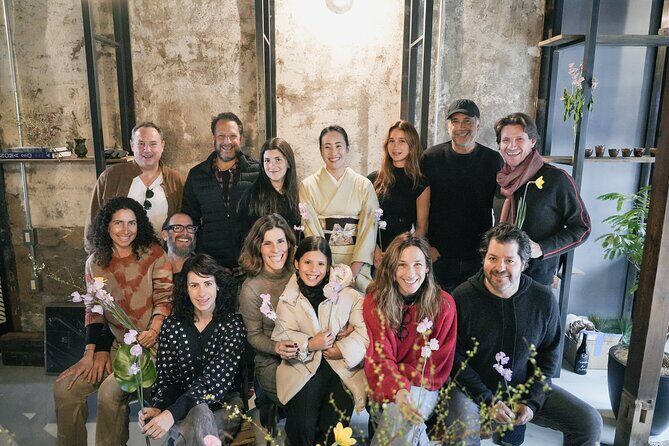
The class runs about 1 hour 30 minutes, and the group is capped at 6 people. That matters because Ikebana needs time for attention—stems need adjusting, angles need rethinking, and questions need a real answer, not a rushed one. With a small group, you can actually compare what you are doing with what Mana demonstrates.
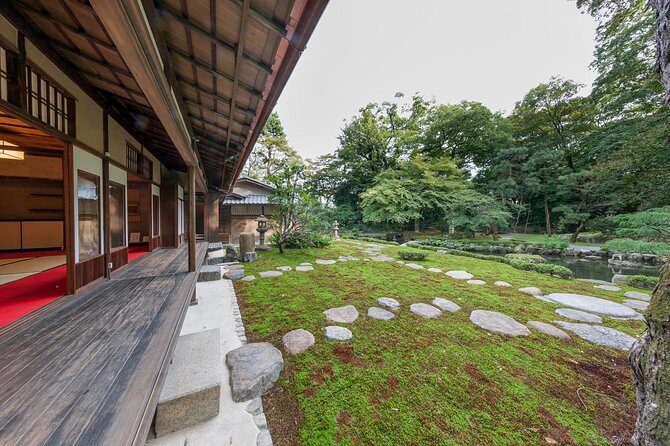
You start at the meeting point and the activity ends back there, so you do not have to plan extra transfers afterward. Reviews also describe the setting as a typical Japanese home environment, which helps the class feel less like a workshop in a hotel room and more like learning a craft in the culture that created it.
You can also read our reviews of more tours and experiences in Kyoto.



Ikebana Basics: Living Flowers, Balance, and Mindful Wabi-Sabi
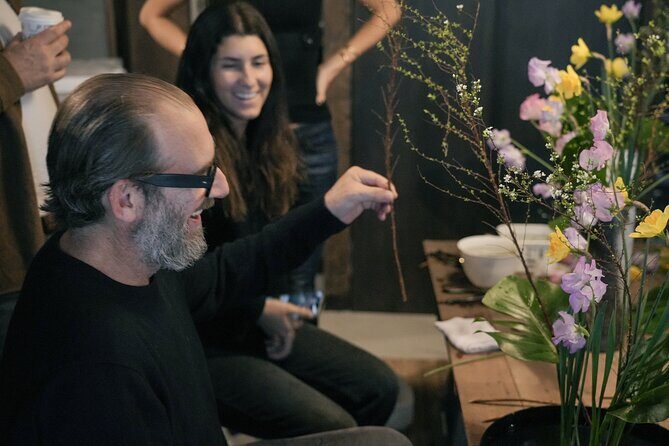
Ikebana literally points to living flowers, and the core idea is simple: you are not just making a decoration. You are shaping freshly cut stems in a way that respects how they naturally grow—using their characteristics to create harmony and balance with other elements.
You’ll also hear the class framed as a mindfulness practice. That may sound abstract, but the method is hands-on: as you ponder placement and proportion, you end up slowing down. That is where the wabi-sabi angle comes in. The aesthetic is minimalist, not flashy. The goal is an arrangement that feels calm and intentional.
One thing I appreciate in the way this is presented is the emphasis on learning to see. Instead of memorizing a strict template, you build an arrangement by paying attention to the stems you were given and making choices that look balanced to the eye and feel right in your hands.
Making Nageire and Moribana: Two Styles in One 90-Minute Window
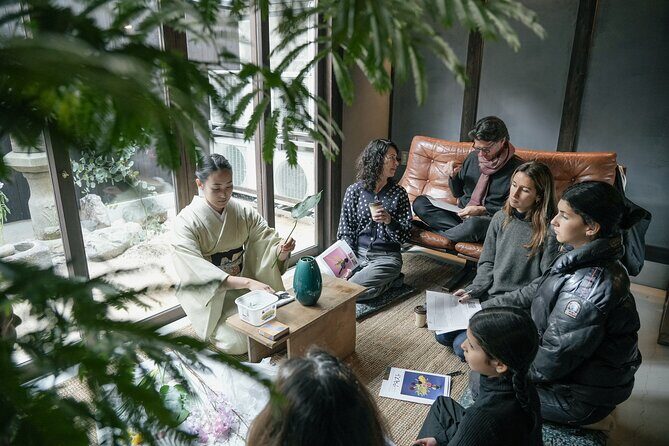
You’ll learn and create two types of Ikebana arrangements: Nageire and Moribana. Even though the time is short, the structure is designed to show you how different approaches can change the mood of the same basic raw material: fresh seasonal flowers.
From what Mana explains in class, these are treated as quintessential beginner Ikebana styles—so the goal is to help you get traction fast rather than overwhelm you with advanced variations. That’s a smart fit for most first-timers in Kyoto, because Ikebana can feel intimidating if you walk in expecting it to be only rules and rigid tradition.
Expect to start with a clear demonstration of both styles, then move into your own hands-on practice. The benefit of covering two styles is that you leave with more than one finished look. You also leave with a better sense of what changes when you shift approach—height, spacing, and the overall sense of balance.
The tradeoff is also real: a short class means you will not have time to compare every school or historical branch of Ikebana. If your goal is scholarly detail, you might find the session stays focused on learning the method rather than building a textbook-level background.
The Class Flow With Mana: Demo First, Then You Build

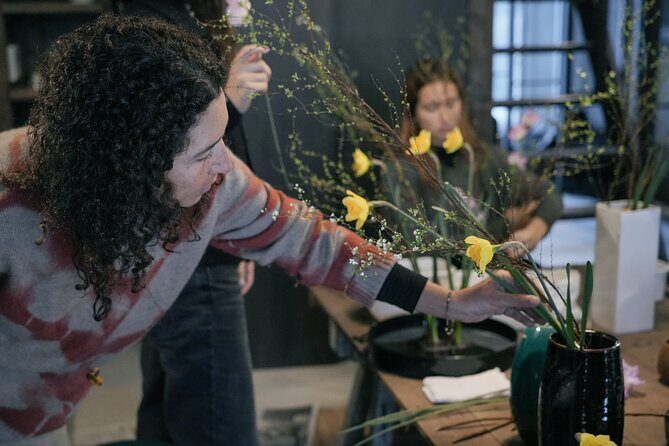
The format is straightforward and effective. Mana begins with an overview, then demonstrates two flower arrangements, showing you how the technique translates from idea to stem placement. After that, you get time to create your own arrangements, with support along the way.
Reviews highlight how helpful and flexible the instruction feels. For example, people mention Mana giving clear guidance while still letting them adjust and refine their own work, rather than stamping out identical results. In practical terms, that means you get feedback when you need it, but you still get to make choices.
Because the group is small, you also get a better chance to ask questions. That matters in Ikebana, where a tiny change in angle can make an arrangement feel more balanced—or less so. If you are a beginner, that extra feedback loop is the difference between leaving with a nice souvenir arrangement and leaving with a real new skill.
You’ll spend the session working with seasonal flowers, which is part of what makes the experience feel grounded. You are learning a technique, but you’re also making something that belongs to the moment.
Flower-Freshness Tips and Mindfulness Takeaways You Can Use Again
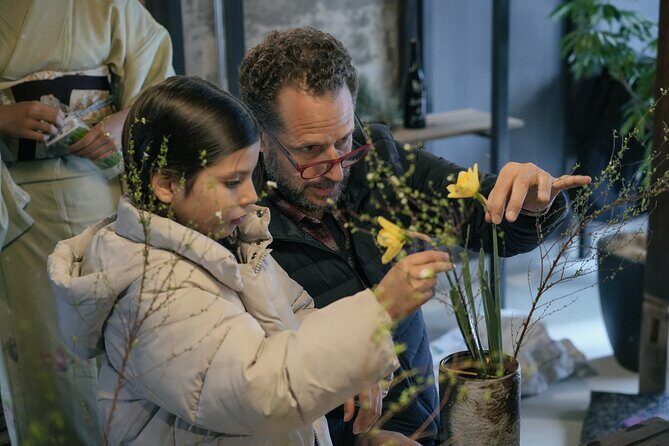
One of the most practical promises in this class is that you’ll learn tips to help maintain fresh flowers so they can last up to two weeks. For most people, that is the big question after any flower workshop: what do I do after I carry everything home?
Here, you are not left guessing. The class includes aftercare guidance aimed at extending freshness, which gives your arrangement more than a few days of beauty. Even if you do not hit the full two-week mark, you are still likely to get better results than you would without those tips.
Then there’s the mindfulness piece. The lesson is structured so that quiet attention is part of the process—pondering feelings while you build harmony and balance. If you like activities that use your hands and calm your mind, this fits that style of travel well. You leave with a finished arrangement, yes, but you also leave with a way to slow down and look closely at nature.
And because Ikebana focuses on using a flower’s natural characteristics, you may start noticing things back home: how a stem curves, where it wants to lean, and how negative space matters as much as the flowers themselves.



Price, Timing, and When This Value Works Best

At $72.26 per person for about 1 hour 30 minutes, this is not a bargain class. But it can feel like good value if you care about technique and want real guidance—not just watching someone else do the work.
What you are paying for is a small-group, English-speaking instruction format plus hands-on time with seasonal flowers and two styles. You also get practical tips intended to keep your flowers fresh longer. For a craft experience, that combination usually justifies the cost, especially in Kyoto where many activities lean toward sightseeing rather than skills.
Timing matters too. This experience is often booked about 30 days in advance on average, so if your travel dates are fixed, I’d plan earlier rather than waiting for last-minute availability.
One more value note: because the class is short, it is best viewed as a skilled introduction. You’ll come away with a new skill and an appreciation for the approach, but the session may not satisfy anyone hoping for extensive coverage of history and different schools. The focus stays on teaching you to do it.
Who This Suits
This is a strong match if you:
- are a first-timer who wants guided practice
- like calm, artsy experiences with cultural depth
- want an activity that feels interactive without being physically intense
It is less ideal if you mainly want a lecture-style rundown of the full historical and academic background of every Ikebana tradition.
Should You Book This Ikebana Class?
If you want a small, hands-on creative experience in Kyoto that teaches you a real technique (and not just a photo), I think you should book it. The combination of Mana’s English instruction, the small group size, and learning Nageire plus Moribana makes the 1.5 hours feel purposeful. Add the included tips aimed at keeping flowers fresh for up to two weeks, and the value feels more than just sentimental.
I’d skip it only if you’re specifically chasing a long, history-heavy lesson about all schools and rules. This class is built to get you arranging and thinking, calmly and practically, right from the start.
FAQ
How long is the Ikebana class in Kyoto?
The class runs for about 1 hour 30 minutes.
Is the class taught in English?
Yes, the class is described as using an English-speaking Ikebana expert.
How many people are in a group?
The class has a maximum of 6 travelers.
Where does the activity meet, and does it end nearby?
It starts at the meeting point in Kamigyo Ward (Tanbayachō, Symphony Kitano Higashi area) and ends back at the same meeting point.
Do I need experience with flower arranging?
The class is set up for most travelers to participate, and the two styles taught are presented as beginner-friendly.
What kinds of arrangements will I learn to make?
You will learn two traditional Ikebana styles: Nageire and Moribana.
Will I use seasonal flowers during the class?
Yes, you’ll work with seasonal flowers as part of the experience.
How do I get my ticket?
You receive a mobile ticket.
What is the cancellation policy?
Free cancellation is available up to 24 hours before the experience start time for a full refund.