REVIEW · NAGASAKI
Nagasaki: Private Walking Tour with a Local
Book on GetYourGuide →Operated by Lokafy · Bookable on GetYourGuide
Nagasaki changes when you walk it with someone local. I like the no-fixed-route style, and I really value how guides turn big sights into personal stories. The only real catch: if you want a strict, must-see checklist, you’ll need to communicate your priorities clearly from the start.
I also like that you can start from a landmark that makes sense for your day, like the Statue of Dr. Sun Yat-sen or right near the Atomic Bomb Museum. And because guides are comfortable speaking in real conversation, you get practical help on navigation and where to eat and shop, not just background facts.
This is a great fit whether you’re on your first visit or your fifth. The “shape” of the walk comes from your questions, your interests, or even your lack of a plan, with local recommendations woven in as you go.
In This Review
- Key highlights at a glance
- Why Nagasaki feels different with a Lokafyer by your side
- Start smart: choosing a pickup point that matches your day
- How the walk stays personalized (even with a plan in your head)
- The flexible itinerary: what you might see in a 3 to 6 hour walk
- 1) Photo stops and an orientation walk
- 2) Atomic Bomb Museum and Peace Park focus (if you choose it)
- 3) Peace-adjacent sights like Dejima via tram
- 4) Ropeway and viewpoint time (when you want scenery)
- 5) Street culture, courtyard cafes, and local eats
- Getting around like you live there, not like you’re racing
- The guides: why the people make or break the day
- Price and value: what $82 buys you in Nagasaki
- Walking realities: comfort, pacing, and how to prepare
- Who should book this tour, and who might want a different style
- Should you book this Nagasaki private walking tour with a local?
- FAQ
- How long is the Nagasaki private walking tour?
- How much does the tour cost?
- Is this tour private or shared?
- What language are the guides?
- Is pickup included, and where do we meet?
- What’s included in the price?
- Are entrance fees and meals included?
- Do you include local transportation during the day?
- Is the tour wheelchair accessible?
- Are there discounts for children?
Key highlights at a glance
- Truly private and personalized: no scripts, no group pacing, no fixed route
- Local guidance with real stories: you’ll hear lived-in perspectives from guides like Suniff and Yuki
- Flexible starting points: choose a meet-up near central landmarks, including the Atomic Bomb Museum area
- You steer the stops: pick what matters, from Peace Memorial sites to viewpoints and attractions
- Practical city tips: guidance on how to get around and where to eat and shop
- Walking-first experience: comfortable shoes help, and pacing can include transit or taxis when needed
Why Nagasaki feels different with a Lokafyer by your side
Nagasaki is one of those cities where the details matter. You can read about the city, sure. But when you’re standing in the right place with a guide who knows what to point out and how to explain it, the city starts making sense fast.
I like that this tour is built around you. Instead of a one-size-fits-all route, your Lokafyer works from your interests. If you care most about the Atomic Bomb history, you can get that focus. If you want everyday life, street culture, and good places to eat, the walk can lean that way.
And because it’s private, you’re not stuck waiting for others or forced to keep moving at a speed that doesn’t fit your energy. One guide I saw praised for being attentive and patient, and that kind of pacing matters on a walking tour where weather, photo stops, and questions can change the flow.
You can also read our reviews of more walking tours in Nagasaki

Start smart: choosing a pickup point that matches your day
The tour includes pickup from one of two options in or near the city center. You can meet at the Statue of Dr. Sun Yat-sen at Umeya Shōkichi & Toku, or you can meet near the Nagasaki Atomic Bomb Museum.
This sounds small, but it matters. Picking a starting point close to what you actually want to see helps you avoid dead travel time. It also gives your guide an easy first direction: an orientation walk toward nearby sights, or a more history-focused route from the start.
In real life, that flexibility shows up in how guides handle different visitor schedules. For example, one booking noted that a guide came to a cruise terminal to pick people up, and another described adjusting plans when the port location wasn’t what expected. That kind of adaptability is a big deal if your Nagasaki day is tight.
How the walk stays personalized (even with a plan in your head)
This is a 100% private walking tour, so your Lokafyer can tailor the route as you go. You can show up with:
- A list of places you want to hit
- A topic you care about (history, neighborhoods, food, viewpoints)
- Or no plan at all
I’m especially into the “conversation first” approach. Guides like Yuki and Masaaki were praised for doing more than reciting facts from the internet. They explained things in ways that make it easier to navigate the city afterward, so your second hour isn’t just more walking, it’s real understanding.
That said, there’s one consideration to keep in mind. Some people prefer a ready-made itinerary with obvious must-sees baked in. Here, the route is guided by your input, so if you want “the highlights,” say so early and ask your guide to build around that. Otherwise, you might get a perfectly good walk that’s slightly more niche than you expected.
The flexible itinerary: what you might see in a 3 to 6 hour walk
There isn’t a single fixed route, but the experience typically has a clear logic: photo-friendly orientation, major sights if you want them, then the neighborhoods and viewpoints that make Nagasaki feel like a living city.
Here’s how it often plays out in practice.
1) Photo stops and an orientation walk
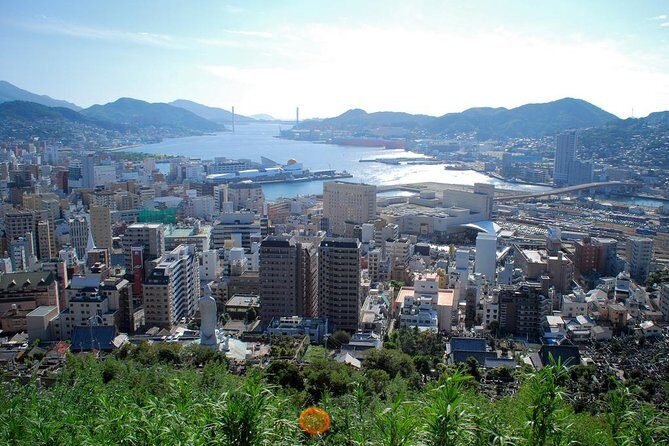
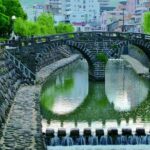
Even when the route changes, you usually start with a guided walk that helps you orient quickly. Expect guided sightseeing and scenic viewpoints on the way, with photo stops where it actually makes sense to pause.
This is where the guide’s local instincts matter. A good Lokafyer doesn’t just point out what’s famous; they explain how the city is laid out so you can follow the story and return later on your own if you want.
You can also read our reviews of more private tours in Nagasaki
2) Atomic Bomb Museum and Peace Park focus (if you choose it)
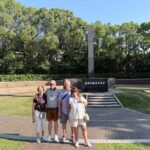
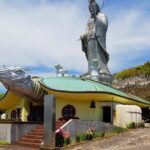
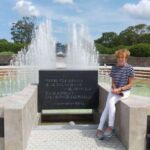
If you opt into the major World War II sites, you’ll likely include stops connected to the Nagasaki Atomic Bomb Museum and Peace Park. One guide named Masaaki was specifically noted for guiding visitors to the Atomic Bomb museum, Peace Park, and continuing onward to other viewpoints and attractions.
What makes these stops work on a walking tour isn’t only access. It’s how the guide helps you interpret what you’re seeing. Yuki and Senyo were both praised for their knowledge and for bringing the story to life with personal, careful explanations.
A practical tip: these places can feel intense. If that’s your focus, tell your guide you want a slower pace for reflection time. Private tours are good at accommodating that.
3) Peace-adjacent sights like Dejima via tram
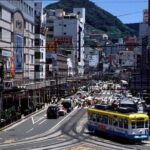
Another stop that shows up often in guide-led routes is Dejima. One booking specifically mentioned taking the tram to Dejima as part of a day that also included major memorial sites.
Dejima works well in a walking-day format because it adds contrast. After heavy history, you get a change of scenery and a different perspective on how Nagasaki connected to the wider world. If you like urban transitions—how the city shifts from one era to another—this is a good pick.
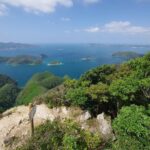
4) Ropeway and viewpoint time (when you want scenery)
Some itineraries also include the Nagasaki Ropeway. Sophia’s experience included the Ropeway in a shorter 3-hour tour segment.
Viewpoint time is a smart move in a city tour because it gives you a mental map. You’ll see how hills, waterfront areas, and key districts relate to one another. Even if you’re not the type to chase panoramic views, a quick viewpoint can improve how you understand the rest of your day.
5) Street culture, courtyard cafes, and local eats
Not every route leans heavily into memorial sites. Several guides were praised for taking people to places that are easier to miss if you’re just wandering on your own.
Expect options that can include:
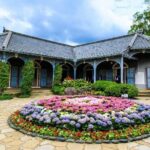
- Courtyard-style cafés locals enjoy
- Street art and neighborhood culture
- Local food recommendations and easy-to-follow wandering plans
In other words, your walk can include both “big Nagasaki” and “daily Nagasaki,” depending on your mood. Ethan, for instance, was happy with how their guide included spots not many tourists get to see.
If food is a priority, tell your guide what you like and what you don’t. When the guide picks a lunch stop, the value is often in how it fits your day’s pacing and location—so you aren’t losing time hunting for something good.
Getting around like you live there, not like you’re racing
A lot of tours tell you facts. This one also tries to help you move.
Because you can ask questions and adjust on the fly, a Lokafyer can suggest the best way to connect between neighborhoods. One guide was noted for balancing walking with public transportation and taxis when helpful. That’s useful because it protects the experience from becoming “just walking for walking’s sake.”
You’ll also get guidance for:
- Navigation tips for the city layout
- Where to find good food and shopping areas
- What to do with the rest of your day after the tour ends
If you want maximum value, come with a couple of questions. Even simple ones like what area is best for dinner tonight or where locals shop for everyday items can lead to a better second half of your trip.
The guides: why the people make or break the day
This tour lives and dies by the guide. The good news is the reviews show a strong pattern of thoughtful, enthusiastic guiding.
Names that came up for high praise include:
- Suniff, described as extremely knowledgeable and genuinely enthusiastic about Nagasaki
- Yuki, praised for being well-researched and attentive to detail, plus adding her own story to what you see
- Masaaki, praised for knowledge and for helping visitors understand how to navigate after
- JUN, praised for quickly adapting to destinations even when no plan existed at all
- Senyo, praised for history depth, especially around the Atomic Bomb museum and Peace Park
Two recurring strengths stand out. First, guides didn’t just deliver information; they connected the sights to how the city works. Second, they listened. That makes the tour feel less like a lecture and more like a guided hangout with someone who actually cares.
Price and value: what $82 buys you in Nagasaki
At $82 per person, you’re paying for a private, customized experience with an English-speaking Lokafyer. That’s not cheap compared to group tours, but it can be excellent value if any of these are true:
- You want your day shaped around your interests, not someone else’s schedule
- You care about history or interpretation and want context that’s harder to get solo
- You prefer smart local suggestions for food, shopping, and timing
- Your time is limited (common with cruise days or tight city itineraries)
The biggest “value lever” here is personalization. If you already know exactly what you want and it matches a standard group route, group tours can be easier. But if you want flexibility—maybe memorial sites plus a viewpoint, plus local food, plus a calm neighborhood stroll—private guiding reduces the trial-and-error time.
One more budgeting point: entrance fees are not included. Meals and drinks aren’t included either, and you’ll also cover optional attraction costs if you add them. If you ask to visit an attraction, the guide’s admission cost is also something you’ll need to cover.
Walking realities: comfort, pacing, and how to prepare
This is a walking tour, so comfortable shoes are a must. That’s not a throwaway line; it’s the difference between enjoying the day and counting down the minutes.
You also have flexibility in duration, typically 3 to 6 hours. If you choose the longer end, expect more walking plus more stops—sometimes including places that require transitions by tram or taxi. If you choose the shorter window, it helps to pick a theme up front, like Peace Memorial focus or scenery plus local food.
And since you can request a specific tour time, it’s easier to match the walk to daylight and your energy level.
Who should book this tour, and who might want a different style
I’d steer you toward this tour if:
- You want a private walk with real conversation
- You like having someone help you choose between options
- You’d rather ask questions than watch a slideshow of facts
- You want local food and shopping tips alongside sightseeing
- You’re visiting for the first time and want orientation that sticks
It may be less ideal if:
- You want a fixed route with zero decision-making on your side
- You prefer a guide who only follows a predetermined checklist
- You’re expecting entrance fees and transport costs to be covered in the price (they aren’t)
That doesn’t make it bad. It just means you’ll get the best results by sharing your priorities early, like the main sights you do want and the kind of pace you enjoy.
Should you book this Nagasaki private walking tour with a local?
Yes, if you value a day that feels personal, not prepackaged. This experience is strongest when you treat the guide like a planning partner: tell them your must-sees, ask about local food and neighborhoods, and let them shape the route around your interests.
I’d especially book it if you’re pairing big historical places with normal-life Nagasaki—cafés, streets, and the kind of practical guidance that helps you enjoy the city after the tour ends. Just come prepared to steer the direction. You’ll get a better day when you say what matters to you on day one.
FAQ
How long is the Nagasaki private walking tour?
It runs for about 3 to 6 hours, depending on the start time available and how your Lokafyer builds your route.
How much does the tour cost?
The price is listed as $82 per person.
Is this tour private or shared?
It’s a private tour. You won’t be joining a group.
What language are the guides?
The tour guide is available in English.
Is pickup included, and where do we meet?
Pickup is included. You can meet at one of two options: the Statue of Dr. Sun Yat-sen at Umeya Shōkichi & Toku, or near the Nagasaki Atomic Bomb Museum, as long as it’s in or near the city center.
What’s included in the price?
Included items are the local guide (Lokafyer) and the customized private walking tour.
Are entrance fees and meals included?
No. Entrance fees, meals, and drinks are not included. Personal expenses and optional activity costs aren’t included either.
Do you include local transportation during the day?
Local transportation around the city is not included.
Is the tour wheelchair accessible?
The tour is listed as wheelchair accessible.
Are there discounts for children?
Children below 3 years join for free. Children from 3 to 12 years receive a 50 percent discount.