REVIEW · KYOTO
Kyoto Newly Opened Tea Ceremony – Sanjo Chasuian
Book on Viator →Operated by Sanjo Chasuian · Bookable on Viator
Matcha ritual time in Kyoto, without the guesswork. I like how the tea master (often introduced as Yuko) explains the why behind each move while you watch, then try it yourself. I also love that you drink two cups of matcha—one from the host and one you whisk. One thing to plan for: entry is strict. You can enter only up to 5 minutes before start, and once the door locks, even 1 minute late can mean you miss it.
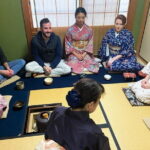
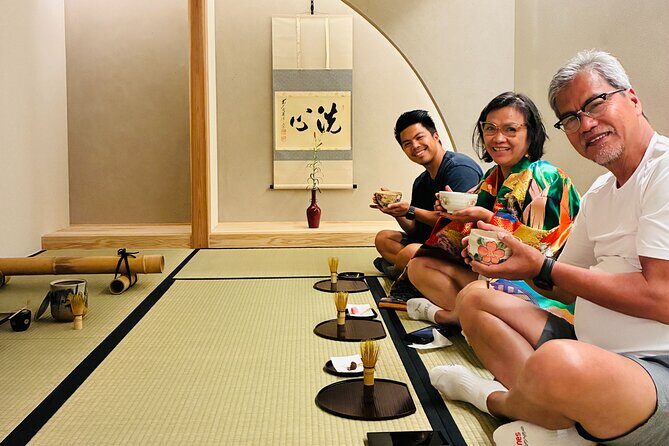
This is a 1-hour, small-group session (max 10 people) in a calm, quiet tea room designed for concentration. You’ll go through the classic tea-room feel, including the nijiriguchi crawl-in entrance, so your trip to Kyoto slows down fast. The only downside is comfort expectations: there’s a lot of seated time (chairs are available, but you may also sit on the floor), so come ready to settle in.
For the price of $32.77 per person, the value is real. You get step-by-step instruction, hands-on practice, two servings of matcha, and traditional seasonal sweets from a Kyoto sweet shop with 100+ years of history. If you want a relaxing cultural activity that also gives you a practical skill to repeat at home, this one fits.
In This Review
- Key Points You Should Know Before You Go
- Kyoto Tea Ceremony With a Host Who Teaches the Why
- The Nijiriguchi Entrance: A Tiny Ritual That Changes Your Mood
- Two Bowls of Matcha: What You Actually Learn to Make
- Japanese Seasonal Sweets: The Sweet Break You’ll Remember
- Small Group Size and Quiet Rules That Keep It Personal
- Price and Duration: Is $32.77 Good Value
- Who Should Book This Tea Ceremony (and Who Might Skip It)
- Quick FAQ About Sanjo Chasuian Tea Ceremony
- FAQ
- How long is the Kyoto tea ceremony session?
- How many people are in the group?
- What’s included in the price?
- Do I make matcha myself?
- What is the Nijiriguchi?
- Are chairs available during the ceremony?
- Do I need to wear socks?
- What happens if I’m late?
- Can I cancel for a full refund?
- Should You Book This Kyoto Tea Ceremony?
Key Points You Should Know Before You Go
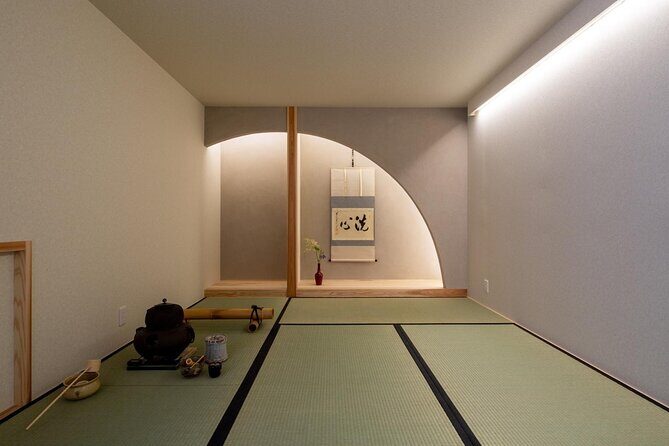
- Hands-on matcha whisking: you choose your bowl and whisk your own matcha.
- Two matcha servings: one prepared by the host, one made by you (or with your companion).
- Nijiriguchi experience: the tea room entrance makes you leave the outside world behind.
- Seasonal wagashi included: traditional Japanese sweets from a Kyoto shop with 100+ years of history.
- Small group (max 10): more time to ask questions and learn the details.
- Strict timing rules: you can enter only from 5 minutes before start; late means no entry.
Kyoto Tea Ceremony With a Host Who Teaches the Why
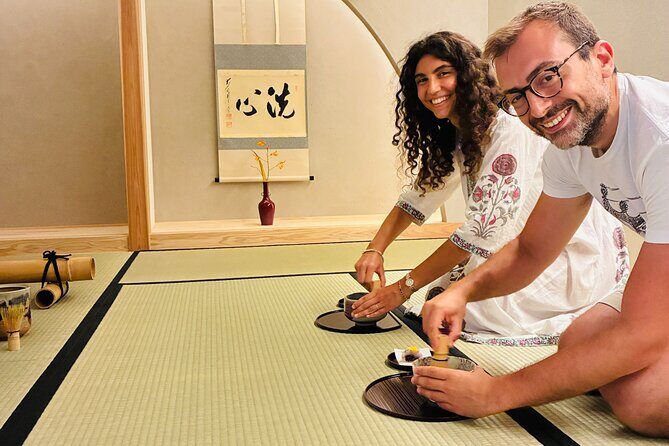
Kyoto tea ceremonies can feel intimidating if you’ve only seen them in videos. This one is set up to be the opposite. The tea master gives clear, step-by-step explanations as she demonstrates, then you get to do it yourself. You’re not just watching pretty motions—you’re learning what each part is for.
One of the best parts is that the instruction doesn’t stop at procedure. You learn the meaning behind the tea-making rhythm: how the utensils and the sequence connect to mindfulness and attention. That matters because it turns a one-time show into something you can actually recreate. When you go home, you’ll know what to focus on instead of guessing.
Also, the tone stays welcoming. Many participants point out how warm and patient the host is, including when English has an accent. You can ask questions, and you won’t feel rushed. If this is your first tea ceremony, that supportive teaching style makes a big difference.
You can also read our reviews of more tours and experiences in Kyoto.


The Nijiriguchi Entrance: A Tiny Ritual That Changes Your Mood
Before you sit down with matcha, you’ll pass through the nijiriguchi, the low crawl-in entrance used for traditional tea rooms. It’s a simple physical act, but it instantly shifts you from city mode to ceremony mode. You’ll feel it right away: sound drops, focus rises, and the tea room becomes its own little world.
The tea room itself is described as very clean and looks new, which helps if you’re worried about cultural activities that feel cramped or dusty. The setting is meant to be serene and quiet, so you’re not fighting distractions.
One practical point: because it’s a crawl-in entrance, wear footwear that’s easy to deal with when you settle in. And follow the sock rule. You’re asked to bring or wear socks during the experience. (Skip the barefoot surprise by arriving prepared.)
Finally, timing matters here more than you might expect. Entry is allowed from 5 minutes before the start time. Once the session begins, the door is locked. If you’re even 1 minute late, you can’t join and there’s no refund. That strict gatekeeping is common in small, quiet ceremonies where starting late disrupts everyone.
Two Bowls of Matcha: What You Actually Learn to Make
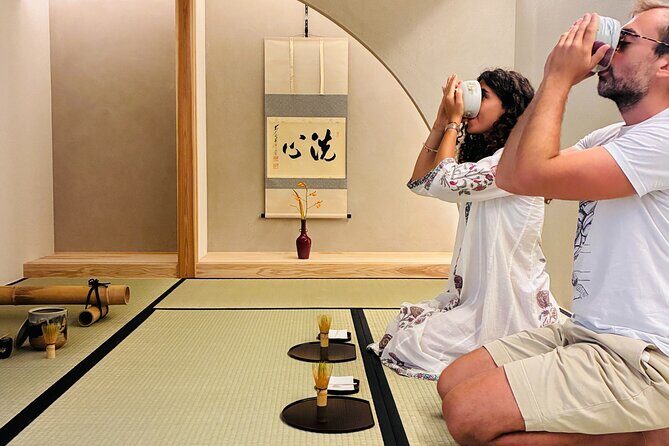
The experience isn’t just about drinking matcha. You’ll handle the utensils and build a basic routine you can repeat later. Here’s how it works in practice.
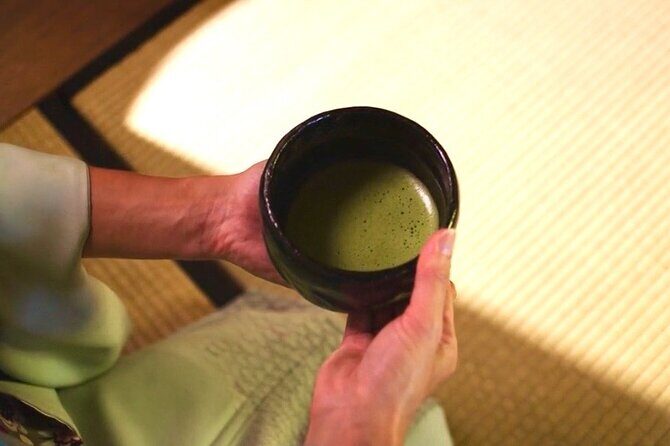
First, you choose a tea bowl and whisk your matcha. Watching the host’s movements is part of it, but the real learning comes from doing it right after her demonstration. When you whisk, you’ll notice texture and foam develop differently than you might expect, and the host’s step-by-step guidance helps you get the feel.
Then you get two servings:
- One cup prepared by the host
- One cup that you whisk yourself (or with a companion)
This two-cup structure is more valuable than it sounds. You get to compare the professional result with your own. That comparison gives you instant feedback on what matters—how your whisking technique affects the finish.
Chairs are available, which helps if floor sitting is uncomfortable for you. Still, build in the expectation that you’ll spend time seated low or close to the floor. Even with chairs, tea ceremonies run on a slower pace than walking tours.
If you want a takeaway skill, focus on the sequence you’re taught: preparation, whisking, and serving etiquette. The goal isn’t to become a tea master overnight. It’s to understand the steps well enough that your homemade matcha stops being a guess.
Japanese Seasonal Sweets: The Sweet Break You’ll Remember
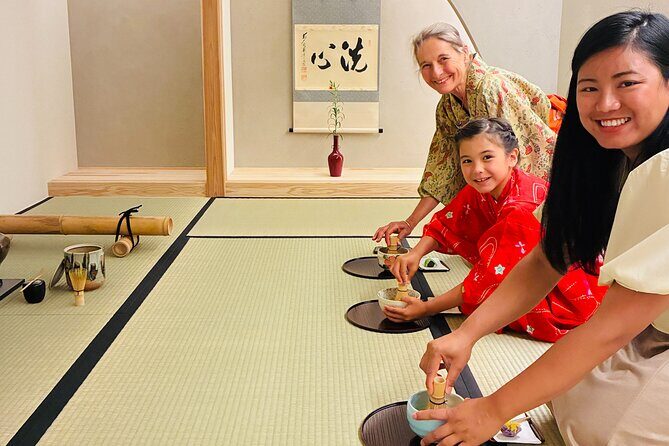
Matcha works better when it’s paired with the right sweetness. Here, you’ll enjoy traditional seasonal Japanese confectionary (wagashi) included with the tea. The sweets come from a Kyoto sweet shop with over 100 years of history, which adds a sense of place to the experience.
These sweets are often described as beautiful—so much so that some people find them almost too pretty to eat at first. But once you do, you’ll likely get why they’re served during tea: the flavors and textures complement matcha rather than overpowering it.
For you, the practical benefit is timing. The sweets are part of the ceremony flow, which makes the whole hour feel complete. Instead of an activity that ends when the tea finishes, you get a paced, sensory sequence: ritual, matcha, sweet, and then the chance to ask questions while everything stays calm.
If you’re someone who usually skips desserts, still give this a chance. The wagashi here isn’t just added sugar. It’s presented as part of how a tea moment feels in Kyoto.
Small Group Size and Quiet Rules That Keep It Personal
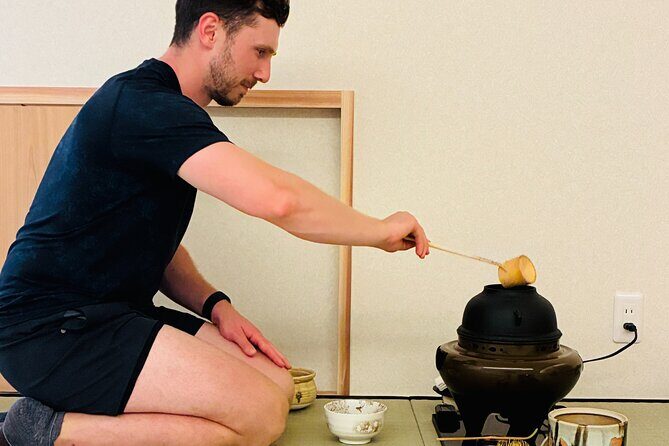
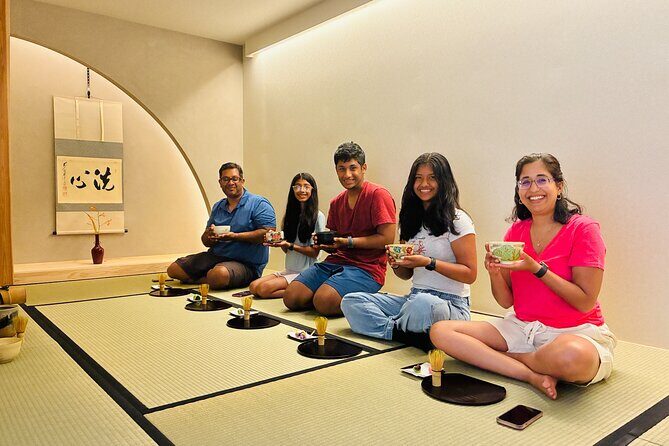
With a maximum of 10 travelers, this session stays intimate. That intimacy matters in two ways.
First, it makes the teaching easier. When there are fewer people, the host can slow down her explanations and answer questions without crowding the room. Second, it makes the hands-on time feel smoother. You’ll be less likely to feel like you’re waiting your turn through a rushed demo.
The ceremony also runs in a quiet, controlled setting. That’s not a minor detail. In Kyoto, you might spend a lot of time with loud streets and constant motion. This is a short break where your only job is to follow along, whisk, and enjoy.
Just be aware of the strict start-time rule. Entry is allowed only from 5 minutes before the ceremony. Once it starts, the door locks. If you’re the type who likes to arrive early but still runs a few minutes late from confusion, build extra buffer. Kyoto streets and signage can be tricky even for experienced travelers.
One more practical tip: the meeting area can be confusing with Google Maps routing. A helpful real-world clue is to stay on the main street and look for a green matcha ice cream cone in front. That visual can save you time when you’re trying to find the right entrance.



Price and Duration: Is $32.77 Good Value
At $32.77 per person for about 1 hour, you’re paying for three things that most cheaper experiences don’t bundle together: instruction, utensils practice, and multiple consumables.
You get:
- Step-by-step explanations from the tea master
- A hands-on whisking portion where you make matcha
- Two cups of matcha total (host-made plus yours)
- Traditional seasonal sweets included
A lot of tea experiences are either hands-on but light on explanation, or they explain a lot but you don’t get real practice. This one combines both. For first-timers, that’s the sweet spot because you learn the process and you leave with a skill you can repeat.
Also, small group size changes the value. Paying the same price for a packed room usually means less time for questions and less personalized guidance. Here, the max of 10 travelers supports a slower, more careful pace.
Is it “worth it”? If you want relaxation plus something tangible to take home, yes. If you only want a quick photo stop or you’re uncomfortable with quiet, seated activities, you might find it less fun than you expect.
Who Should Book This Tea Ceremony (and Who Might Skip It)
This experience is ideal if:
- You want a hands-on cultural activity, not just a show
- You like learning how things work, not only what things look like
- You want a calming break during a busy Kyoto day
- You’re curious about matcha preparation and want a practical routine
You might choose another option if:
- You hate strict timing and don’t like being constrained by start-time rules
- You have trouble with seated posture for an hour (chairs are available, but plan for the ceremony pace)
- You only want a casual, walk-by activity with minimal instruction
If you’re pairing this with the rest of your Kyoto day, think about matching it with calmer hours. The ceremony is designed for focus, so schedule it away from your most hectic transfers.
Also, note that it’s near public transportation, which helps if you’re hopping between neighborhoods. The meeting point is at 324-2 Sanjōchō, Nakagyo Ward, Kyoto, 604-8205, Japan.
Quick FAQ About Sanjo Chasuian Tea Ceremony
FAQ
How long is the Kyoto tea ceremony session?
It runs for about 1 hour (approx.).
How many people are in the group?
The session has a maximum of 10 travelers.
What’s included in the price?
You’ll receive two cups of matcha from Kyoto (one made by the host and one you make yourself) and traditional seasonal Japanese confectionary.
Do I make matcha myself?
Yes. You’ll choose a tea bowl and whisk matcha as part of the hands-on experience.
What is the Nijiriguchi?
It’s a low crawl-in entrance to the tea room, designed to help guests leave the outside world behind.
Are chairs available during the ceremony?
Yes, chairs are available, though some seated time on the floor is part of the traditional setting.
Do I need to wear socks?
Yes. You’re asked to bring or wear socks during the experience.
What happens if I’m late?
Entry is allowed from 5 minutes before the start time. Once the session begins, the door is locked; if you arrive late, you can’t join and there’s no refund.
Can I cancel for a full refund?
Free cancellation is available up to 24 hours in advance for a full refund.
Should You Book This Kyoto Tea Ceremony?
Book it if you want a short, calm Kyoto moment where you learn a real technique, not just watch someone else do it. The best reason is the structure: you get clear instruction, you whisk matcha yourself, you drink two cups, and you enjoy seasonal sweets in a traditional tea-room setting with nijiriguchi.
Skip it only if strict timing would stress you out or you’re uncomfortable with seated posture for about an hour. If those aren’t issues, this is one of the most practical and satisfying ways to experience Kyoto tea culture without turning it into a long, complicated day.