REVIEW · ISHIGAKI
Ishigaki: Mangrove SUP or Canoe & Phantom Island Snorkeling
Book on GetYourGuide →Operated by ISHIGAKI ADVENTURE PiPi · Bookable on GetYourGuide
Mangroves and Phantom Island in one outing. You’ll paddle through the mangrove river and then snorkel Phantom Island, a sandy spot that changes shape with the tide. I especially like the mix of calm paddling in the hirugi forest and hands-on reef time, with snorkeling gear and a guide keeping things organized and safe.
The only real catch is that the day can shift with weather and tides, so the snorkeling location and order may change to match conditions.
In This Review
- Key things I’d plan around
- Mangrove SUP and canoeing on Miyara River
- What can make the mangrove part feel better or harder
- Phantom Island snorkeling: tide shapes, fish, and coral time
- Plan for the reality: conditions can change
- How the 6-hour schedule usually plays out (and why the pauses matter)
- Why order changes aren’t a dealbreaker
- Gear, safety, and the stuff people forget
- Guide language and what it means for you
- Price and value: what $103 buys you in a real day
- The main thing you should budget separately
- Who should book this mangrove and Phantom Island combo
- Who should think twice
- Should you book Ishigaki Mangrove SUP or Canoe and Phantom Island Snorkeling?
- FAQ
- How long is the tour?
- What should I bring?
- Is snorkeling gear included?
- What languages are the guides?
- What happens if the weather or tides change?
- Can I cancel for a refund?
Key things I’d plan around
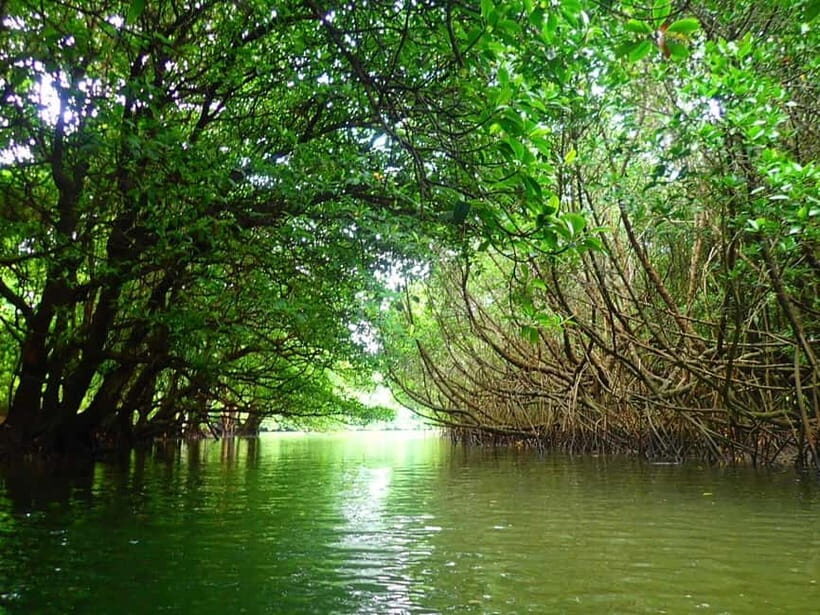
- National-treasure mangroves: you glide through the Miyara River hirugi forest, not just a quick photo stop
- SUP or canoe options: you can choose SUP or go more stable in a canoe (especially for younger kids, depending on conditions)
- Phantom Island changes with the tide: you get a sandy “floating” island experience with snorkeling around it
- Real underwater time with fish and corals: it’s set up like a natural aquarium
- Photo data included: guides provide photo data, and underwater photo/video moments can happen right in front of you
- Eco-first mindset: the tour is designed with sustainability in mind, focused on protecting Ishigaki’s environment
Mangrove SUP and canoeing on Miyara River
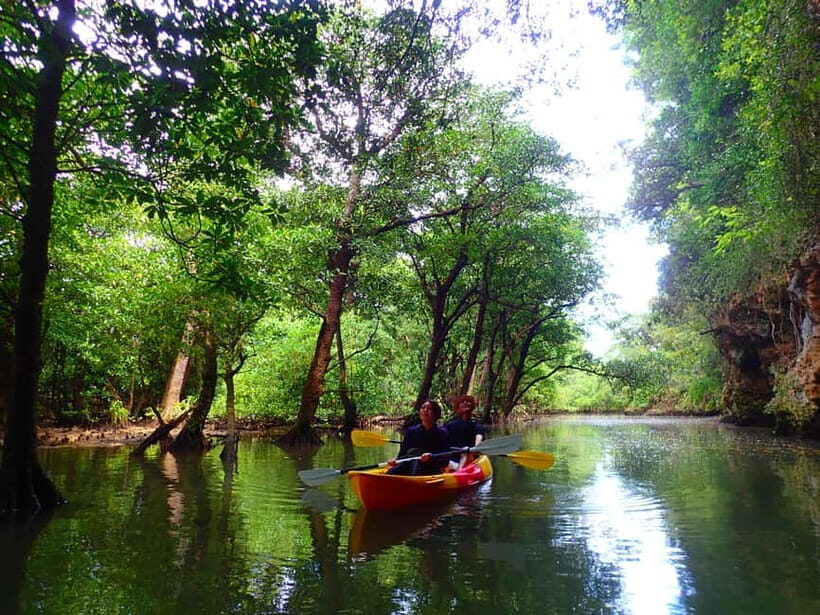
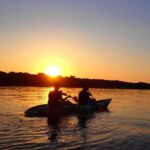
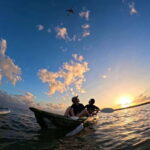
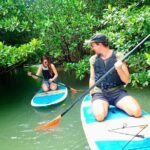
This is one of those Ishigaki days that feels balanced: you get motion on water, then you get to slow down and look at life underwater. The mangrove portion is centered on the Miyara River hirugi forest, described as a national natural treasure—meaning the goal is to see the mangrove ecosystem up close without turning it into a theme-park ride.
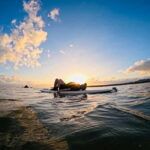
You’ll choose either SUP or canoe depending on the option booked and conditions. SUP tends to feel a bit more “active” because you’re standing and paddling, while a canoe is usually a calmer seat-and-steer experience. If you’re bringing kids (or anyone who just wants a steadier ride), the tour notes that children ages 3 to 11 may be guided in a more stable canoe instead of SUP depending on sea conditions and how the group looks that day.
One thing I like here is how much time the mangroves get. A lot of half-day tours give you a quick paddle and rush you out. This plan keeps the focus on the river experience, including steering through mangrove roots and overhanging branches—where you can really see how the forest works and not just skim the surface.
Also, this tour doesn’t just treat mangroves as scenery. There’s mention of learning along the way, including references like the fairy tree people talk about in the mangrove world. That’s the difference between a fun activity and an experience that helps you understand what you’re looking at.
A few more Ishigaki tours and experiences worth a look
What can make the mangrove part feel better or harder
If you’re prone to motion sickness, the mangrove section is typically calmer than open water segments, and the paddling is guided with instructions. Still, you will be on the water, so the tour asks you to consider your comfort level in advance—especially if you have concerns about physical strength or fear of the ocean.
Phantom Island snorkeling: tide shapes, fish, and coral time
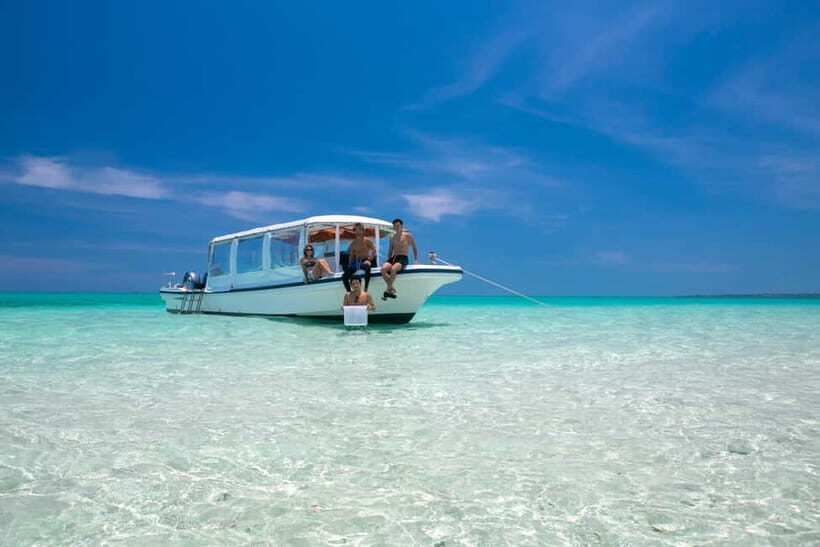
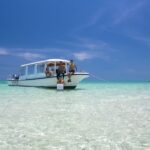
After the mangrove paddle, the day shifts to snorkeling at Phantom Island, the tour’s signature. The island is basically a sandy beach that appears to float in the ocean on Ishigaki’s west side, and the name comes from how its shape changes depending on the tide. That means your snorkeling moment isn’t just about a pretty beach—it’s about timing and water conditions, which is why the schedule can adjust.
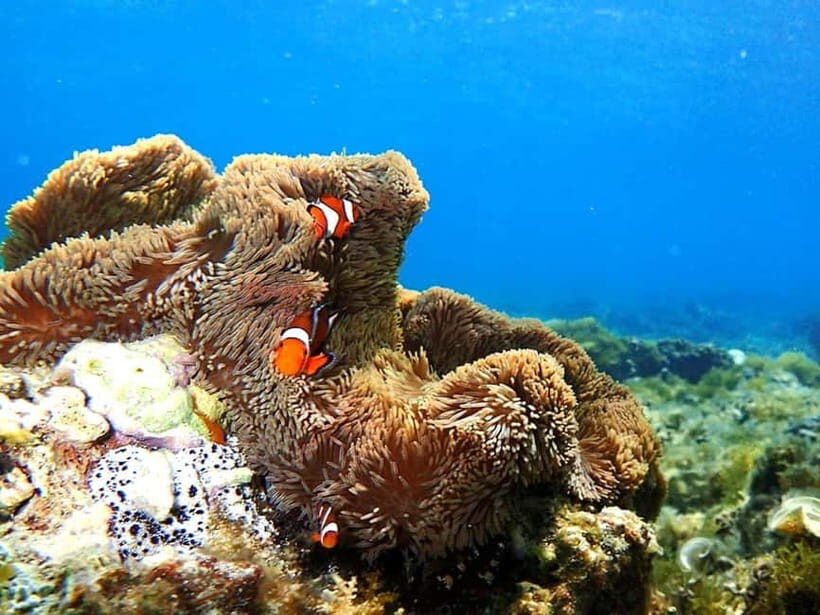
In the water, the experience is set up like a natural aquarium. You’re expected to see a multitude of fish and colorful corals around the island. I like that the tour frames it this way because it helps you manage expectations: you’re not on a long boat drift where you barely touch the water. You’re right there, with a guide and proper snorkeling gear.
In practice, the snorkeling portion is designed for a range of abilities. There are accounts of first-time snorkelers feeling supported, even if they start nervous. You’ll be given equipment like masks and fins (and the tour also mentions you’ll wear special shoes), plus a life jacket for safety. That structure matters because it lets your attention go to the water, not to figuring things out.
Guides also handle the photo side in an easy way. The included photo data isn’t just random snapshots; there’s a strong chance you’ll get underwater photos and videos taken while you’re positioned in the water. Names that came up include Kote guiding snorkeling mornings, and Arai taking extra care with nervous first-timers. Seeing the work of guides like Sebastian and Makoto on different days is a pattern you’ll probably appreciate: clear instruction, calm check-ins, and a focus on safety first.
Plan for the reality: conditions can change
The tour is weather-dependent. If strait conditions or tides make the original plan unsafe or unrealistic, they may conduct snorkeling at a different location. On some days, the alternative has been something like Blue Cave. The key is that this tour is used to adapting—so keep your phone reachable and stay flexible.
How the 6-hour schedule usually plays out (and why the pauses matter)
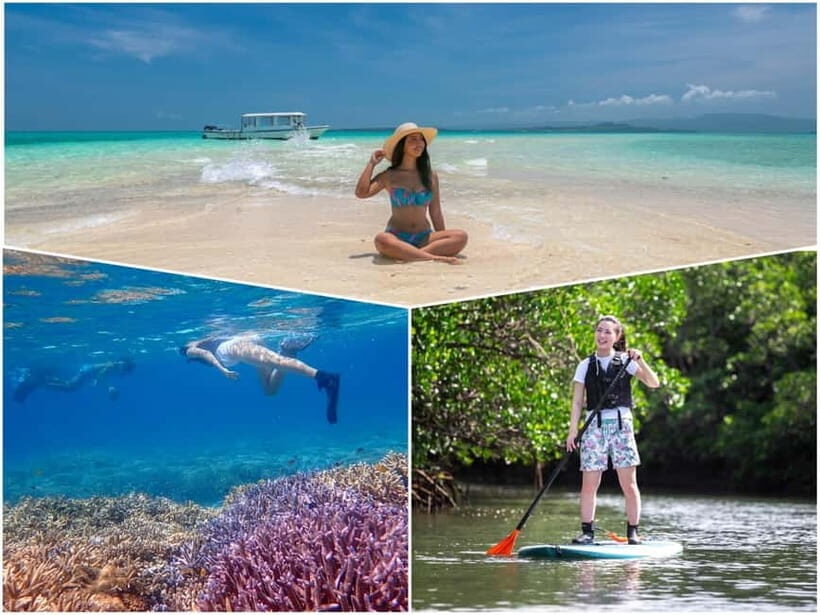
This day runs about 6 hours, with multiple water segments and a significant break in the middle. The usual flow goes like this:
First, you meet at the terminal area (the exact meeting point can vary by the option you book). Then you use a speedboat segment (about 30 minutes) to reach Hamahiga Island, where there’s typically a photo stop and snorkeling time (about 1 hour). After that, there’s a break period (about 2 hours) at the Euglena Ishigaki Port Terminal before the mangrove portion at the Miyara River.
Then comes the mangrove activity—either SUP or canoe—for about 1 hour. After that, you return for drop-off again at the port terminal area.
That middle break is more than “waiting time.” It’s your buffer for real-life vacation needs: changing into dry clothes, grabbing a drink, and mentally resetting before paddling again. It’s also when you can manage hunger and plan what to do next in Ishigaki. One of the guides has even suggested nearby lunch: Vanilla Deli for avocado wasabi burgers. Even if you don’t follow that exact tip, the point stands—use the downtime.
You can also read our reviews of more snorkeling tours in Ishigaki
Why order changes aren’t a dealbreaker
This tour explicitly notes that tides, weather, and strait conditions can shuffle departures and snorkeling order. I see that as a feature, not a bug. It means the operator isn’t clinging to a script if the sea turns rough. You might just end up snorkeling at another nearby location to keep things safe and satisfying.
Gear, safety, and the stuff people forget
You don’t need to bring much technical gear yourself, which makes this a good “less packing” choice. The tour includes snorkeling equipment and safety equipment such as life jacket and special shoes. Life jacket, fins, and mask are required, and refusing gear may mean you’re not allowed to participate.
For cooler months, wetsuits are provided. That detail matters in Okinawa because “warm enough to swim” can still feel chilly once you’re floating and breathing through a mask.
Because there’s no restroom on-site, you should use restroom facilities before you go. Plan your clothing too. The tour asks you to wear swimwear in advance and bring a change of clothes and towel so you’re not stuck in wet gear.
Here’s what I’d put in my bag, based on the tour’s list:
- change of clothes and a towel
- drinks (and cash, if you plan to buy anything during the break)
- clothes that you don’t mind getting a bit dirty
And yes: no alcohol, no smoking, and baby carriages aren’t allowed.
Guide language and what it means for you
The tour runs with a live guide in English or Japanese, but guide availability can mean your group is Japanese-only that day. If you’re relying on English for instructions, it’s smart to confirm expectations ahead of time so you don’t get surprised mid-day.
The good news is that multiple guides showed up by name for different language comfort levels—people cited English instruction clearly, with guides such as Ayaka and Arai communicating well for their groups. Even when language shifts, the important safety instructions tend to be straightforward because you’ll be wearing the gear and following hands-on direction.
Price and value: what $103 buys you in a real day
At about $103 per person for roughly 6 hours, this isn’t the cheapest thing on Ishigaki—but it does feel priced for what you actually get. Here’s where the value shows up:
You’re not paying just for one activity. You’re getting two different water experiences—mangrove SUP or canoe plus snorkeling around Phantom Island (and/or a Hamahiga Island snorkeling stop depending on the day’s flow). You also get the equipment included for both sides of the experience: SUP or canoe gear, snorkeling gear, safety gear like life jackets, and wetsuits in cooler seasons.
On top of that, the price includes experience fees, liability insurance, sales tax, and photo data. The photo data part is more than a nice extra when you’re snorkeling—because it reduces the hassle of waterproofing your own camera and trying to capture fish through a mask while balancing in water.
The main thing you should budget separately
Transportation isn’t listed as included. Practically, that means you should be ready to handle getting yourself to the meeting point/port. Once you’re there, the tour handles the on-water movement between spots as part of the experience plan.
Who should book this mangrove and Phantom Island combo
This tour fits best if you want a full water day with both scenery and underwater viewing. If you like guided activities that still feel natural—like gliding through mangrove roots and spending real time looking at fish and coral—this should be a strong match.
It’s also a good choice if you’re newer to snorkeling. The tour is guided, and guides like Diego and Sebastian were highlighted for making people feel safe and helping them explore comfortably.
Who should think twice
The tour’s age and health notes are pretty clear:
- Ages allowed: 3–59 only
- Not allowed: pregnant guests and people with medical conditions
- Not suitable: children under 5, people over 60, and anyone with heart problems
If you’re unsure about physical strength or you have a fear of the ocean, the tour specifically asks you to check in advance.
Should you book Ishigaki Mangrove SUP or Canoe and Phantom Island Snorkeling?
If you want one trip in Ishigaki that combines calm paddling in the mangroves with genuinely good snorkeling at a tide-changing sandy island, I’d say book it. The price feels fair because you’re paying for equipment, guidance, safety, and photo data—not just access to water.
Book it especially if you like structure: clear gear requirements, guided snorkeling time, and guides who prioritize safety and instruction. Just be ready for the sea to dictate the exact order. If you can stay flexible with weather and tides, this is the kind of day you’ll remember for both the mangrove “forest on water” feeling and that Phantom Island aquarium vibe.
FAQ
How long is the tour?
The experience runs for about 6 hours.
What should I bring?
Bring a change of clothes, a towel, drinks, cash, and clothes that can get dirty. The tour also notes there’s no restroom on-site, so use facilities in advance.
Is snorkeling gear included?
Yes. Snorkeling equipment and safety equipment are included, and you’ll also need to wear a life jacket, fins, and a mask during the activity.
What languages are the guides?
Tours are guided in Japanese or English, depending on guide availability. In some cases it may be Japanese only.
What happens if the weather or tides change?
The tour runs rain or shine, but the departure and order of activities may change due to weather, tides, or strait conditions. If needed, snorkeling may be done at a different location, and this is confirmed with you the day before.
Can I cancel for a refund?
Yes. You can cancel up to 24 hours in advance for a full refund.