REVIEW · KYOTO
Kyoto Tea Ceremony and Samurai Photo Session
Book on Viator →Operated by Japan food entertainment Ltd · Bookable on Viator
Tea and samurai armor in one hour. That’s the fun twist. I especially love the hands-on matcha making and the modern matcha latte you create yourself in a 100-year-old Kyoto machiya. You’ll also get seasonal wagashi and end with a photo session in real samurai armor, with the instructor Maya explaining the process in clear English.
This is a small-group experience capped at 10 people, and it runs about 1 hour 20 minutes total (around 50 minutes inside the machiya, then photos). One thing to consider: it’s not a long, slow, full-day tea study—expect a focused crash course you can actually use.
In This Review
- Key Highlights You’ll Notice Fast
- Kyoto Tea Ceremony and Samurai Photo Session: What You’re Really Buying
- Where You Start in Nakagyo Ward and How Time Packs In
- Entering the 100-Year-Old Machiya: Tea Steps You Can Actually Repeat
- Seasonal Wagashi: The Sweet Partner to Matcha
- Making Matcha the Traditional Way: Hands-On Wins Every Time
- Turning Matcha Into a Kyoto-Style Latte
- Samurai Armor Photos: Instant Fun With Real Culture Gear
- Price and Value at $71.74: Is It Worth It?
- Who This Kyoto Matcha and Samurai Session Suits Best
- Practical Tips Before You Go
- Should You Book This Kyoto Tea Ceremony and Samurai Photo Session?
- FAQ
- How long is the Kyoto tea ceremony and samurai photo session?
- Where does the experience start and end?
- How big is the group?
- What will I do during the tea ceremony?
- Do I get to wear samurai armor?
- Is there a matcha latte component?
- Do I receive English explanations?
- Is it difficult for beginners?
- How much does it cost?
- Is there free cancellation?
Key Highlights You’ll Notice Fast
- A 100-year-old Kyoto machiya setting that makes the ceremony feel real, not staged.
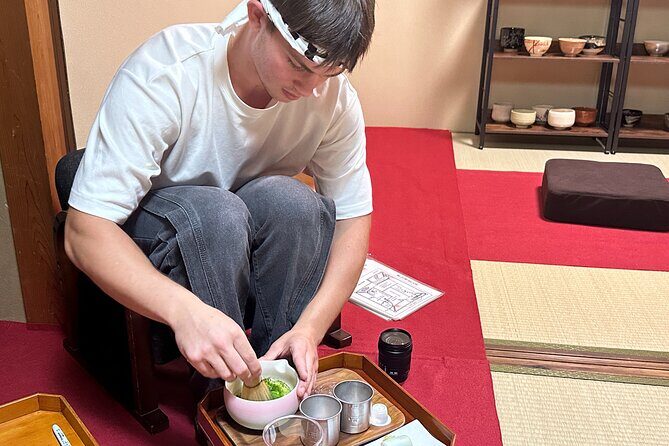
- Hands-on matcha making where you do the steps instead of just watching.
- Matcha latte practice with a creamy Kyoto-style result, not just plain tea.
- Seasonal wagashi sweets paired with your tea break.
- Samurai armor photos at the end, with plenty of photo opportunities.
- English explanations by instructor Maya, praised for clarity and warmth.
Kyoto Tea Ceremony and Samurai Photo Session: What You’re Really Buying
You’re not just paying for a tea lesson in Kyoto. You’re buying a short, satisfying experience that mixes two things visitors often want here: authentic Japanese tea culture and wow-factor photos.
The structure is simple. First you step into a traditional townhouse setting and learn how matcha is made and served with care. Then you shift gears into making a modern matcha latte. Finally, you get to dress up in samurai armor and take pictures that feel like a scene from a period drama—without needing any cosplay budget or imagination.
The value is in the combination. If you only want quiet tea ritual, you might feel this is too quick. If you want something memorable you can share with friends (and still leave with useful tea know-how), this format is exactly the sweet spot.
You can also read our reviews of more photography tours in Kyoto
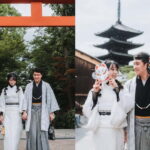
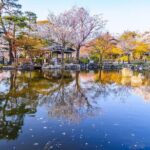
Where You Start in Nakagyo Ward and How Time Packs In
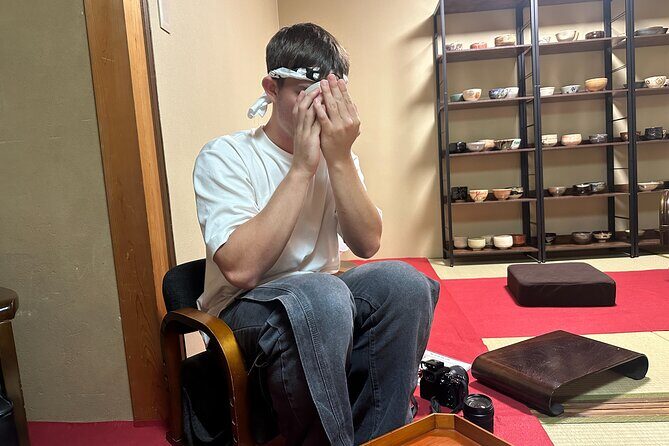
The meeting point is Samurai Gyoza Factory Kyoto, 230-1 Kamimyōkakujichō, Nakagyo Ward, Kyoto (604-0025). The activity ends back at the same place, so you’re not hunting across town afterward.
Timing is tight but manageable: about 1 hour 20 minutes total. The experience itself includes around 50 minutes at the 100-year-old machiya. That matters because Kyoto is a city where you can easily lose an afternoon to transit and wandering. Here, the schedule stays practical, and you can plan the rest of your day with less stress.
Also, this is sold with a mobile ticket, and it’s near public transportation. That helps if you’re already juggling subway stations, buses, and long sightseeing blocks.
Entering the 100-Year-Old Machiya: Tea Steps You Can Actually Repeat
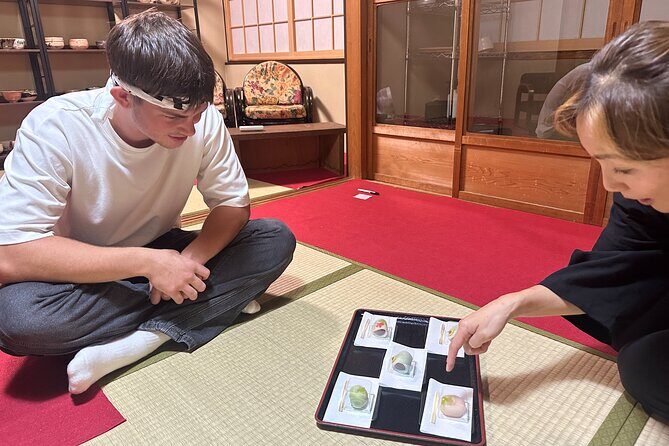
The experience takes place in a Kyoto machiya that’s about 100 years old. That’s not a marketing detail to gloss over. Machiya architecture changes how you feel inside—slower pace, quieter corners, and a setting that matches the tea ritual you’re learning.
What happens during the tea ceremony portion is part lesson, part demonstration, part practice. You start with context—like the history and meaning behind the ceremony—so the movements don’t feel random. Then you watch the instructor perform key steps in a traditional style before you take over.
The instructor Maya is repeatedly described as patient, funny, and encouraging. Many people highlight that her English is easy to follow, which is huge for first-timers. If you’re worried you’ll miss details, you can relax. The whole point is that you learn the process step by step.
Practical tips you’ll likely pick up (based on what people praise):
- How to approach the ceremony with the right pace, not speed.
- How to handle the tools and powder without making it a messy disaster.
- How the order of steps affects taste and texture.
Even if you can’t memorize every instruction on the spot, you’ll leave with a mental checklist you can use when you’re recreating matcha at home.
Seasonal Wagashi: The Sweet Partner to Matcha
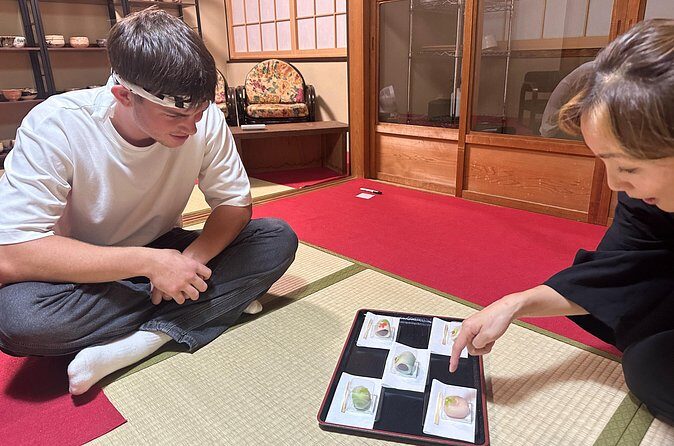
In the ceremony, you’re served seasonal wagashi—traditional sweets that change depending on time of year. That matters because matcha isn’t just a drink here; it’s part of a seasonal rhythm.
What I like about including wagashi is that it turns the class into an actual tea pause, not only a cooking demo. You get to taste something traditional alongside your matcha, and that helps you connect flavor with ceremony.
Based on feedback, people consistently find the wagashi delicious and appreciate the pairing. This part is also a good reality check: if you’re expecting bitter matcha only, wagashi can help show the balance people aim for in Japanese tea culture.
Making Matcha the Traditional Way: Hands-On Wins Every Time
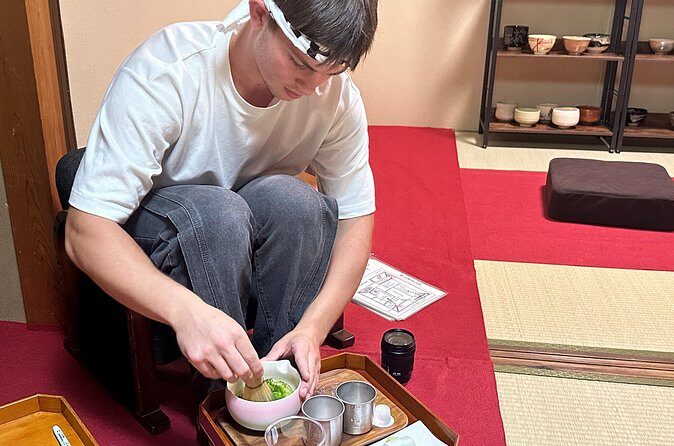
This is where most people smile the most, and it’s easy to see why. You don’t just watch matcha being whisked—you make your own.
The session includes learning how to prepare matcha traditionally. Reviews specifically mention good-quality matcha and emphasize that the instructor explains the process in detail. That combination is key. If the matcha is decent and the method is clear, you can taste the difference quickly.
What to focus on as you work:
- Take your time with technique. Rushing makes it harder to get the right texture.
- Listen for the cues about consistency and the feel of the whisking motion.
- Treat mistakes like practice, not failure. This is a classroom, not a formal exam.
People also call out that there are plenty of photo opportunities during the ceremony and class activities. So you’re not trapped in one chair. You’ll move through the experience, and that makes it feel lively without turning it into a theme-park show.






Turning Matcha Into a Kyoto-Style Latte
Then you switch from ritual tea to a more modern drink: a creamy matcha latte you make during the class.
I like this transition because it gives you a bridge. If matcha feels intimidating, latte format makes it approachable. You’ll learn the same core matcha handling, but with a different goal: sweetness and creaminess, not just ceremony style.
Some reviews mention that the instructor also provides a recipe you can use at home. Others highlight that they learned how to incorporate mindfulness and history into the way they prepare the drink. Even if you don’t follow every philosophy detail, the practical takeaway is straightforward: you’ll understand what changes when you turn matcha into a latte.
This part is also a strong “value move.” Many cooking classes stop at a tasting. Here you leave with something you can replicate.
Samurai Armor Photos: Instant Fun With Real Culture Gear
At the end, you get the chance to don authentic samurai armor for photos. This is the section people describe as unforgettable and plain fun, and I get it.
It’s also more than a quick costume moment. Putting on armor changes your posture and how you hold yourself in photos. Suddenly your pictures look purposeful, not awkward. And if you’ve been walking around Kyoto all day, this is a change of pace that still stays tied to Japanese themes.
A few reviews mention lots of photo opportunities. Translation: you’re not stuck with one rushed shot. You’ll likely have time to get your pictures done without feeling like you’re fighting the clock.
Price and Value at $71.74: Is It Worth It?
At $71.74 per person for about 1 hour 20 minutes, this isn’t the cheapest thing in Kyoto. But it doesn’t have to be. The value comes from the combination and the fact that it’s hands-on.
Here’s why I think it’s priced reasonably:
- You learn multiple outcomes: matcha tea steps, plus your own matcha latte.
- You taste seasonal wagashi, which adds to the experience rather than being a bonus afterthought.
- You get a high-impact photo moment with real samurai armor.
- The group is small (max 10), which usually means you get more attention during the hands-on part.
- The instructor Maya is repeatedly praised for clear English, which reduces the chance you’ll feel lost.
If you’re the kind of traveler who loves one signature activity but hates long lectures, this works well. If you want a slower, longer ceremony with deep, strict formalities only, you might find the time too short. But for most people, this class hits a sweet spot between traditional and practical.
Who This Kyoto Matcha and Samurai Session Suits Best
This experience is a great fit if:
- You’re curious about Kyoto tea culture and want a beginner-friendly start.
- You want to do the whisking yourself, not just watch.
- You’d enjoy a modern twist via a matcha latte you can make again at home.
- You want memorable photos that feel tied to the setting, not random souvenirs.
It might be less ideal if:
- You want a long, quiet, multi-hour ceremony focused on strict etiquette and silence.
- You prefer only food tasting with no hands-on mixing (though this is, by design, interactive).
Practical Tips Before You Go
A few things that’ll help you enjoy the class more:
- Go with a beginner mindset. The point is learning, not already knowing matcha technique.
- Plan this earlier in the day if you like a light schedule. At about 1h20, it won’t swallow your whole day, but it still deserves mental space.
- Bring a camera (and your phone charger habits). People mention plenty of photo chances, especially during the samurai armor portion.
- Wear comfortable clothes. You’ll move around a bit in a traditional space, and you’ll want your hands free when practicing.
Should You Book This Kyoto Tea Ceremony and Samurai Photo Session?
I’d book it if you want a compact Kyoto experience that delivers both culture and a serious photo moment. The hands-on matcha practice, the modern matcha latte, and the seasonal wagashi tasting are a strong trio. Add instructor Maya’s clear English and humor, and you get a class that feels welcoming even if it’s your first time.
Skip it only if you want a long, ceremonial-only experience with no practical payoff. For everyone else, this is a fun, well-paced way to understand matcha culture in Kyoto—and leave with photos you’ll actually show people.
FAQ
How long is the Kyoto tea ceremony and samurai photo session?
It lasts about 1 hour 20 minutes.
Where does the experience start and end?
It starts at Samurai Gyoza Factory Kyoto, 230-1 Kamimyōkakujichō, Nakagyo Ward, Kyoto 604-0025, Japan and ends back at the meeting point.
How big is the group?
The tour/activity has a maximum of 10 travelers.
What will I do during the tea ceremony?
You’ll participate in the ceremony, including making your own matcha, tasting seasonal wagashi, and crafting a Kyoto-style matcha latte.
Do I get to wear samurai armor?
Yes. The experience includes a chance to don authentic samurai armor for photos.
Is there a matcha latte component?
Yes. You’ll make a modern matcha latte during the session.
Do I receive English explanations?
The provided reviews specifically praise the instructor’s English and how easy the process is to understand.
Is it difficult for beginners?
It’s described as perfect for beginners and curious adventurers, and the instruction is designed to be interactive.
How much does it cost?
The price is $71.74 per person.
Is there free cancellation?
Free cancellation is available, and you can cancel up to 24 hours in advance for a full refund.