REVIEW · KYOTO
Kyoto: Fushimi Inari Taisha Guided Walking Tour
Book on GetYourGuide →Operated by TripGuru Japan · Bookable on GetYourGuide
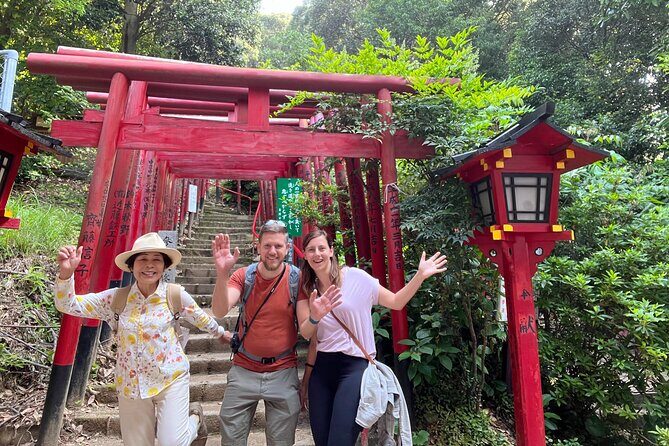
Kyoto can be noisy, but Fushimi Inari is different. In 2–3 hours you’ll follow the torii path at Fushimi Inari Taisha with a live English guide, spotting what most people miss. I love how the walk mixes big sights with clear explanations about Inari and why foxes matter to the shrine. The one catch: you’ll be walking, and the pace may feel brisk if you choose the upper route.
Two things I really liked. First, the route is short enough to fit even when your Kyoto day is packed. Second, the guide’s stories make the shrine feel personal, not like a photo stop. I’ve seen guides named Katz, Christiana, Raphael, and Nobumasa praised for being friendly, patient, and good at answering questions on the spot.
The main consideration is practical. This isn’t a sit-and-stare experience, and it’s not suitable for everyone (like mobility impairments, heart problems, or respiratory issues). Also, the guide only waits up to 10 minutes at the start, so be there on time—Kyoto traffic can be a trick.
In This Review
- Key things you’ll notice on this Kyoto torii walk
- Meeting at Daily Yamazaki Fushimi Inari Taisha: get bearings fast
- The lower shrine area: where the visit makes sense
- Torii gates as a hiking trail: why the route feels different with guidance
- Option A vs Option B: your workout level and photo style
- Street-food stop: a quick taste break that doesn’t derail your day
- The guide makes it click: Katz, Christiana, Raphael, Nobumasa
- What to wear and bring: the tour is simple, your feet are not
- Price and value: $24 for a short, focused Kyoto fix
- Timing: why starting matters more than you think
- Who should book this tour, and who should skip it
- Should you book this Fushimi Inari Taisha guided walking tour?
- FAQ
- How long is the Kyoto Fushimi Inari Taisha guided walking tour?
- Where do I meet the guide?
- Is the tour in English?
- Can I choose to see only the lower shrine or also hike to the upper shrine?
- What should I bring and wear?
- Is this a small group tour?
- Who should not join this tour?
Key things you’ll notice on this Kyoto torii walk
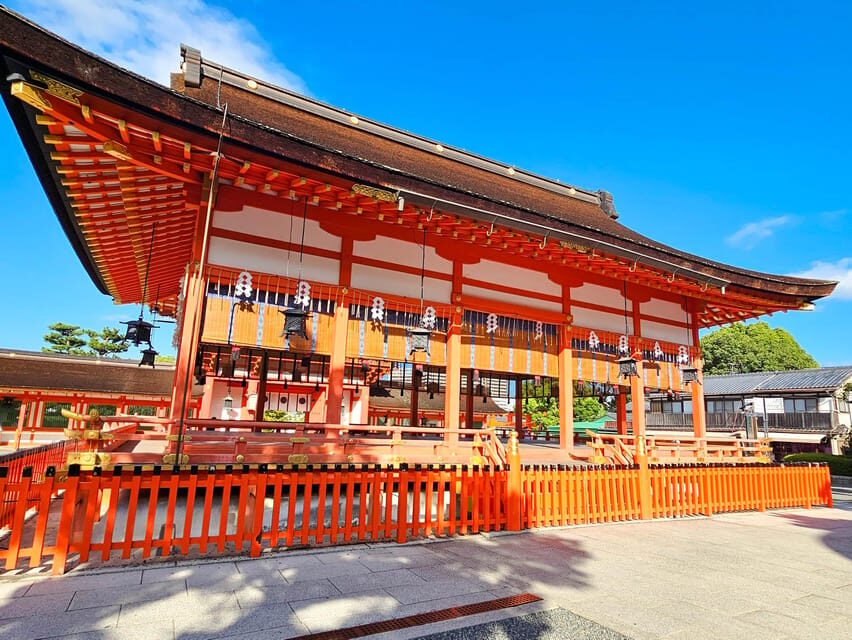
- Thousands of red torii gates that become a living trail, not just a backdrop
- Lower shrine vs upper shrine choices, with Option A adding about an hour of hiking
- Inari backstory you can actually use (agriculture and commerce, plus fox messengers)
- A short street-food window that fits the walk without hijacking your day
- Small group of up to 9, which makes it easier to hear the guide and get photos
Meeting at Daily Yamazaki Fushimi Inari Taisha: get bearings fast
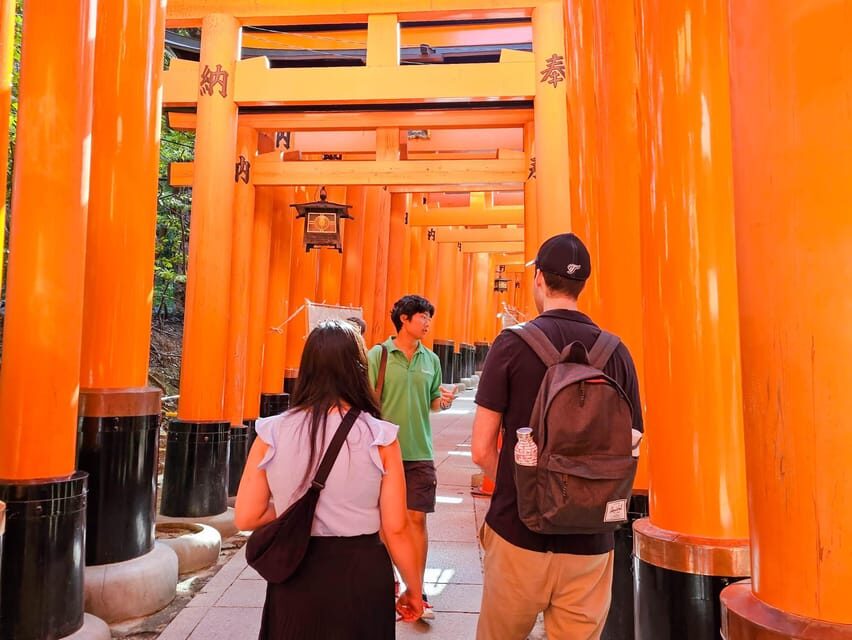
Your tour starts at Daily Yamazaki Fushimi Inari Shrine, which is a helpful anchor in a busy area. The guide will be wearing a TripGuru shirt or holding a TripGuru sign, so you should be able to spot them without guesswork.
The smartest move is arriving a few minutes early. The guide waits a maximum of 10 minutes, then keeps moving to the next stop. If you’re coming in during the morning, plan for heavier traffic than navigation apps suggest. Kyoto can go from fine to annoying in a hurry.
This first minute matters more than you’d think. When you start on time, you get your full two to three hours of walking and explanation, instead of feeling rushed from the first gate.
You can also read our reviews of more walking tours in Kyoto



The lower shrine area: where the visit makes sense
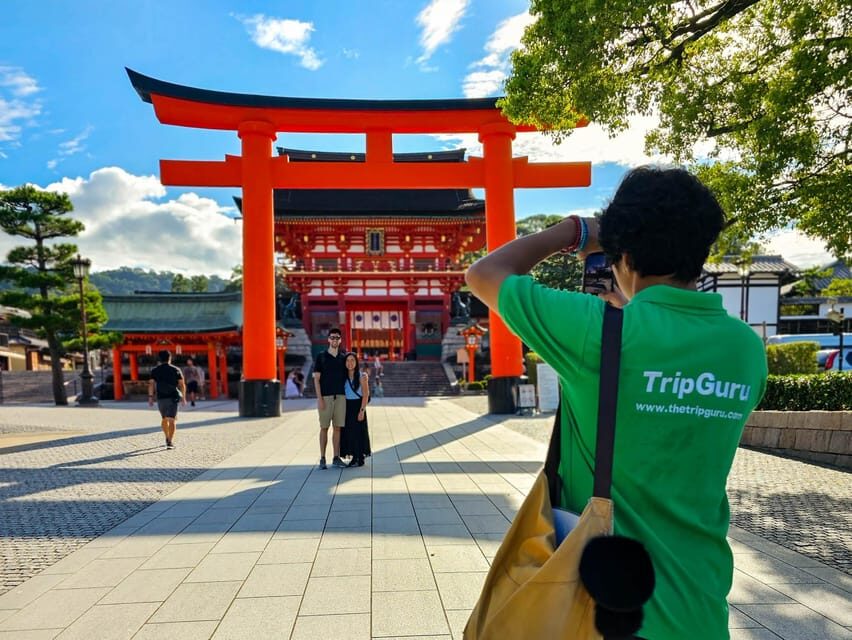
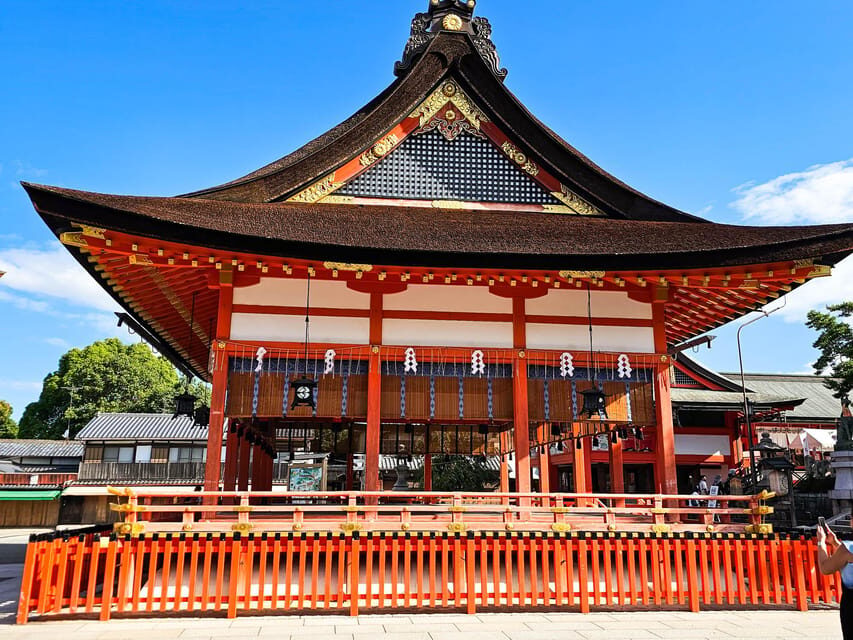
Most first-timers hit the lower area almost automatically, but a guided walk helps you connect the dots. The lower part sits at the base of Mount Inari, with the main entrance, an offering hall, and several smaller shrines.
You’ll see a lot of red—torii gates, shrine buildings, and the overall visual rhythm of the place—but the guide can help you read it like a route. This is where you learn what you’re actually looking at: Fushimi Inari Taisha is a Shinto shrine connected to Inari, worshipped as the patron of agriculture and commerce, with foxes as associated messengers.
If you’re the type who likes your photos to have context, this is the best place to get it. Lower shrine time also gives you a clean entry point into the torii corridor so the later hike doesn’t feel random.
Torii gates as a hiking trail: why the route feels different with guidance
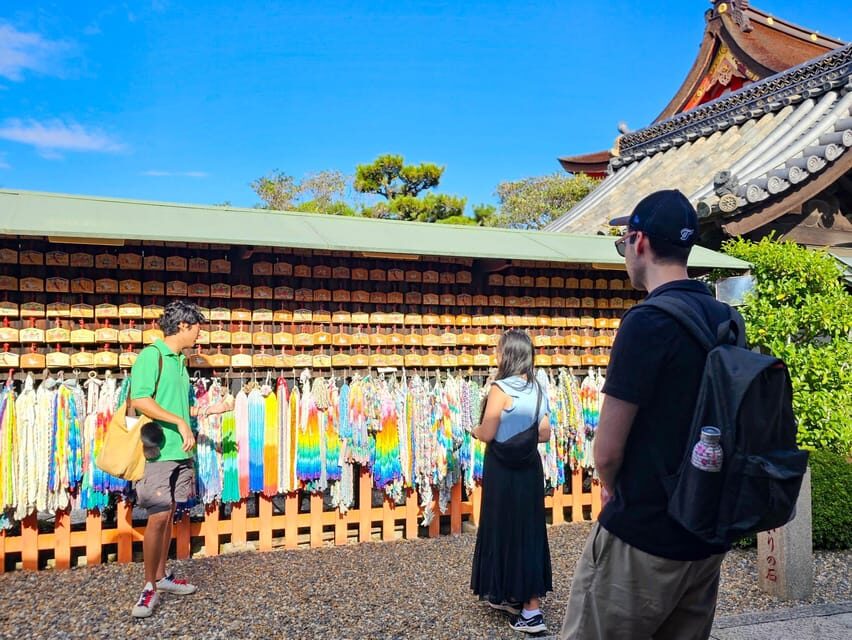
The famous part is the climb: the torii gates line a trail up Mount Inari. In photos, it can look like a flat wall of red. On the ground, it becomes a path you can follow, step by step.
With a guide, you’ll get more than gate-counting. The story matters. Inari’s association with agriculture and commerce helps explain why people historically made pilgrimages here, and why the shrine’s fox connection shows up across the grounds. You don’t need a museum ticket to understand the basics—you can carry it with you as you walk.
Also, the guide can help with timing and flow. When to pause. Where to slow down for views. How to keep the group moving without feeling like you’re in a rush-hour parade.
If you’re hoping for the Instagram look, you still get it. Just don’t assume it’s only about standing still. The magic is the progression: gate after gate after gate.
Option A vs Option B: your workout level and photo style
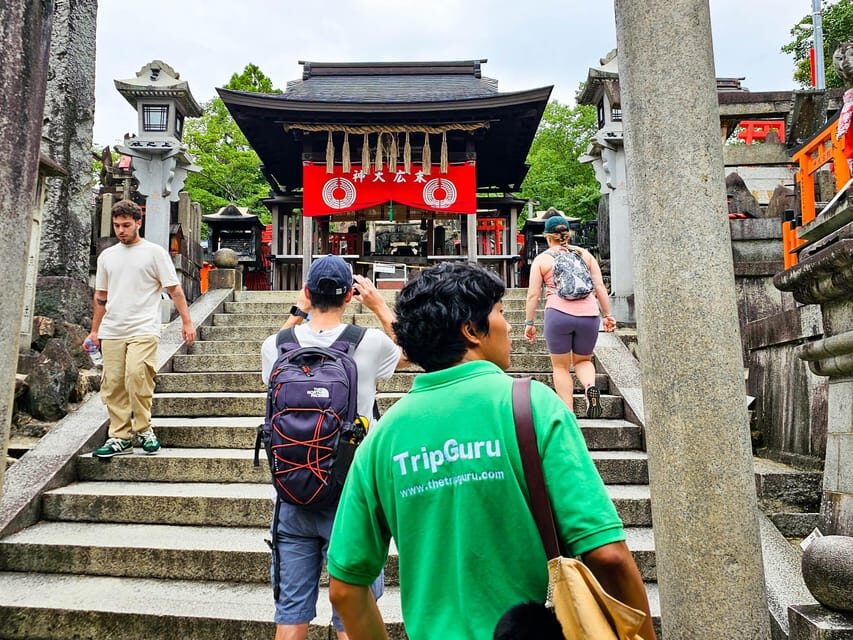
You can tailor the hike.
Option B: Lower shrine only
If you want the most direct torii-gate photos with less walking, this choice lets you focus on the lower part and the main entrance area. It’s a good pick when you’ve got limited time, sore feet, or you’re simply not trying to turn Kyoto into cardio class.
Option A: Lower plus upper shrine
If you’re up for an extra push, this adds about an hour more of walking along the trail toward the upper shrine. The upper area includes smaller shrines and gives you stronger city and mountain views.
Here’s how to choose in real life:
- Pick Option B if your day is already scheduled tight, or if you don’t want to commit to a mountain trail.
- Pick Option A if you want the full “torii trail” feeling and you like views that reward your steps.
Either way, you still get the guided explanations. The difference is whether you let the shrine take over your legs for a bit.
Street-food stop: a quick taste break that doesn’t derail your day
The tour includes time for street food and a short walk segment, around 30 minutes. This matters because Fushimi Inari can swallow your day if you’re not careful. A planned food window keeps you from wandering off and then spending the rest of the day trying to catch up.
You won’t need a culinary master’s degree to enjoy it. The point is to sample snacks in the area while you’re already in motion, then get back to the shrine route with your energy intact.
If you’re easily distracted by menus, this structured stop is your friend. You get the “Kyoto street energy” without losing track of the tour.
You can also read our reviews of more guided tours in Kyoto





The guide makes it click: Katz, Christiana, Raphael, Nobumasa
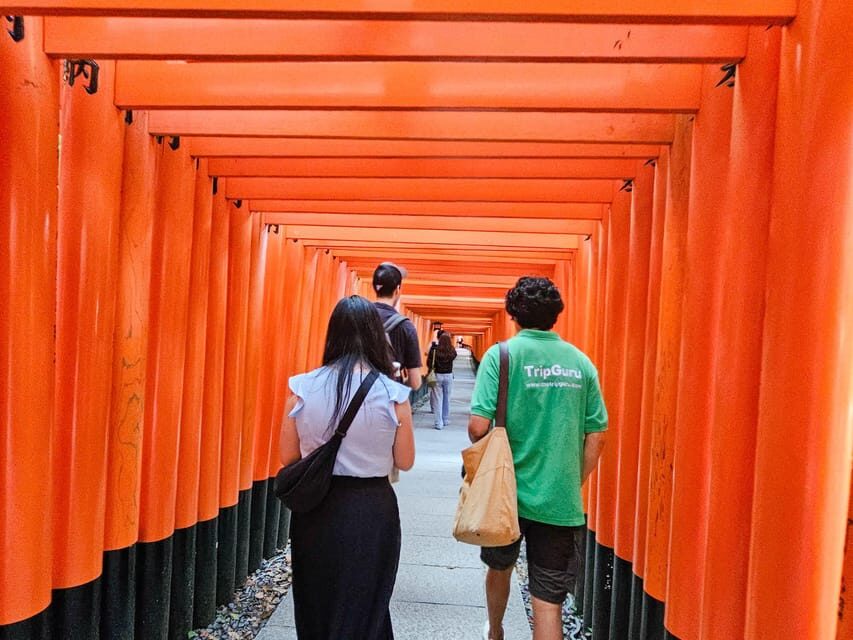
A good guided walk turns a famous site into a story you can remember. The experience has a strong reputation for friendly, engaged guides, including names like Katz, Christiana, Raphael, and Nobumasa.
What stands out from past groups is the practical friendliness, not just facts. Some guides have been praised for accommodating families with kids and even strollers, while others have been proactive about pacing and breaks. There’s also a recurring theme of support during the walk—checking in, helping with hydration, and keeping the group comfortable in Japan’s walking-heavy spots.
And yes, many guides help with photos, which is a bigger deal than it sounds. When you’re paying for a guided walk, you don’t want to spend half of it asking strangers to take your picture at an angle that makes you look like you’re scaling a stop sign.
What to wear and bring: the tour is simple, your feet are not
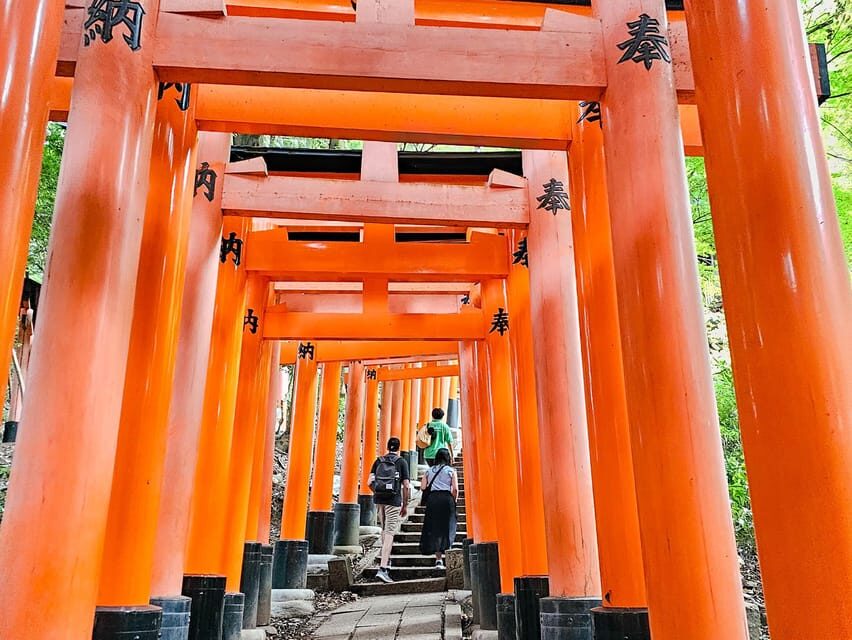
This is a walking tour, so pack for your shoes. The most important item is comfortable footwear. You’ll be moving around shrine grounds and, if you choose Option A, up a trail lined with torii gates.
Dress code is modest and respectful. That means avoiding clothing that’s too revealing or casual for a shrine setting—shorts or tank tops are a bad bet.
If you want my practical rule: wear shoes you’d be happy wearing for a long city walk back in your home country. This is not the day to test a trendy sneaker you only just bought.
Price and value: $24 for a short, focused Kyoto fix
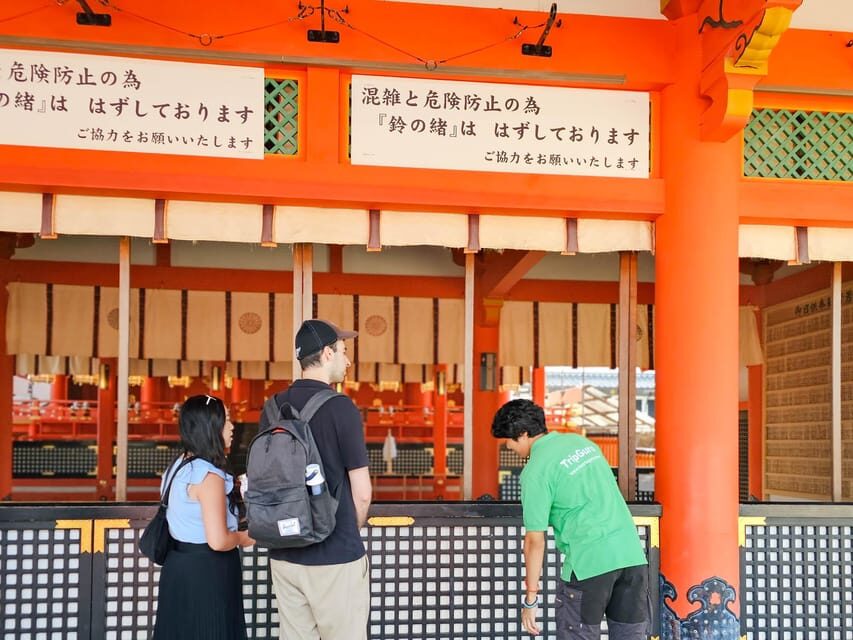
At $24 per person for a 2–3 hour guided walk, the value comes from a few smart inclusions: English-speaking guide, entrance fees, and the walking tour itself.
You’re paying less for logistics and more for context. Fushimi Inari is famous, sure. But without guidance, it can turn into gate-chasing and photo timing. With a guide, you get meaning—Inari, agriculture and commerce, fox messengers, and the lower/upper layout that shapes what you see when.
It’s also a bargain if you’re trying to make the most of a short Kyoto window. Two to three hours is manageable even on a day when you’re already scheduled for other hits around town.
Small group size—limited to 9 participants—adds value too. It’s easier to hear your guide, ask questions, and avoid getting steamrolled by a big crowd.
Timing: why starting matters more than you think
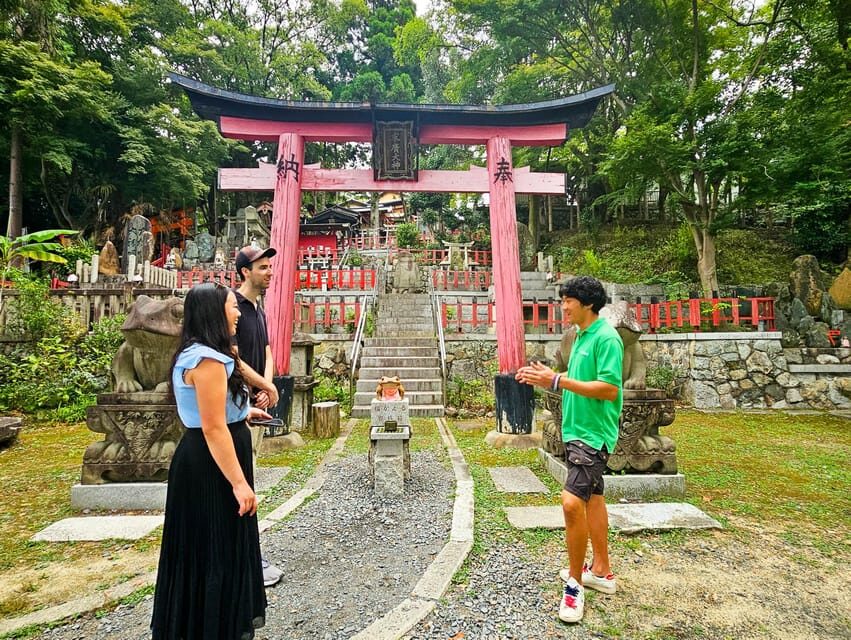
The tour is short on purpose. That’s part of the appeal. But short tours are also less forgiving.
Be on time. The guide waits up to 10 minutes before moving on. If you’re traveling in during busy morning traffic, leave extra buffer time. Navigation apps can underestimate how long it takes to get to the meeting point.
Also, because you’re walking between shrine zones, plan for steady movement. If you’re the type who likes long pauses and slow wandering, Option A can feel like a lot. Option B may match your pace better.
Who should book this tour, and who should skip it
This tour is a great fit for you if:
- You want a guided introduction to Fushimi Inari without committing to a full half-day
- You like iconic Kyoto sights but also want the story behind them
- You prefer a small group with room to ask questions
- You want the flexibility of choosing lower-only or hiking up (Option B vs Option A)
You should think twice or skip if you:
- Are pregnant
- Have mobility impairments
- Have heart problems
- Have respiratory issues
That list is blunt, and it’s there for a reason. Even with a guide, Mount Inari involves sustained walking and uneven terrain. Your comfort comes first.
Should you book this Fushimi Inari Taisha guided walking tour?
I’d book it if you want an efficient, high-reward Kyoto experience: the red torii gates, an Inari explanation you can remember, and a route that’s clear in under three hours. The price is reasonable for what you’re getting, and the small group size helps you feel less like you’re being processed through a landmark.
Choose Option B if you’re time-crunched or prefer fewer hills. Choose Option A if you want the full upper shrine experience and don’t mind a real climb for views.
If you’re on the fence, my decision rule is simple: if comfortable walking is your thing, book it. If walking is already a struggle for you, don’t force it here—there are plenty of Kyoto moments that won’t ask your legs to do extra work.
FAQ
How long is the Kyoto Fushimi Inari Taisha guided walking tour?
The tour lasts about 2 to 3 hours.
Where do I meet the guide?
Meet your guide at Daily Yamazaki Fushimi Inari Shrine. The guide will be wearing a TripGuru shirt or holding a TripGuru sign.
Is the tour in English?
Yes, the tour is offered with an English-speaking guide.
Can I choose to see only the lower shrine or also hike to the upper shrine?
Yes. You can opt for Option B (lower shrine only) or Option A, which includes the hiking trail to the upper shrine and adds about an hour of walking.
What should I bring and wear?
Wear comfortable shoes and dress modestly and respectfully for shrine grounds (avoid shorts or tank tops).
Is this a small group tour?
Yes. It is limited to a small group of up to 9 participants.
Who should not join this tour?
The tour is not suitable for pregnant women, people with mobility impairments, people with heart problems, or people with respiratory issues.