REVIEW · NAGASAKI
Taste Local Life: Nagasaki’s Historical Street Walking Tour
Book on Viator →Operated by Trip Designer Inc. · Bookable on Viator
Nagasaki has two faces, and this walk shows both. You’ll start with the Nagasaki Electric Tramway and step into Sofukuji and Kofukuji, where the temple architecture tells a China-to-Japan story from the 1600s. I love how the tour mixes temple details with practical street life shopping stops, so it feels like Nagasaki is explaining itself. I also like the small group size (max 8), which makes it easier to ask questions instead of shouting over the crowd. One possible drawback: since it’s a walking tour with several stops, you’ll want comfortable shoes and a pace that works for about 3.5 hours.
This half-day format is ideal if you want structure in the morning, then freedom later. You’ll also end at Megane-bashi (Spectacles Bridge) with a view you can use as your visual anchor for the rest of the day.
In This Review
- Quick highlights you’ll feel right away
- Tram first: how the Nagasaki Electric network sets the tone
- Sofukuji Temple: Chinese-style gates, then the protected hall
- Kofukuji Temple: kidney beans, kanji, and dining tables
- Motenashi ya and Spectacles Bridge: the heart wall photo moment
- Hamamachi Arcade: covered lanes for snacks, shopping, and local energy
- Why the small group and 3.5-hour timing works
- Price and value: what $105.42 buys you in real terms
- Who should book this tour
- Practical tips for a smooth Nagasaki morning
- Should you book Taste Local Life: Nagasaki Historical Street Walking Tour?
- FAQ
- How long is the Nagasaki historical street walking tour?
- Where does the tour start and end?
- How much does the tour cost?
- What is included in the price?
- Are food and drinks included?
- Is there a group size limit?
- What should I wear?
- What happens after booking?
Quick highlights you’ll feel right away
- Sofukuji Temple’s Chinese Nanchuan style from 1629, with major protected hall and gate structures to look for
- Kofukuji’s surprising influence, including links to kidney beans and Mincho-style kanji
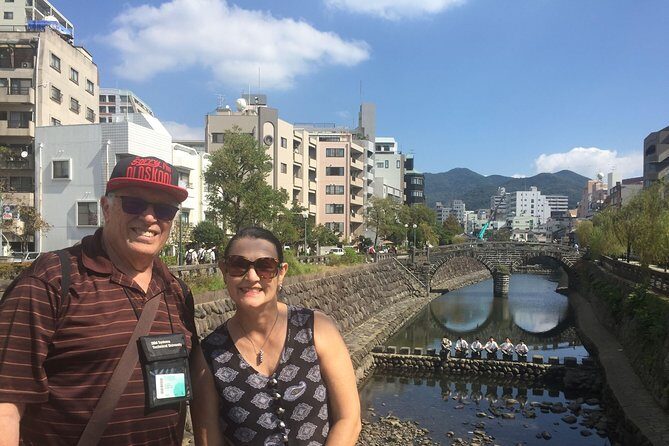
- Spectacles Bridge (Meganebashi), the oldest arcuate stone bridge from 1634, plus the heart-shaped stone wall
- Motenashi ya, a small tourist info/souvenir stop near the bridge with maps and touring materials
- Hamamachi Arcade covered shopping walk—hundreds of meters of local banners and branching lanes
- Small group plus private setup, limited to 8, so your guide can slow down where it matters
Tram first: how the Nagasaki Electric network sets the tone
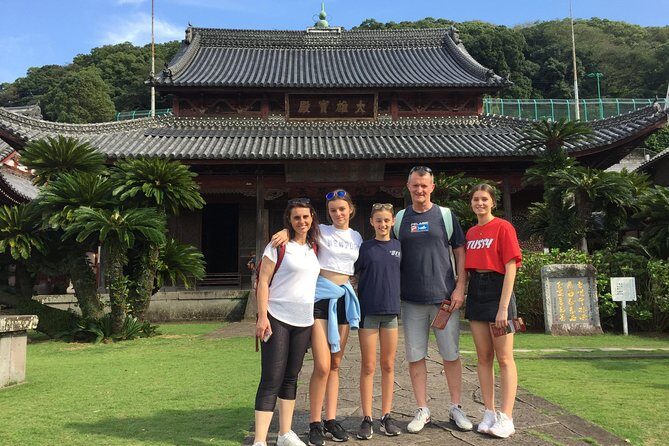
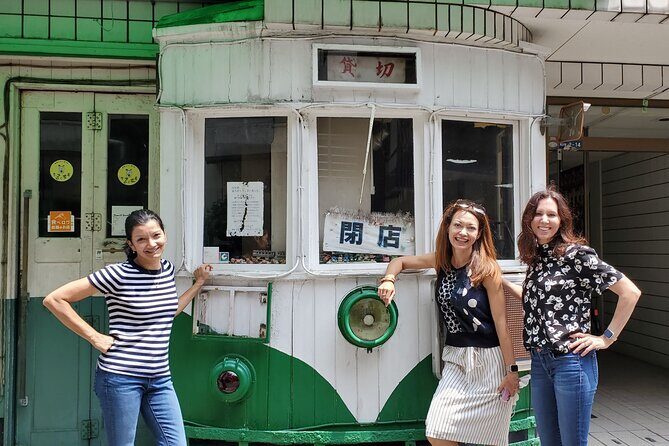
The morning starts with a smart move: you begin at the Nagasaki Electric Tramway Head Office, then transition by tram toward Sofukuji. Even if you’re not a public-transport person, the tram is a great way to get your bearings fast. Nagasaki can feel a little layered and steep in spots, and rail is a simple way to avoid wasting time figuring routes out on your feet.
The tram also gives you a nice mental reset. You’re not just walking from stop to stop. You’re learning the city’s rhythm—short ride, then history, then street snacks and browsing.
A practical note: the tour includes the tram ticket for this move, which lowers your hassle factor. Since food and drinks aren’t included, use the time to scout where you might want a snack later, rather than assuming the tour will feed you.
You can also read our reviews of more walking tours in Nagasaki

Sofukuji Temple: Chinese-style gates, then the protected hall
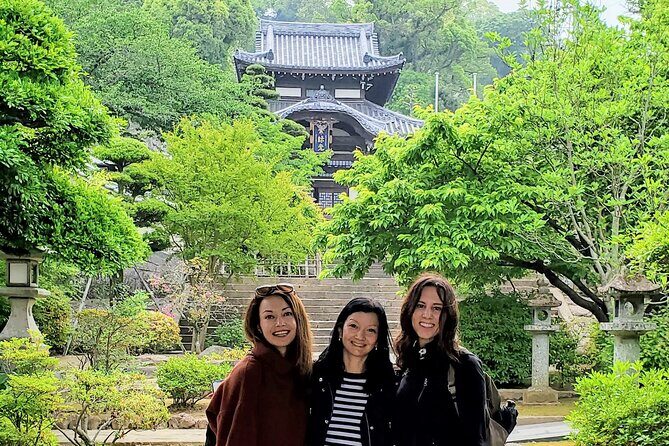
Your first major deep stop is Sofukuji Temple. This is a Rinzai temple built in the Nanchuan architectural style of China in 1629. That detail matters because it explains why Sofukuji doesn’t look like the temples you’ve seen in other parts of Japan. You’re seeing a specific style choice—an older contact point between cultures—rather than a generic temple look.
The guide time here is designed for careful looking. You’ll spend about 35 minutes, which is long enough to spot the most important structures without turning it into a museum speed-run. Look for the Daimon Gate and the Daeleon Hall (Main Hall)—the main hall is recognized as a National Important Cultural Property of National Treasures. That’s big official status, but you don’t need to memorize paperwork. Just treat it like this: the hall and gate are the face of Sofukuji, and they’re protected for a reason.
If you’re the kind of traveler who likes to understand why something was built a certain way, Sofukuji is your payoff. If you’re more into photos than facts, it still works, because the gate-and-hall visuals are strong and very specific.
Kofukuji Temple: kidney beans, kanji, and dining tables
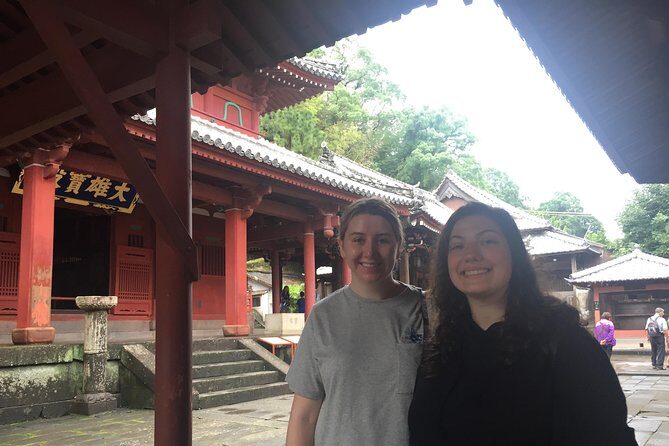
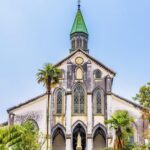
Next comes Kofukuji Temple, and this is where the tour becomes more than architecture. You’re told it’s a birthplace of things that feel totally unexpected for a temple stop. The tour highlights Kofukuji as the birthplace of Japanese kidney beans, Mincho kanji characters, and Kofukuji dining tables.
This is one of my favorite kinds of travel lessons. Instead of history being only wars and rulers, you get everyday outcomes—food, writing style, and even furniture form. The goal isn’t to turn Nagasaki into a trivia contest. It’s to show how cultural influence can show up in ordinary life.
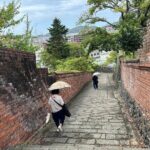
The stop runs around 50 minutes, and it’s also a transition point. After Kofukuji, you’ll head through old shopping streets tied to the temple area—exactly the kind of route that helps you understand where locals walked and traded, not just what the tourists photographed.
One consideration: if you’re prone to temple fatigue (too many incense halls, too fast), slow your own pace inside this stop. Spend a few minutes just sitting and watching how people move. It makes the history feel less like a lecture.
Motenashi ya and Spectacles Bridge: the heart wall photo moment
After the temple section, the tour shifts gears toward the city’s landmarks and browsing.
Your Motenashi ya stop is brief—about 15 minutes—but it’s useful. It’s a small tourist info center and souvenir shop operated by the landlady, and it’s located near Megane Bridge. Think of it as your reset station. You can grab touring materials and maps so the rest of your day makes sense once you’re off the guided path.
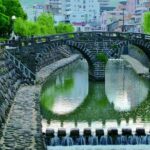
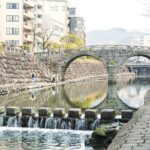
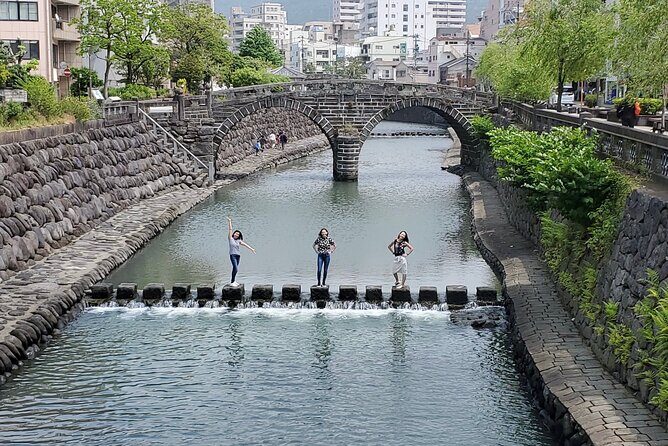
Then you reach Spectacles Bridge (Meganebashi). This is the kind of stop that makes people instantly smile. The bridge is the oldest arcuate stone bridge in existence, born in 1634. In earlier times, it was considered part of the Kofukuji entrance for native Chinese, which is a fascinating detail because it ties back to the Chinese influence you saw at Sofukuji. The bridge isn’t random scenery. It’s part of a social and cultural pathway.
Spend around 30 minutes here. Admission is free, and the focus is on viewpoint time. The bridge area features a heart-shaped stone wall, which is exactly the sort of feature you’ll want to photograph from the right angle. The guide’s role here is practical: they’ll point out what you might otherwise miss.
If you’re planning your own late-day exploration, treat this view as your orientation marker. Once you see it, you can mentally map where the shopping streets and temple area connect.
Hamamachi Arcade: covered lanes for snacks, shopping, and local energy
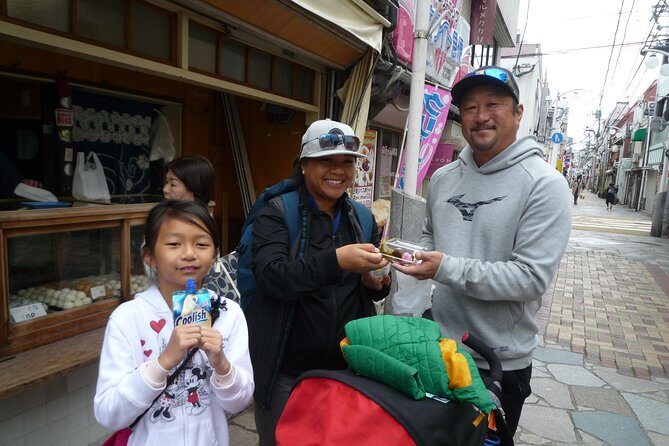
After the bridge, you walk through Hamamachi Arcade (Hamanmachi Shopping Street). This is where Nagasaki becomes less formal and more human. Covered arcades are one of the best ways to read a city on foot. You notice shop signage, banner styles, foot traffic, and the little side lanes that open like corridors.
You get about 25 minutes here. It’s free to enter, so you can browse without pressure. The tour framing highlights that these arcades stretch hundreds of meters and branch in different directions, often decorated with local emblems and colorful banners.
Because food and drinks aren’t included, this is a strong moment to plan your own snack. If you’re trying to keep the tour budget tight, you can still have fun here: pick one small bite and one souvenir, then save the rest of your appetite for your own dinner plan.
A practical tip: if you want photos, don’t just aim at storefronts. Look up along the ceiling structure and toward the banner placements. Covered arcades make overhead lines and signage feel more dense, which gives better compositions.
You can also read our reviews of more historical tours in Nagasaki
Why the small group and 3.5-hour timing works
This tour is built for a specific travel style: structured morning, independent afternoon. It runs about 3 hours 30 minutes, and that half-day length is the sweet spot for first-timers in Nagasaki. You’re getting enough guided time to understand what you’re looking at, but you’re not spending the entire day on a schedule.
Group size is limited to 8 people, and it’s set up as a private activity so it’s only your group. In real terms, that tends to mean less rushing, more chance to ask questions, and fewer bottlenecks at the temples and bridge.
From the guide side, I’d expect a high level of energy and clear communication. In past departures, guides such as Yuko, Tomomi, Yuki, and Masaaki were specifically praised for being friendly, professional, and strong on historical context, plus sticking to time. That matters because Nagasaki sightseeing works best when you don’t constantly feel like you’re chasing the group.
One small audio consideration: walking groups can be hard to hear when sound carries badly. If you know you have trouble picking up voices in noisy streets, pick a spot close to the guide and don’t drift to the back.
Price and value: what $105.42 buys you in real terms
At $105.42 per person for roughly 3.5 hours, the price isn’t cheap in absolute terms. But it’s easier to justify when you translate it into what’s included.
You’re paying for:
- A professional guide
- Local taxes
- Admission tickets included for the tram-related first segment and temple visits (at least Sofukuji and Kofukuji, with ticketed access mentioned for those temple stops)
- Multiple landmark and street segments where the time-saving value comes from guided routing and context (bridge and arcades are free, but the guide helps you understand what you’re seeing)
What you’re not paying for:
- Food and drinks
- Hotel pickup and drop-off, and there’s no mention of private transportation beyond the tram segment
So here’s my take: you should treat this as a history-and-street interpretation tour, not a food tour in disguise. If you want a guided morning plus a clean route through key temple-and-arcade Nagasaki, that price can feel fair. If you only want a few photos and don’t care about context, you might find cheaper self-guided options.
Who should book this tour
This experience is a strong fit if you:
- Want the story behind Nagasaki’s Chinese influence without turning the day into a lecture marathon
- Like walking routes that mix monuments with everyday shopping streets
- Prefer a small group for easier questions and calmer pacing
- Have only a half-day in Nagasaki and want to make it count
It’s less ideal if you:
- Have very limited mobility or tire quickly from continuous walking (you should plan around the moderate-fitness expectation)
- Expect the tour to provide snacks or full meals (food isn’t included)
- Want a purely food-focused itinerary rather than temples, bridge, and shopping arcades
Practical tips for a smooth Nagasaki morning
Here’s how you set yourself up for an easy win:
- Wear shoes that are easy to walk in. You’ll be on your feet for several segments.
- Plan your day so you can stay relaxed after the tour. Since it ends back at the meeting point, you’ll likely want to continue exploring on your own.
- Since there’s no hotel pickup, get to the meeting point on your own. The tour meets at Hotel New Nagasaki (14-5 Daikokumachi, Nagasaki) with a 9:00 am start.
- Bring a light plan for food and drinks. Since nothing is included, decide ahead of time whether you’ll snack during the arcades or save it for afterward.
If you’re a planner, use the Motenashi ya stop to grab touring materials so your afternoon route feels logical rather than random.
Should you book Taste Local Life: Nagasaki Historical Street Walking Tour?
I’d book it if you want a guided, high-context morning that still leaves you time to wander. The combination of Sofukuji’s Chinese-style temple roots, Kofukuji’s everyday-history surprises, and the Spectacles Bridge viewpoint is a smart way to understand Nagasaki beyond the obvious postcard shots. Add in the short tram ride and the covered arcade browsing, and you get a day that feels both informative and practical.
Skip it only if your priorities are totally different. If you’re only chasing views with minimal walking and you don’t care about the how-and-why behind what you see, a self-guided route may cost less and still satisfy your photo needs.
FAQ
How long is the Nagasaki historical street walking tour?
It runs for about 3 hours 30 minutes.
Where does the tour start and end?
The tour meets at Hotel New Nagasaki (14-5 Daikokumachi, Nagasaki) and ends back at the same meeting point.
How much does the tour cost?
The price is $105.42 per person.
What is included in the price?
The tour includes a professional guide, local taxes, and admission tickets for certain stops. The tram segment ticket and temple admissions are included as part of the itinerary.
Are food and drinks included?
No. Food and drinks are not included.
Is there a group size limit?
Yes. The tour is a small group limited to 8 people.
What should I wear?
Wear shoes that are easy to walk in, since the tour involves moderate walking.
What happens after booking?
You should receive confirmation within 48 hours of booking, subject to availability, and you’ll have a mobile ticket.