Nagasaki hits harder with a local. This private tour matches you with a like-minded local host after a short questionnaire, then shapes the day around what you actually want to see with personalized routing.
I really like how the stops mix big meaning with everyday life: you’ll spend time at the Nagasaki Peace Park area and then shift into neighborhood streets, shops, and food. One thing to plan for is that it’s mostly walking, so bring good shoes and expect some budget for meals since food and drinks aren’t included.
In This Review
- Key Points You’ll Care About
- Why Nagasaki Makes More Sense With a Host
- Starting at Nagasaki City Tourist Information Center and Getting Your Bearings
- Peace Park, Hypocenter, and Memorial Hall: Where the City’s Resilience Shows
- Shōfuku-ji Temple: A 400-Year-Old Stop With a Fortune-Temple Twist
- Chinatown and Fusion Food: The Tastes That Mark Nagasaki’s Mix
- Siebold-dori and Naka-dori Shopping Streets: Everyday Nagasaki, Not Just Sights
- Teramachi Cemetery (Temple Town): Moss, Memory, and a Slower Walk
- How the Flexibility Actually Helps Your Day
- Price and Value: $64.05 for a Private Local Day
- Transportation and Walking Reality in Nagasaki
- Who This Tour Fits Best
- A Small But Important Packing Checklist
- Should You Book This Nagasaki Private Tour?
- FAQ
- How long is the Nagasaki private tour?
- Where does the tour start?
- Does the tour include hotel pick-up?
- Is this a private tour?
- Do I get a questionnaire before the tour?
- Is food included?
- Is transportation included?
- Are attraction tickets included?
- Are service animals allowed?
- What if I cancel?
Key Points You’ll Care About
- Local-host matching by questionnaire so your day reflects your interests, not a fixed script
- Nagasaki Peace Park + hypocenter + memorial hall for context you can’t get from a quick photo stop
- Shōfuku-ji, one of Nagasaki’s four fortune temples with a history-forward visit
- Chinatown plus two shopping streets (Siebold-dori and Naka-dori) for real street-level Nagasaki
- Teramachi cemetery in Temple Town—a striking, quiet contrast to the city’s bustle
Why Nagasaki Makes More Sense With a Host
Nagasaki is a city of layers. It has deep memory, strong community, and neighborhoods that feel lived-in, not staged for tourists.
That’s why this kind of private local tour works so well. After booking, you get a short questionnaire within 24 hours, and you’re matched with a host based on your responses. Then your host contacts you directly to suggest an itinerary and agree on a meeting time and place, with flexibility during the experience if your priorities shift.
You can also read our reviews of more private tours in Nagasaki
Starting at Nagasaki City Tourist Information Center and Getting Your Bearings
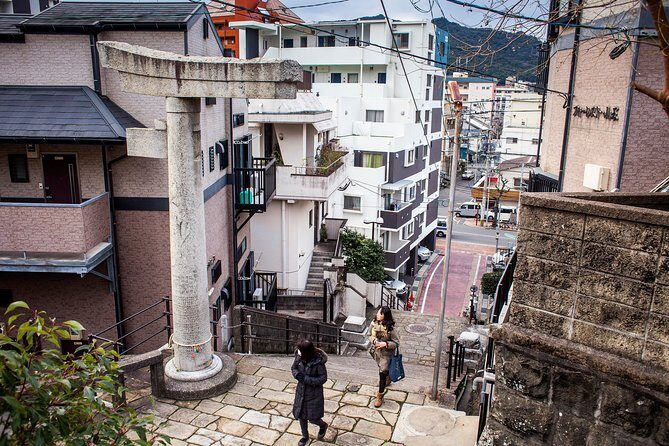
Most days begin at the Nagasaki City Tourist Information Center, 1-60 Onouemachi. It’s an easy, central place to regroup, and it sets you up for a walking-focused day.
Your host brings the practical side too—directions, pacing, and the little decisions that keep a tour from feeling like a checklist. If you’re short on time, this format can also help you focus on what matters most to you instead of trying to cram everything into one self-guided afternoon.
If you’re staying central, you can also request a hotel meet-up (not guaranteed for every location, but it’s an option). That can save you the first chunk of the day figuring out transit and exits.
Peace Park, Hypocenter, and Memorial Hall: Where the City’s Resilience Shows
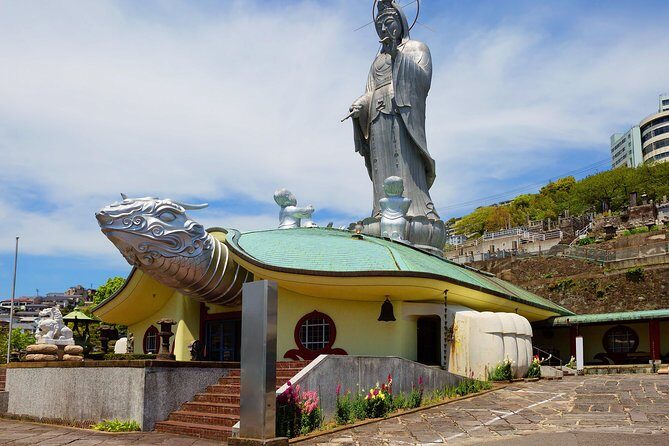
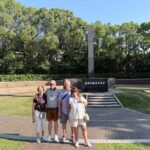
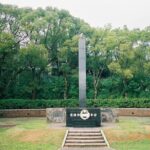
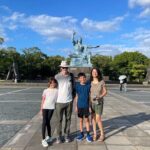
The first major theme stop is the Nagasaki Peace Park area, including the hypocenter and memorial hall. This isn’t just a place to stand and read; it’s where Nagasaki’s story becomes visible in physical form—space, monuments, and how people gather around memory.
What I like about including these stops in a personalized tour is the sequencing. A host can give you the right context before you enter the memorial spaces, so you’re not trying to piece together history while you’re already standing in it.
Practical note: this part of the day can feel emotionally heavy. Build in slower moments. If your host offers a walking route that reduces backtracking, take it—it keeps your energy steady for the rest of the neighborhoods.
Shōfuku-ji Temple: A 400-Year-Old Stop With a Fortune-Temple Twist
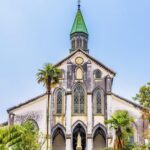
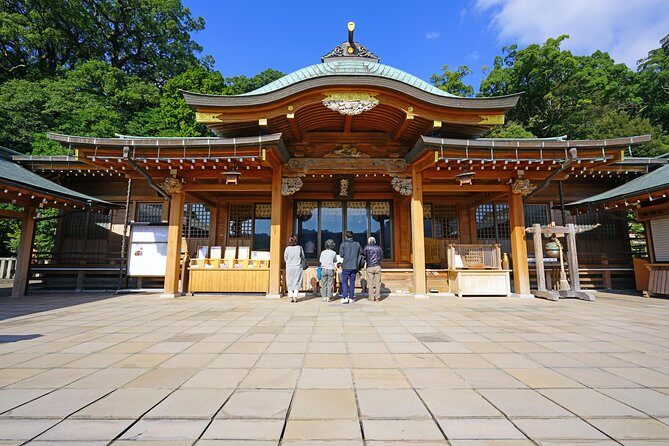
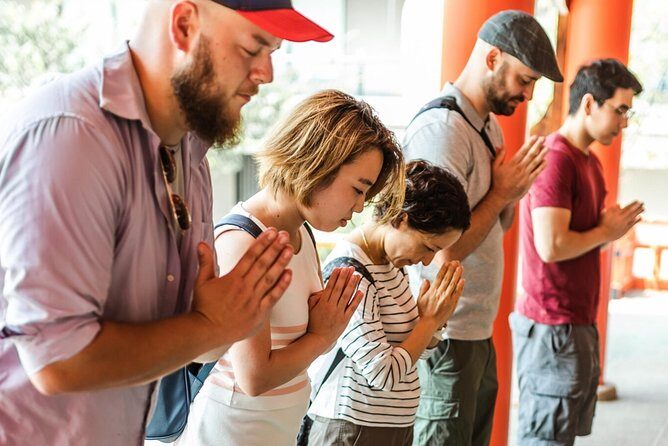
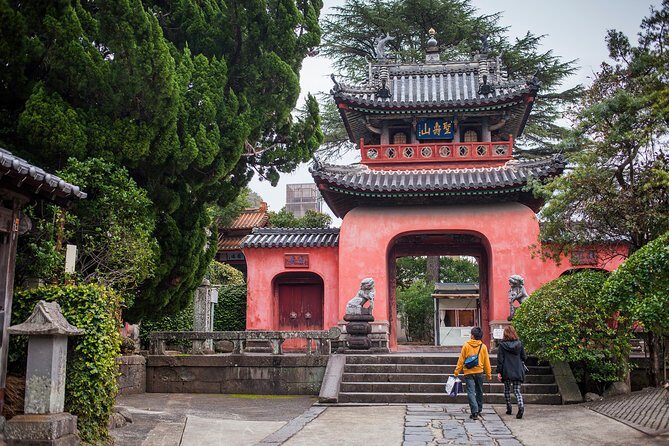
Next is Shōfuku-ji, a 400-year-old temple and one of the four fortune temples of Nagasaki. This is a different side of the city: spiritual practice, cultural continuity, and a place that’s meant for repeat visits, not a quick photo and go.
A host’s value here is interpretation. Temples and shrines can feel like quiet architecture until someone explains what people come for—what’s symbolic, what’s practiced, and why this temple is part of Nagasaki’s religious rhythm.
If your group likes cultural details, you’ll probably enjoy the way a local guide can connect the temple experience to wider neighborhood life. Some hosts also build in time for tea at a Buddhist temple, based on past tour experiences—so if you’re curious about a more relaxed, traditional pause, ask if it fits your schedule and interests.
Chinatown and Fusion Food: The Tastes That Mark Nagasaki’s Mix
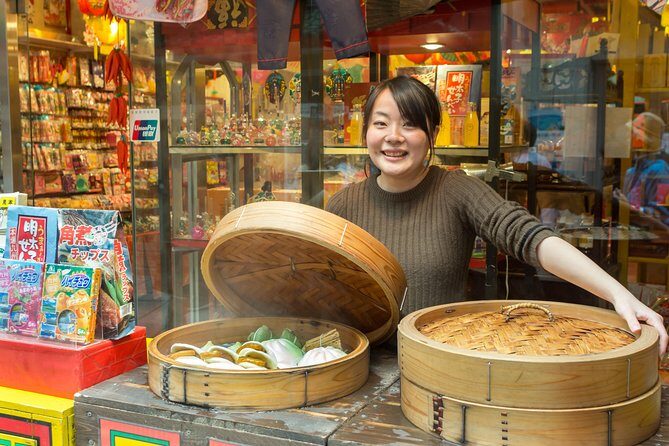
Then you shift into Chinatown, described as the oldest in Japan. This area is a strong match for visitors who like food, street atmosphere, and cultural overlap.
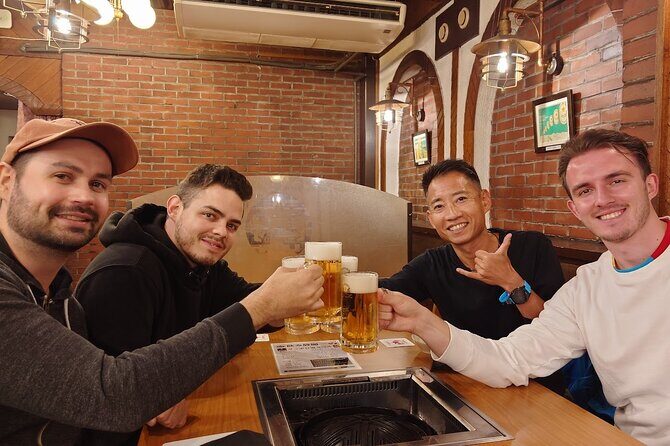
You’ll get a chance to try delicious fusion food in Chinatown. Since food and drinks aren’t included, your host is the key person to ask: what to order, what’s easy to share, what fits your dietary needs, and what’s worth spending time on versus what’s mostly for show.
One of the best parts of a private host day is that the lunch plan doesn’t have to be generic. In past tours, hosts helped guests identify items to eat and drink for unique diets, and they can steer you toward places that make sense for your pace and preferences.

Siebold-dori and Naka-dori Shopping Streets: Everyday Nagasaki, Not Just Sights
After Chinatown, you’ll explore two shopping streets: Siebold-dori and Naka-dori. This is where Nagasaki stops feeling like an itinerary and starts feeling like a city you could live in for a month.
Shopping streets are useful on a guided day for one reason: your host can point out what you’d normally miss. Think about product styles, shop signs, and small patterns in what locals buy and browse—signals of local taste, not just tourist souvenirs.
Also, these streets are a great way to rest your brain after heavier history stops. It’s not a break from meaning; it’s a reminder that Nagasaki’s story is still unfolding through daily routines.
Teramachi Cemetery (Temple Town): Moss, Memory, and a Slower Walk
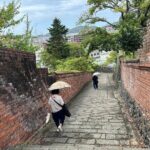
The Teramachi cemetery stop is in the Teramachi district, sometimes called Temple Town. The standout detail here is the moss-covered gravestones—an eerie, quiet scene that feels removed from time.
This stop works best when your host helps you slow down. If you rush, the cemetery becomes just another photo location. If you take a calm pace, it becomes a place where you can feel the atmosphere—how the stones sit, how the textures read in daylight, and why visitors often remember this moment even when the rest of the day blurs.
Because it’s on foot and involves walking through a district, wear shoes that don’t punish you later. Even with a flexible plan, you’ll want legs that feel good enough to keep going after this contrast-heavy stop.
How the Flexibility Actually Helps Your Day
The tour is private, and that matters a lot here. Your host will tailor the route based on your interests and then agree on a meeting plan up front—but the itinerary stays flexible during the experience.
That means if you’re more interested in religious sites than shopping, or you’d rather linger at one location, you can adjust. And if you start the day with a plan that feels off once you’re walking under the city’s actual conditions, you can change your mind.
This flexibility shows up in real-world guidance too. Some past hosts adjusted for the group’s needs, including helping an elderly guest using a walker and even suggesting better walking shoes. That kind of adaptability is hard to get from a fixed group tour.
Price and Value: $64.05 for a Private Local Day
At $64.05 per person, this tour is priced like a budget-friendly private experience, not a high-ticket luxury day. The value is in what you receive: a private and personalized walking tour with a passionate local, plus a hotel meet-up option for central locations.
A few cost-related things to keep in mind:
- Food and drinks aren’t included, so budget for lunch and snacks
- Transportation isn’t included; the tour is primarily walking, though public transport may be used
- Tickets to attractions aren’t included, if any stops require them
- Gratuities aren’t included (optional, as with most tours)
The upside: because you’re not paying separately for guide time in a taxi-heavy package, you’re paying mainly for interpretation and planning. For a city like Nagasaki—where context changes how you read each place—that usually feels like a smart use of your travel money.
Transportation and Walking Reality in Nagasaki
Even though the experience is primarily a walking tour, you’re not locked into only foot traffic. If your host thinks it helps your time, public transport may be used. This is especially helpful if you’re mixing neighborhoods that are a bit farther apart than they look on a map.
Still, the “mostly walking” point is the big one. Wear comfortable shoes, and if you’re sensitive to long days, treat this like a full walking workout even when the route sounds compact.
Who This Tour Fits Best
This tour is a strong match if you want:
- A clear, story-based route through Nagasaki rather than disconnected stops
- Cultural and historical context paired with local street life
- A day that can change when you learn what you actually enjoy once you’re there
- Help planning meals, especially if you have dietary preferences (some hosts have done this well)
It’s also ideal for small groups that want privacy. Since only your group participates, you can ask direct questions and spend more time where your interests pull you.
A Small But Important Packing Checklist
To make the day feel easy instead of tiring, I’d plan around walking comfort and time flexibility:
- Comfortable walking shoes (this has come up as a real issue for some guests)
- Weather-ready layers, since you’ll be outdoors a lot
- A light snack or water plan for the gaps between food choices
- Any mobility notes you want your host to know early
When your host knows your limits, the itinerary can be adjusted in smarter ways.
Should You Book This Nagasaki Private Tour?
If you’re spending more than a few hours in Nagasaki and you want more meaning than a photo map, yes—this is an excellent way to see the city. The standout strength is pairing major sites like Nagasaki Peace Park with neighborhood streets and Chinatown, all through a host who can adapt to your pace and interests.
Book it especially if:
- you want the experience shaped to you, not just a standard route
- you care about context at Peace Park and at religious sites like Shōfuku-ji
- you want a smoother day for mobility needs (tell your host what to plan around)
Skip it if you only want a quick hit of major sights with zero walking and no back-and-forth. This tour shines when you’re willing to move through the city at human speed and let a local guide set the rhythm.
FAQ
How long is the Nagasaki private tour?
It runs for about 2 to 8 hours, depending on the schedule you set with your host.
Where does the tour start?
The meeting point is Nagasaki City Tourist Information Center, 1-60 Onouemachi, Nagasaki, 850-0058, Japan.
Does the tour include hotel pick-up?
A hotel meet-up is available on request for central locations.
Is this a private tour?
Yes. It’s private, and only your group will participate.
Do I get a questionnaire before the tour?
Yes. Within 24 hours after booking, you receive a short questionnaire about your personality and interests, and you’re matched with a host.
Is food included?
No. Food and drinks are not included.
Is transportation included?
No. Transportation is not included. The experience is primarily walking, but public transport may be used.
Are attraction tickets included?
Tickets to attractions are not included.
Are service animals allowed?
Yes, service animals are allowed.
What if I cancel?
You can cancel for a full refund up to 24 hours in advance of the experience’s start time.
If you tell me your travel dates, how many people are in your group, and what matters most (history, temples, food, shopping, or a mix), I can suggest a practical way to set your priorities for the 2–8 hour window.