REVIEW · NAGASAKI
Nagasaki: Private Tour with Local Guide
Book on GetYourGuide →Operated by JGA Inc. · Bookable on GetYourGuide
Nagasaki hits hard, then teaches fast. A private walking tour with a licensed local guide makes the city feel readable, not like a blur of stops. I like two things most: the customizable route (you pick the pace and priorities) and the licensed guide who can connect what you see to how Nagasaki became Nagasaki.
You’ll also get a day that can be practical as well as emotional. One possible consideration: this is rain-or-shine walking, and food plus any entrance fees are on you, so budget a bit extra beyond the base price.
In This Review
- Key highlights worth planning around
- Starting at Your Hotel (and Not Wasting the First Hour)
- Peace Park to the Atomic Bomb Museum: What You’ll Actually See
- Chinatown and Port History: A Different Side of Nagasaki
- Oura Church: A National Treasure You Can Feel
- Glover Garden and Thomas Blake Glover: Western Houses, Reassembled
- How the Custom Route Actually Works (So You Don’t End Up Doing “Random”)
- Time on Your Feet, Weather, and Getting Around
- Price and Value: Is $109 a Fair Deal?
- Who Should Book This Tour (and Who Should Skip It)
- Should You Book This Nagasaki Private Walking Tour?
- FAQ
- How long is the Nagasaki private walking tour?
- What sites are typically included on a 6-hour version?
- Is the itinerary customizable?
- What language is the guide available in?
- Does the tour include hotel pickup?
- Are entrance fees and food included?
- How does transportation work during the tour?
- Is the tour private?
- Does it run in bad weather?
Key highlights worth planning around
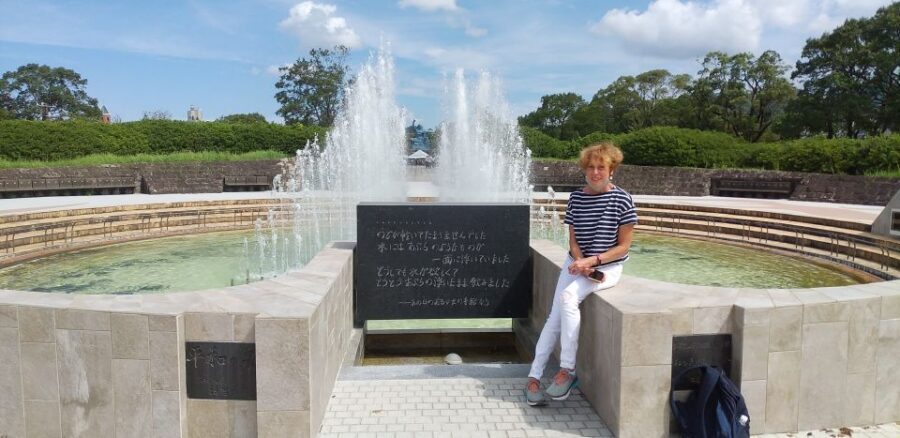
- Peace Park + Atomic Bomb Museum context in plain language
- Route flexibility: choose your start time and your must-sees
- Oura Church (National Treasure) for Christian Nagasaki
- Chinatown and port history linking East and West
- Glover Garden and Thomas Blake Glover’s western-era Nagasaki
- Hotel pickup and private guide, English or Japanese
Starting at Your Hotel (and Not Wasting the First Hour)
This tour is built for people who want their first day in Nagasaki to feel organized. You meet your guide at your hotel, and the guide is waiting about 10 minutes early in the lobby you request on foot. If you’re not right nearby, the tour can switch to public transport or taxi for getting between areas during the day.
The format is a private group, so you’re not stuck with a random pace. Want more time at a single site? Want to skip something? You can. You also get a choice in length—4 or 6 hours—which helps when you’re balancing cruise schedules or transfers to the next city.
One small but important detail: while pickup is included, transportation to and from the meeting point is not part of the price. And entrance fees and food aren’t included either. That means your guide can plan the route, but you’ll still pay as you go for things like museums or paid sites.
If you need English support, the tour runs with an English-speaking guide (or Japanese). If you’ve ever had a language mismatch, this is where you’ll want to pay attention. The good news: guides on this experience are often strong at explaining history with context, and some will tailor their approach to your interests ahead of time.
You can also read our reviews of more guided tours in Nagasaki
Peace Park to the Atomic Bomb Museum: What You’ll Actually See
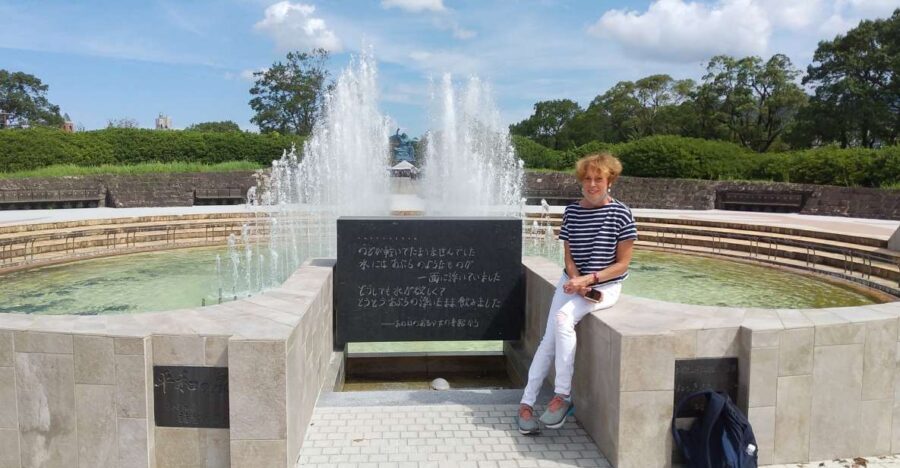
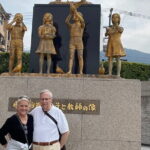
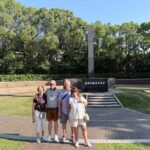
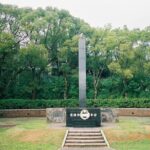
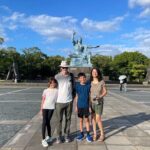
If you only did one Nagasaki segment, you’d still feel the weight of it here. The typical flow starts at Nagasaki Peace Park, where you’ll see the Peace Statue and walk through the area tied to the city’s remembered moment in 1945. Next comes Hypocenter Park, built on the site of the blast epicenter. You’ll be able to view the memorial elements, including the cenotaph and the surviving wall of the Urakami Cathedral.
This is not just sightseeing. The guide’s job is to translate the sights into meaning—what the memorials are referencing, why certain places were preserved or rebuilt, and how Nagasaki talks about peace after the bombing. One guide quality that repeatedly stands out is patience. People describe a guide who takes time with questions and keeps the story coherent instead of rushing through facts.
From there, you’ll typically go to the Nagasaki Atomic Bomb Museum. Expect historic exhibits and recovered artifacts displayed in a way that makes the timeline and impact easier to grasp. This is often where first-time visitors say the day turns from “I’m seeing sites” into “I’m understanding what those sites are for.” The emotional part is real, but the value is the clarity: you leave with a fuller picture of what happened and how survivors and the city shaped the message afterward.
Practical tip: this section is best on shoes you trust. You’ll be walking, standing, and reading at memorials. If your comfort is limited, tell the guide early so they can adjust the pacing and keep breaks realistic.
Chinatown and Port History: A Different Side of Nagasaki
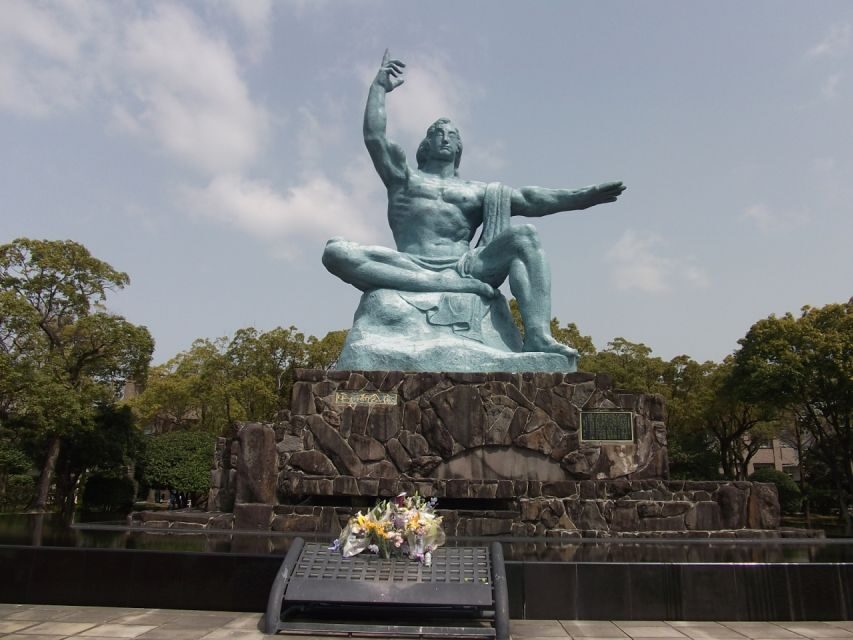
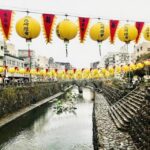
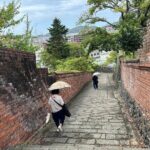
After the memorial portion, the tour often shifts gears. In Nagasaki’s Chinatown district, your guide can explain how the port helped bring cultures together for centuries—stories of trade, migration, and shared everyday life.
This part matters because Nagasaki isn’t only remembered through a single event. It’s also a port city with a long record of exchange between East and West. When your guide connects the neighborhood streets to that bigger story, it stops being a random food-and-photo stop and becomes part of a coherent city portrait.
Lunch is usually built in around what you want to eat. One common approach is stopping at a local restaurant and sampling dishes such as chanpon noodles and Sara Udon noodles. If you’re choosing lunch yourself, you’ll still benefit from having the guide help you pick something that fits where you are in the route—rather than trying to solve logistics while hungry.
If you’re a history nerd, you might also find your route including the Dutch trading area area nearby. In at least one guided day, that stop was praised as insightful and educational—an extra layer for understanding how Nagasaki’s international connections shaped what the city became.
This section is also a nice mental reset. The Peace Park and museum portion can be heavy. Chinatown gives you something gentler to absorb: everyday culture, the rhythm of the streets, and the flavors that make the city feel alive.
Oura Church: A National Treasure You Can Feel
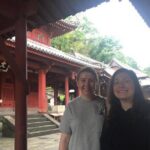
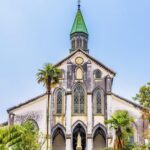
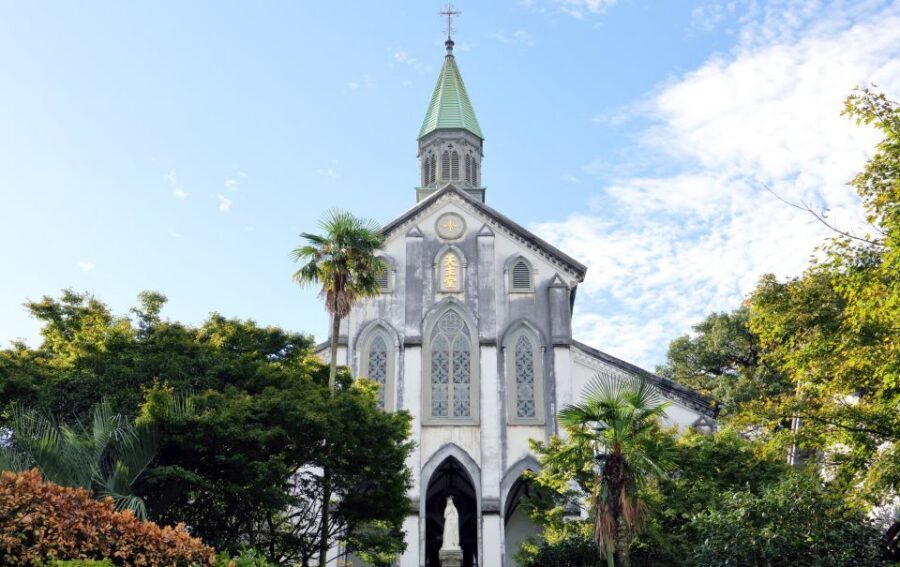
One of the strongest “how is this still here?” stops on the tour is Oura Church. It’s described as serving as a place of worship for Nagasaki’s Christian residents since the mid-1800s, and it’s designated a National Treasure. The key detail is that it’s also noted as Japan’s oldest surviving church.
When you arrive at a place like this with context, you notice different things. Your guide can point out architectural features and the historical role of the church in Nagasaki’s Christian community. You may also get cultural notes about the Japanese language and how meaning gets carried through the way locals talk about history.
A good guide can make this stop feel personal without turning it into a lecture. Some days, guides add life-in-Nagasaki perspective and small cultural observations that make the church feel like part of a living city, not a museum exhibit on a hill.
Practical tip: expect walking uphill or around viewpoints in this area. If your mobility is limited, tell the guide. The tour is wheelchair accessible, but the best experience still comes from matching the route to your physical comfort.
Glover Garden and Thomas Blake Glover: Western Houses, Reassembled
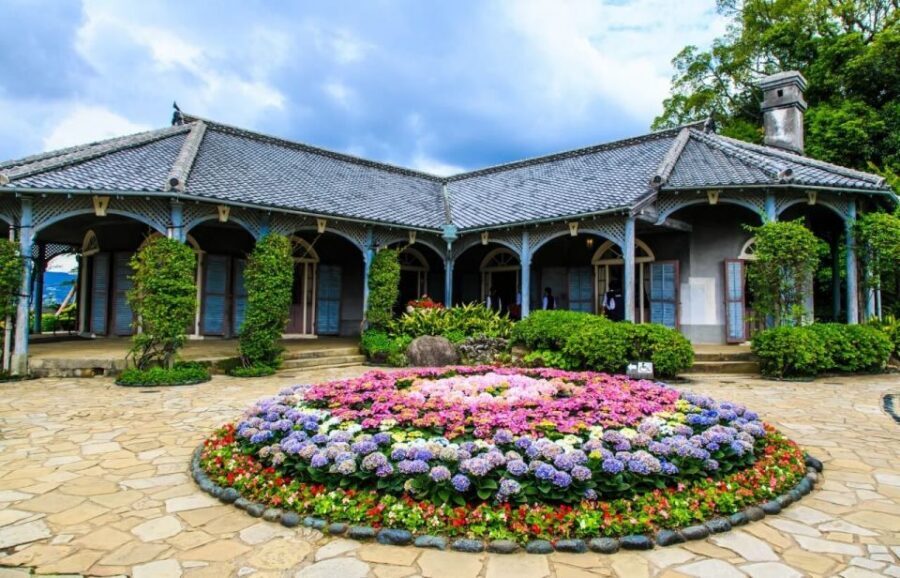
After Oura Church, the tour often heads toward Glover Garden, a collection of western homes and buildings that have been reassembled around the house of Scottish entrepreneur Thomas Blake Glover. Even if western architecture isn’t your usual interest, this stop can be surprisingly useful for understanding how foreign trade ties shaped Nagasaki.
Glover Garden helps connect dots. You’ve already seen memorials and learned about port exchanges. Now you can visually grasp what those trade links looked like in everyday built form—houses, offices, and the physical presence of overseas connections.
The atmosphere here also gives you breathing space. After the intensity of memorials and museum artifacts, this is lighter. It’s still history, but you’ll likely spend more time looking around and less time processing heartbreaking content.
If you like photos, you’ll find spots with strong views of the surrounding area. If you don’t care about photos, still go for the perspective: the garden turns western influence into a readable map in your head.
You can also read our reviews of more private tours in Nagasaki
How the Custom Route Actually Works (So You Don’t End Up Doing “Random”)
The big promise with this tour is customization. You can choose what you want to see and when you want your tour to start, and the local partner arranges an itinerary to fit you.
In practice, that means you should show your guide what matters most before you meet. Some guides reach out ahead of time to confirm interests so they can tailor the day. One example from English-language experiences: a guide named Kuribayashi-san reached out in advance, listened to what people wanted, and then shaped the route accordingly. That kind of prep makes the day feel smoother because you’re not starting from scratch once you’re already on the move.
It also helps to decide what tone you want for the day:
- If you want heavy and meaningful, focus on Peace Park and the museum, then keep later stops more flexible.
- If you want a balanced first look at Nagasaki, pair memorial sights with port districts, churches, and Glover Garden.
If you’re short on time, the 4-hour option can work well as a “greatest hits” day. The 6-hour option gives you room for lunch and less rushing between viewpoints and indoor exhibits.
A final customization note: the route you end up with may include extra stops beyond the “example itinerary,” such as the Dutch trading area. Your best move is to tell your guide your must-sees and let them handle the order.
Time on Your Feet, Weather, and Getting Around
This experience runs 4–6 hours, and it’s designed as a walking tour. It happens rain or shine, so pack for weather even if the forecast looks friendly.
Most of the time, you’ll move between neighborhoods on foot, with transportation arranged if needed. During the tour, it can be conducted using public transportation or taxi if that fits your plan better. That’s a practical advantage in a hill-and-stairs city—sometimes a short taxi hop can save your day.
Because it’s private, your pace is more controllable than on group tours. You can ask for short breaks. You can slow down near memorials for reading. You can also request more frequent photo stops if you want them without feeling like you’re holding up a large group.
One more thing: entrance fees aren’t included. Many visitors don’t budget mentally for that, then feel surprised at checkout. If you’re planning around specific museums or paid exhibits, ask your guide what those likely are so you’re not guessing.
Price and Value: Is $109 a Fair Deal?
At $109 per person for a private, licensed guide over 4–6 hours, the value is strong if you’re trying to do more than “see a list.” You’re paying for:
- a guide who can connect sites to history and culture
- route flexibility
- private pacing (and usually fewer logistics headaches)
If you’re traveling with someone else, this can start to feel like the kind of guided day that replaces multiple “self-guided” efforts. Without a guide, you can still visit these places, but you’d spend more time figuring out what to prioritize and how the pieces fit together. With a guide, you spend more time understanding what you’re looking at.
There is also the emotional value. Peace Park and the Atomic Bomb Museum are not experiences you want to rush. A guide who keeps things organized and patient can be the difference between “I saw it” and “I understood it.”
That said, value depends on how your guide communicates in your language. One experience shared an instance of weaker English, which is a reminder to confirm your language needs when you book or when the guide contacts you.
Who Should Book This Tour (and Who Should Skip It)
This tour is a great match if you:
- want a first organized look at Nagasaki without building a route from scratch
- care about the story behind Peace Park, the museum, and the memorial sites
- want a balance of memorial meaning and city culture (Chinatown, Oura Church, Glover Garden)
- like asking questions and getting answers that connect history to daily life
It’s also a good pick if you’re the type who doesn’t mind walking, because this is still very much a walk-first day. If you need a very low-mobility route, you should communicate your needs early since the day still involves moving around multiple areas.
If you’re the kind of traveler who only wants quick photo stops and doesn’t care about context, you might feel the time could be spent elsewhere. But if you want to understand what the city is telling you, this private format is built for that.
Should You Book This Nagasaki Private Walking Tour?
Book it if you want a guided day that makes Nagasaki feel connected—memorial to port, church to western-era trade, then back to the city’s wider identity. You’ll get a professional licensed local guide, route flexibility, and a structure that keeps the day from turning into random wandering.
Skip it (or adjust your expectations) if you’re budget-tight for entrance fees and want every part included in the base price. Also consider your language needs carefully, since a small number of experiences have mentioned communication issues.
If you want one smart strategy: choose your top priorities before you meet the guide—Peace Park and the museum if you’re there for history and meaning, and then add one or two cultural stops like Chinatown or Oura Church. That’s how you get the most value out of a 4–6 hour day.
FAQ
How long is the Nagasaki private walking tour?
It runs for 4 to 6 hours, depending on the option you select and the route your guide plans with you.
What sites are typically included on a 6-hour version?
A common flow includes Nagasaki Peace Park, Hypocenter Park, the Nagasaki Atomic Bomb Museum, Chinatown, Oura Church, and Glover Garden.
Is the itinerary customizable?
Yes. You can choose what you want to experience, pick a start time, and the local partner can arrange a route to match your preferences.
What language is the guide available in?
The live guide is available in English and Japanese.
Does the tour include hotel pickup?
Yes. Your guide meets you at your requested hotel lobby on foot, about 10 minutes before your scheduled pickup time (within a reasonable distance).
Are entrance fees and food included?
No. Food and drinks and any entrance fees are not included.
How does transportation work during the tour?
The tour is typically conducted by public transportation or taxi if you wish, but pickup is arranged from your hotel.
Is the tour private?
Yes. It’s a private group experience.
Does it run in bad weather?
Yes. This experience operates rain or shine.