REVIEW · NAGASAKI
Nagasaki like a local: Private Guided Walking Tour
Book on GetYourGuide →Operated by Local Insight Tours · Bookable on GetYourGuide
Nagasaki reveals itself faster with a local guide. I like the private, customizable approach because you can steer the pace and themes, and I also like the streetcar-and-walk style navigation that makes the city feel practical on day one. The only real drawback is that meeting logistics can get a little messy if you’re booking very close to departure, so confirm where you’ll meet.
This tour meets you at your accommodation in Nagasaki (city-center), then turns your time into something you can actually use—where to eat, what’s worth your time, and how to read local cues without guessing. Expect your guide to explain everyday routines, local events, and even the softer stuff like cultural nuance and local politics.
Price is $48 per person for a 2–4 hour option (with availability up to 6 hours). That’s a fair setup if you want a personal route and real guidance, but it does cost more than rolling solo—so it’s best when you’ll actually take advantage of the planning and local insight.
In This Review
- Key things that make this Nagasaki tour work
- Meeting your guide where you’re actually staying
- Customizing the day: 2, 3, or 4 hours (and up to 6)
- How your route really gets built: tram, bus, walking, and taxis (if you want)
- The food angle: more than recommendations, it’s part of the plan
- Cultural nuance and local politics: the talk you can’t Google
- Stops that tend to show up: shrine visits, ropeway views, and neighborhood landmarks
- Shopping with a guide’s eyes: practical picks, not tourist traps
- Practical details that keep the tour comfortable
- Price and value: is $48 per person a good deal?
- Who this Nagasaki tour fits best
- Should you book Nagasaki like a local?
- FAQ
- Where do we meet for the Nagasaki tour?
- What tour length options are available?
- What languages are the guides?
- Is it a private tour or a group tour?
- What is included in the price?
- What costs are not included?
- Can we use public transportation or taxis during the tour?
- Who should skip this tour?
- Ready to book?
Key things that make this Nagasaki tour work
- Private customization: you choose what matters to you, then your guide shapes the route.
- Meet-at-your-accommodation pickup: your guide can meet you at your hotel or outside your Airbnb (city-center).
- Streetcar-first navigation: tram rides are part of the experience when they make sense.
- Food advice that’s usable: from okonomiyaki to ramen and more, your guide helps you pick and time meals.
- Cultural + local politics talk: you’re not stuck with only sightseeing facts.
- Guide help beyond walking: one guide even helped with a specific book stop.
Meeting your guide where you’re actually staying
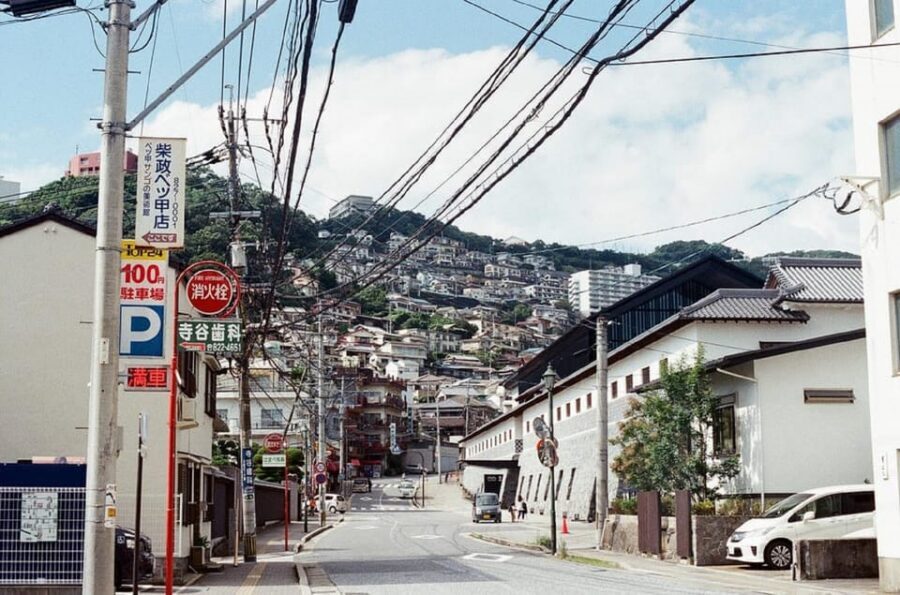
This tour is built around a simple idea: you shouldn’t spend your first hours in Nagasaki figuring everything out. Your guide meets you in the city-center, either in your hotel lobby or just outside your Airbnb or accommodation—so you can start without the stress of transit transfers or finding a random meeting point.
Once you’re together, you get that first helpful rhythm: where you are, how this neighborhood connects to the rest of the city, and what you can realistically fit into your time. This is especially valuable in Nagasaki because the city’s layout and transport options can feel a bit “choose-your-own-adventure” when you’re on your own.
If you’re the type who likes a plan but hates rigid schedules, this setup usually lands well. One practical note: when a booking starts later or very close to the start time, I’d treat confirming the exact meet spot as part of your job. A quick check saves wasted walking.
You can also read our reviews of more walking tours in Nagasaki

Customizing the day: 2, 3, or 4 hours (and up to 6)
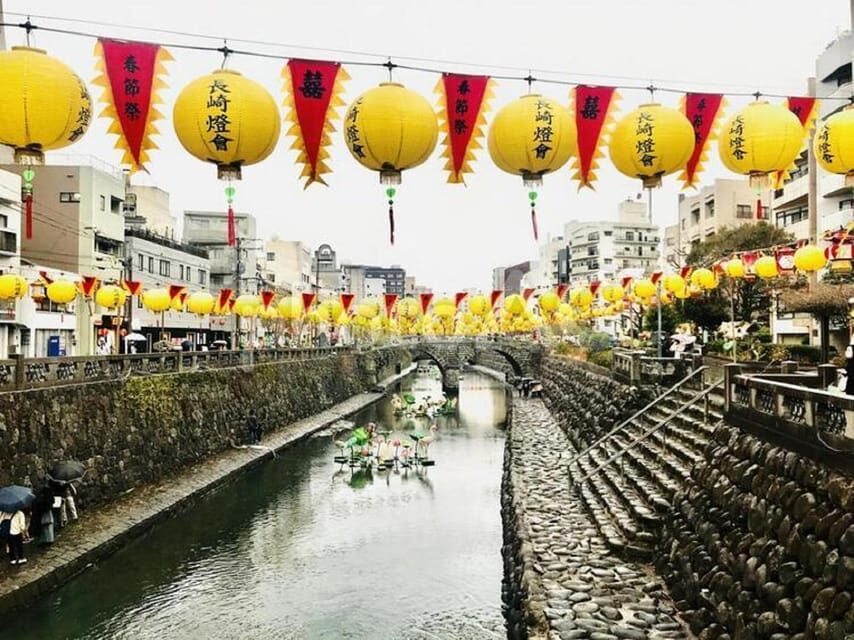
You pick your time window—commonly 2, 3, or 4 hours—and your guide builds a route that matches it. Short tours are perfect if you want orientation plus one or two highlights. Longer tours give you room for a transport mix (walk plus tram plus bus, for example) and more time for food, shopping, and explanations.
Think of it like this: the “walking tour” part isn’t about clocking steps. It’s about building confidence. In a couple hours, a guide can help you learn how to move around, where you’ll want to return, and which streets are worth your attention later.
It also helps that the tour is available with English or Japanese guides, and the experience runs as a private or small-group format. That matters because it keeps the conversation flexible—questions don’t get squeezed into a group script.
How your route really gets built: tram, bus, walking, and taxis (if you want)
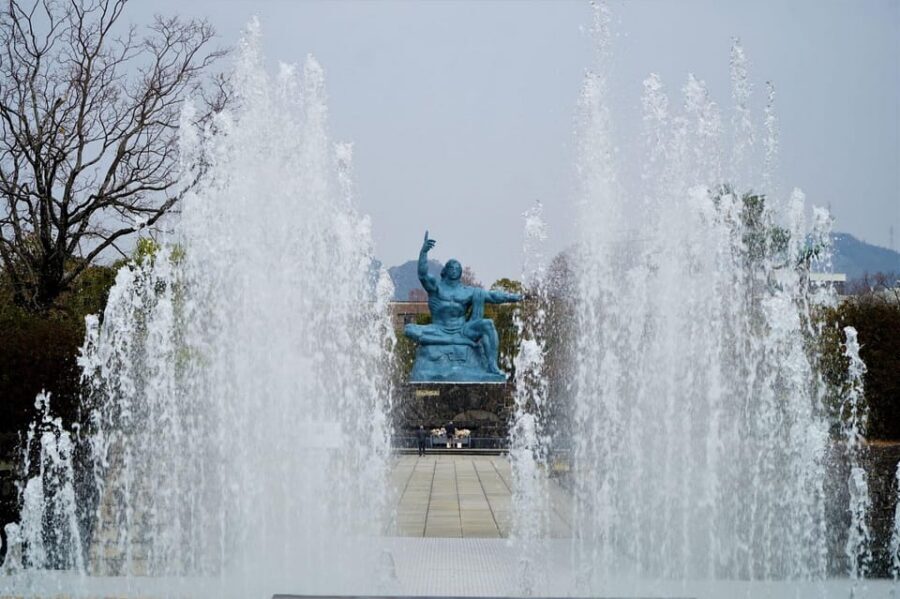
This is a walking tour, but it doesn’t pretend you should only walk. You have the option to use public transportation, and you can also take a taxi if that helps you cover more ground. If you choose taxi, that cost is on you, but it can be worth it when the goal is views or a highlight that’s inconvenient to reach by foot.
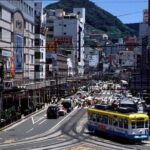
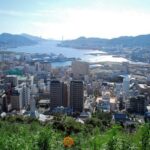
One example route style you may encounter goes like this: you start around the bay area area, then head toward a beautiful stop such as Suwa Shrine by streetcar, and later you might continue with a bus toward the Nagasaki Ropeway area for big-city views. Even if your personal route differs, the structure is useful: your guide links neighborhoods and sights with the transport that makes sense.
Why that’s valuable: Nagasaki can be easier to enjoy when you’re not guessing. Your guide’s job is to connect the dots—what to see, what to skip, and how to get there without wasting time.
The food angle: more than recommendations, it’s part of the plan
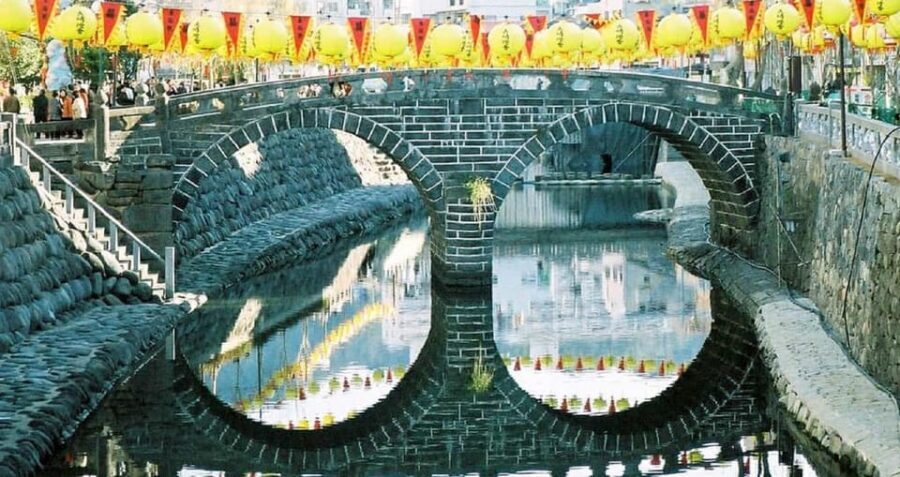
Food is where this kind of tour often turns from “nice” into “I’ll remember this.” You’ll get guidance on where to eat and what to look for, and your guide can time meal breaks so you don’t end up hungry and stuck.
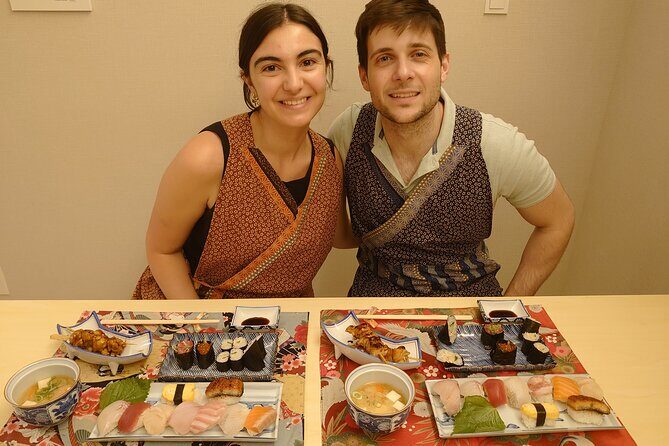
In practice, food stops can range from casual snacks to full meals. One guide experience included getting lunch and making okonomiyaki, which is a very Nagasaki-friendly move because it turns eating into something interactive rather than just ordering. Another route included ramen, and other meal suggestions like shabu shabu came up through the guide’s recommendations.
A small but important detail: meals and drinks aren’t included. So you should plan your budget like this tour is buying you the route and the local decision-making, not the food itself. For me, that’s fair. You’re paying for guidance, not for someone to walk you past restaurants and wish you luck.
If you’ve got dietary needs, your best move is to tell your guide early during customization. The tour is designed for matching to your interests, so using that flexibility for food preferences can save you a lot of indecision later.
Cultural nuance and local politics: the talk you can’t Google

One of the reasons I like private tours is that they handle context without turning into a lecture. Here, your guide is expected to share cultural nuances, local events, and even local politics—usually in a way that helps you understand why things look or feel the way they do.
That matters because Nagasaki has layered stories and strong local identity. Even when you’re just walking and eating, the city makes more sense when someone points out the social logic behind what you see: how locals spend time, what neighborhoods feel important, and how everyday life works.
In some guide experiences, the tone has been warm and friendly—like when guides helped with smooth navigation using the tram system, or when someone suggested a shabu shabu restaurant and actually made the recommendation feel personal. In one case, a guide’s perspective wasn’t always upbeat, which is a reminder that guides are people. If you want only light, feel-good commentary, you can mention your preference when you answer the short matching questions after booking.
You can also read our reviews of more guided tours in Nagasaki



Stops that tend to show up: shrine visits, ropeway views, and neighborhood landmarks
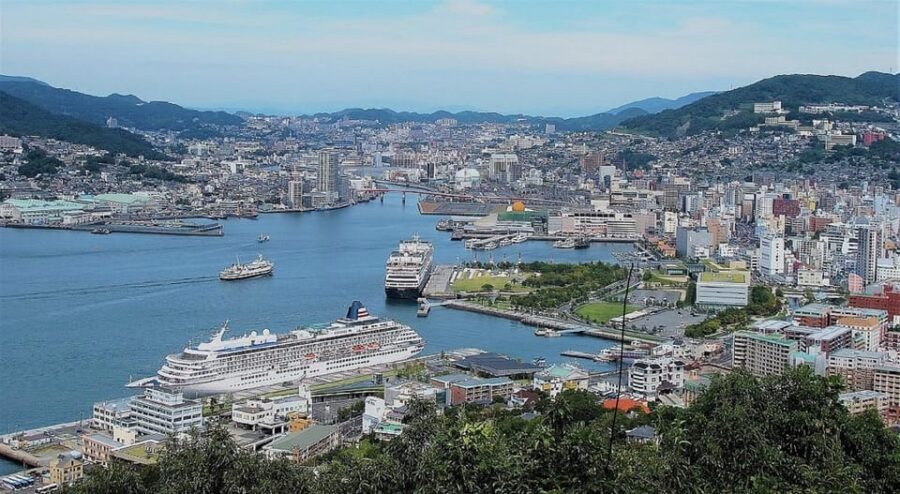
You might not get the same exact stops every time, because customization is the point. But the kinds of highlights that can fit well in a 2–4 hour Nagasaki tour include:
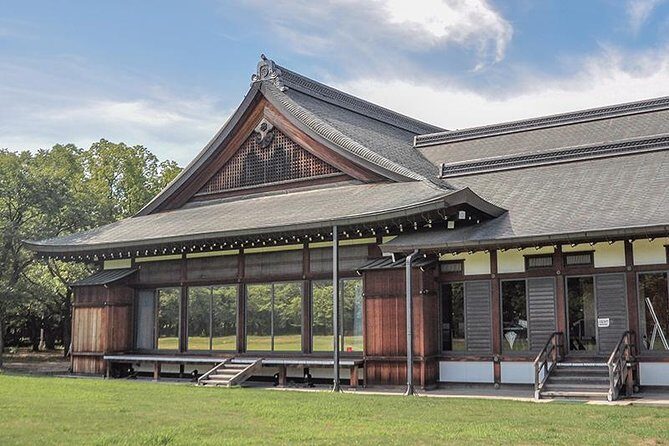
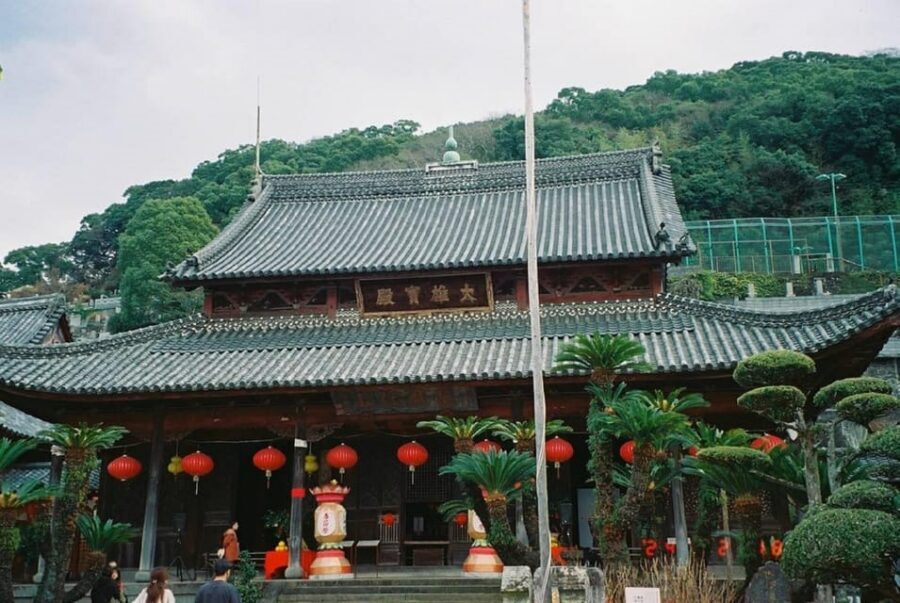
- A shrine stop such as Suwa Shrine, especially when it can be reached efficiently via streetcar.
- A transport-and-view moment like heading toward the Nagasaki Ropeway area by bus for scenic payoff.
- A food break timed to your interests, with guidance on what’s worth ordering.
- A neighborhood walk around the bay and nearby areas so you learn how the city flows.
The value here isn’t just checking boxes. It’s learning where those places sit in relation to everything else. After a tour like this, you usually return to the city differently: you recognize intersections, you know what direction to head, and you feel less like you’re wandering in the dark.
If your time is short, tell your guide what you care about most—views, shrines, food, shopping, or transport. You’ll get a route that supports that priority rather than a random list of photo spots.
Shopping with a guide’s eyes: practical picks, not tourist traps
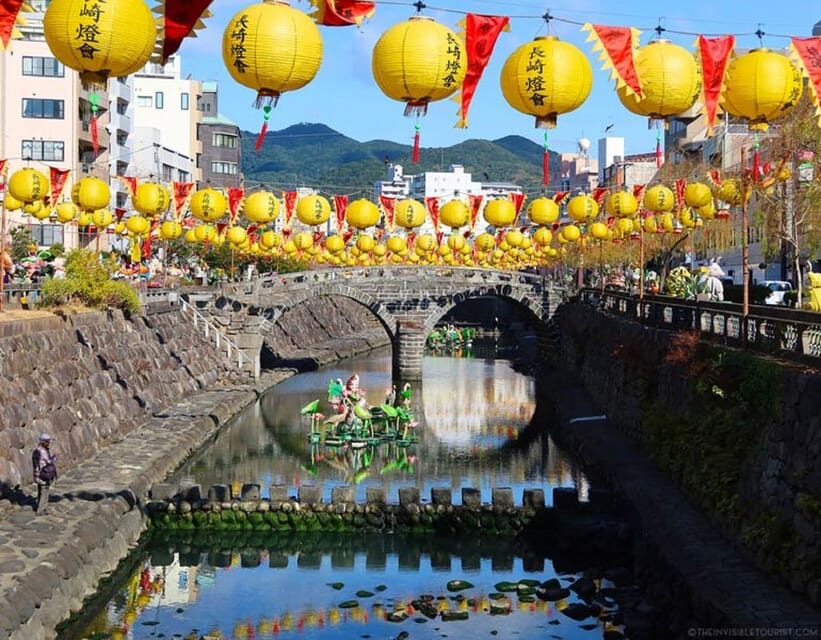
Nagasaki has plenty of shopping, but what makes shopping enjoyable is knowing where locals actually browse. Your guide is there to point out good places to shop and explore based on your preferences.
One very specific example from guide experiences: a guide helped someone reach a particular bookstore and even found a special book. That kind of help is hard to replicate when you’re solo, especially if you’re searching for something specific rather than just killing time.
Even if you’re not chasing a specific item, you’ll likely appreciate the “what to notice” part—what shops are worth stepping into, what streets are convenient, and what you’ll likely regret skipping when you go home.
Practical details that keep the tour comfortable
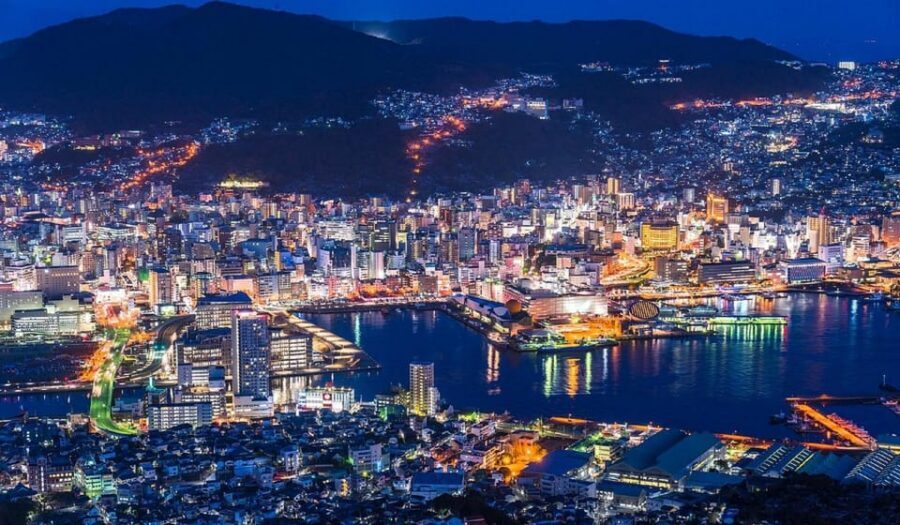
This tour is straightforward, but the small prep details matter.
Bring comfortable shoes, water, and a charged smartphone. You’ll be walking, and if your route includes streetcar and bus segments, you’ll also want your phone ready for navigation and quick translations.
There are also clear restrictions: no smoking, and no alcohol or drugs. And the tour isn’t suitable for pregnant women or wheelchair users, so it’s designed with walking and mobility in mind.
If you tend to get tired fast, you’ll want to tailor your route choice during customization. A good guide can often balance walking time with transport so you still finish feeling like you had a real outing, not a slog.
Price and value: is $48 per person a good deal?
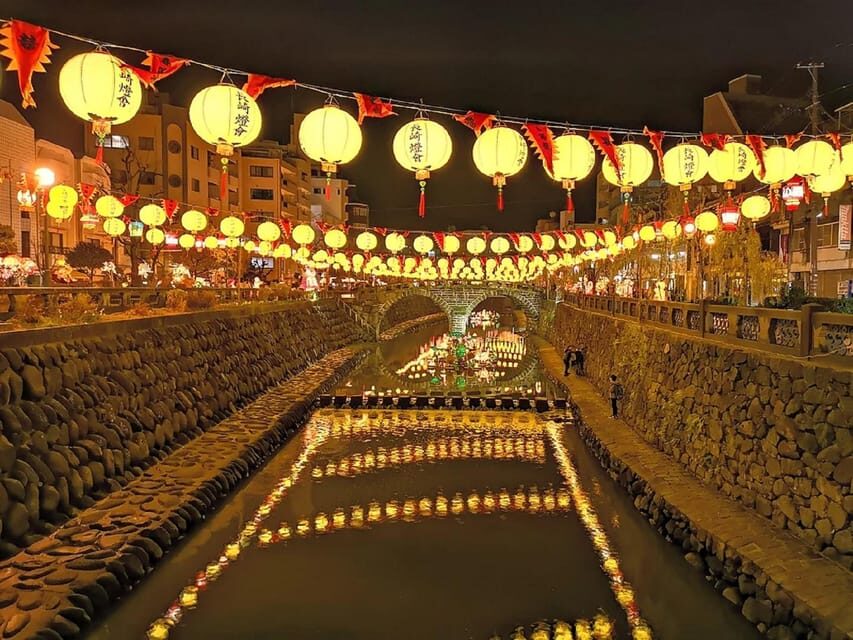
At $48 per person, the headline cost looks simple. The real question is what you’re buying.
You’re paying for:
- a local guide
- a customizable route
- tips to help you navigate efficiently
You’re not paying for:
- meals and drinks
- entrance fees
- taxi/public-transport costs
- optional activity costs
So the value usually comes down to this: will the guide save you enough time and indecision that it upgrades your whole trip? If you’re visiting for a limited number of days, struggling with navigation, or you want a food-and-neighborhood plan on day one, this price can feel very reasonable.
If you already know exactly where you want to go and you’re comfortable mapping transit yourself, you might prefer a cheaper self-guided approach. But if you want a smart human to steer you—especially one who can adapt as you walk—this tour is built for that.
The overall rating around 4.4 from multiple reviews suggests that most people who book this find the experience meets expectations, with a few clear exceptions tied to meeting logistics and guide match.
Who this Nagasaki tour fits best
This is a strong choice for you if:
- you like private, conversation-friendly travel
- you want local restaurant and shopping guidance
- you want help figuring out transport and timing
- you enjoy cultural context, not just landmarks
It may not be ideal if:
- you want a strictly scripted itinerary with no adjustments
- you hate walking segments (even though transport can be used)
- you need wheelchair access or you’re pregnant
You’ll also get more out of it if you answer the matching questions carefully—tell your guide what you want to prioritize and what you want to avoid. That’s how the “customizable” part becomes real, not just a marketing line.
Should you book Nagasaki like a local?
Yes, if you want a fast, confident start in Nagasaki and you’ll actually use a guide’s local thinking for routing, food, and cultural context. The private format, meet-at-your-accommodation pickup, and streetcar-and-walking style make it a practical way to understand the city without spending the day lost.
If you’re on a tight schedule, plan for the 2–3 hour option and be clear about your priorities. If you want the fuller arc—views, shrine moments, and more time to eat—go for longer when available. Just make sure you confirm the meeting point early so the day starts smoothly.
FAQ
Where do we meet for the Nagasaki tour?
Your guide meets you in your hotel lobby or outside your Airbnb/accommodation as long as it is in the city-center. Pickup is optional.
What tour length options are available?
You can choose a 2, 3, or 4-hour tour. The tour duration is listed as 2–6 hours depending on availability.
What languages are the guides?
Guides are available in English and Japanese.
Is it a private tour or a group tour?
It’s offered as a private experience or as small groups, depending on what’s available.
What is included in the price?
The tour includes a local guide, a customizable tour, and tips to help you navigate the area.
What costs are not included?
Meals and drinks are not included, along with personal expenses, entrance fees, local transportation around the city, and optional activity costs.
Can we use public transportation or taxis during the tour?
Yes. You can use public transportation or take a taxi. Taxi and other local transportation costs are your responsibility.
Who should skip this tour?
The tour is not suitable for pregnant women and wheelchair users.
Ready to book?
Book this if you want a smart, flexible way to get oriented in Nagasaki with a guide who can shape the day around your interests—especially food, neighborhood walking, and efficient transport. Skip it only if you’d rather go fully on your own and don’t need that local decision-making support.