REVIEW · NAGASAKI
Nagasaki Private Historical Tour with Licensed Guide
Book on Viator →Operated by MY Travel Consulting · Bookable on Viator
Nagasaki doesn’t let you look away. This private, guided day pairs the city’s European/Japanese crossroads with the reality of WWII and the atomic bombing, so you leave with context—not just photos. I especially like the nationally licensed guide (English or Mandarin) and the fact that you ride local public transport, which makes the day feel like part of the city, not a bus loop.
What also works for me is the pacing: you hit the big landmarks (and the hard ones) with enough guided explanation to make the history stick. The one caution is the tone. If the war imagery affects you, you may want to plan for a swap at the hardest stop, since the museum content can be intense.
In This Review
- Key things I’d plan around before you go
- Nagasaki’s two worlds: trade city before the war, witness city after it
- Atomic Bomb Museum: what you’ll see, and how the tour adapts
- Urakami Cathedral: the brick church, the Mary statue, and the bell moment
- Peace Memorial Statue and the Peace Park promise
- Spectacles Bridge (Meganebashi) versus Mount Inasa: choose your view
- Glover Garden: the Meiji-era Western buildings you can actually walk through
- Oura Catholic Church: where the Christian story meets Nagasaki’s scars
- A full 7-hour day that still feels manageable with pickup and trams
- Price and value: what $350 per person buys you (and what you still pay)
- The guide matters: English or Mandarin, and adaptable coaching
- Who should book this Nagasaki historical day
- Should you book this Nagasaki Private Historical Tour?
- FAQ
- Is this tour private or shared with other groups?
- How long is the Nagasaki tour?
- What’s included in the price?
- Is lunch included?
- What if I’m uncomfortable with shocking war-related images?
- Do I have to choose between Meganebashi and Mount Inasa?
Key things I’d plan around before you go
- Licensed guide in English or Mandarin keeps the story clear and grounded, not vague
- Public transportation included means you get a real feel for Nagasaki’s streets and trams
- Atomic Bomb Museum is included and can be swapped if you’re sensitive to graphic material
- Urakami Cathedral and key Peace Park stops are low-cost but emotionally heavy
- Two optional view tracks: Meganebashi or Mount Inasa (you choose)
- Pickup is offered, which helps on a full 7-hour day
Nagasaki’s two worlds: trade city before the war, witness city after it
Nagasaki is the kind of place where the buildings can look calm while the past underneath them is not. This tour is designed to show you both sides of that contradiction: the city as a crossroads for foreign trade and Christian influence during Japan’s long stretch of isolation, and then Nagasaki’s role as a WWII target that changed everything.
You’ll also see how the city rebuilt its identity. Some sites are explicitly about memory and warning. Others look more like “nice historical neighborhoods,” but your guide ties them back to the larger story—ports, missions, cultural mix, and the social shock that followed the atomic bombing.
If you like history that connects to street corners, this works well. If you prefer history that stays far away from emotion, you might find the mid-to-late part of the day challenging.
You can also read our reviews of more guided tours in Nagasaki
Atomic Bomb Museum: what you’ll see, and how the tour adapts
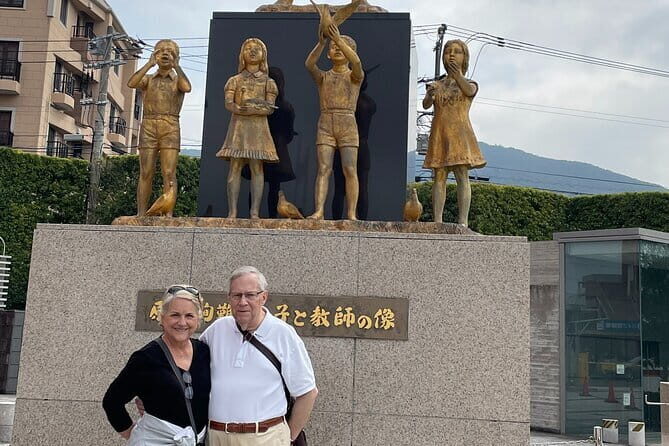
The day starts at the Nagasaki Atomic Bomb Museum, where you’re shown how the city changed before and after the bombing. Plan on spending about an hour here, and plan for your emotions too. The museum includes items left behind after the bombing, which is where many people feel the weight of the subject.
Here’s the practical part: the tour provider explicitly allows changes if you feel sick from the shocking images. If you know you’re sensitive—because of past experiences, anxiety, or just a strong reaction—tell the guide at reservation time (or on the day). That way you’re not trying to fix things mid-tour. The goal is to keep you safe and still get a meaningful history day.
I also like that this isn’t handled with vague comfort talk. It’s handled with an actual option to take a less shocking route. That matters, because Nagasaki can be both educational and overwhelming.
Urakami Cathedral: the brick church, the Mary statue, and the bell moment
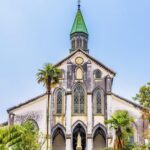
After the museum, you shift to a site that feels more architectural than documentary, but the story stays tied to the bombing. At Urakami Cathedral, you’ll see the brick church building and the statue of Mary. A standout detail is that the Angelus bell is part of the narrative—linked to the idea that it withstood the blast.
This stop runs about an hour and admission is free. That combination is a win for value: you get a major emotional site without an extra ticket cost, while your guide connects the physical details of the church to the larger wartime events.
One reason this stop hits is that it gives you a different kind of evidence. You’re not only looking at artifacts; you’re looking at a place people continued to care for, rebuild, and interpret. That’s important in a city where memory lives in more than one form.
Peace Memorial Statue and the Peace Park promise
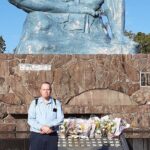
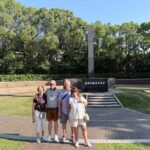
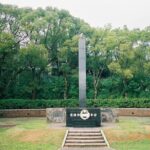
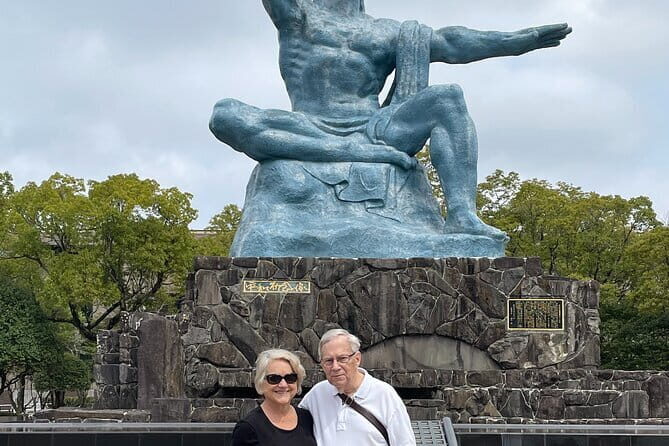
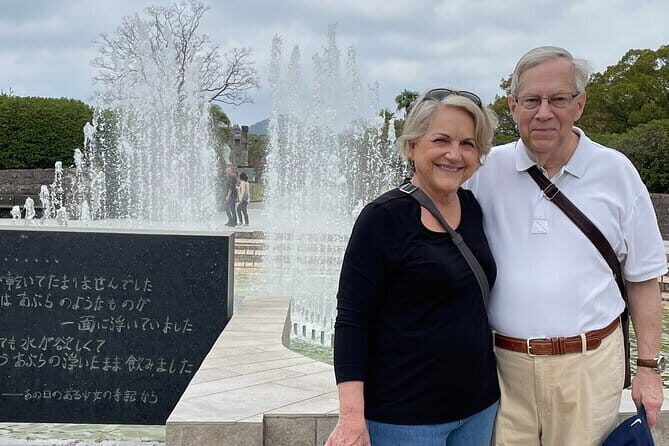
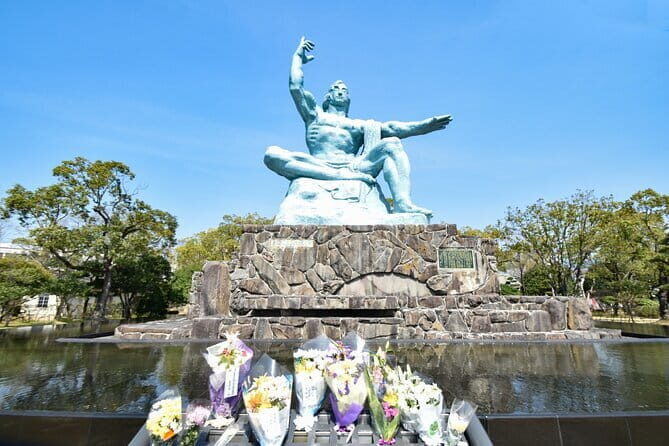
Next you’ll head to the Peace Memorial Statue in the Peace Park area. You’ll spend about an hour here, and admission is free. The statue is part of a pledge: not to repeat the tragedy, and to wish for lasting world peace.
This stop is not just a “look and take a photo” pause. A good guide helps you understand why statements like this were built into the city’s public space. In Nagasaki, peace messaging isn’t abstract. It’s anchored to what happened, and that’s why your guide’s framing matters.
If you want to get the most out of this section, slow down. Let the place do its job. I’d treat it like a quiet checkpoint after the museum—where your brain starts organizing what you saw into a bigger meaning.
Spectacles Bridge (Meganebashi) versus Mount Inasa: choose your view
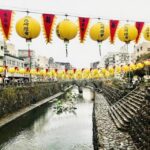
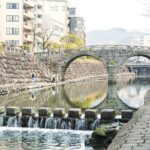
Now for a decision point. The tour includes Spectacles Bridge (Meganebashi) as a stop for many participants, but it’s not included if you choose the Mount Inasa option. If you want both, you’ll need to contact the provider in advance to discuss possible arrangements.
Spectacles Bridge is free and about a 30-minute stop. Even if you’ve seen photos of the double-arched shape before, standing near it works better when you understand why it exists in Nagasaki’s landscape and how the city’s geography ties into its history. Your guide can connect it to the bigger “port city, foreign presence, rebuild” theme.
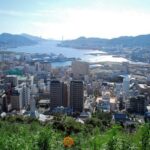
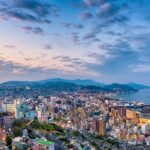
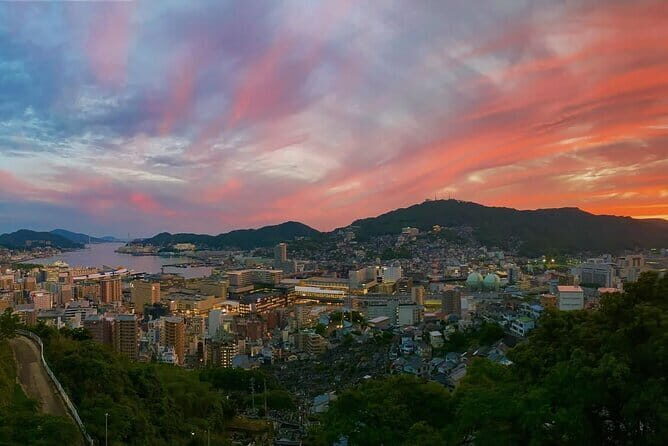
If you choose Mount Inasa, the viewing portion becomes a bigger highlight, with about an hour at the Inasayama Observation Deck. Mount Inasa is 333 meters tall, and that height gives you a different kind of perspective on the city. Instead of focusing on wartime sites, you get a broader view that helps the day’s story land.
Practical advice: if you’re walking with fatigue and want a cleaner payoff, the Mount Inasa choice can feel like a “reset.” If you care more about specific historical landmarks in town, keep Meganebashi in the plan.
You can also read our reviews of more private tours in Nagasaki
Glover Garden: the Meiji-era Western buildings you can actually walk through
After the wartime-heavy part of the day, this stop adds a different texture. Glover Garden is about an hour, and admission is included. The focus here is six Western-style buildings from the Meiji period, relocated and restored, scattered around the area.
This is where you can feel Nagasaki as a trade hub in a more physical way. The architecture isn’t just decoration—it’s a clue to the city’s history with foreign merchants. Your guide can also help you connect the buildings to the idea of cultural blending that people often describe when they talk about Nagasaki.
I like that the garden gives you variety. You’ve spent time with memorials and a museum; now you get streetscape and structure. It’s a change of pace that still supports the theme.
Oura Catholic Church: where the Christian story meets Nagasaki’s scars
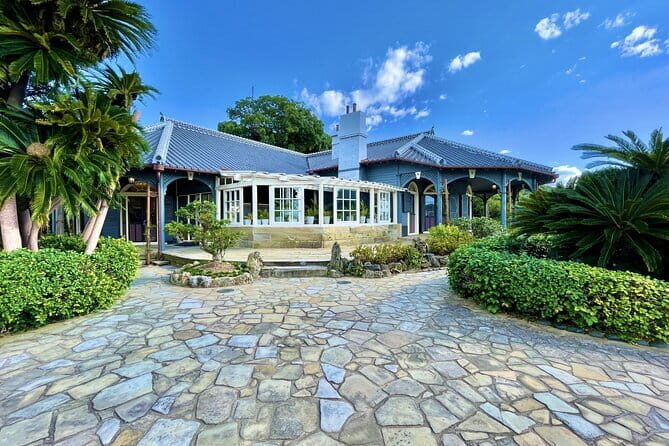
Depending on your chosen view track, you may also visit Oura Catholic Church for about an hour, with admission included. This stop is not included for participants who choose Mount Inasa. If you want Oura Catholic Church plus the Mount Inasa view, contact the provider in advance.
This is another key stop for the city’s European-Japanese thread. The church is part of the narrative of Christian presence in Nagasaki, especially when your guide ties it to the earlier era when foreign missionaries and communities were part of daily life in the port city.
One useful thing to know: this tour clearly supports choice. Instead of forcing every stop on everyone, it gives you a way to tailor the day to your interests—views, memorials, or religious heritage.
A full 7-hour day that still feels manageable with pickup and trams
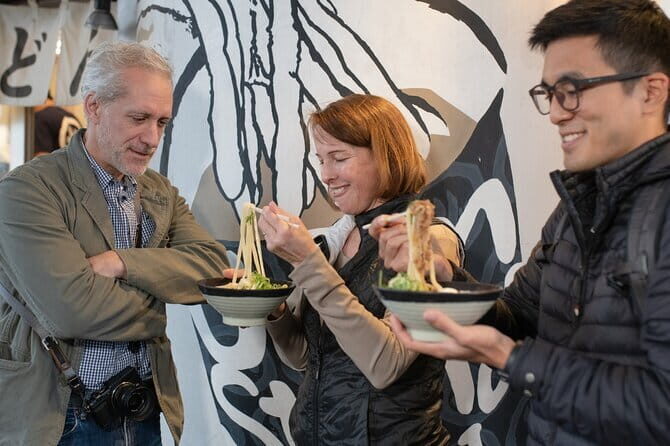
This experience runs about 7 hours, including travel time. You’ll be on foot and using public transportation as part of the design. The company offers hotel or port pickup, which matters because Nagasaki isn’t always convenient to “just wing it” efficiently.
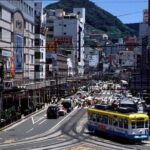
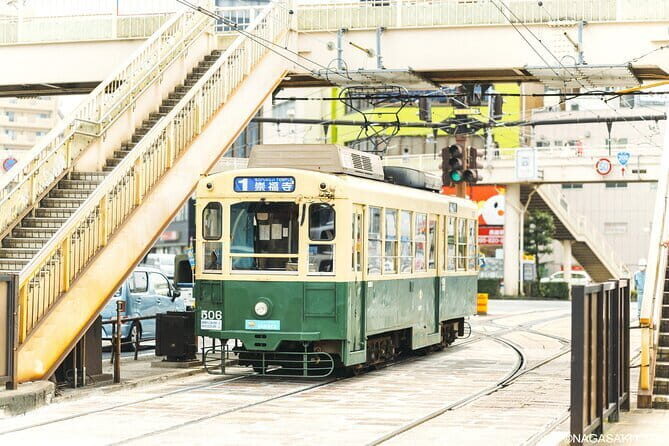
The practical benefit of using local transit is that it builds rhythm into the day. You’re not stuck waiting for a car, and you get glimpses of everyday Nagasaki between the major stops. That makes the history feel less like a checklist and more like a real place.
You should also plan for moderate walking. The tour calls for moderate physical fitness, so wear comfortable shoes and bring water. If you’re sensitive to crowded spaces or heat, keep pace with your guide and ask for breaks before you feel overwhelmed.
Price and value: what $350 per person buys you (and what you still pay)
At $350 per person, this is not a budget tour. The value shows up in what’s included, not just the guide name.
You get:
- a nationally licensed guide (English or Mandarin)
- admission fees for the paid stops
- public transportation fees
- hotel or port pickup
- a private format (only your group participates)
What you don’t get:
- lunch (budget about $10–$20 per person)
- personal expenses and souvenirs
When you compare it to hiring a guide only and then figuring out museum tickets, transit, and pickup logistics separately, the price starts to look more reasonable. You’re paying for coordination plus interpretation plus translation-ready guiding.
Also, group discounts are available, which can bring the per-person cost down if you’re traveling with others. And the tour is booked far in advance on average, so if your dates are fixed, it’s smart to reserve early.
The guide matters: English or Mandarin, and adaptable coaching
This is a licensed guide-led private tour, and the guide language options are English or Mandarin. In practice, that matters a lot with WWII topics: you want clear explanation that keeps the day coherent.
I’ve seen praise for guides by name, including Noriko (Norah) and Ken, with comments that they blend friendly professionalism with strong storytelling and solid historical context. Some guides are described as a bit quieter, but still effective. Either way, you’re not just reading plaques—you’re getting the human thread that connects the sites.
The tour also flags an important “human” detail: if images affect you, you can request an easier alternative. That’s not something every history tour offers in a straightforward way, and it’s worth taking seriously.
Who should book this Nagasaki historical day
Book this if:
- You want WWII context that stays tied to street-level places
- You like historical sites with both memorial and architecture angles
- You prefer public transport over a dedicated car
- You’re okay with a heavier emotional tone at the museum and memorial stops
- You want a guide who can handle a full day of shifting topics, from Christianity and trade to atomic aftermath and peace messaging
Consider a different option if:
- You know you’re easily overwhelmed by war imagery and don’t want any museum time
- You have limited mobility or struggle with long walking/tram days
It can also help to plan your expectations around lunch. Lunch is on you, though the tour can accommodate dietary needs like vegetarian and vegan when you specify them ahead.
Should you book this Nagasaki Private Historical Tour?
If you want a high-impact Nagasaki day that connects the city’s European-Japanese past to its WWII reality, this is a strong pick. The best reason to book is practical: major admissions and transit are handled, and you’re paired with a licensed guide who can explain what you’re seeing and pivot if the hardest material hits too hard.
My rule of thumb: if your travel style is “I want to understand places, not just stand in them,” you’ll get your money’s worth. If you’re only interested in lighter, scenic stops, the emotional intensity of the museum and memorial section may feel like too much.
If you do book, send your sensitivities early and choose the view track that matches what you most want that day—Meganebashi in town or Mount Inasa for the overview.
FAQ
Is this tour private or shared with other groups?
It’s a private tour/activity, and only your group will participate.
How long is the Nagasaki tour?
The duration is about 7 hours, and the total duration includes travel time.
What’s included in the price?
The tour includes a national licensed guide (English or Mandarin), admission fees, public transportation fees, and hotel or port pickup.
Is lunch included?
Lunch is not included. The tour notes lunch is typically about $10–$20 per person.
What if I’m uncomfortable with shocking war-related images?
You can inform the guide at reservation or on the day so the tour can be taken to a less shocking location. You can also request a change if you feel sick from the museum content.
Do I have to choose between Meganebashi and Mount Inasa?
Yes. Spectacles Bridge (Meganebashi) isn’t included if you choose the Mount Inasa option, and Oura Catholic Church also isn’t included with Mount Inasa. If you want additional stops, you need to contact the provider in advance to discuss arrangements.