REVIEW · TOKYO
Private Full-day Tokyo Walking Subway Tour by Japan Gray Line
Book on Viator →Operated by Japan Gray Line · Bookable on Viator
Tokyo feels bigger after you ride its subway.
This private full-day tour uses public transport like a local so you can hit major sights without playing itinerary Tetris. You get hotel pickup plus a guide who helps you move efficiently, with history and street-level context along the way.
I especially like two things: first, you’re not just sightseeing, you’re learning how to use Tokyo’s subway network in the real world. Second, the day is built around a smart mix of spiritual calm, pop-city energy, and classic neighborhoods, so your camera time matches the mood of each stop.
The main thing to plan for is walking. This is an outdoors-heavy day that suits moderate physical fitness, and you’ll want comfortable sneakers plus rain gear just in case.
In This Review
- Key highlights to know before you go
- Price and what you actually get for $203.63
- Hotel pickup plus the one-day Metro Pass: your day gets simpler
- Meiji Jingu Shrine: a peaceful reset at the start
- Shibuya Crossing: one iconic moment, no wandering required
- Tokyo Tower Main Deck at 150 meters: classic skyline, efficient visit
- Tsukiji Outer Market: shopping streets meet street-food reality
- Asakusa and Senso-ji: where Tokyo slows down again
- The guide is the whole point: navigation, pace, and real help
- Timing and pacing: what a 7-hour day feels like
- Lunch, food stops, and how to plan around them
- Who this tour fits best (and who should choose something else)
- Should you book this private Tokyo walking subway tour?
- FAQ
- How long is the Tokyo walking subway tour?
- What’s included in the price?
- Is lunch included?
- Which attractions are part of the day?
- How much walking is involved?
- Is this a private tour?
Key highlights to know before you go
- Private guide with hotel pickup to reduce first-day friction and get you moving fast
- One-day Metro Pass included, so subway rides feel like part of the plan, not a separate chore
- Tokyo Tower Main Deck at 150 meters for big skyline payoff on a timed visit
- Tsukiji Outer Market focus with the wholesaler moved to Toyosu in 2018, but the street-food and shopping still hit
- Meiji Jingu + Senso-ji for a clean contrast between serene shrine paths and legendary temple grounds
- Guides like Yuki, Yuko, Reiko, and Yoshi are repeatedly praised for patience and for helping you navigate trains without stress
Price and what you actually get for $203.63
At $203.63 per person for about 7 hours, this isn’t a budget tour. But when you strip it down, you’re paying for three practical items that save real vacation time: hotel pickup, an English-speaking guide, and included transit via a one-day metro pass.
Tokyo can chew up your day if you’re constantly re-planning routes, translating station exits, and second-guessing platform changes. This tour basically turns that unknown into a guided routine, and for first-time visitors that’s the whole value proposition. You’re also getting Tokyo Tower’s Main Deck entry included, so part of the cost isn’t just “guide time.”
The other cost reality: lunch isn’t included. That’s normal for Tokyo full-day tours, but you should budget mentally for at least one sit-down or snack meal during the day.
You can also read our reviews of more walking tours in Tokyo
Hotel pickup plus the one-day Metro Pass: your day gets simpler
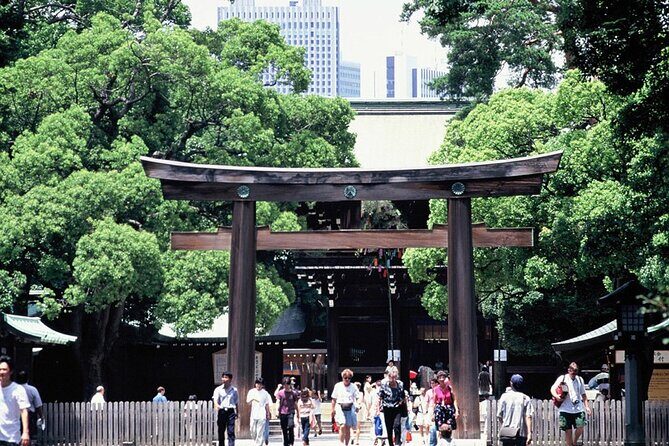
This tour starts with pickup offered and is designed around public-transport access, which matters more than it sounds. Tokyo is easiest when you stop fighting the system. A guide handles the train-to-walk transitions so you spend your energy seeing Tokyo, not solving it.
The included one-day Metro Pass also changes how you think about spending. You don’t have to calculate each ride or wonder if you’re blowing the budget on transit. The pass is part of the “walk, ride, repeat” rhythm that keeps the itinerary moving.
One important caveat: if your hotel is outside the designated pickup range, you may need to arrange alternative transport to reach the first destination, and to get back from the last one. Before you book, it’s worth checking how close you are to the pickup zone so there are no surprise costs.
Meiji Jingu Shrine: a peaceful reset at the start
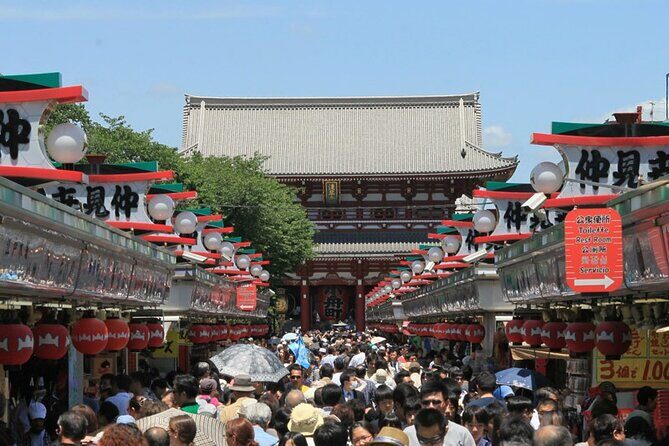
Meiji Jingu Shrine is your day’s first big emotional beat, and it’s a smart opener. The shrine honors Emperor Meiji and is tied to the modern era of Japan; it was completed in 1920. You’ll get about 40 minutes here, and admission is free.
What I like about starting here is the contrast. You begin in a calm, tree-lined world that feels far away from the train rumble you’ll hit later. It’s also a great place to practice your camera framing without the constant pressure of crowds everywhere.
Practical note: Meiji Jingu can still feel busy at certain times, but the mood tends to stay respectful and quiet compared with the city centers. If your group is feeling jet-lagged, this is a nice way to ease in rather than jumping straight into neon.
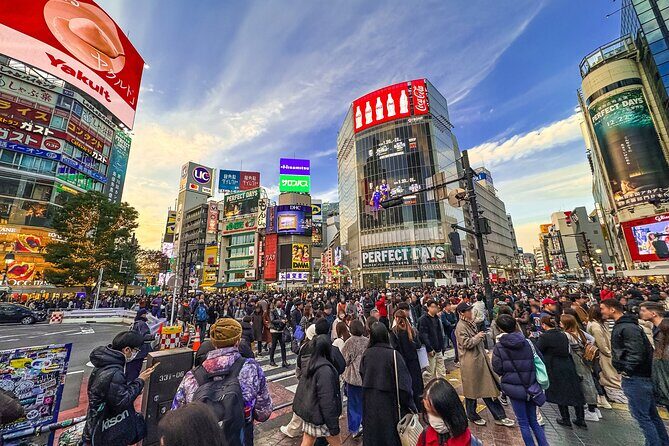
Shibuya Crossing: one iconic moment, no wandering required
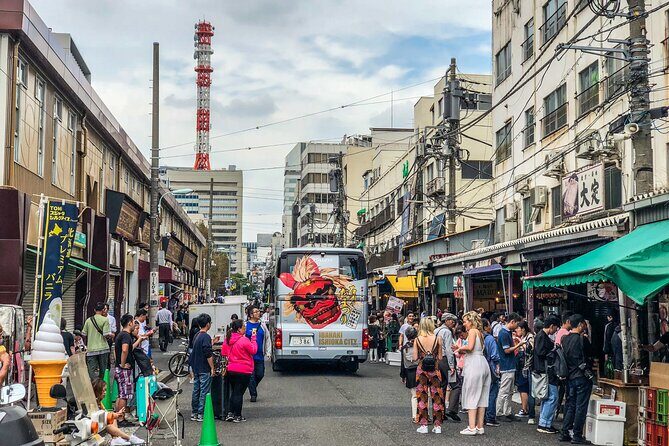
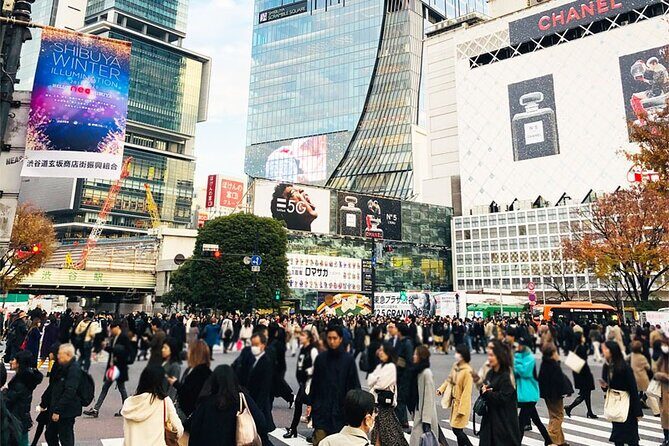
Next up is Shibuya Crossing, reached quickly by subway from the Meiji Jingu area. You get around 20 minutes there, with no admission fee.
This stop works because it’s short and focused. Shibuya Crossing is the kind of place where getting the timing right matters, and you don’t want to burn 45 minutes trying to find the best angle. Your guide helps you get to the right pedestrian flow and keeps the stop from turning into aimless milling.
If you’re sensitive to crowd noise or standing still for photos, plan for it. Shibuya can feel intense, but the benefit is that it’s over fast and then you move on.
Tokyo Tower Main Deck at 150 meters: classic skyline, efficient visit
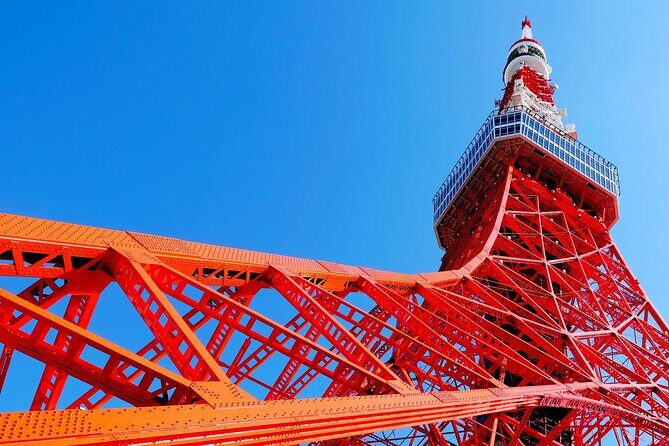
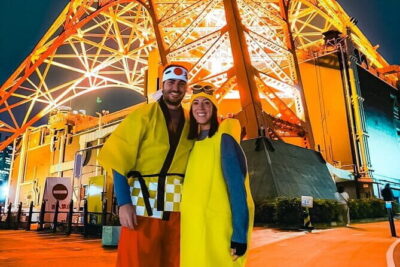
Tokyo Tower is a great middle-of-the-day payoff. It was constructed in 1958 and once held the title of the world’s tallest structure. You’ll spend about 40 minutes here, including admission to the Main Deck at 150 meters.
The tour includes the ride up by high-speed elevator, which is one of those small details that makes a difference. Observation decks can be a time trap, especially if you’re figuring out ticket lines and timing. Here, it’s built into the schedule.
What you should expect: a big urban view that’s fun even if you’ve seen other towers or skylines. It’s also a good “anchor” landmark for your day, because later neighborhoods (like Asakusa) feel more grounded and historical.
A consideration: observation decks can be weather-dependent for visibility. If it’s hazy or rainy, you might still get great city shapes, but the sharpness you want may be reduced.
You can also read our reviews of more private tours in Tokyo


Tsukiji Outer Market: shopping streets meet street-food reality
Tsukiji is one of those Tokyo areas where you can spend hours just following your nose. Here, you’ll get about 50 minutes at the Tsukiji Outer Market, and admission is free.
The key context: the wholesale Tsukiji market moved to Toyosu in 2018, but the Outer Market area remains in the same location. That means you still get the market-street experience—shops, snacks, and the food-shopping energy—without the original wholesale setup.
If you like eating while you explore, this is your best practical stop. The tour timing gives you enough time to browse and grab a snack, and it’s also where your guide’s suggestions can help. You might find it easier to choose what to try when you’re not standing there staring at a menu you can’t read.
One drawback to remember: market streets can be crowded, and you’ll be doing a fair amount of walking. Wear shoes you trust and keep your umbrella handy if rain rolls in.
Asakusa and Senso-ji: where Tokyo slows down again
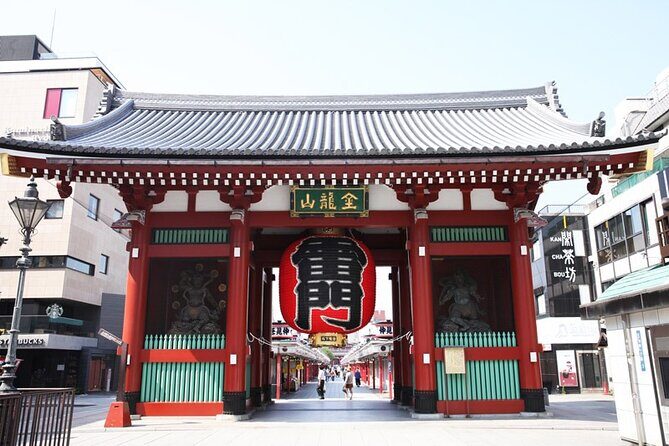
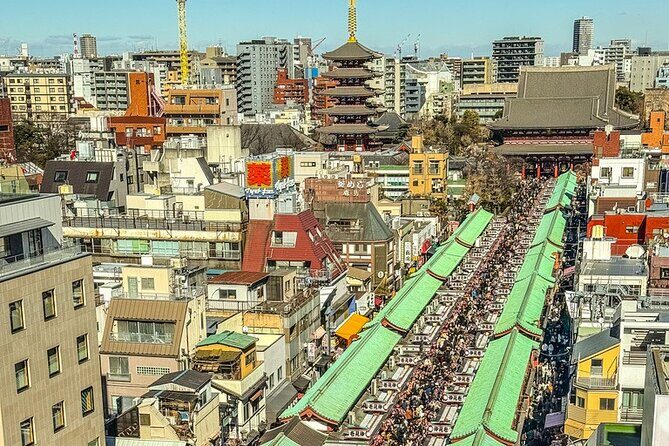
After Tsukiji, you’ll head toward Asakusa, with about 20 minutes in the neighborhood before visiting Senso-ji Temple. Admission is free at both stages, and the Senso-ji stop is about 40 minutes.
Asakusa is where traditional crafts, souvenirs, and street-food browsing come together. It’s also a strong “day-two” feeling even though this is still a first-day tour—less about fast city energy and more about old-school Tokyo scenes that look like they belong in postcards.
Senso-ji Temple is the main event. It’s one of the oldest and largest Buddhist temples in Tokyo, with origins dating back to 628. The grounds have a wide, lived-in feel, and the scale makes it easy to get your bearings even if you’ve never been here before.
The value of this pairing (Asakusa plus Senso-ji) is that it gives you both the background atmosphere and the iconic landmark. You can walk in, take in the temple, and then shop or snack at your own pace within the time window.
If you’re hoping for fewer crowds, go with the flow. This is one of Tokyo’s best-known temple areas, so being comfortable in crowds helps you enjoy it more.
The guide is the whole point: navigation, pace, and real help
This tour is private, which sounds like a simple feature, but it changes everything. Your guide can set the tempo for your group and adjust on the fly—especially when you want to skip a stop or modify the plan to match your interests.
The strongest pattern from guide examples like Yuki, Yuko, Reiko, and Yoshi is how much they help with navigation. They’ll show you how to move through the train system and station streets so you’re not stuck at platform decisions. That matters because Tokyo’s subway is logical, but only after someone shows you the trick once.
Patience is another big deal. Guides are repeatedly credited with staying calm while helping families, answering questions, and working at a pace that doesn’t bulldoze your day. One person even noted that lunch needs got handled with care, which is the kind of service that can make a big difference when you’re tired and hungry.
There’s also a less obvious benefit: after this kind of guided day, you’re more likely to venture out on your own because you understand how trains link neighborhoods.
Timing and pacing: what a 7-hour day feels like
You’re starting at 9:30 am, and the tour is designed for a well-paced route with time built in for pick-up and travel between sights. Total “official sight” time adds up to several hours, and you’ll still feel the walking between stops.
Here’s the practical expectation: you’ll be active, you’ll spend time outdoors, and you’ll likely do a lot more steps than you’d plan yourself for a normal day. That’s why the tour explicitly suggests sneakers or comfortable shoes and lists moderate physical fitness.
It’s also a day where weather matters. The tour requires good weather, but if conditions are rough, the itinerary may change or some visits may be omitted or substituted, without a refund. Translation: pack rain gear and keep a flexible mindset.
Lunch, food stops, and how to plan around them
Lunch is not included, so you’ll want to plan a meal strategy before you get hungry. The itinerary has market and traditional neighborhood time, which gives you easy options for snacks and meals, especially around Tsukiji and Asakusa.
If you have dietary needs, the best move is to tell your guide early. Guides are known for finding lunch options that fit specific situations, and it’s much easier to coordinate when you’re already moving as a group.
If you prefer a sit-down restaurant, build in the possibility that you might spend some of your free time eating rather than shopping. That’s not a problem—just don’t expect a full menu experience at every stop.
Who this tour fits best (and who should choose something else)
This tour is ideal if you:
- are a first-timer who wants to learn subway basics without getting lost
- want to cover top Tokyo sights in one day without a bus tour feeling
- enjoy walking but want a guide to manage the routing and timing
- like a mix of shrine/temple atmosphere plus big-city landmarks
You might choose a different option if you:
- have low tolerance for crowds and outdoor walking
- want a slow, lounge-heavy day with lots of rest time
- don’t want to coordinate around weather and possible itinerary substitutions
For active groups, it’s a strong way to get your bearings fast and still see Tokyo’s highlights.
Should you book this private Tokyo walking subway tour?
If your goal is to see major Tokyo sights while learning how the subway connects them, I think this is a solid booking. You’re paying for practical time savings, transit help, and included access to Tokyo Tower, and that combo can be worth it on a first trip.
I’d book it if you’re comfortable with walking and you like the idea of a guided day that still lets you experience neighborhoods up close. I’d skip it if you want minimal walking or maximum downtime, because this day is built to move.
If you do book, bring good shoes, a small rain setup, and a curious attitude. Tokyo is much easier when someone hands you the map for the subway—then you spend the day actually living in the city.
FAQ
How long is the Tokyo walking subway tour?
It runs for about 7 hours.
What’s included in the price?
Included are an English-speaking guide, hotel pickup and drop-off, transportation via a one-day Metro Pass, and Tokyo Tower Main Deck admission.
Is lunch included?
No. Lunch is not included.
Which attractions are part of the day?
You’ll visit Meiji Jingu Shrine, Shibuya Crossing, Tokyo Tower (Main Deck at 150 meters), Tsukiji Outer Market, Asakusa, and Senso-ji Temple.
How much walking is involved?
The tour involves a good amount of walking outdoors, so you should wear sneakers or comfortable shoes and have a moderate physical fitness level.
Is this a private tour?
Yes. It’s a private tour/activity, and only your group participates.