REVIEW · NAGASAKI
Semi Private Guided Tour of Nagasaki.
Book on Viator →Operated by Explore Kyushu Tours · Bookable on Viator
Nagasaki packs emotion and views into one day. This semi-private guided tour pairs a native English-speaking long-term Nagasaki resident guide with the city’s biggest landmarks, from the Atomic Bomb Museum to Western-era Nagasaki. You’ll move through neighborhoods that explain how this port city became both global and intensely local.
Two things I really like: you get included entrance fees for key stops (so you’re not scrambling for tickets), and the pace is flexible enough that the guide can tailor the day to your group’s interests. In particular, the guide I saw referenced in past tours—Pene (sometimes going by Pepe)—is the type who explains history clearly and still leaves room for you to look around on your own.
One thing to plan for: this is a walking-and-transit day with some hills, so you’ll want moderate physical fitness. Also, food isn’t included, and bottled water isn’t either, so bring a plan (or money) for breaks.
In This Review
- Key points
- A semi-private Nagasaki day that feels human
- Mt. Inasa: the view that sets the mood
- Atomic Bomb Museum and Peace Park: the day’s emotional core
- Dejima: the Dutch window when Japan was closed
- Shinchi Chinatown: older than you expect, alive while you walk
- Oura Catholic Church: Gothic-style faith in Nagasaki
- Glover Garden: Meiji-era Western houses you can actually walk through
- How weather and closures change the route (and why that’s good)
- Price and value: what $125 includes (and what it doesn’t)
- Logistics that actually matter on the ground
- Who should book this Nagasaki tour
- Should you book this Nagasaki semi-private guided tour?
- FAQ
- How long is the semi-private guided tour of Nagasaki?
- What major stops are included on the tour?
- Are entrance fees included?
- Is lunch or bottled water provided?
- How is transportation handled?
- What happens if the weather is bad?
- How many people are in the group?
- What language is the guide, and how does cancellation work?
Key points
- Mt. Inasa night views: a classic Nagasaki panorama stop, timed for the city-light effect when conditions allow
- Atomic Bomb Museum + Peace Park: major memorial sites with entry handled for you at the museum
- Dejima and Shinchi Chinatown: two very different angles on foreign influence in Nagasaki
- Oura Cathedral and Glover Garden: Western Christian heritage and Meiji-era architecture in one loop
- Weather and closure flexibility: alternatives like Nishizaka, Suwa Shrine, or Spectacles Bridge may replace unavailable stops
- Transport and gratuities included: you spend less mental energy on logistics
A semi-private Nagasaki day that feels human
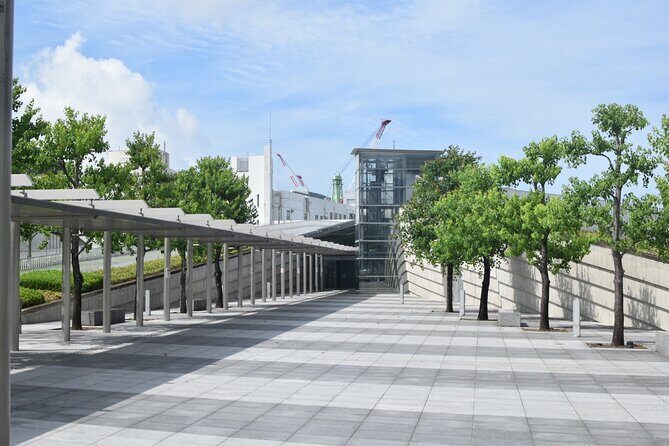
Nagasaki can be a lot to take in. One minute you’re looking over the harbor city at night; the next you’re standing with the stories of August 9, 1945. What makes this tour work is that it’s built for small-to-medium groups, so you’re not stuck watching everything from behind a crowd.
The guide matters here. The name that shows up again and again is Pene, and the vibe is consistent: he’s friendly, patient with different group needs, and good at translating big ideas into plain language. You also get a long-term local perspective, which helps you understand why places are placed where they are—especially around Nagasaki’s port history and foreign quarter.
You’ll spend about 4 to 8 hours on the move. That range is useful, because weather and the way your group moves can change the timetable. Either way, you’ll see a lot without feeling like you’re being herded.
You can also read our reviews of more guided tours in Nagasaki
Mt. Inasa: the view that sets the mood
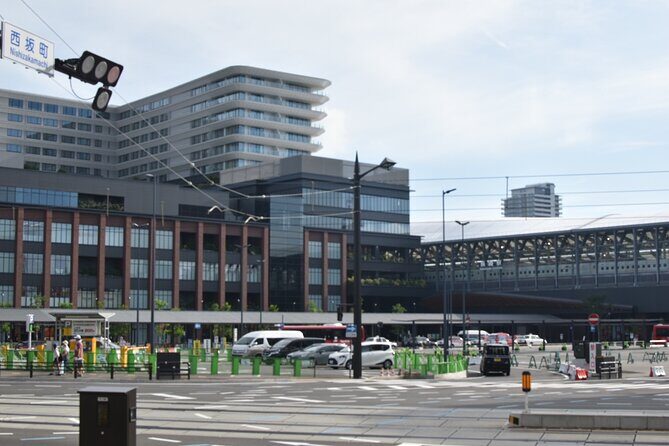
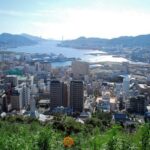
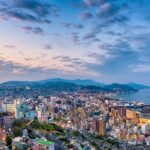
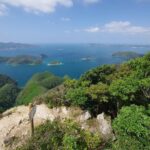
Mount Inasa is where Nagasaki looks like a storybook—especially at night, with the city lights scattered below. This stop is a full 1 hour, and the admission ticket is included.
Here’s what to expect in real life: your enjoyment will depend heavily on weather and visibility. If clouds roll in or the air is hazy, the payoff is smaller. If the sky clears, the view does what it’s famous for: it makes the rest of the day hit differently, because you can see the city as a living place, not just a historical case study.
Practical tip: wear shoes you can trust. Even if the route isn’t described as extreme, any viewpoint stop in Japan often means a mix of walking, stairs, and uneven ground. And because this is a panorama moment, you’ll want to dress for cool air that can show up on elevated viewpoints.
Atomic Bomb Museum and Peace Park: the day’s emotional core
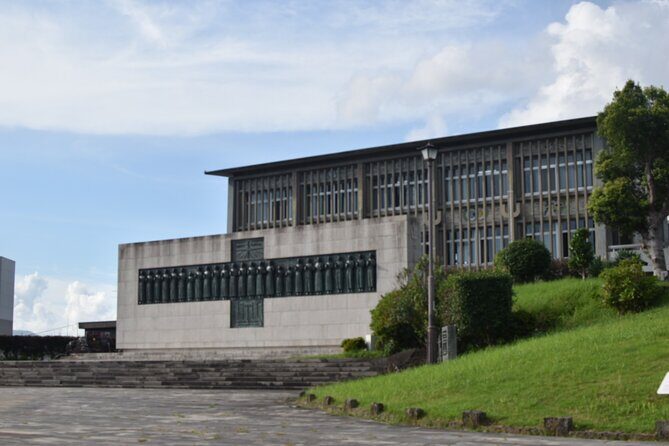
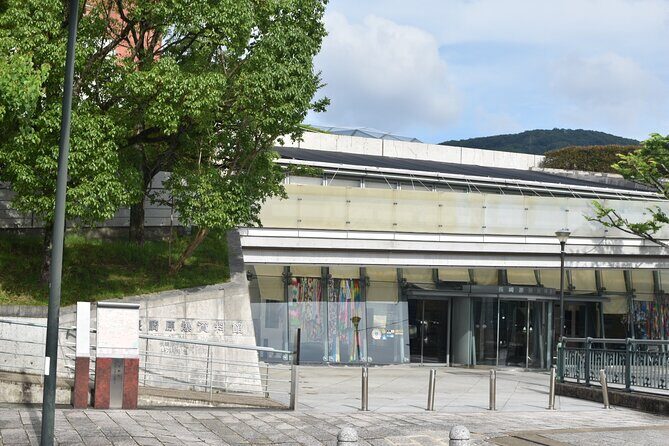
The Nagasaki Atomic Bomb Museum is 1 hour with admission included. This is the stop that anchors the whole tour. You’re looking at artifacts, photos, and personal accounts tied to August 9, 1945, when an atomic bomb devastated the city.
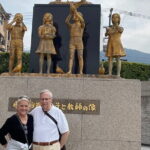
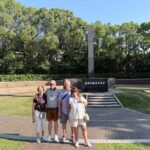
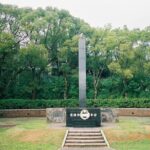
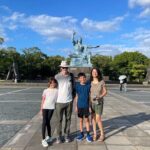
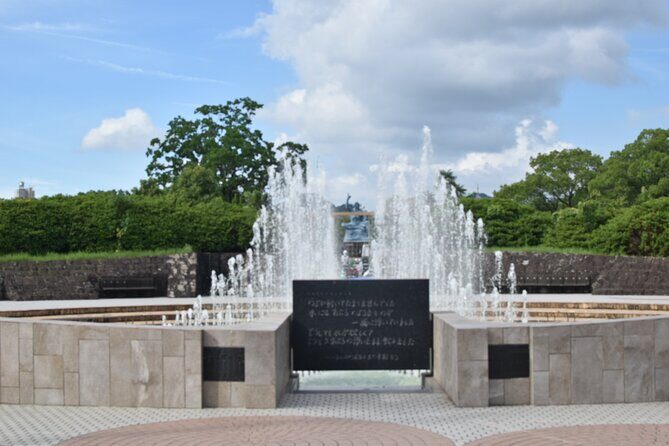
After that comes Peace Park for about 30 minutes, and the park entry is free. This is where you can shift from information to reflection. The centerpiece Peace Statue is meant to symbolize a call for peace, and the park gives you breathing room to take it in at your own pace.
What I like about pairing the museum with Peace Park is the rhythm. The museum gives you structure. The park gives you space. Together, they help you avoid the common problem of visiting memorial sites like they’re just checkboxes.
Possible consideration: this is heavy subject matter. If you’re traveling with kids or anyone who prefers a lighter pace, you might want to communicate that upfront so the guide can manage timing and breaks.
Dejima: the Dutch window when Japan was closed
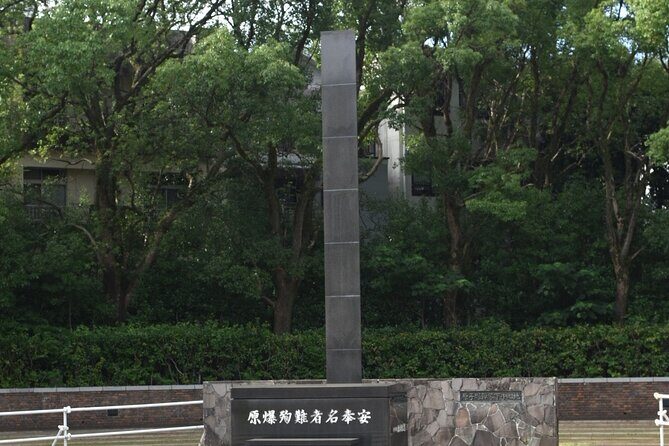
Next is Dejima, a historic fan-shaped island that once served as Japan’s only window to the outside world during the period of isolation. You get about 15 minutes here.
Dejima is a short stop and—importantly—the entrance fee is not included. That means you should budget a little extra for admission if you plan to go inside and not just look from the outside.
Even with the brief time, Dejima can land hard in a good way. It’s a reminder that Nagasaki was never a blank slate. It was an intersection point, and the city’s foreign ties were shaped by rules, restrictions, and careful control. In other words: this is not just “foreign influence.” It’s foreign influence under conditions.
If you like history that connects trade, policy, and everyday life, you’ll appreciate how this stop sets up what comes next.
Shinchi Chinatown: older than you expect, alive while you walk
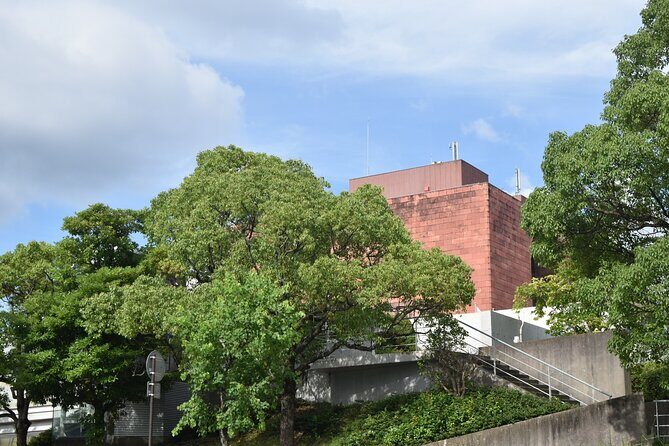
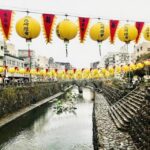
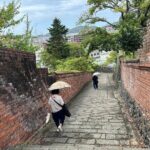
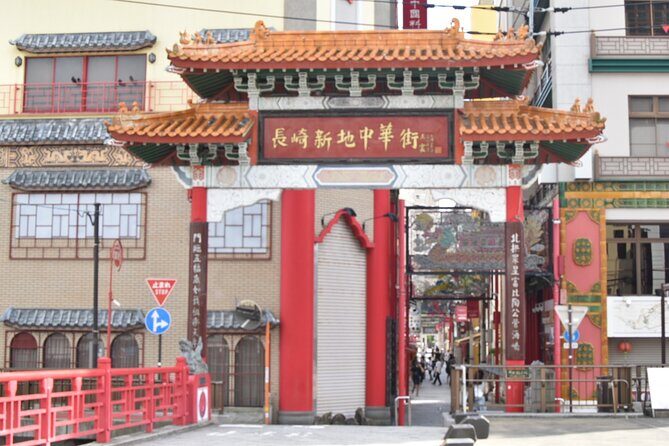
Shinchi Chinatown is listed for about 45 minutes, with no admission fee. It’s described as Japan’s oldest Chinatown, founded over 300 years ago, and you’ll notice that the streets feel more lived-in than staged.
This stop works as a contrast. After memorial sites and trade-era history, Chinatown brings noise, color, and everyday culture back into the day. It’s also a good place to snack, even though food isn’t included on the tour.
What I’d do: treat Chinatown as a choose-your-own-adventure time block. Walk a bit, then pause to look at shop signs and street scenes. If you’re hungry, ask the guide for quick suggestions that fit your tastes and schedule. (Lunch is not included, but breaks can be arranged.)
You can also read our reviews of more private tours in Nagasaki
Oura Catholic Church: Gothic-style faith in Nagasaki
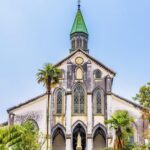
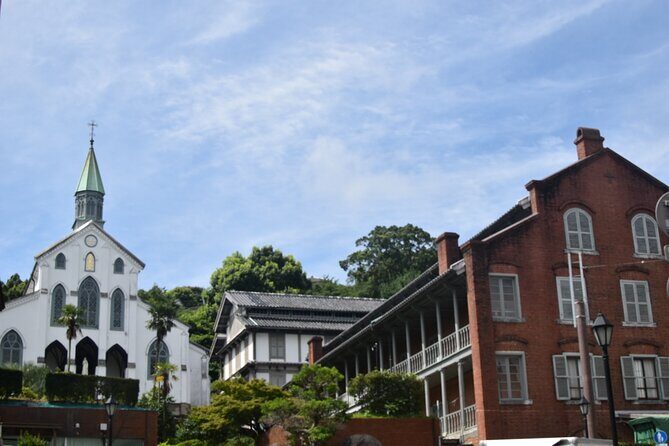
Oura Church is a standout stop for anyone interested in Christianity’s early presence in Japan. This is about 50 minutes, and admission is included.
The church is described as Japan’s oldest existing Christian church, built in 1864 by French missionaries. It’s Gothic-style, and the time you spend here isn’t just about architecture. It’s also about the idea of resilience—how communities stayed committed to faith despite pressure and distance.
If you’re the type of traveler who enjoys seeing how buildings reflect cultural exchange, this stop clicks. And if churches aren’t usually your thing, the fact that this is a historically specific landmark in Nagasaki makes it worth slowing down for.
Practical tip: expect quiet moments. This isn’t a theme park stop. Give it time, take photos if allowed, and don’t rush the details.
Glover Garden: Meiji-era Western houses you can actually walk through
Glover Garden is about 1 hour, with admission included. It’s a scenic historic park associated with the Meiji Era, featuring Western-style buildings. The tour highlights the Glover Residence as the oldest Western wooden house in Japan.
This stop is a different kind of history. Instead of wartime memory or trade policy, you’re seeing the physical proof of a changing era—when foreign merchants and local society intersected in real buildings.
What I like here is the “walkable museum” feel. Even when you’re not reading every sign, you can sense how architecture and geography shaped life around Nagasaki’s port.
Consideration: if you’re sensitive to stairs or longer uphill sections, keep an eye on your pace. You’ll likely do more walking than you expect just from the word garden.
How weather and closures change the route (and why that’s good)
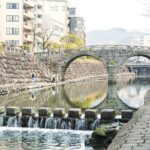
This experience needs good weather. If weather or closures make planned stops unavailable, you won’t just lose the day. You may visit alternate sites such as Nishizaka, Suwa Shrine, or Spectacles Bridge.
That flexibility is practical. In Nagasaki, one cloudy morning can wreck a viewpoint day. Another day, construction or limited access can affect specific locations. Having alternatives means you’re less likely to end up with a half-finished itinerary.
One more local-life note: Mt. Inasa is the kind of stop where visibility matters. If you want the best chance at that night-view effect, you’ll hope for clear conditions and a well-timed visit.
Price and value: what $125 includes (and what it doesn’t)
At $125 per person for a semi-private experience, this isn’t the cheapest option in Nagasaki. But it’s also not pretending you’re doing everything on your own.
The price covers:
- an in-person guide (English, with French also listed)
- gratuities
- public transportation costs (a mix of public and private depending on participant count)
- entrance fees for the places marked as included
What it doesn’t cover:
- lunch and beverages
- bottled water
- any entrance fee for stops like Dejima (explicitly not included)
So the real value question is simple: do you want the guide to connect dots between sites and manage the timing and transit? If yes, this price tends to make sense because it buys you time and mental effort. If you’re the kind of traveler who loves self-navigation and ticket hunting, you might prefer a cheaper do-it-yourself plan.
Logistics that actually matter on the ground
Group size is capped at 20 travelers. That’s big enough to keep costs down, but small enough that you’re still in the same universe as your guide instead of lost in a bus crowd.
The tour also starts and runs within daytime service hours (8:00 AM to 6:00 PM). That matters if you’re thinking about night views from Mt. Inasa. You won’t always guarantee darkness, but you will get the Inasa stop as part of the plan.
Also plan for moderate walking and transit. Public transportation is covered, but you’ll still be moving. Bring a charged phone, and wear clothes you can adjust if temperatures swing between coastal wind and inland sun.
If you’re on a cruise or have a tight schedule, the guiding approach can help you avoid getting stuck far from where you need to be next. The tour is designed to end back at the meeting point, and in past cruise-style setups, the route has been arranged so you’re not stranded far from the ship area.
Who should book this Nagasaki tour
Book it if you want:
- a guide who can explain the big historical themes in clear, human terms (Pene shows up in past experiences as a strong match for this)
- a planned circuit that still leaves room to breathe
- a mix of memorial sites plus neighborhood culture plus Western-era landmarks
- included transport and key admissions to cut down on hassle
Skip it if:
- you want long free time with zero structure
- you dislike emotionally intense topics like the Atomic Bomb Museum and Peace Park
- you’re looking for a fully all-inclusive food day (lunch and drinks are on you)
Should you book this Nagasaki semi-private guided tour?
If you’re coming to Nagasaki for the first time, I think this tour is a smart way to get oriented fast without missing the essentials. You’re paying for more than tickets—you’re paying for someone who can translate history and place into something you actually understand.
The biggest upside is the pairing: memory (Atomic Bomb Museum and Peace Park) plus port history (Dejima) plus culture and architecture (Chinatown, Oura Church, Glover Garden). That combination is exactly what makes Nagasaki feel like a complete city rather than a list of stops.
If you can handle moderate walking and you’re ready for a serious day, this is the kind of tour that makes the hours feel well spent.
FAQ
How long is the semi-private guided tour of Nagasaki?
The tour runs for about 4 to 8 hours, depending on timing, weather, and how the day flows.
What major stops are included on the tour?
Common stops include Mt. Inasa, the Nagasaki Atomic Bomb Museum, Peace Park, Dejima, Shinchi Chinatown, Oura Catholic Church, and Glover Garden. Alternatives may be used if some locations are unavailable.
Are entrance fees included?
Entrance fees are included for the sites marked as covered. The tour data also notes that entrance for Dejima is not included.
Is lunch or bottled water provided?
Lunch and beverages are not included, and bottled water isn’t included either. You can ask about arranging a lunch break, but meal costs are on you.
How is transportation handled?
Public transportation costs are covered in the tour price. The transport modes may be a mix of public and private depending on the number of participants.
What happens if the weather is bad?
The experience requires good weather. If it’s canceled due to poor weather, you’ll be offered a different date or a full refund. If specific stops are closed, alternate sites may be visited.
How many people are in the group?
The tour has a maximum of 20 travelers.
What language is the guide, and how does cancellation work?
The guide is listed as English and French. Cancellation is free up to 24 hours in advance for a full refund, and weather or minimum-participant issues can also lead to a date change or full refund.