REVIEW · NAGASAKI
Nagasaki Private Customizable Half Day Tour
Book on Viator →Operated by Japan Awaits · Bookable on Viator
Nagasaki is intense and fascinating, and this private half day lets you steer the pace. I like that you get a custom itinerary built around what you care about, then a guide helps connect the dots across key sights. Two to three stops in four hours is a sweet spot, especially when some places ask you to slow down.
What I love most is the human planning. Your guide (English-speaking, and sometimes another language depending on needs) uses a form to tailor choices, and guides like Yuki Kato have a reputation for being organized and genuinely responsive to priorities. Second, I love the way the tour can mix big, famous themes with practical local movement, including tram or public-transport options so you feel the city instead of just riding a bus.
One consideration: with only four hours, you’ll need to pick your battles. Some of the most powerful stops, like the atomic bombing memorials, can be emotionally heavy, so choose thoughtfully if you want a lighter day.
In This Review
- Key things that make this Nagasaki tour work
- A 4-hour plan you can steer, not just follow
- Meeting at Nagasaki Station and moving like a local
- The emotional spine: atomic bombing memorials and the peace area
- Christian heritage at a UNESCO-listed Roman Catholic church
- Chinatown streets and the kind of food stop you’ll remember
- Dejima, Dutch-style architecture, and art-filled pauses
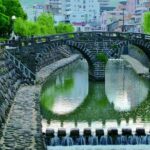
- Meganebashi Bridge: a photo spot with a story behind it
- Gunkanjima, Zen temple calm, and a Confucius shrine stop
- Sunrise views, tulip season, and museum-type choices
- Price and value: when $203.80 per person makes sense
- So, should you book this Nagasaki private custom half-day tour?
- FAQ
- How long is the Nagasaki Private Customizable Half Day Tour?
- Is this tour private?
- What time does the tour start, and where do we meet?
- Does the tour include hotel pickup?
- How many attractions will we see?
- Is the guide available in English?
- What’s included in the price?
- Are meals included?
- Do I need to fill out a form after booking?
- Can I cancel and get a refund?
- Is the tour easy for most travelers to do?
Key things that make this Nagasaki tour work
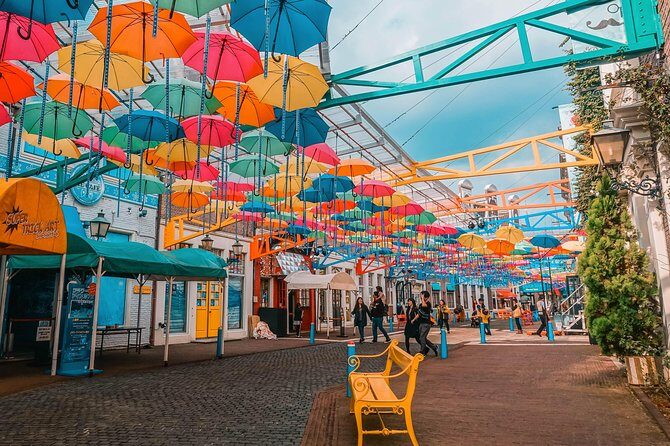
- Truly customizable 2–3 attraction plan so you don’t waste time sorting sights
- Hotel pickup and drop-off that keeps logistics from chewing up your morning
- English-speaking professional guides with real planning habits (I’ve seen examples like Yuki Kato and Mr Satoshi Nishimura)
- A balanced Nagasaki mix possible: peace sites, Christian heritage, Chinatown, Dutch-era history
- City-only transportation means you should expect walking and transit inside Nagasaki proper
- Mobile ticket plus reservations handled for you when bookings are needed
A 4-hour plan you can steer, not just follow
This tour is built for people who don’t want a rigid checklist. After booking, you fill out a custom form with preferences and things you’ve already seen, and the provider uses that to shape your route around your interests (culture, history, cuisine, nature, or special events).
The practical win is time. In Nagasaki, a lot of the best-known places are spread out, and rushing between them is how you end up tired instead of moved. Here, you target 2–3 attractions and spend the rest of the half day in “actually seeing” mode.
If you’re traveling as a pair or small group, you also get the feeling of a private conversation with the city. You can say you want more viewpoints, or more stories behind the streets, and your guide adjusts.
You can also read our reviews of more private tours in Nagasaki
Meeting at Nagasaki Station and moving like a local
You start at Nagasaki Station (the meeting point listed as 1 Onouemachi) at 9:00 am, and the tour ends back where you began. Hotel pickup and drop-off are included, which matters more than it sounds; Nagasaki morning transit can be easy, but it’s still time you’d rather spend at sites.
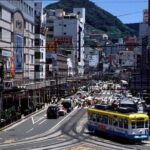
Transportation within the city can be by public transport or a private vehicle, depending on what you choose and your booking setup. In the best-case scenario, you’ll use trains or trams to get a natural sense of neighborhoods and spacing between sights.
In real guide styles tied to this experience, I’ve seen mention of guides who keep plans organized and the day comfortable even when you’re using transit. That tends to matter when your time is tight.
The emotional spine: atomic bombing memorials and the peace area
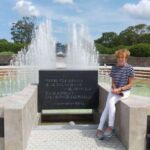
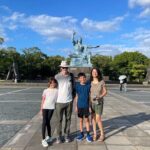
If you pick any set of sites from this tour, the atomic-bomb-related places are usually the anchor. Nagasaki doesn’t let you treat 1945 like a history chapter. You feel it in the way the memorials are arranged and the way the stories are told.
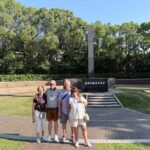
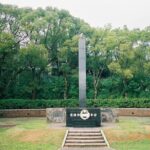
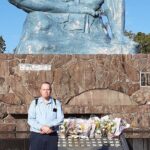
One stop is a memorial dedicated to the victims of the atomic bombing of Nagasaki. Another can be the atomic bombing connection area paired with a museum that shows artifacts, documents, and multimedia displays. The point isn’t just facts; it’s context for what happened and why peace matters now.
Why this works on a half-day private tour: a guide can pace you through the layers without you having to decide everything alone. And because you only visit a couple major attractions, you’re less likely to feel like you’re sprinting through the most serious parts of the day.
Possible drawback: if you’re not in the mood for heavy topics, don’t force it. You can still choose other sights (Chinatown, bridges, architecture), but if you include peace memorials, expect them to take mental energy even when the route is efficient.
Christian heritage at a UNESCO-listed Roman Catholic church
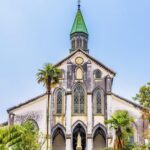
One of the classic Nagasaki contrasts is that the city’s Christian story isn’t a side note. The tour includes a historic Roman Catholic church, described as one of the oldest Christian churches in Japan and a UNESCO World Heritage Site.
This stop is valuable because Nagasaki’s Christian heritage ties directly into the city’s role in early international contact. When you’re standing in a place like this, it’s easier to understand why Japan’s isolation and limited contact with the outside world shaped what faith communities could do—and what they had to preserve.
In a half-day build, you can pair this church with something lighter right after, like bridge views or Chinatown streets, if your guide thinks the flow is right. Or you can pair it with the peace area if you want a day focused on survival, memory, and cultural endurance.
Tip: don’t overpack. If you’re visiting the church, give it enough time that you can actually absorb details rather than just ticking it off.
Chinatown streets and the kind of food stop you’ll remember
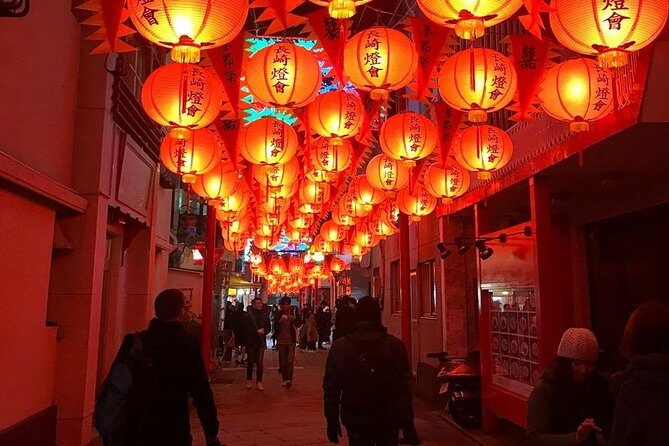
Chinatown is included as one of the possible attractions, described as one of the oldest in Japan with strong cultural influence in Nagasaki. This is a good counterweight to the more solemn sites.
What you get here isn’t just “shops.” You get an atmosphere that feels imported and adapted—food, signage, and street energy that tells you Nagasaki has long been a port city.
Some tour builds include a walk through Chinatown and even a lunch-style break (meals aren’t included, but food is easy to fit in when the day includes Chinatown). This is the kind of mid-tour reset that makes the rest of the route feel smoother.
Practical note: Chinatown can be crowded at peak times. In a private setup, you can typically adjust your timing or route within the neighborhood, which helps.

Dejima, Dutch-style architecture, and art-filled pauses
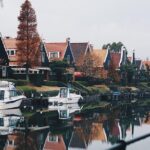
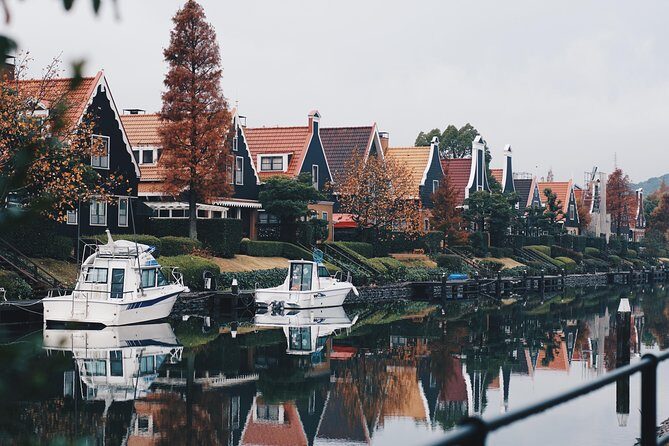
Nagasaki’s Dutch-era story shows up in two ways in the possible stops: the small artificial island that served as a Dutch East India Company trading post (17th to 19th century), and an associated location described for its picturesque Dutch-style architecture once connected to Dejima.
You also may visit a site described as housing a mix of Japanese and Western artwork, including paintings, sculptures, and ceramics. Think of this as a “slow down and look” stop—perfect when the peace or church sites have already taken a lot out of your brain.
Why it’s smart to include at least one Dutch/Dejima-themed stop: it helps balance the emotional weight of Nagasaki with a different kind of historical narrative. You see how the city acted as a controlled doorway to the outside world, and how that legacy left physical marks in architecture and institutions.
If you’re a photography person, bridges and architecture can also give you that “proof of place” feeling. And if you’re not, you’ll still appreciate the contrast between Japanese street culture and the Dutch-style details that show up in this part of town.
Meganebashi Bridge: a photo spot with a story behind it
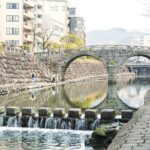
Meganebashi Bridge is included as a must-see stop, described as a symbol of Nagasaki’s cultural heritage and a popular photography location across the Nakashima River.
Even if you’ve seen pictures before, the value here is the combination of shape, placement, and context. Bridges are practical structures, but in Nagasaki they also carry meaning—how the city connected neighborhoods, how people moved, and how a landscape of hills and water shaped daily life.
In four hours, a bridge stop is useful because it’s short, scenic, and easy to time. You can insert it between heavier sites and keep the day from feeling like an endless museum hallway.
Gunkanjima, Zen temple calm, and a Confucius shrine stop
Depending on what you want to emphasize, your guide can add a few distinct “mood” options.
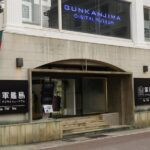
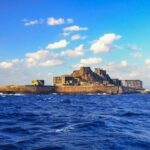
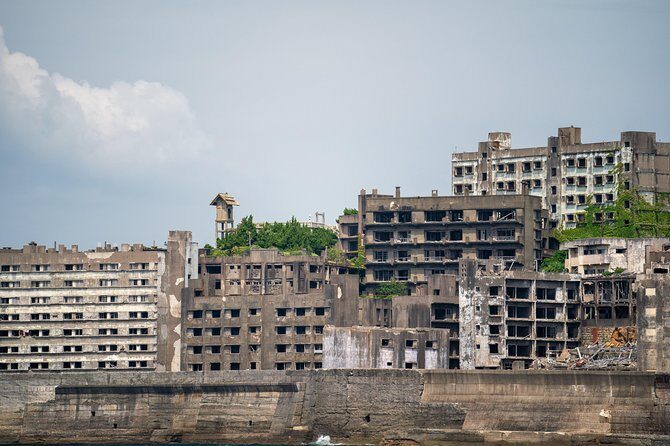
One major option is Gunkanjima (Battleship Island), described as famous for industrial ruins with an eerie, abandoned look. It was once a thriving mining community, then abandoned after the mines closed in the 1970s. This kind of stop tends to stick with people because it feels like a real timeline made visible.
Another option is a Zen Buddhist temple founded in the 14th century by a Chinese monk and connected to Chinese Zen Buddhism. This is a good choice if you want a quiet breather between other sites.
You may also include a Confucian shrine built in the 17th century honoring Confucius. Shrines like this help you see Nagasaki as more than a single theme city. It’s layered with different cultural traditions that shaped how people thought and lived.
One caution for Gunkanjima and anything outside the “simple stroll” category: the tour is described as transportation within the city only, and fees for optional activities aren’t included. If your route includes something like a special island visit, expect that extra steps or costs could apply depending on how your guide builds the day.
Sunrise views, tulip season, and museum-type choices
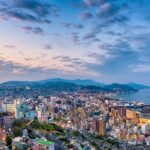
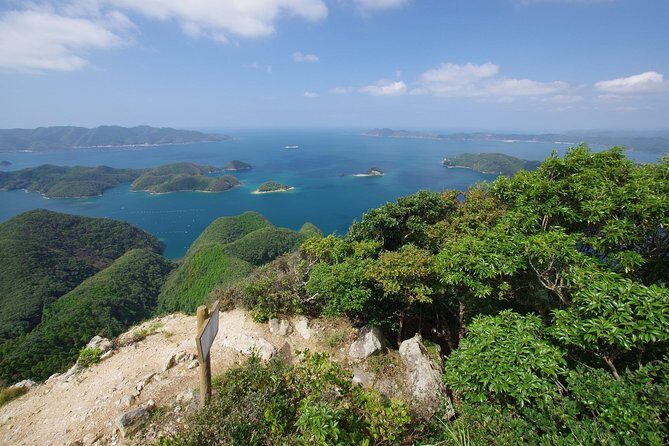
The tour options also mention a viewpoint with breathtaking scenery, especially at sunrise and sunset. If you’re traveling in warmer months or can align with seasonal blooms, there’s also a flower-focused spot famous for tulips in spring.
For museum lovers, there’s a stop described as a history and culture museum for Nagasaki Prefecture, with artifacts, documents, and multimedia displays. This is a strong choice when you want a “learn it, then walk it” rhythm.
The key is matching your route to your energy level. If you start with peace memorials, you might prefer to follow with a viewpoint or museum that gives your mind structure and a change of pace. If you start with bridges and architecture, you can end with something reflective like a temple or shrine.
Price and value: when $203.80 per person makes sense
The price is listed at $203.80 per person for about 4 hours. On paper, that can sound steep compared with free wandering. But this isn’t just a guide standing next to you—it’s reservations and bookings made on your behalf, plus hotel pickup/drop-off, plus a fully customizable route with a professional English-speaking guide.
Value comes from two places:
First, you’re buying time and decision-making. Instead of spending your morning researching which sites are best grouped together, you’re letting your guide build a route around your interests. That matters a lot in Nagasaki, where the best sites don’t all sit in one tight grid.
Second, you’re buying comfort with structure. Even if you use public transit, you’re not figuring out schedules mid-day. If your guide is as organized as the guides mentioned in feedback—Yuki Kato and Mr Satoshi Nishimura as examples—that structure becomes part of the experience, not a behind-the-scenes perk.
Who this fits best:
- First-timers who want the big themes without planning stress
- People who care about peace history and want context, not just names
- Couples or small groups who prefer a private day over a larger group tour
- Travelers who want to mix architecture, neighborhoods, and food stops without guessing
Who might choose differently:
- If you only want one or two close-by sights, a self-guided day could be cheaper
- If you want a full day of island hopping and boat time, you might need a different format since this one is half-day and city-focused
So, should you book this Nagasaki private custom half-day tour?
I’d book this when you want a Nagasaki day that feels tailored and paced, not rushed and generic. It’s especially worth it if you’re drawn to a mix of peace memorials, Christian heritage, Chinatown, and the city’s Dutch-era fingerprints like Dejima and Meganebashi Bridge.
You should also book if you like the idea of using the city’s transport with a guide who keeps things organized and responsive. In examples tied to this experience, guides like Yuki Kato have shown a strong ability to tailor priorities and keep the day running smoothly.
One final reality check: pick your emotional load. With only 4 hours and 2–3 attractions, you’ll get a meaningful bite of Nagasaki—just not everything. If you can choose what matters most, this format is a smart way to get there without spending your vacation glued to a map.
FAQ
How long is the Nagasaki Private Customizable Half Day Tour?
It runs for about 4 hours.
Is this tour private?
Yes. It’s a private tour/activity with only your group participating.
What time does the tour start, and where do we meet?
The start time is 9:00 am, and the meeting point is Nagasaki Station 1 Onouemachi. The tour ends back at the meeting point.
Does the tour include hotel pickup?
Yes, hotel pickup and drop-off are included.
How many attractions will we see?
You’ll discover 2–3 attractions within the designated 4-hour timeframe.
Is the guide available in English?
The tour includes an English-speaking professional tour guide, and it may be available in other languages depending on the booking.
What’s included in the price?
Included are the 4-hour fully customized tour with reservations and bookings made on your behalf, transportation within the city only, the English-speaking professional guide, and hotel pickup/drop-off.
Are meals included?
No. Meals, food, and drinks are not included unless specifically specified for your chosen stops.
Do I need to fill out a form after booking?
Yes. After booking, you’ll receive a link to a Nagasaki form. It’s important to complete it accurately at least 7 days before your tour date.
Can I cancel and get a refund?
The policy is strict: the amount paid is non-refundable, and it can’t be changed for any reason.
Is the tour easy for most travelers to do?
The information provided says most travelers can participate. You should dress appropriately for weather and be ready for walking and city transit.