REVIEW · NAGASAKI
Must-See Nagasaki With A Local: Private & Personalized Walking Experience
Book on Viator →Operated by City Unscripted · Bookable on Viator
Nagasaki makes more sense with a local guide. I like that you pair heavy history with real city rhythm, starting at Nagasaki Peace Park and the Atomic Bomb Museum, then moving into everyday streets and photo stops like Meganebashi. I also love the personalization: after a quick questionnaire, you get matched with a like-minded host who can flex the route as you go. One consideration: food and attraction tickets aren’t included, so you’ll want to budget a bit extra if you want to snack or enter everything.
This is a private, walking-first day (about 7 to 8 hours). That format means you get fewer transitions and more time talking—about what you’re seeing and how Nagasaki became the international city it is. In practice, the best value comes when you embrace the slower pace and ask questions, especially because some stops are solemn and deserve your full attention.
In This Review
- Key highlights
- Why this private walking format fits Nagasaki
- Meeting point and timing: start at Nagasaki City Tourist Information Center
- Peace Park and Atomic Bomb Museum: how to focus your attention
- Meganebashi bridge: the spectacles photo is only half the point
- Dutch Slope and Dejima: where trading history turns into street-level reality
- Shrines and temples that anchor the spiritual side of Nagasaki
- Iwanaga Baijyuken: a sweet stop that feels like local ritual
- Pacing, rain plans, and how the host makes or breaks the day
- Price and value: what $213.17 really buys you
- Getting around: walking first, transport only if needed
- Who should book this private Nagasaki day
- Should you book this private Nagasaki walking experience?
- FAQ
- How long is the private walking experience in Nagasaki?
- What does the price include?
- Are food and attraction tickets included?
- Where do you meet and where does the tour end?
- Is this tour really private for just my group?
- How does the tour match you with a host?
- Can I cancel for a full refund?
Key highlights
- Private host + flexible route: you can adjust what you do during the day if your interests shift
- Peace Park + Atomic Bomb Museum focus: a clear, structured way to handle the hardest part of Nagasaki
- Meganebashi (Spectacles Bridge) at the right angles: built for photos and perspective
- Dutch Slope and Dejima context: history that explains why Western influence appears in surprising places
- Shrines you’ll remember: like the powerful one-legged Sanno shrine
- Sweet stop at Iwanaga Baijyuken: a classic Nagasaki buy to end the day on a lighter note
Why this private walking format fits Nagasaki
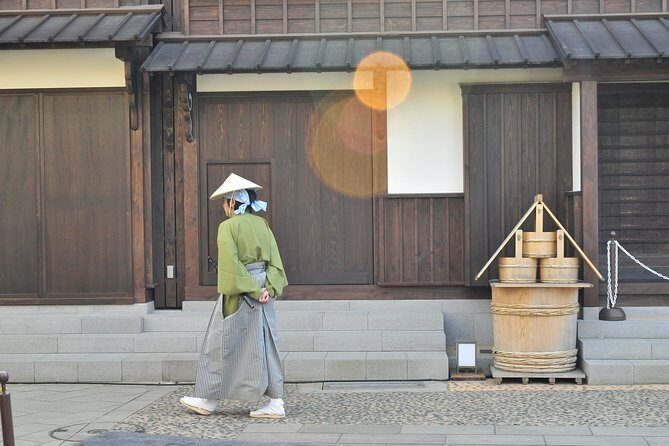
Nagasaki is not a city you can skim. It’s compact, but the meaning is layered: memorial sites, religious corners, and trading history all sit close together. This tour’s strength is that it doesn’t treat the day like a checklist. You’re walking with a local host for a half-day stretch, so you get context between stops, not just in front of them.
I also like that the day can be shaped around you. You’re prompted with a short questionnaire within 24 hours after booking about personality and interests, and then you’re matched with a like-minded host. The host contacts you directly to suggest an itinerary and to set a meeting time and place. Once you meet, the itinerary is flexible—meaning you can change your mind on the spot instead of forcing your body through every stop no matter what.
The only drawback with any walking tour is simple logistics: you’re on your feet for most of the day. If you have mobility limits, you’ll want to plan carefully, and since other transport can be arranged at an additional cost, ask early so your route matches your pace.
You can also read our reviews of more walking tours in Nagasaki

Meeting point and timing: start at Nagasaki City Tourist Information Center
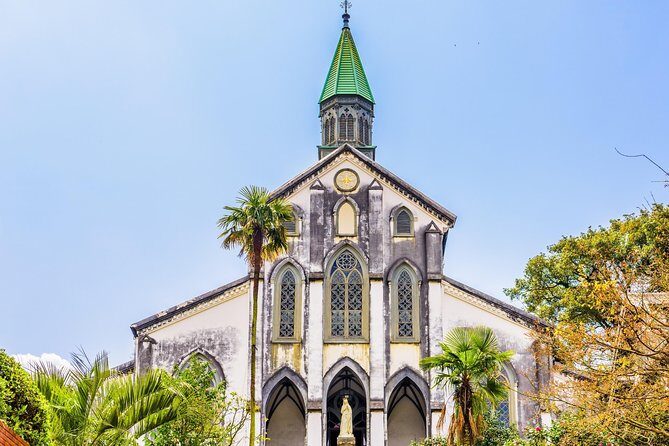
The meeting point is easy to find: Nagasaki City Tourist Information Center, 1-60 Onouemachi, Nagasaki, 850-0058, Japan. The good part is that you return to the same place at the end, so you avoid the last-day stress of figuring out how to get back.
The tour runs about 7 to 8 hours, so plan for a full day in your schedule. Most stops involve walking between neighborhoods, with photo breaks and time to look around. Because you can pre-book lunch with the provider (food itself isn’t included), you’ll likely do best if you decide early whether you want a set lunch plan or prefer to stop wherever your host suggests.
Tip: bring comfortable shoes. Nagasaki streets can include slopes and uneven pavement, especially around older districts and viewpoints.
Peace Park and Atomic Bomb Museum: how to focus your attention
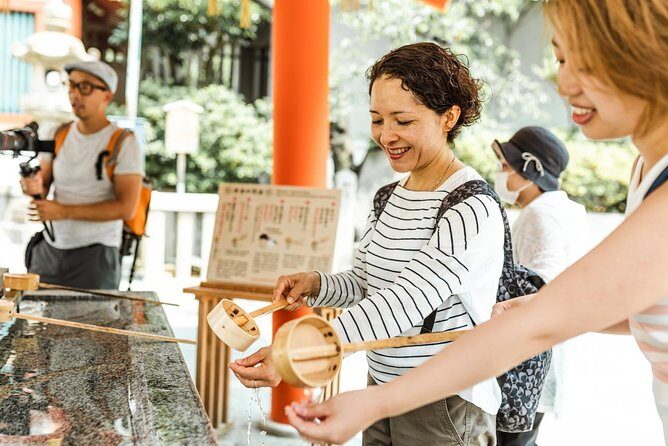
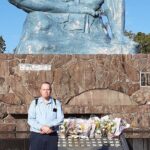
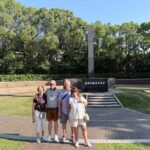
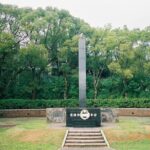
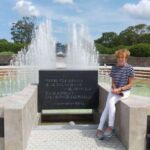
The day begins with Nagasaki Peace Park and includes the Atomic Bomb Museum. This is where the emotional weight sits, and the best experience comes when you slow down enough to take it seriously. A local host helps because the story isn’t just names and dates—it’s also how the city rebuilt its identity afterward.
Here’s what I’d watch for as you go through the grounds and museum areas:
- Look for the details that explain resilience: not just the tragedy, but what people created afterward
- Ask your host how different parts of Nagasaki connect to the message of the park
- Give yourself time to step away and absorb the setting before rushing to the next viewpoint
One practical consideration: because attraction tickets are not included, you should expect to pay for entry separately for the museum(s) you choose to visit. Your host can help you decide what fits, but you’ll still want to budget for admissions.
This part of the itinerary also tends to be the anchor. Even when routes vary (because it’s personalized), the Peace Park and museum areas are usually the center of gravity. That’s good. You don’t want the hardest part of Nagasaki squeezed between quick photo stops.
Meganebashi bridge: the spectacles photo is only half the point
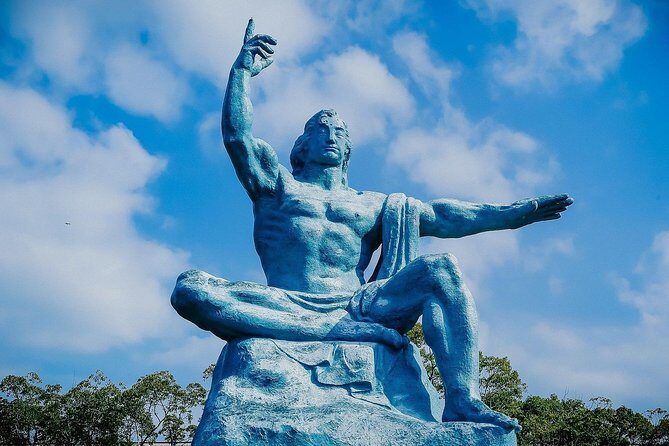
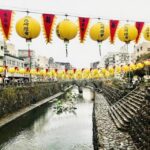
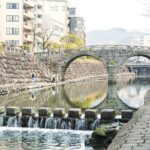
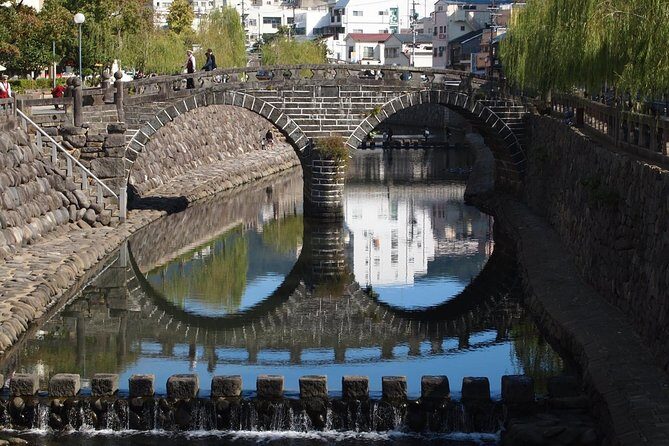
Next comes Meganebashi, the famous 400-year-old bridge whose reflection resembles a pair of spectacles. It’s a classic Nagasaki image, but what makes it more satisfying on this tour is how your host sets you up for the best viewing angles and timing.
You’ll likely:
- Pause for photos with the bridge framing your perspective
- Get a short explanation of why it’s so visually striking
- Move on quickly so you don’t spend your whole day stuck in one spot
The best photo moment is often about position, not equipment. Wear something you can move in, and be ready to shift a few steps to get the reflection effect.
In reviews, the pacing has also been adjusted to catch sunset light. If your host can manage timing, it’s a nice touch because Meganebashi and nearby streets can look very different at golden hour.
Dutch Slope and Dejima: where trading history turns into street-level reality
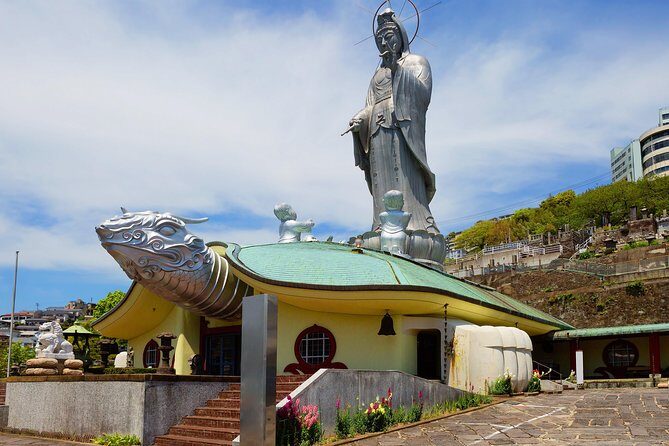
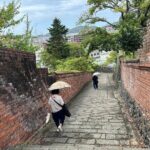
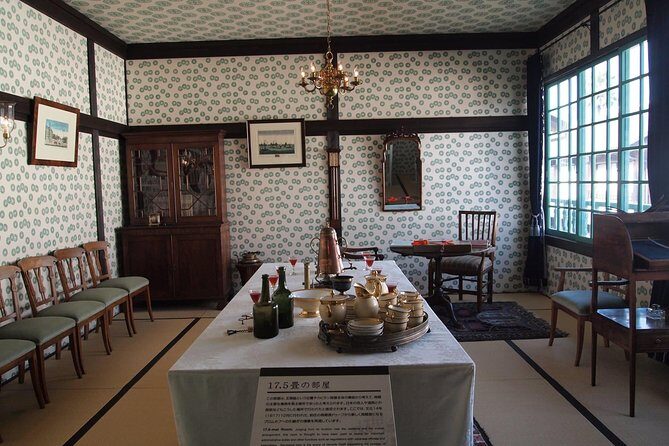
Nagasaki’s international story isn’t abstract here. You walk through places tied to Western traders in the 1800s, including stone-paved Dutch Slope and the old Dutch district of Dejima. This is one reason the tour feels more “real” than a transport-to-monument day: you see how history was built into geography.
A host can make this far more than a map lesson. You’ll connect dots between:
- The physical slope and street layout that shaped where people gathered and traveled
- Dejima’s role as a trading zone
- How Nagasaki’s mix of cultures shows up beyond postcards
You might also try toruko raisu (Turkish rice) during this segment. The food isn’t included, but this is exactly the kind of stop that makes a walking tour worth it. It’s a bite-sized way to taste how international influence took on local form.
A note on expectations: food timing and what you choose to buy can vary because the itinerary is flexible and private. If you care about tasting specific items like toruko raisu, tell your host at the start so it can be prioritized.
You can also read our reviews of more private tours in Nagasaki
Shrines and temples that anchor the spiritual side of Nagasaki
After the more famous landmarks, you’ll visit shrines and temples that give you a different lens on the city.
The tour highlights include:
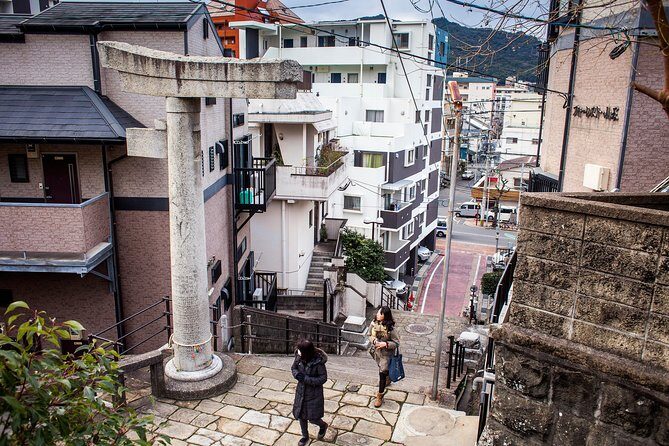
- One-legged Sanno shrine: a powerful symbol of Nagasaki
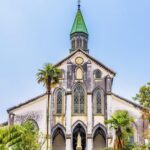
- Other religious stops that may include Fukusai-ji temple and Suwa shrine, depending on your host’s route
Even if you’ve been to shrines elsewhere in Japan, don’t treat these as copy-paste stops. The value here is contrast: you’re seeing religious sites after walking through the city’s memorial and trading history, so your brain starts to notice how people build meaning in different ways.
What to do here:
- Step slowly and look at the details your host points out
- Ask how the shrine’s symbolism connects to the idea of identity and survival in Nagasaki
- Keep your pace steady so you’re not rushing through prayer spaces
If you’re traveling with limited time, this is where the private format pays off. Your host can balance the religious stops with the photo stops and the museum content so the day stays coherent instead of chaotic.
Iwanaga Baijyuken: a sweet stop that feels like local ritual
One of the most “you’ll remember this” moments is buying traditional sweets at Iwanaga Baijyuken, a shop with roots going back about 200 years. This is the kind of stop that works well at the right moment in a long day: after memorial sites, shrines, and history walks, you get something tactile and light.
Because food isn’t included, you’ll pay on your own. But if you plan ahead, this is a great place to:
- Pick up a snack for later
- Buy something to bring home that feels tied to Nagasaki rather than generic Japanese souvenirs
Your host can also suggest what to buy based on your tastes, especially if the questionnaire matched you with a like-minded guide.
Pacing, rain plans, and how the host makes or breaks the day
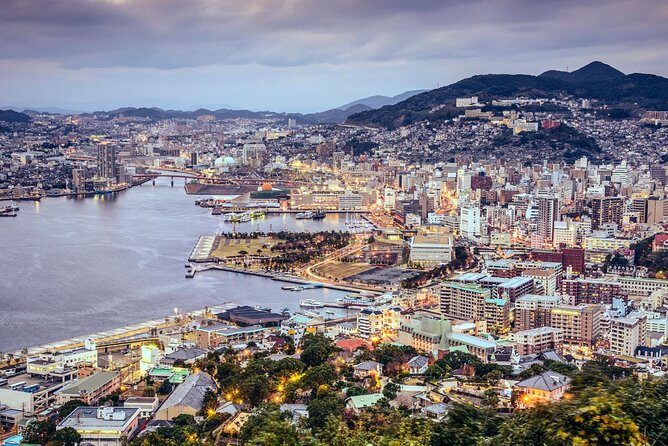
This is a walking tour that runs 7 to 8 hours, and that only works when the pacing is handled well. In rain, I’d be extra grateful for a good host. One example from actual guide styles: Miki was praised for an efficient, well-timed day even in heavy rain, hitting key areas and museums without turning the route into a slog.
That matters because Nagasaki weather can change your plans quickly. A flexible itinerary helps here. If weather makes outdoor photo stops less pleasant, your host can shift the balance so you still get meaning out of the day.
You’ll also get a more personal approach than you would on a group tour. In one case, Tod’s guidance was described as worry-free and focused on showing how locals live, not just major monuments. And Armand’s route leaned into the Dutch-Japanese link, with English called out as strong; he was also flexible about what the group wanted to see.
What you can do to get the most out of that flexibility:
- Tell your host what you care about most at the start—history, photos, religion, food, or street life
- Ask where you should slow down
- If you’re tired, say so early so the route can adjust before you hit burnout
Price and value: what $213.17 really buys you
At $213.17 per person, this isn’t a budget stroll. But you are paying for a private, personalized guide for about 7 to 8 hours, plus the walking format and the fact that an itinerary is adjusted to you. You’re also getting a mobile ticket and group discounts (depending on how the operator prices the booking).
Here’s the value logic I use:
- If you want only the major monuments, group tours are usually cheaper.
- If you want context, flexibility, and an actual back-and-forth with a host, the price makes more sense.
- The big “gotcha” is that food and attraction tickets are not included, so add those costs when you decide if the total fits your trip budget.
So for me, the cost feels justified if you’re the type who likes to understand what you’re seeing—especially in a city where the story is both historical and personal.
Getting around: walking first, transport only if needed
You should assume walking is the core plan. That’s explicitly how the experience is designed: it’s a walking experience, and other transport can be arranged at an additional cost.
Also, the tour is near public transportation. That’s helpful if you need to adjust timing or if you’re coming from elsewhere in Nagasaki before meeting your host.
If you’re traveling with a service animal, the tour allows service animals, which is a real practical plus for many visitors.
Who should book this private Nagasaki day
This tour is best if you want:
- A private guide, not a crowded group
- A full day that blends memorial sites with religious and neighborhood history
- A flexible itinerary that adapts to your interests
- Someone to help connect Nagasaki’s international past to what you see on the street
It’s also a good fit if you care about the Dutch influence (Dutch Slope, Dejima) and like turning history into something you can walk through. And if you enjoy food as part of the story, the toruko raisu option and the Iwanaga Baijyuken sweets add a satisfying personal touch.
Should you book this private Nagasaki walking experience?
I think you should book it if you want a day with structure but not rigidity—especially the combination of Peace Park + Atomic Bomb Museum with Dutch and shrine stops. The price is fair when you value a host who can adjust the route, keep pacing comfortable, and help you understand the city beyond the usual stops.
Skip it (or consider a simpler tour) if you’re only after quick photos, don’t want to pay separate attraction tickets, or prefer a more self-directed schedule. Also, if you hate walking for 7 to 8 hours, tell yourself the tour’s format first before booking and plan alternatives with the operator.
If you’re on the fence, my advice is simple: this is the kind of tour that rewards curiosity. If you’re the type who likes asking why things are here, it will feel like a better use of your time than moving from monument to monument.
FAQ
How long is the private walking experience in Nagasaki?
It lasts about 7 to 8 hours.
What does the price include?
The experience includes a private and personalized guided walking experience with a host, plus the time range stated above. Walking is the main mode, and a mobile ticket is provided.
Are food and attraction tickets included?
No. Food and drinks are not included, and tickets to attractions are also not included.
Where do you meet and where does the tour end?
You start at Nagasaki City Tourist Information Center (1-60 Onouemachi, Nagasaki) and the tour ends back at the same meeting point.
Is this tour really private for just my group?
Yes. It’s a private tour/activity, so only your group participates.
How does the tour match you with a host?
Within 24 hours after booking, you’ll receive a short questionnaire about your personality and interests. Based on your responses, you’re assigned a like-minded host, who then communicates with you directly to suggest an itinerary and set your meeting time and place.
Can I cancel for a full refund?
Yes. You can cancel up to 24 hours in advance for a full refund, and cutoff times are based on the experience’s local time.