REVIEW · KYOTO
Kyoto: Nighttime Zen Meditation and Matcha Tea Experience
Book on GetYourGuide →Operated by Cultural Edu-tourism Council · Bookable on GetYourGuide
Night in Kyoto can feel like a soft reset. This 90-minute session at Keishunin Temple slows everything down with zazen meditation, illuminated gardens, and tea in a way normal sightseeing never quite matches.
I love how the visit feels guided but not forced, with a local perspective that turns the grounds into something you can actually feel. I also love the mix of quiet practice and sensory rewards: the matcha and sweet taste like a finishing ritual, not a random snack.
One thing to weigh: this experience is not suitable for wheelchair users, and it’s also geared to people 12 and up. If you want easy, flexible pacing, or you’re traveling with very young kids, you’ll probably want to choose something else.
In This Review
- Key highlights you’ll remember
- Keishunin Temple after dark: what changes at night
- The four illuminated gardens: more than pretty photos
- Sehakuan tea room and Kano Sansetsu fusuma: art you can stand in front of
- Zazen meditation with a senior guide: calm, but not vague
- Matcha and a Japanese sweet: the ritual ending that makes it stick
- What the itinerary feels like minute-by-minute
- Price and value: is $206 per person worth it?
- Who this nighttime meditation and matcha tour suits best
- Small practical tips so you enjoy it more
- Should you book this Kyoto nighttime zen and matcha experience?
- FAQ
- How long is the experience?
- Where does the tour take place?
- What’s included besides meditation?
- Which languages are available?
- Is it suitable for young children?
- Is wheelchair access available?
- What should I bring, and is flash photography allowed?
- What’s the cancellation policy?
Key highlights you’ll remember
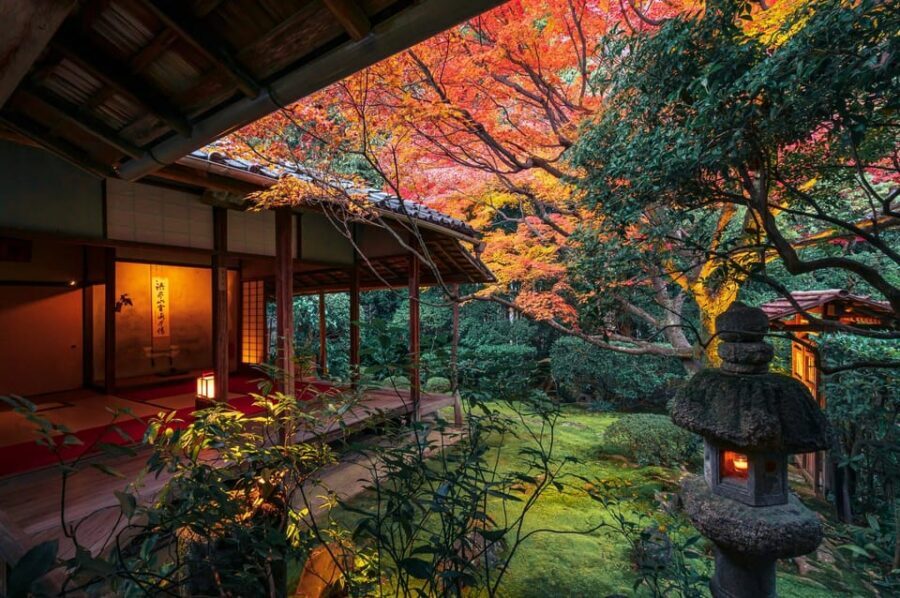
- Nighttime illumination at Keishunin: you see the four gardens lit up, not in daylight routine.
- A real temple lesson: you get context from a guide, not just photo stops.
- Zazen with a senior monk: the practice is guided, including what to do if you get tired.
- Tea room access to Sehakuan: you tour the hidden tea room and see fusuma paintings by Kano Sansetsu.
- Matcha and a Japanese sweet: you taste your way into the calm at the end.
Keishunin Temple after dark: what changes at night
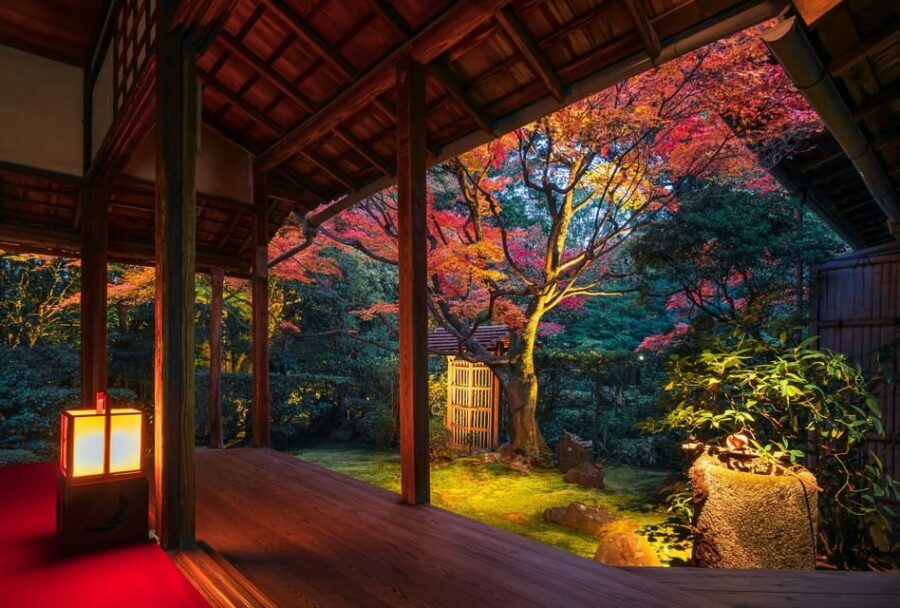
Keishunin is a sub-temple of Myoshinji Temple, and the night visit is the point. When the lights come on, the gardens shift from scenery to atmosphere. You’re not just looking; you’re moving through a mood.
I like that the experience is structured around that nighttime feeling. You begin by getting your bearings in the temple grounds, then you transition from visuals to practice. The whole flow nudges you toward stillness instead of keeping you in constant motion.
If you run cold easily, plan for it. Warm clothing is recommended because this is a night experience, and you’ll likely spend enough time standing, walking, and settling in for meditation to feel temperature changes.
You can also read our reviews of more tours and experiences in Kyoto.



The four illuminated gardens: more than pretty photos
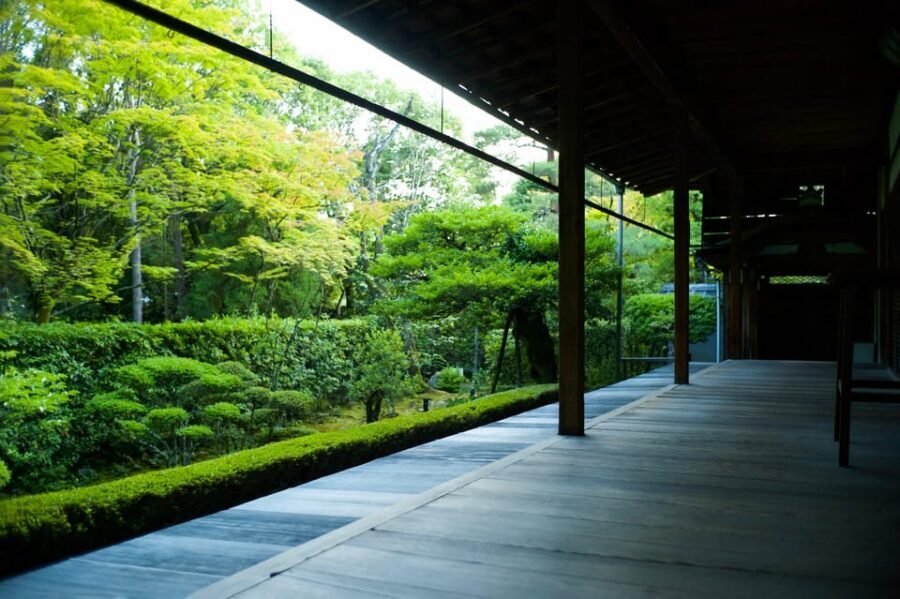
A big part of the tour is your walk through the four gardens at Keishunin. They’re described as nationally designated historical sites and scenic spots, which matters because the design is meant to be read and respected, not raced through like a checklist.
In practice, the gardens are where your guide’s storytelling does its best work. You’ll learn what you’re looking at, which helps the lights feel intentional instead of decorative. At night, that context can make the experience click fast, because your eyes catch details you might miss in daylight.
There’s also a quieter payoff. The illuminated gardens give you a gentle rhythm: look, listen, pause, then move on. That pacing is useful if you’re the type of traveler who usually feels too “on” during city tours and wants a reset.
Sehakuan tea room and Kano Sansetsu fusuma: art you can stand in front of
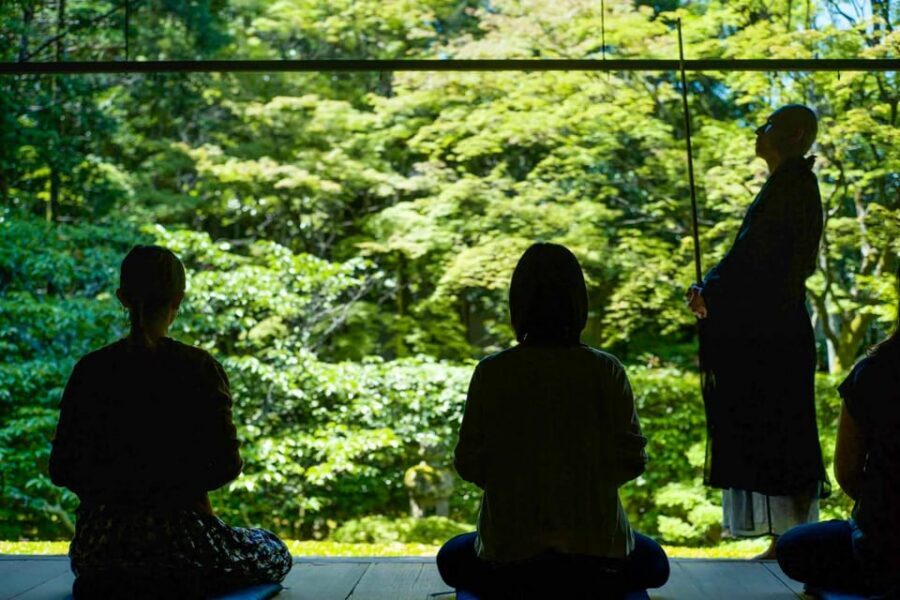
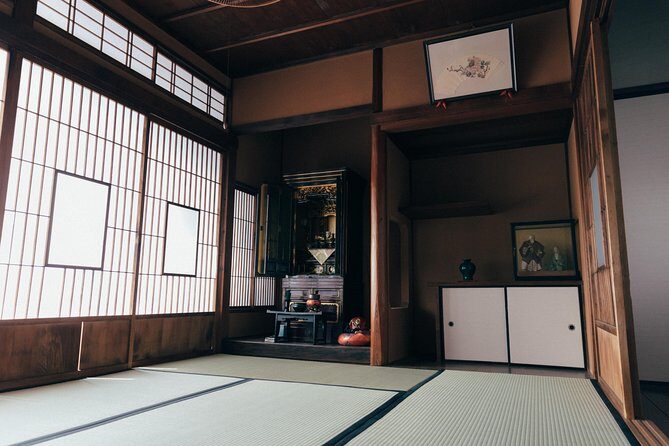
One of the most interesting moments is the tour of the hidden tea room called Sehakuan. This isn’t just a hallway look; it’s time spent with the space as part of the temple’s cultural story.
You’ll also view fusuma paintings by Kano Sansetsu. Fusuma are sliding panels, and the art is designed to change how you read a room as it opens and closes. In a setting like this, the paintings feel tied to the whole ritual world around them, not like museum objects with a crowd buffer.
What makes this valuable is the combination: the gardens set a visual tone, and the tea room and fusuma add a cultural layer. You’re not only learning facts; you’re learning how art and architecture support calm and ceremony.
Practical note: no flash photography is allowed. So take your photos early in any outdoor moments, then plan on letting this part be a real, screen-free viewing time.
Zazen meditation with a senior guide: calm, but not vague
The meditation portion is guided zazen, and it’s taught by temple leadership. Your experience is led with instruction from a senior presence, including the VP Monk in the meditation. You’ll also hear from Keishunin Deputy Chief Priest Yasumasa Arashima during the tea and sweet portion, which helps you connect the practice to the people who keep it alive.
I like that zazen here doesn’t feel like a performance. The goal is steadiness and awareness, and the guide style supports that. You’ll follow along, sit, and be brought back when your mind wanders the way it always does.
One small but memorable detail: you may learn a temple custom for what to do when you get too tired and need a refreshing reminder to keep going. That’s helpful for real bodies, not just ideal meditators. It also makes the session feel practical, like the tradition has built-in care for beginners.
Wear comfortable clothes and expect to sit for long enough to notice your posture. If you’re stiff, consider simple stretching before the session starts and plan to adjust your clothing so you’re not fidgeting the whole time.
Matcha and a Japanese sweet: the ritual ending that makes it stick
After the meditation, you’ll enjoy matcha tea and Japanese sweets. The tasting is led by Keishunin’s Deputy Chief Priest Yasumasa Arashima, which adds weight to what could otherwise be a standard add-on.
This part is where the experience becomes memorable for many people, because the tea acts like a closing bell. You’re not rushing off to the next attraction while you’re still mentally “in” the quiet. Instead, you slow down one more time and use taste as your final anchor.
If you enjoy food experiences, this is more than calories. Matcha has a specific bitterness and smooth depth, and pairing it with a traditional Japanese sweet gives you contrast that feels intentionally balanced. It’s also a nice moment to breathe after sitting practice.
Tip: sip slowly. Don’t turn this into a hurry-up snack, because the value of the tour is the continuity from meditation into ceremony.



What the itinerary feels like minute-by-minute
You’ll start by meeting your guide at the temple and stepping into the night atmosphere right away. The early part focuses on the four gardens, lit after dark, with your guide explaining what you’re seeing and how to look at it.
Next comes the indoor cultural portion: you tour the hidden tea room Sehakuan and view the Kano Sansetsu fusuma. This is the moment to switch gears from moving outdoors to observing inside without rushing.
Then you transition to practice: guided zazen. Sit, follow the instructions, and let the session carry you. If your mind wanders, that’s normal; the structure is designed to help you return.
Finally, you wrap with matcha and a Japanese sweet, hosted by Keishunin Deputy Chief Priest Yasumasa Arashima. The session ends with a feeling of settling, like you’ve given your day a different ending than you usually get in a big city.
Overall, the 90-minute length is short enough to fit into a Kyoto evening, but long enough that it doesn’t feel like a rushed demo. If you’re tired from daytime walking, this format can be a surprisingly good choice because it offers stillness without making you travel far.
Price and value: is $206 per person worth it?
At $206 per person for 90 minutes, this isn’t the cheapest thing you can do in Kyoto. But value isn’t only about time; it’s about access, expertise, and atmosphere.
You’re paying for several things working together:
- Guided nighttime access to Keishunin and its illuminated gardens
- A tour that includes the Sehakuan tea room and Kano Sansetsu fusuma
- A structured zazen meditation led by temple leadership
- A hosted tasting of matcha and a Japanese sweet with Yasumasa Arashima
If you’ve ever sat through a generic “temple tour” where people sprint between gates, this format will feel different. The practice component and the temple-tea ending are what make the experience feel complete. In other words, you’re not just seeing; you’re participating.
Still, it’s worth your attention if you’re price-sensitive. This tour is for travelers who want calm and cultural depth in one compact evening, not a broad, high-energy highlights tour.
Who this nighttime meditation and matcha tour suits best
This experience is a strong fit if you want a break from the usual Kyoto tempo. It’s especially good for:
- People who enjoy slow travel and quiet moments
- Travelers who like hands-on cultural activities (zazen, tea)
- Anyone who wants a different Kyoto night than dinner-and-a-view
- Couples or friends who appreciate a private group setting
Language support is available in English and Chinese, and the tour is led by a live guide. Since it’s a private group, you’re not stuck in a big crowd that interrupts your ability to focus.
One more practical note: it’s not suitable for wheelchair users, and children under 12 are not recommended. Also, primary school students and above are welcome, with specific parent/guardian guidance required for junior-high-age kids.
Small practical tips so you enjoy it more
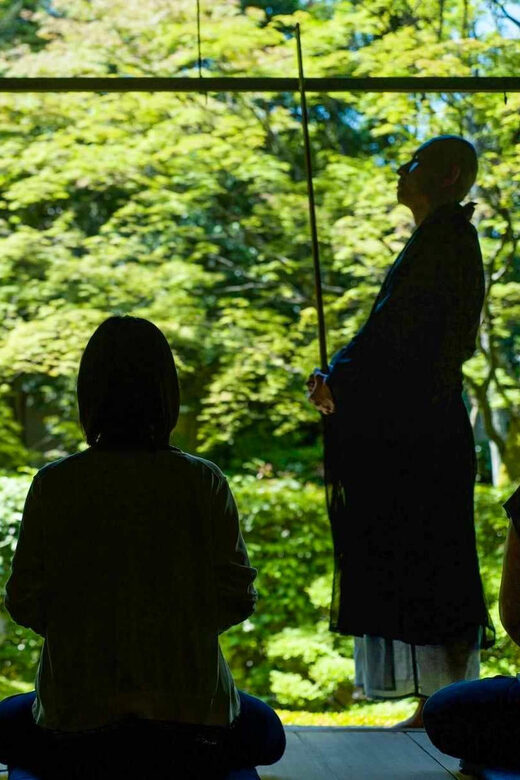
Because this is a nighttime, temple-based session, your comfort matters more than usual.
- Bring warm clothing. Even if Kyoto seems mild earlier, night can change the feel fast.
- Wear comfortable clothes for sitting meditation.
- Avoid flash photography since it’s not allowed.
- Skip smoking around the experience, since smoking isn’t permitted.
And mentally, arrive ready to switch modes. If your day has been packed with checkpoints, this will feel better if you treat it like a pause button rather than a ticketed stop.
Should you book this Kyoto nighttime zen and matcha experience?
Book it if you want Kyoto with the volume turned down. This is for travelers who value a calm, guided practice, a cultural tour you can actually observe slowly, and a hosted matcha ending that feels tied to the ritual—not tacked on.
Pass or look for an alternative if you need wheelchair accessibility, you’re traveling with a child under 12, or you strongly prefer flexible pacing and lots of sightseeing variety in one night. The experience is focused, quiet, and structured, and that’s exactly why it works.
FAQ
How long is the experience?
It lasts 90 minutes.
Where does the tour take place?
The tour is a special night visit at Keishunin Temple in Kyoto (a sub-temple of Myoshinji Temple).
What’s included besides meditation?
You also get a tour of the four gardens, a visit to the hidden tea room Sehakuan, viewing Kano Sansetsu’s fusuma paintings, and a matcha tea and Japanese sweet tasting.
Which languages are available?
The live guide offers English and Chinese.
Is it suitable for young children?
It’s intended for primary school students and above, but it’s not suitable for children under 12. Junior-high-age guests must be accompanied by one parent or guardian.
Is wheelchair access available?
No, it is not suitable for wheelchair users.
What should I bring, and is flash photography allowed?
Bring warm clothing and comfortable clothes. Flash photography is not allowed.
What’s the cancellation policy?
You can cancel up to 3 days in advance for a full refund. From 3 days before until the day before, cancellation charges apply, and on the day the charge is higher. If you don’t show up without notice, the charge is 100%.