REVIEW · KYOTO
Kyoto: Authentic Biking Half Day Experience
Book on GetYourGuide →Operated by TripGuru Japan · Bookable on GetYourGuide
Kyoto looks great at walking speed, but it really clicks on a bike. This half-day ride mixes Mamachari comfort with real local-style cycling, and it’s a smart way to learn the city fast while a guide helps with stories and even photos. The main trade-off is simple: it’s not a slow sightseeing crawl, so you’ll need to be able to ride a bike comfortably for the full route.
My favorite part is the line-up. You roll from Gion into major temple and shrine areas like Nanzenji and Ginkakuji, then end at the Kyoto Imperial Palace grounds, all in about four hours with a small group. If you’re expecting a fully electric ride or lots of extra time to linger everywhere, plan on going at a steady tour pace instead.
In This Review
- Key things you’ll notice on this Kyoto biking tour
- Kyoto on two wheels: why the Mamachari style works so well
- Gojo Station meetup and getting ready without stress
- Gion in your first 20 minutes: instant atmosphere, fast orientation
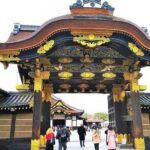
- Nanzenji Temple: the stop where the mood usually changes
- The Philosopher’s Path by bike: scenic calm without the knee burn
- Ginkakuji and the shrine pair-up: two different kinds of “stillness”
- Kyoto Imperial Palace at the end: a calm finish with big-open space
- What $79 really buys you in a 4-hour half-day
- Safety, comfort, and who should plan something else
- Who this Kyoto bike tour fits best
- Should you book it?
- FAQ
- How long is the Kyoto biking experience?
- Where do I meet the guide?
- What bike do I ride?
- Is there an English-speaking guide?
- Are helmets provided?
- What entrance fees are included?
- How big is the group?
- What should I bring?
- Is the tour refundable if I change my plans?
- Who should not take this tour?
Key things you’ll notice on this Kyoto biking tour
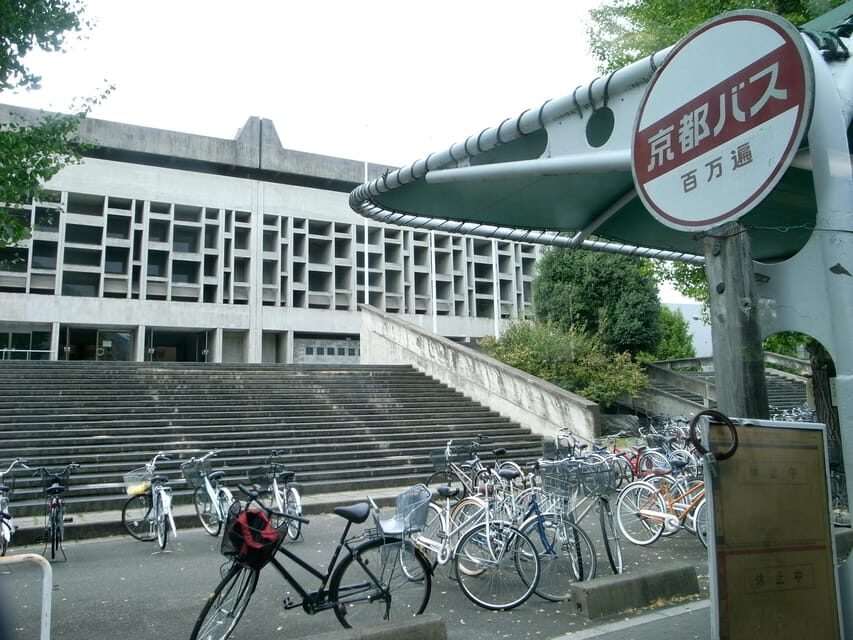
- A comfy Mamachari bike with 3 gear shifts for an easy, mostly flat city ride
- Gion to Nanzenji to the Philosopher’s Path as one logical flow, not random hopping
- Temple and shrine time that actually explains what you’re seeing, with guided stops
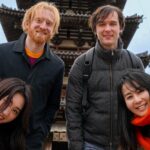
- Small group size (up to 9), which makes photos and questions easier
- Entrance fee included for Nanzenji Temple plus helmet and insurance for peace of mind
Kyoto on two wheels: why the Mamachari style works so well
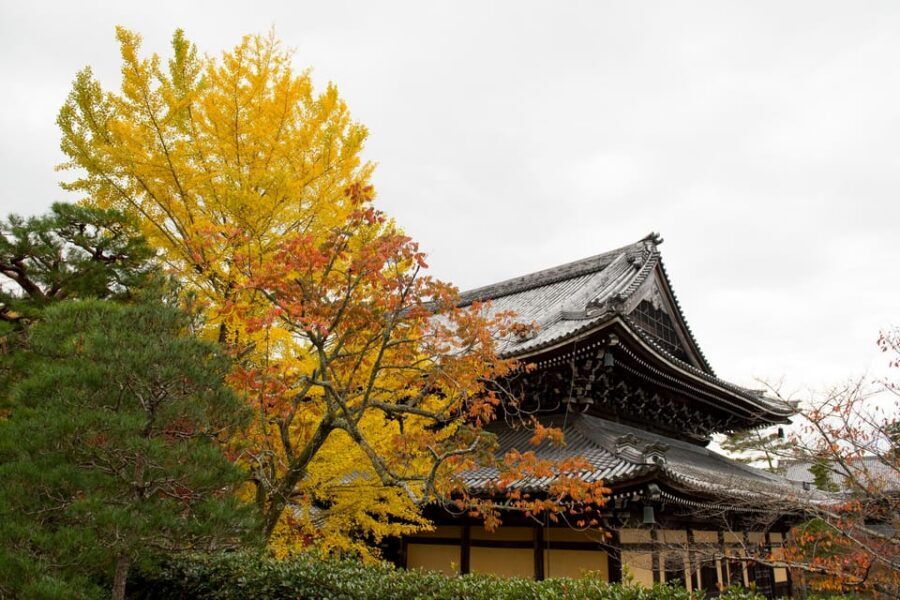
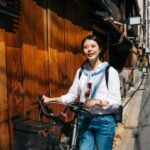
Kyoto is one of Japan’s easier cities to bike—lots of lanes and everyday cycling culture—so this tour takes advantage of something locals already use to get around. Instead of treating the bike as a novelty, the route is built like a practical loop: start in a key central neighborhood, visit headline spiritual sites, then finish with a big historic stop.
The bike matters. You get a standard non-electric B-type Mamachari with three gear shifts and a helmet. That setup usually feels more stable and predictable than sport bikes, and it fits the tour’s tempo: get moving, enjoy the views, stop when it makes sense, and keep the day from turning into a long series of transit delays.
And you get an English-speaking guide to connect the dots. Kyoto can look similar street to street if you’re not sure what you’re looking at. A guide helps you read the city—why these places matter, what to notice as you arrive, and how to pace your time so you don’t feel rushed just to keep up.
That’s the real value here: the ride turns into “orientation plus highlights” instead of “workout plus guesswork.”
You can also read our reviews of more cycling tours in Kyoto
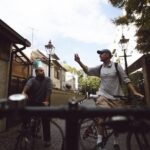
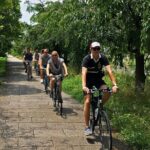

Gojo Station meetup and getting ready without stress
The tour meets at Subway Gojo Station, Exit 2. Look for a guide wearing a TripGuru shirt or holding a TripGuru sign. It’s a straightforward meet point, and being near a major subway stop makes it easier to plug into the rest of your day.
Once you’re matched with your bike and helmet, the rest of the half day runs on a simple rhythm: ride for a stretch, then pause at the next landmark area. The tour duration is about 4 hours, and with a small group capped at 9 participants, you’re not stuck waiting for a big crowd to move along.
A practical note: you’ll want comfortable shoes and ideally a camera you can grab quickly at stops. Meals and other drinks aren’t included, so if you’re doing this on a warmer or longer day, plan to eat and hydrate before you meet or right after you return to Gojo.
Also, the ride is mostly flat with only gentle slopes. That’s good news if you’re not training for a marathon—but it still requires real bike control, so choose this tour based on your comfort level, not just your interest in Kyoto’s sites.
Gion in your first 20 minutes: instant atmosphere, fast orientation
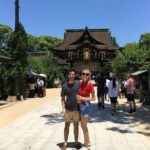
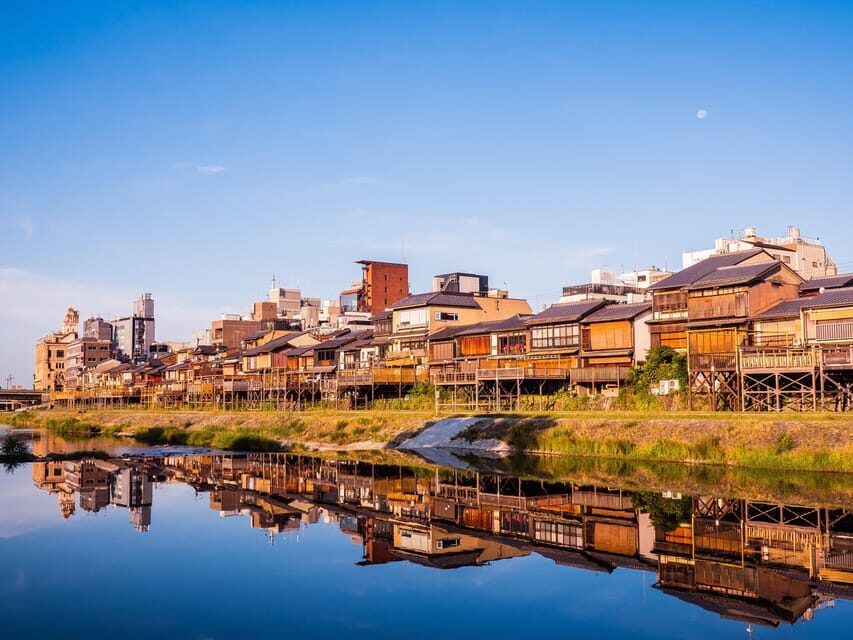
Starting in Gion makes sense because it’s recognizable and cinematic, even if you only know a few Kyoto basics. You ride there for about 20 minutes, and that opening stretch is designed to get you oriented quickly: where neighborhoods sit, how streets flow, and how to spot the transition from lively lanes to quieter temple areas.
What I like about this early pacing is psychological. When you start with a famous district, it’s easier to settle into the day and feel like you’re already “in Kyoto.” Then, once you roll away from the photogenic streets, the calm that follows feels earned rather than abrupt.
Your guide also sets the tone with stories along the way. In past departures, guides such as Miya have been praised for thoughtful history and for taking helpful photos at key moments, so you’re not stuck trying to pose and navigate at the same time. The goal isn’t just seeing places—it’s understanding what they represent and where you are in the city.
If you’re traveling with kids, this first segment can be a nice confidence builder too, because you’re in motion and not stuck in a long line or a long lecture.
Nanzenji Temple: the stop where the mood usually changes
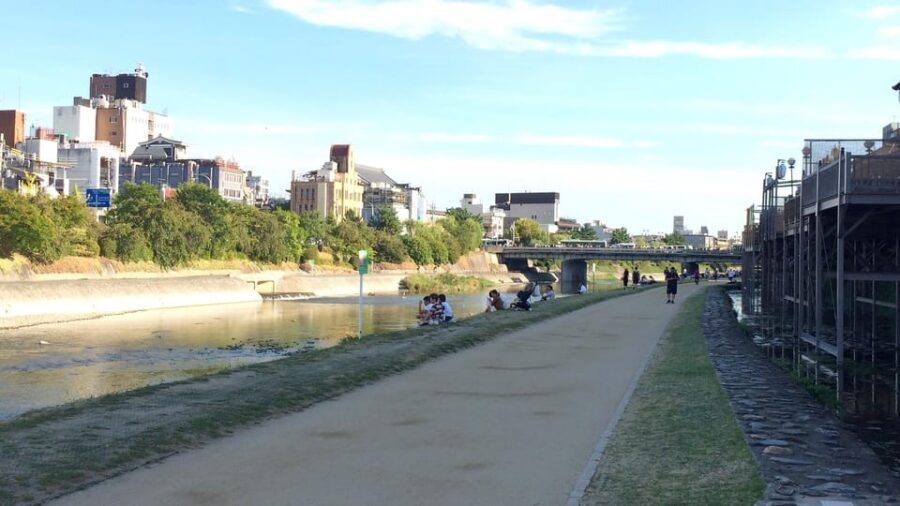
Nanzenji Temple gets a larger chunk of time than you might expect for a half-day cycling tour, which is a good sign. You bike in for about 45 minutes, then later return for a guided visit plus a short bike segment around 15 minutes.
Why that split matters: Nanzenji isn’t just one photo spot. It’s a temple complex experience, and having guided time helps you notice the elements that make it feel different from other temples in Kyoto. Instead of rushing through, you get a chance to slow down and actually take in the atmosphere.
The tour includes the entrance fee at Nanzenji, which is a real cost saver compared with piecing together tickets on your own. Your helmet and insurance are included as well, which keeps the day from feeling like a DIY risk.
One more thing: you’ll likely start noticing how the ride changes the way you experience the grounds. Walking can make you feel locked into your route, but cycling gets you to the right areas and then lets the guided stop do what it should—teach you what to pay attention to while you’re standing still.
Drawback to consider: since it’s a guided tour, you’re not choosing your own pace at each temple. If you’re the type who wants to linger for 45 minutes in one spot, you might feel the schedule’s limits here.
The Philosopher’s Path by bike: scenic calm without the knee burn
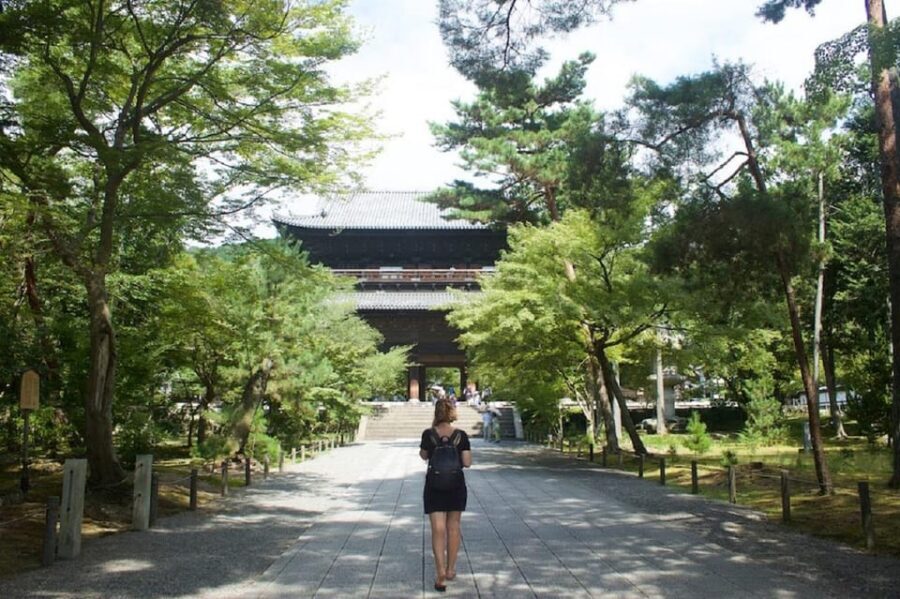
The Philosopher’s Path is famous for a reason: it’s a canal-side walking route with a peaceful vibe. On a normal day, it’s also the kind of place where your legs can start complaining if you try to “do everything” nearby.
This tour uses the bike to your advantage. You cycle through the area in segments (about 30 minutes at one point), and then you continue the flow rather than turning the day into a nonstop sidewalk slog. That’s a smart way to get the look and feel of the path while keeping the overall time manageable.
I also like the pacing logic here. By the time you reach this part of the day, you’ve already visited a major temple area, so you’re not meeting Kyoto’s spiritual side for the first time. The scenery along the canal becomes a breather, and you can enjoy it with less stress than if you’d walked it after a busy morning.
If you’re traveling in colder or warmer months, this segment can be a temperature reality check. The ride is mostly gentle, but you still get exposed to the weather. Dress for the breeze and consider bringing a light layer, especially if you’re sensitive to cool air in early morning or late afternoon.

Ginkakuji and the shrine pair-up: two different kinds of “stillness”
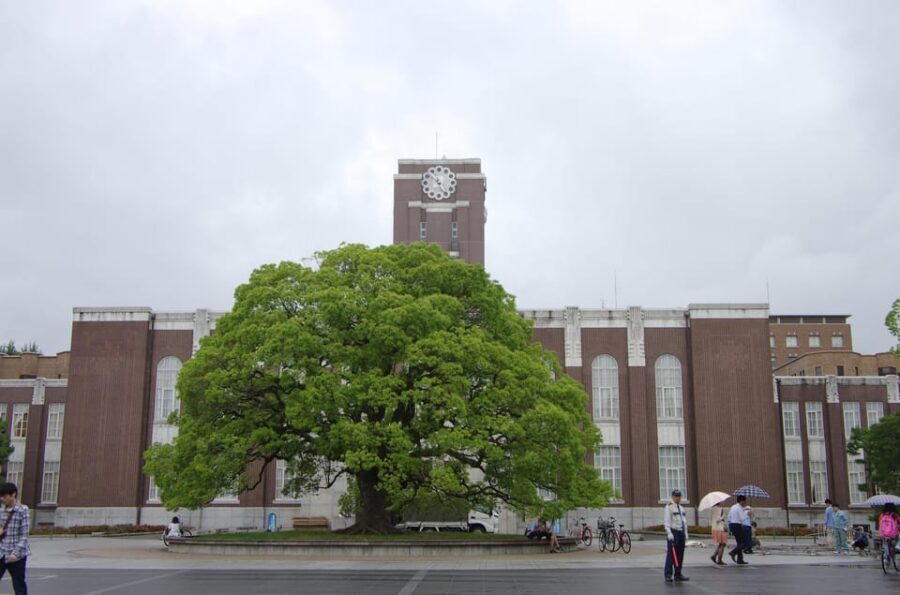
After the Philosopher’s Path, the tour heads toward Ginkakujicho for a short bike segment (about 20 minutes), leading into Ginkakuji (the Silver Pavilion). This is the point where many people expect the big payoff, and the tour has it built in as a major stop, not an afterthought.
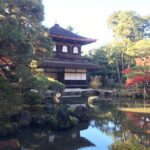
Ginkakuji is a temple setting where gardens and details matter. Having a guided portion means you’re less likely to miss the subtle things that make it worth your time beyond just a couple of quick photos.
Then the route moves on to Shimogamo-jinja Shrine, one of Kyoto’s older Shinto shrines, within wooded grounds. You’ll spend about 30 minutes on bike there, then get a visit and guided tour, plus another bike segment around the area.
This “temple then shrine” sequence is valuable because it shows Kyoto isn’t one uniform type of sacred site. Buddhist temple areas and Shinto shrines can feel very different in tone and layout, even when they’re both centered on reverence and ritual. Cycling between them keeps your day moving while the stops do the work of changing your mental gear.
If you’re the kind of traveler who wants a spiritual tour that still has variety, this pairing is one of the strongest aspects of the route.
Kyoto Imperial Palace at the end: a calm finish with big-open space
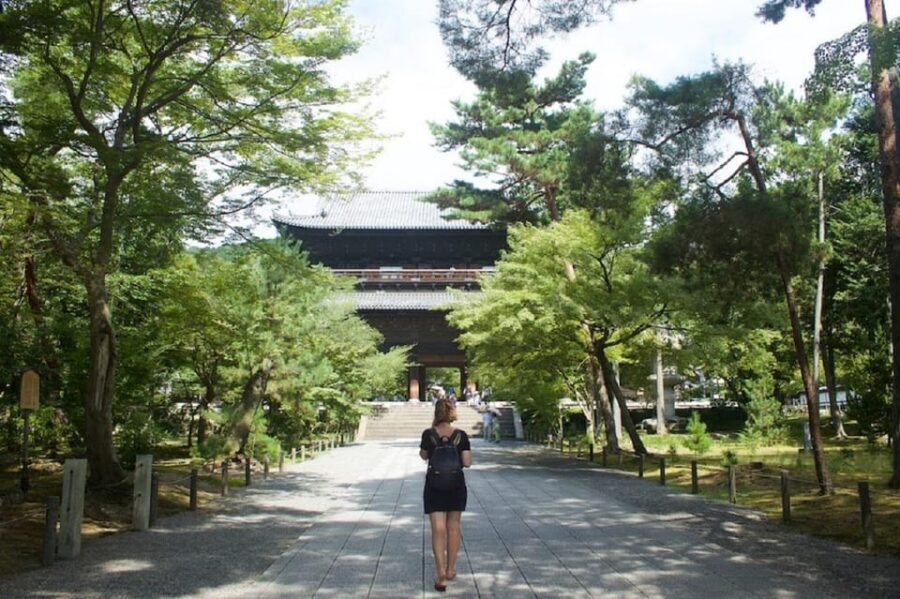
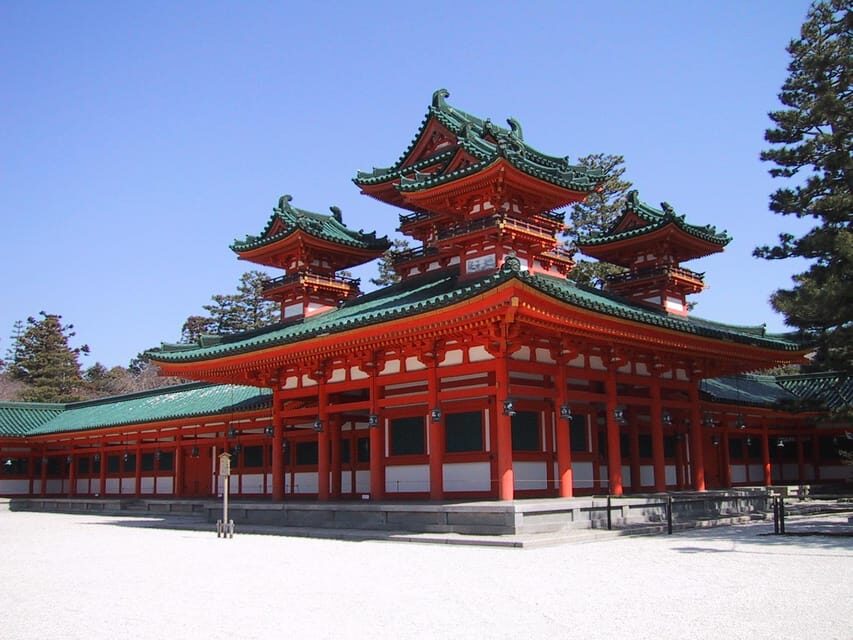
Your final major stop is the Kyoto Imperial Palace, and you ride toward it for about 30 minutes. Finishing here works well because the Imperial Palace grounds tend to give you that wide-open feeling you don’t get inside smaller temple lanes.
This is also a great time to breathe. By the end of a half day, you’ve already done several guided stops, and your brain is probably full. A palace setting can feel like a natural wrap-up: less “arrive and marvel at one tiny detail,” more “take in the space and history scale.”
In past experiences, guides like Kats have been praised for not rushing people along at temples and shrines, which is exactly what you want in the closing stretch. It’s the difference between snapping photos and actually absorbing where you are.
Then you cycle back to your pickup point at Gojo Station, returning you to a convenient subway area to continue your day.
What $79 really buys you in a 4-hour half-day
At $79 per person for about four hours, this tour sits in a mid-range category for Kyoto. The key is what’s included and what you don’t have to think about.
You get:
- English-speaking tour guide
- Bicycle rental (standard non-electric B-type with 3 gear shifts)
- Helmet
- Entrance fee at Nanzenji Temple
- Insurance
Those inclusions matter because Kyoto days add up fast. Tickets at major sites, the time cost of figuring out routes, and the hassle of renting a bike or getting bicycle directions can eat into your budget and energy. Here, the entrance fee and core gear are already covered, which makes the price easier to justify.
Is it the cheapest way to see Kyoto? No. But it’s a high-value way to see multiple landmarks without turning your half day into logistics.
If you’re deciding between walking plus transit versus biking with guidance, this is the stronger option when you want both efficiency and context. If you only want one or two places and you’d rather wander on your own, you might be better off skipping a guided format.
Safety, comfort, and who should plan something else
This tour is practical, but it’s still a bike tour. It’s not suitable for people who can’t ride a bike, and it’s also not recommended for those with mobility impairments, heart problems, respiratory issues, or pregnancy.
Even for fit riders, consider your comfort with sustained cycling. The route is described as mostly flat with gentle slopes, but you’ll still be on the saddle. If you’re recovering from an injury or dealing with limited stamina, the schedule could feel tight.
Comfort tips that are worth your attention:
- Wear comfortable shoes (not just for walking stops, but for the whole day)
- Bring a camera you can access quickly
- Have cash available (the tour doesn’t list cash as required, but it’s a listed suggestion)
- Plan meals/drinks outside the tour since they’re not included
One more practical thought: since the bike is non-electric, gear shifts and your own pedaling effort matter. Three shifts are usually enough for gentle changes, but you’ll want to use them early rather than late.
Who this Kyoto bike tour fits best
This is a strong match if you:
- Want a first-day orientation to Kyoto without spending hours planning
- Like the idea of hitting major sites like Gion, Nanzenji, Ginkakuji, and Shimogamo in one loop
- Prefer a guided structure that helps you see more than just a collection of photos
- Travel with kids who enjoy motion and short guided stops (there’s been praise for families making this work)
It’s also a smart choice when you want to feel confident navigating Kyoto afterward. Once you’ve ridden key connections and seen how the landmarks relate, your future self can make better decisions about where to go next.
Should you book it?
I’d book this tour if you want a well-paced half day that turns Kyoto highlights into an easy, guided circuit. The small group limit and the fact that Nanzenji’s entrance fee is included make the value feel more “real” than tours that nickel-and-dime you.
Skip it if you’re chasing long, unstructured time in one place, or if biking for four hours isn’t comfortable for you. It’s meant to be relaxing in effort, not slow in schedule.
FAQ
How long is the Kyoto biking experience?
It runs for about 4 hours.
Where do I meet the guide?
Meet at Subway Gojo Station exit 2. Look for a guide wearing a TripGuru shirt or holding a TripGuru sign.
What bike do I ride?
You’ll use a bicycle rental: a standard non-electric B-type bike with 3 gear shifts.
Is there an English-speaking guide?
Yes, the tour includes an English-speaking live guide.
Are helmets provided?
Yes, a helmet is included.
What entrance fees are included?
The entrance fee at Nanzenji Temple is included.
How big is the group?
It’s a small group limited to 9 participants.
What should I bring?
Bring comfortable shoes, a camera, and cash.
Is the tour refundable if I change my plans?
You can cancel up to 24 hours in advance for a full refund.
Who should not take this tour?
It’s not suitable for pregnant women, people with mobility impairments, people with heart problems, people who can’t ride a bike, or people with respiratory issues.
![[NEW]JPN CULTURE - Buy@Toyosu Market SUSHI Making +TEA +Maid Cafe - Optional Akihabara Maid Café: A Fun Add-On, Not a Requirement](https://images.thejapantraveler.com/wp-content/uploads/newjpn-culture-buytoyosu-market-sushi-making-tea-maid-cafe.jpg)