REVIEW · YAMANASHI PREFECTURE
Samurai Nature Retreat
Book on Viator →Operated by wago (Yusuke∞Yoshino) · Bookable on Viator
A sword lesson in silence can change you. This 4-hour samurai nature retreat pairs Japanese swordsmanship with meditation, plus something unusual: sound healing using the idea that people and objects emit vibrations. I like that Yusuke (a champion of sword skill tournaments) teaches you with clear English and real attention to your body-mind connection. I also love the mix of craft and performance: you’re not only practicing basics, you’re getting a sword “beginnings” piece and an on-the-spot music segment with flute and sword dance. One thing to consider: you’ll be on natural terrain with some steep spots, so if you have trouble with sudden slopes, you might find part of the route harder even though most activities are still possible.
The setting is the big draw. You’ll be in Yamanashi’s nature, and the program leans spiritual in a very Japanese way, referencing the eight million gods and the idea of purifying with nature’s rhythms. It feels less like a show you watch and more like a mini reset you do.
Small group matters here. It caps at 10 travelers, and the pace is structured but not rushed, so you actually get hands-on time with the unsharpened katana.
In This Review
- Quick Hits You’ll Care About
- Where This Samurai Retreat Takes Place (and Why Yamanashi Works)
- Meet Yusuke and Yoshino: Sword Skills and Stage Power
- The Samurai Wardrobe Moment: Kimono and Hakama
- Clean Water, Clean Mind: The River Cleansing
- Sound Meditation and the Role of Vibrations
- Standing Zen in Nature: Slow, Simple, and Surprisingly Hard
- Swordsmanship Practice with an Unsharpened Katana
- The Sword Performance Sections: Beginnings and Samurai Art
- Photo Shoot: Get the Finished Look
- Price and Value: Is $84.70 Worth It?
- Timing and Logistics That Actually Matter
- Accessibility and Footing: A Real Thing to Plan For
- Who Should Book This Samurai Nature Retreat?
- Should You Book Samurai Nature Retreat?
- FAQ
- How long is the Samurai Nature Retreat?
- What time does it start?
- Where is the meeting point?
- Is the retreat in the outdoors, indoors, or both?
- What’s included in the program?
- Do I use a real sharp sword?
- How big is the group?
- Is it easy to follow if I don’t speak Japanese?
- Is it suitable for beginners?
- What’s the cancellation policy?
- Should You Book Samurai Nature Retreat?
Quick Hits You’ll Care About

- A 4-hour program with a full sequence: dressing, river cleanse, Zen, practice, and performance
- Yusuke and Yoshino lead it, with Yusuke bringing champion-level sword technique and Yoshino adding dance and singing
- Sound healing theme: meditation built around “healing sounds,” plus flute and improvised music
- Katana basics, no sharp blade: you practice with an unsharpened sword to learn posture and movement safely
- Small group (max 10), which helps teaching and keeps the experience personal
Where This Samurai Retreat Takes Place (and Why Yamanashi Works)
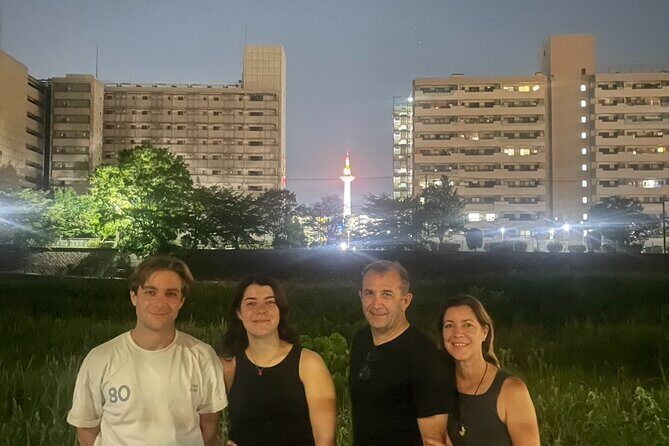
This takes place in Yamanashi Prefecture, near Mount Fuji, at a location identified by the meeting address: 1025 Arata, Uenohara, Yamanashi 409-0113. The start time is 1:00 pm, and it ends back at the same meeting point.
Yamanashi is a smart choice for this kind of workshop. It’s not a city cram session. The whole program is designed around nature’s tempo—standing still, breathing, listening, and then moving with intention. If you’re used to fast sightseeing, this feels like the opposite. In a good way.
And yes, they plan for weather. The experience is held indoors on rainy days and during midsummer conditions. That’s useful because you don’t want a “nature retreat” that gets canceled the second the forecast changes.
You can also read our reviews of more tours and experiences in Yamanashi Prefecture.
Meet Yusuke and Yoshino: Sword Skills and Stage Power
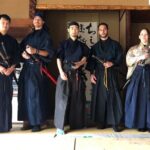
The hosts are Yusuke and Yoshino, and the pairing is one of the reasons this feels authentic rather than generic.
- Yusuke is the sword art teacher and performer, and he’s a champion of a Japanese sword skill tournament. That matters because you’re not just being entertained. You’re being coached by someone who’s built for precision under pressure.
- Yoshino is a dancing and singing artist. You’ll see that art show up at the right moments, especially when the program shifts from internal practice to a performance piece.
One more practical win: based on past participants’ feedback you can count on, the instruction is delivered in clear English. So you won’t be stuck guessing what you’re supposed to do with your stance, breathing, or timing.
The Samurai Wardrobe Moment: Kimono and Hakama
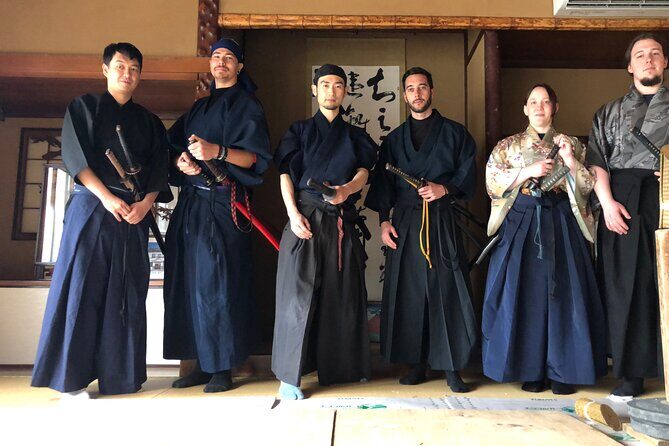
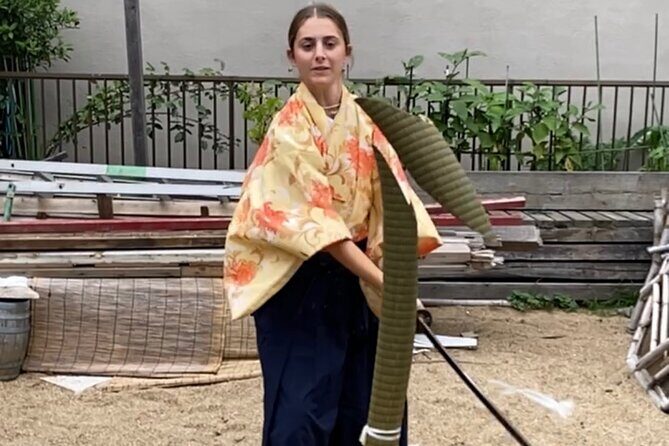
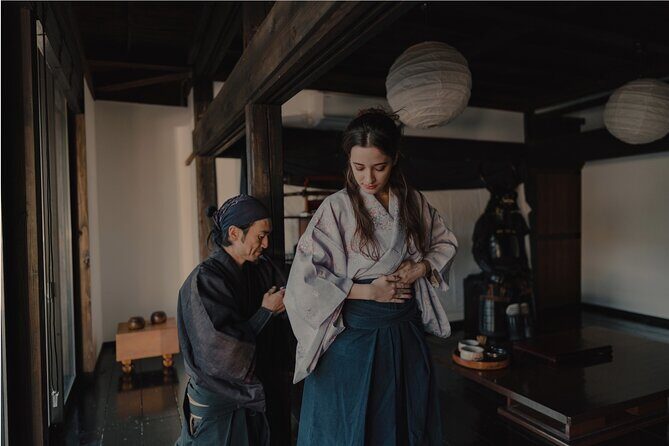
You don’t just show up in normal clothes. You’ll change into samurai-style kimono and hakama as part of the program.
This is more than costume theater. Tight clothing rules your movement, and that forces you to pay attention. You naturally start thinking about posture, balance, and how your body aligns from center. That’s exactly what the retreat is trying to get you to feel.
If you’re worried about getting dressed, don’t. The program includes the changing step, so you’re not on your own. Still, wear clothing that’s easy to remove and re-wear afterward. Bring socks you’re comfortable walking in, and if you have long hair, plan to secure it so it doesn’t get in the way during movement and photo time.
Clean Water, Clean Mind: The River Cleansing
A key early stop is cleansing your body and mind with clean water from the river.
I like this section because it sets a tone. Before you touch a sword, you slow down and do something simple and physical—water on your body, then a mental shift toward calm. It’s also a cultural moment that isn’t just “look at the scenery.” It’s a ritual step tied to the overall theme of purification.
The nature setting matters here, even if the day later moves indoors for weather. You get the idea: this isn’t a detached activity. It’s a sequence built to move you from ordinary travel-mode into practice-mode.
Sound Meditation and the Role of Vibrations
Then comes the part that makes this retreat stand out from other sword experiences: the program leans hard into sound.
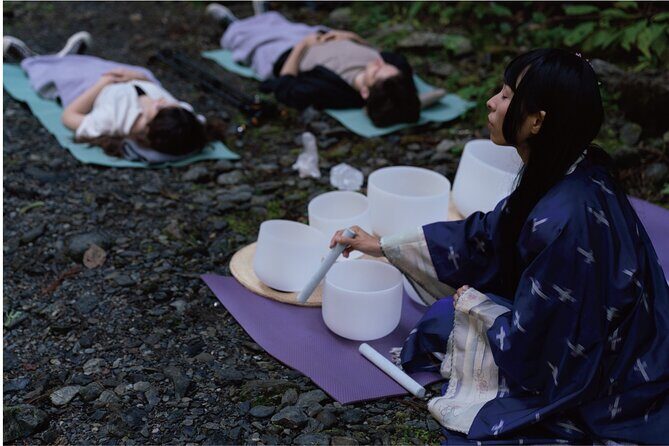
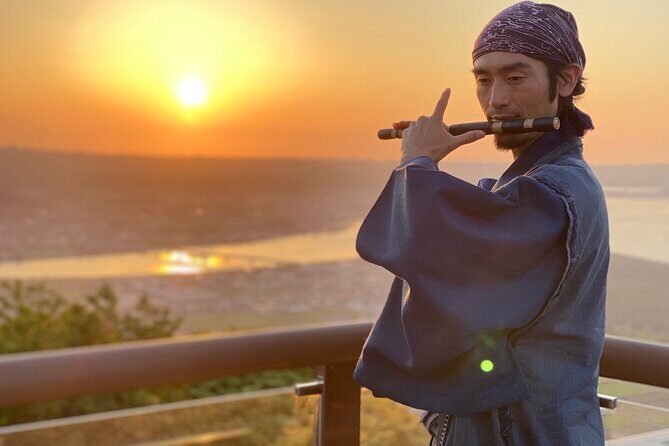
They explain the concept that humans and objects emit vibrations and sounds. The healing sounds are used to purify, and flute sounds are said to energize. During the session, you’ll do sound meditation meant to purify your mind, followed by standing Zen meditation in nature.
Here’s the practical benefit for you: sound meditation gives you something to focus on that isn’t only your breathing. If you’ve ever tried meditating and your mind refused to cooperate, this is a smart alternative. Sound anchors attention.
Also, it’s not just silent instruction. The program mentions flute and improvised music played on the spot for you. That means you’re not watching a pre-recorded track. You’re listening to a live moment designed around the retreat’s flow.
Standing Zen in Nature: Slow, Simple, and Surprisingly Hard
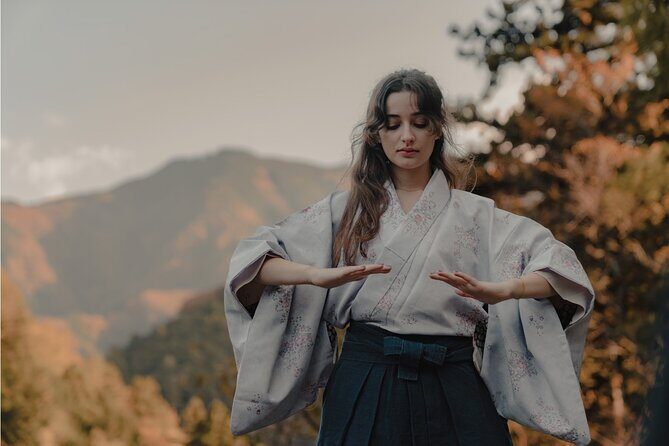
Standing Zen meditation happens in the nature setting. You’ll be asked to slow down, stand, and find steadiness.
This is one of those segments that looks easy and then quietly proves you wrong. Standing still uses different muscles than moving, and it challenges balance and patience. But that’s the point. You’re training your “center axis” the same way you train movement with a sword later.
If you’re the type who likes clear goals, treat this like a body check:
- Can you relax your shoulders?
- Can you stay steady without clenching?
- Can you keep breathing evenly?
Don’t aim for perfection. Aim for awareness.
Swordsmanship Practice with an Unsharpened Katana
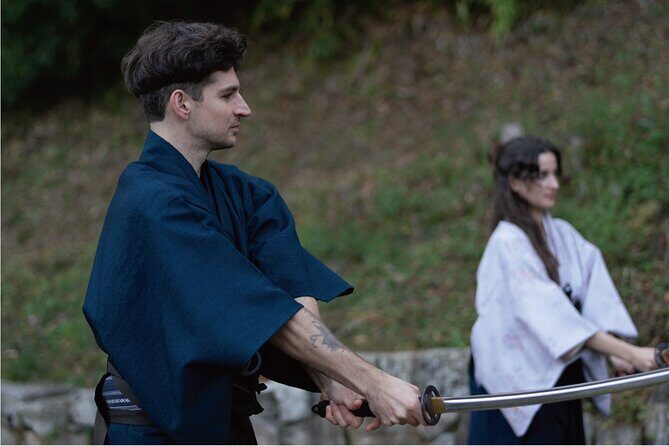
Now you practice swordsmanship. You’ll learn how to handle a Japanese sword, using an unsharpened katana (not a real cutting sword) and basic movement.
This is a big safety and comfort choice. It lets you focus on fundamentals—stance, distance, timing, posture—without the worry that your blade needs special handling for sharpness. In a retreat like this, fundamentals are where the transformation happens.
You’ll practice motions designed to help realign your body-mind and find your central axis. That’s a fancy way of saying: you’ll feel where your balance actually lives, and you’ll start moving from a more stable base instead of from random effort.
If you’re new to sword training, you’ll likely be grateful for the “basic movement” framing. This isn’t about performing advanced techniques on day one. It’s about learning a clean start: how to stand, how to move, and how to coordinate breathing with motion.
The Sword Performance Sections: Beginnings and Samurai Art
Before and after practice, there are performance moments.
First, Yusuke performs the sword of beginnings. This piece works like a ritual opening to the training. It also shows you what they mean by sword art reaching the soul and igniting the heart—language they use, but you’ll feel the structure behind it: controlled movement, focus, and intention.
Later, there’s a performance of samurai art, plus you’ll get photo time.
These performance sections aren’t filler. They’re the bridge between technique and meaning. You see the sword as more than choreography. You see it as discipline, breath, and presence.
And remember the sound theme here: improvised music and flute elements are part of the overall arc. The show isn’t just visual. It’s built around rhythm and listening.
Photo Shoot: Get the Finished Look
At the end, you get a photo shoot.
This is where the kimono and hakama transformation pays off visually. It’s also a good moment to slow down and take in what you just did. After moving and meditating, photos help you lock the memory in place.
Practical tip: if you wear glasses or contact lenses, decide what you’ll use before dressing so you’re not adjusting during the shoot.
Price and Value: Is $84.70 Worth It?
At $84.70 per person for about 4 hours, the price isn’t cheap in the “budget activity” sense. But it can be good value when you look at what you’re paying for.
You’re paying for:
- A small group cap at 10 travelers, which helps the teaching feel personal
- Instruction by Yusuke, a sword-skill champion
- A structured sequence that includes ritual elements (river cleansing), meditation, and both performance segments
- Sound healing and live music elements tied to the retreat’s spiritual concept
- A wardrobe change and a photo shoot
If you normally spend money on either a sword demo or a generic cultural show, this is different. You’re not only watching. You’re practicing basic sword movement and doing meditation and ritual steps that shape how you experience the lesson.
One caution on value: this is not a private, customizable session. It’s a group retreat with a set flow. If you want total flexibility, you might prefer something more open-ended. If you want a guided arc from calm to practice to performance, this fits well.
Timing and Logistics That Actually Matter
The session starts at 1:00 pm and runs about 4 hours. That timing is convenient because you can sleep in, eat a relaxed lunch, and still get something meaningful without burning the whole day.
It’s near public transportation, which helps if you’re mixing it with other sightseeing. Also, they issue a mobile ticket, so you’re not juggling paper confirmations.
And about clothing and movement: the experience includes changing into traditional garments and moving with a sword. Plan to wear something easy to remove, and expect you’ll do light-to-moderate activity as part of the practice.
Accessibility and Footing: A Real Thing to Plan For
The information notes that if you have issues with legs/feet, some parts may be hard due to sudden slopes. Most of the experience is still available, but you should be honest with yourself.
If stairs and uneven ground are tough for you, consider contacting the provider before you book so you can understand which segments might be challenging. This retreat is nature-based, so even with “indoor on rainy days,” the general geography still matters.
Who Should Book This Samurai Nature Retreat?
Book it if you want more than a sword photo. This is for you if you’re curious about the link between breath, posture, sound, and movement.
It’s a great fit for:
- People who like hands-on learning with a clear instructor
- Travelers who want a quieter day away from crowded attractions
- Anyone interested in meditation that uses sound as a focus
- Those who enjoy cultural performance as part of a learning experience
It might not be the best fit if you want only sightseeing or you prefer fully indoor activities with minimal walking.
Should You Book Samurai Nature Retreat?
I think you should book if you like the idea of training your body and mind in sequence, not just taking a class. The combination of Yusuke’s sword coaching, Yoshino’s performance art, and the sound healing theme gives you a day that feels intentional.
The decision mostly comes down to one question: do you want a calm, structured 4 hours where you practice fundamentals and listen closely, in a nature setting? If yes, this is a strong choice for your Japan trip. If you’re chasing a high-volume, check-everything sightseeing day, you may feel the slower pace isn’t for you.
If you do book, wear comfortable layers, bring easy-change basics, and give yourself permission to slow down. This retreat works best when you participate fully.
FAQ
How long is the Samurai Nature Retreat?
It runs for about 4 hours.
What time does it start?
The start time is 1:00 pm.
Where is the meeting point?
The start and meeting point is 1025 Arata, Uenohara, Yamanashi 409-0113, Japan.
Is the retreat in the outdoors, indoors, or both?
It’s planned in a nature setting, but it can be held indoors on rainy days and during midsummer days.
What’s included in the program?
The program includes an introduction, changing into kimono and hakama, river cleansing, sword performances, sound meditation, standing Zen meditation, swordsmanship practice with an unsharpened katana, and a photo shoot.
Do I use a real sharp sword?
No. You practice with an unsharpened katana (not a real sword).
How big is the group?
The maximum group size is 10 travelers.
Is it easy to follow if I don’t speak Japanese?
The experience is taught in clear English.
Is it suitable for beginners?
Most travelers can participate, and you learn basic movements rather than advanced techniques.
What’s the cancellation policy?
Free cancellation is available up to 24 hours in advance for a full refund.
Should You Book Samurai Nature Retreat?
If you want a small-group, guided day where you practice sword basics, do sound meditation, and experience Japanese performance as part of the flow, this is worth your time. If you have trouble with steep or sudden slopes, confirm how that part of the route affects you before booking.