REVIEW · YAMANASHI PREFECTURE
Mount Fuji & Lake Kawaguchi Day Trip with English-speaking Driver
Book on Viator →Operated by Green apple travel · Bookable on Viator
Fuji day trips are either wow or cloudy. This private tour packs several Mt. Fuji area highlights into one smooth day, so you spend less time guessing and more time looking. I especially like the hotel pickup/drop-off and the fact that you’re riding with an English-speaking driver/guide in a comfy, air-conditioned vehicle.
You’ll also get a smart mix of viewpoints and different styles of stops, from mountain scenery at the 5th Station (weather dependent) to calmer breaks like Oshino Hakkai and flower fields at Yamanakako Hananomiyako Park. One drawback to keep in mind: you can’t control visibility. If clouds roll in, you may end up with less than perfect views, and there’s at least one case where the Mt. Fuji 5th Station didn’t work due to conditions.
In This Review
- Key points before you go
- Private Pickup Matters: How This Day Stays Worth It
- Mt. Fuji 5th Station: The Main Event, With One Big Caveat
- Fuji Lakes Viewpoints: Lake Yamanaka, Chureito Pagoda, and a Photo Route
- Iyashi No Sato Nenba: A Traditional Village Stop That Needs a Pay Attention
- Oshino Hakkai: The Best “Worth It Even If Fuji Hides” Stop
- Yamanakako Hananomiyako Park: Flowers, Color, and a Seasonal Reality Check
- Lake Kawaguchi Area Timing: How the Stops Fit Together
- Gotemba Premium Outlets: Shopping as a Built-In Reset
- English-Speaking Driver: Help Without Taking Over
- Price and Value: When $429 Works (and When It Doesn’t)
- Who This Tour Fits Best (And Who Might Feel Frustrated)
- Should You Book This Mt. Fuji & Lake Kawaguchi Day Trip?
- FAQ
- How long is the Mount Fuji and Lake Kawaguchi day trip?
- Does the tour include hotel pickup and drop-off in Tokyo?
- Is Mt. Fuji 5th Station admission included?
- Are there admission fees for the other attractions?
- Is lunch included?
- Is there an optional shopping stop?
- Can I cancel for free?
Key points before you go
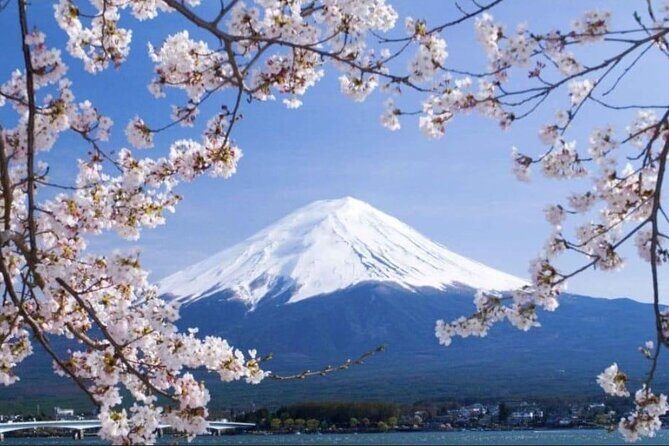
- Private, hotel-to-hotel convenience: pickup and drop-off keep your day from turning into a transit puzzle.
- A tight cluster of Fuji Five Lakes area stops: you hit multiple places that are usually spread out.
- English-speaking driver/guide: helpful for timing, questions, and keeping the day on track.
- Mostly fee-free photo stops: several highlights are listed as free, with a few paid attractions.
- Weather is the wildcard: visibility for Mt. Fuji can change fast, even within the same season.
Private Pickup Matters: How This Day Stays Worth It
A Mount Fuji day trip can be a real time thief if you rely on public transport. This one is designed to reduce that stress. You start and end in Tokyo, and you’re picked up and dropped back off so you don’t need to spend half the day on trains, buses, and transfers.
The trip runs about 10 hours, and you ride in an air-conditioned vehicle with bottled water. That sounds basic, but in practice it matters. Fuji area traffic can slow you down, and a comfortable car keeps you functional when you’re doing multiple stops back-to-back.
This tour is also private, meaning it’s just your group. The price you’ll see is listed per group (up to 2), but the operator notes that it’s often better value if you bring a larger party (they specifically mention six, nine, or 13 people). If you’re traveling as a small group of friends or family, that’s the sweet spot: you get privacy without paying a premium that feels too high per person.
One more thing I like for first-timers: you get free time to explore independently. You’re not trapped in a nonstop script, so if you want an extra few minutes for photos, a snack break, or a slower walk, you’re not stuck asking for permission every time.
You can also read our reviews of more tours and experiences in Yamanashi Prefecture.
Mt. Fuji 5th Station: The Main Event, With One Big Caveat
The Mt. Fuji 5th Station is at about 2,300 meters. That altitude is part of the appeal even if you’re not planning to hike. From there, you get wide-ranging views toward the Fuji Five Lakes area, and it’s one of the most recognizable “I’m really here” moments.
Your time at the 5th Station is listed as about 1 hour 30 minutes, and that’s a realistic window. You can take in the views, walk around, and use the time for photos without feeling rushed.
Here’s the reality check: the listing includes the 5th Station experience, but visibility depends heavily on weather. One of the feedback examples in the record describes a day where weather meant the group couldn’t go to the station and also couldn’t see Mt. Fuji due to cloud cover. You should assume that risk is real, not rare.
Budget-wise, the important detail is that the Fuji 5th Station entrance fees are not included. It’s listed as ¥2,800 per booking (per group). So while the driver and vehicle are included, you’ll still want to carry enough cash (or be ready to pay as instructed on the day).
My practical advice: dress like it might be chilly and windy. Even in warmer months, the 5th Station can feel cool compared with Tokyo.
Fuji Lakes Viewpoints: Lake Yamanaka, Chureito Pagoda, and a Photo Route
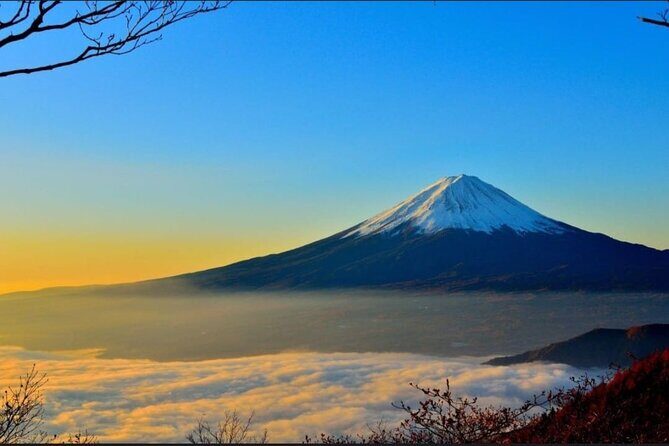
After the mountain moment, the tour shifts into scenic variety. You’ll visit Lake Yamanaka first. It’s the largest lake of the Fuji Five Lakes, and your stop time is about 45 minutes. This is where you often get that classic combination of water + Fuji silhouette, especially when visibility is good.
Lake Yamanaka is also a nice change of pace. It’s listed with free admission, and the stop is short enough to still keep your day moving. If you want a relaxed break from “look at the big mountain,” this one does that.
Then you’ll head to the Chureito Pagoda. This is part of Arakura Sengen Shrine and is famous for the view: the pagoda in the foreground with Mt. Fuji in the distance. Your time here is about 45 minutes, and admission is listed as free.
The tricky part with Chureito Pagoda is how people experience it. When the clouds cooperate, it’s a “wow” frame. When they don’t, it can feel like a nice pagoda stop without the main backdrop you hoped for. Still, even on a less-perfect visibility day, the architecture and the shrine setting are worth a careful walk, because you’ll likely see the different sightlines as you move.
If you’re aiming for photos, I’d treat this as your second-chance stop. Fuji weather can change within the same hour.
Iyashi No Sato Nenba: A Traditional Village Stop That Needs a Pay Attention
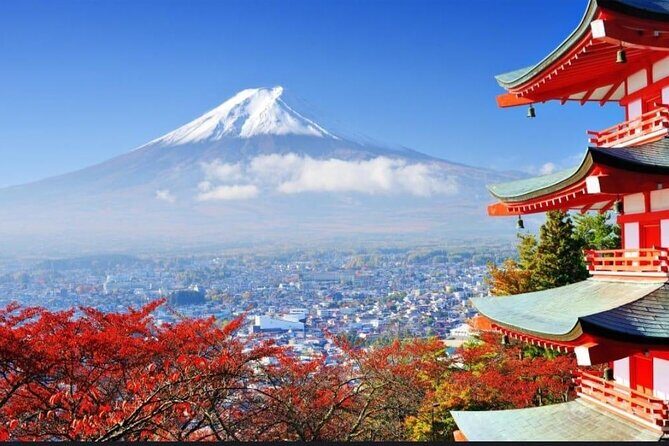
One of the stops that adds a different texture to the day is Saiko Iyashi no Sato Nenba, listed as about 45 minutes. The name is often translated as Healing Village, and the stop is a traditional Japanese village reconstruction near Lake Saiko.
This is listed as not included in admission, with a fee of ¥500 per person. That doesn’t make it “not worth it.” It just means you should mentally budget for it if you’re the type who likes cultural stops, not just viewpoints.
In a Fuji day trip, this kind of stop helps balance the high-altitude and scenic parts. You get a slower, human-scale experience that can feel more meaningful than another photo platform. The only drawback is simple: because it’s a ticketed stop and not the main headline, you’ll want to decide ahead of time if you care about village-style reconstructions.
If you do, wear comfortable shoes. A lot of these village layouts mean more walking on uneven ground than you might expect.
Oshino Hakkai: The Best “Worth It Even If Fuji Hides” Stop
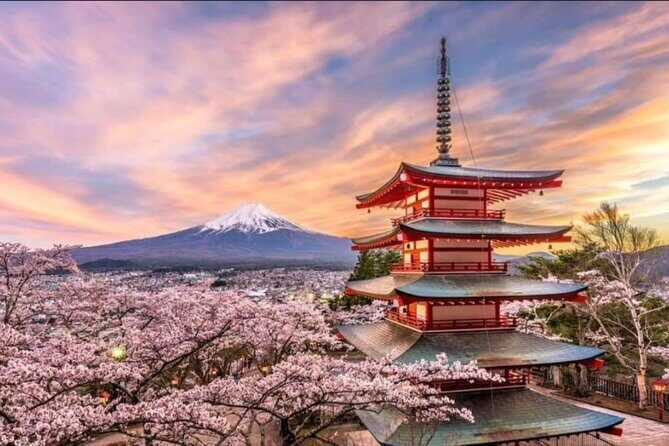
For many people, Oshino Hakkai is the calm payoff. It’s a village in the Fuji Five Lakes region located between Lake Kawaguchiko and Lake Yamanakako. The story is also part of the draw: the village was once the site of a sixth lake that dried up centuries ago.
Your stop time is about 45 minutes, and admission is listed as free. This is a big deal for value. If you’re trying to stretch your day so not every minute costs money, Oshino Hakkai is one of the best anchors.
Even if Mt. Fuji isn’t clearly visible, this stop has its own texture. You’re not waiting for one specific sightline to make the visit worth it. Instead, you’re walking through a preserved village area tied to the region’s water and springs history. It’s the kind of place where you can slow down without feeling like you’re wasting time.
My tip: use Oshino Hakkai as your mental recharge stop. After the 5th Station and the pagoda viewpoint, this is where you can breathe and re-focus for the final scenic round.
Yamanakako Hananomiyako Park: Flowers, Color, and a Seasonal Reality Check
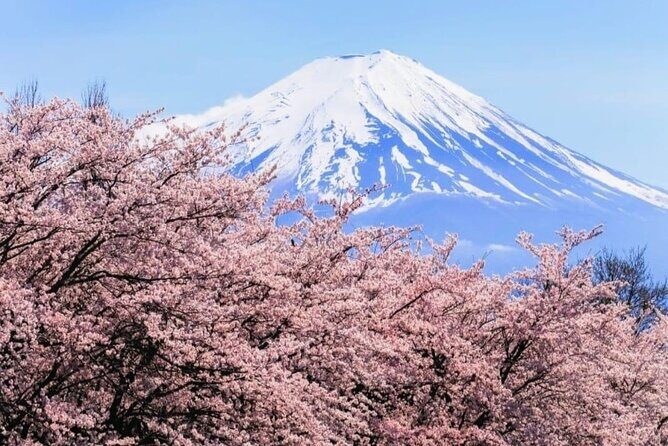
The last “nature sightseeing” stop is Yamanakako Hananomiyako Park, with about 30 minutes on the schedule. Admission is listed as not included, at ¥350 per person.
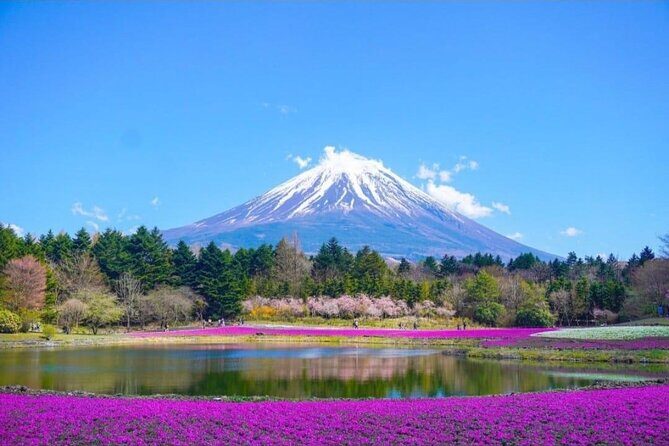
This park is known for flower fields beneath Mount Fuji. The seasonal colors are the point: tulips, poppies, and other blooms (the exact look depends on timing). The value here is that you get a different kind of Fuji framing than pagoda shots and lake reflections.
The catch is the same as the rest of the day: you need decent visibility to get the full effect. If clouds hide the mountain, you’re still paying attention to a flower park, but it won’t have that signature Fuji-under-flower impact.
Still, as a late-day stop, it can be a great way to end on something gentle rather than another viewpoint scramble. If you like photos with color or you’re traveling with someone who prefers gardens over religious sites, this one is a good fit.
Lake Kawaguchi Area Timing: How the Stops Fit Together
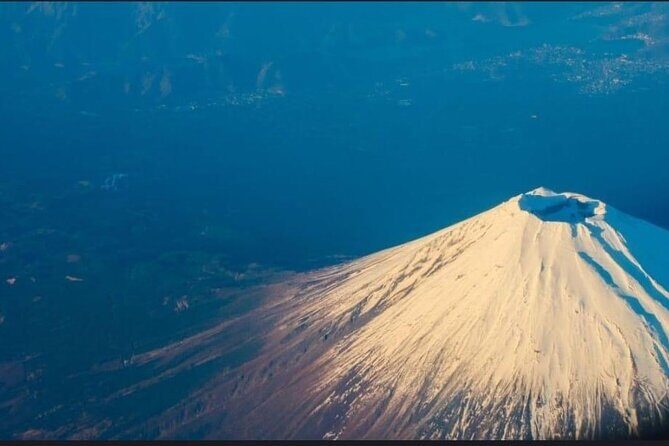
Even though the day includes several separate “mini-worlds,” the way the route is arranged helps. You start with the high-altitude anchor (5th Station), move into classic view spots (Lake Yamanaka and Chureito Pagoda), then add a traditional village style stop (Iyashi no Sato Nenba), and finish with Oshino Hakkai plus a seasonal flower park.
That sequencing matters. It keeps you from oscillating between identical experiences. It also helps you avoid the common problem of spending all your time in one place and then realizing the best light or best weather window came and went.
The other advantage is pacing. Your stop times are mostly 45 minutes, with only a couple shorter blocks. That length gives you enough time to walk, take photos, and still get back into the car without feeling stuck.
Gotemba Premium Outlets: Shopping as a Built-In Reset
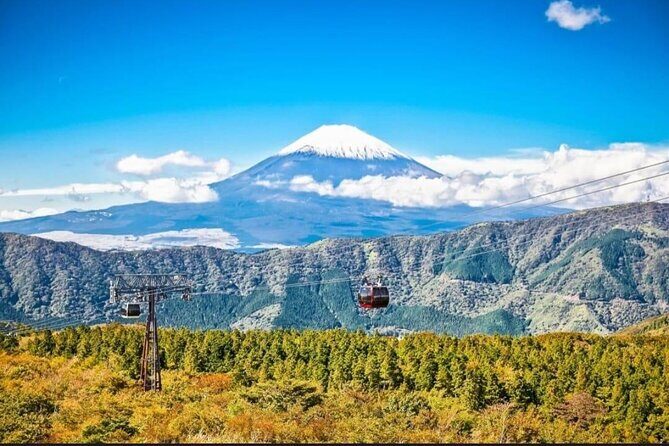
At the end of the sightseeing loop, you have Gotemba Premium Outlets for about 1 hour. The stop is listed as optional, and admission is free.
This is basically your reset button. After temples, pagodas, and scenic walking, it’s a chance to sit down, grab a drink, and shop if you want. For some people, it’s a relief. For others, it’s the part they could skip.
If you’re more into nature than retail, treat this as optional time to break up the ride back to Tokyo. You might use it to stretch your legs or buy snacks for the drive home rather than focusing on shopping.
English-Speaking Driver: Help Without Taking Over
The tour’s included driver/guide is English-speaking, and that makes a difference beyond translation. In real life, it means fewer awkward timing moments. Your driver can help you understand what you’re walking into, when you should head somewhere next, and how to manage the day when the weather shifts.
Just as important: because you also get free time to explore independently, you’re not forced to follow a nonstop commentary schedule. You can ask questions and still wander on your own rhythm.
In a private setting, that balance often feels like the best of both worlds: guided enough to stay sane, flexible enough to feel personal.
Price and Value: When $429 Works (and When It Doesn’t)
The price listed is $429 per group (up to 2), which is a private-vehicle price. For a Tokyo-to-Fuji-area day, that’s not cheap. But you’re paying for three things that add up quickly: time saved from transit, comfort from air-conditioned private transport, and a driver who handles the moving parts.
Also, the value can improve if your party size increases. The tour specifically notes better value for groups of six, nine, or 13. If you can travel with friends, it’s worth doing the math per person.
Now the “watch your add-ons” part. Several items are not included:
- Lunch (not included)
- Mt. Fuji 5th Station entrance fees: ¥2,800 per booking
- Saiko Iyashi no Sato Nenba: ¥500 per person
- Yamanakako Hananomiyako Park: ¥350 per person
- In July, August, September, hiking season includes $20 per person (this is specifically called out)
So the realistic budget isn’t just $429. It’s $429 plus the Fuji station and ticketed stops, plus food. If you’re the kind of traveler who tends to pay for attractions anyway, those added costs don’t sting as much.
If you’re trying to keep everything tight, this tour still has strong value because several stops are free, including Lake Yamanaka, Chureito Pagoda, and Oshino Hakkai.
Finally, timing matters. The tour is often booked about 40 days in advance, so if you travel during popular seasons, you’ll want to lock it in early to avoid last-minute disappointment.
Who This Tour Fits Best (And Who Might Feel Frustrated)
This is a great match if you:
- Want a one-day plan that covers multiple Fuji Five Lakes area highlights without transit stress
- Care about having an English-speaking driver/guide to keep timing smooth
- Like the mix of scenery and culture, not just one type of stop
- Are okay with paying a bit extra for private comfort and convenience
It may not be the best fit if you:
- Only care about seeing Mt. Fuji clearly from the 5th Station and consider clouds a deal-breaker
- Want a totally low-cost day with zero paid entrances
- Prefer slow travel and long stays in one place
The biggest mental adjustment is the weather reality. Even the best itinerary can’t guarantee a clear mountain. If you’re flexible and treat the day as an area experience, the tour delivers a lot.
Should You Book This Mt. Fuji & Lake Kawaguchi Day Trip?
My honest take: book it if you want efficiency and comfort and you’re excited by the full Fuji area mix—5th Station views when possible, classic pagoda angles, Oshino Hakkai’s village feel, and seasonal flowers at Yamanakako. The private transport and English support do a lot of heavy lifting for a day that can otherwise get messy.
I would think twice if your whole trip depends on one specific photo outcome. Clouds can steal the show, and there’s documented disappointment when the 5th Station doesn’t work as planned. If you can handle that risk, this tour is one of the more sensible ways to see a lot in a single day from Tokyo.
FAQ
How long is the Mount Fuji and Lake Kawaguchi day trip?
It runs for about 10 hours (approx.).
Does the tour include hotel pickup and drop-off in Tokyo?
Yes. Pickup and drop-off in Tokyo are offered.
Is Mt. Fuji 5th Station admission included?
No. The 5th Station entrance fees are listed as ¥2,800 per booking (per group).
Are there admission fees for the other attractions?
Yes for some stops. Saiko Iyashi no Sato Nenba is ¥500 per person, and Yamanakako Hananomiyako Park is ¥350 per person. Lake Yamanaka, Chureito Pagoda, and Oshino Hakkai are listed as free.
Is lunch included?
No. Lunch is not included.
Is there an optional shopping stop?
Yes. Gotemba Premium Outlets is included for about 1 hour and is marked optional.
Can I cancel for free?
Yes. Free cancellation is allowed, with a full refund if you cancel up to 24 hours in advance of the experience start time.