REVIEW · KYOTO
Kyoto: Cooking class, learning how to make authentic sushi
Book on GetYourGuide →Operated by 梅守寿司学校 · Bookable on GetYourGuide
A sushi workshop in Kyoto can feel like a shortcut into real culture. Here, you’re not just watching you’re learning shari (vinegar rice), dressing up in a happi, and then eating the sushi you make.
I really like how beginner-friendly the pace is, with ingredients already cut and a guided lecture on how sushi comes together. Another strong point is the full experience vibe: sushi making plus a Japanese-spirit moment and rental clothing.
The main drawback to consider is that the menu structure is fairly compact, so some people expecting lots of different roll styles or deeper fish-cut instruction might feel the class stays on the lighter side.
In This Review
- Key Highlights Worth Your Time
- A Sushi Class in Kyoto Where the “Whole Thing” Matters
- Shari First: The Vinegar Rice Trick That Actually Changes Everything
- A realistic expectation
- Toppings, Nigiri, and That Satisfying Moment of Assembly
- If you want to customize
- The Happi and Japanese-Spirit Part: Fun, Not Gimmick
- Vegetarian, Vegan, and Muslim-Friendly Sushi Planning
- A quick reality check
- Food Included: What You Actually Get to Eat
- Price and Value: Is $113 Worth 90 Minutes?
- Who This Kyoto Sushi Class Suits Best
- Quick Logistics Without the Headache
- Should You Book This Sushi-Making Class?
- FAQ
- FAQ
- How long is the Kyoto sushi cooking class?
- What does the class include?
- Are drinks included?
- Is there an option for udon?
- Can vegetarians, vegans, or Muslims join?
- Can I get allergy or gluten-free options?
- Will I learn fish cuts?
- How do I find the meeting point?
- Is the venue wheelchair accessible?
- Is the class canceled if the weather is bad?
Key Highlights Worth Your Time
- Vinegar rice (shari/sumeshi) technique taught from the start, not as an afterthought
- 8 pieces of sushi plus choices in toppings like green onion and ginger
- Happi rental and Japanese-spirit experience, adding real flavor beyond the food
- Vegetarian, vegan, and Muslim-friendly options available with planning ahead
- English-speaking instructor with hands-on help for beginners
- Completion certificate and souvenir photos, so you leave with something tangible
A Sushi Class in Kyoto Where the “Whole Thing” Matters
Kyoto has no shortage of food experiences. What makes this one stand out is that it treats sushi as both food and ritual. You’ll start with technique, get into character with traditional clothing, and end with the best part: eating what you made.
In a class like this, you’re usually paying for three things at once: instruction, ingredients, and the chance to practice without guessing. Here, that package is tight and organized for a 90-minute window. You’ll learn the basics of shari (also called sumeshi) and then form nigiri using toppings you can choose.
One practical note: the course is designed around a standard set of output, including 8 pieces of sushi and a simple roll. If your goal is advanced sushi engineering or lots of different formats, you may want to ask ahead whether fish-cutting practice is available beyond what’s planned.
You can also read our reviews of more cooking classes in Kyoto
Shari First: The Vinegar Rice Trick That Actually Changes Everything
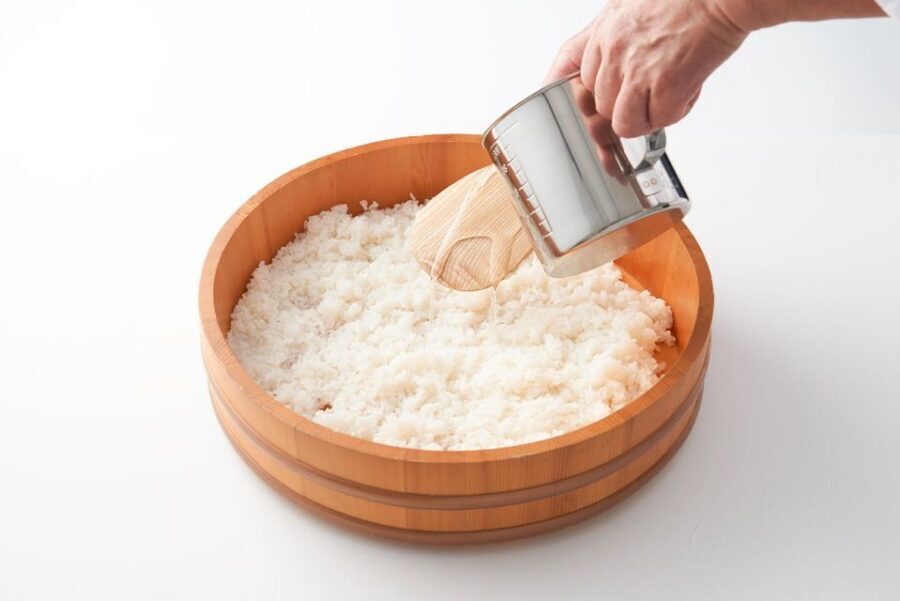
Every good sushi class lives or dies by the rice. In this one, you begin with the heart of sushi: how to make shari/sumeshi, the vinegared vinegar-seasoned rice that gives sushi its signature bite and smell.
You’re taught to mix a specially blended sushi vinegar into freshly cooked rice. The key detail you should care about is that mixing isn’t just stirring. There’s a trick to getting the texture right and distributing seasoning evenly, and that’s where classes separate from home attempts.
Why this matters for you: even if your toppings are amazing, sloppy rice ruins balance. In sushi, rice is more than a base. It’s the glue that makes nigiri hold together, gives the right mouthfeel, and keeps the whole piece from tasting flat.
Also, ingredients are prepped in advance. That means you can focus on rice technique and assembly rather than spending most of your time on knife work. If you’re a beginner, that’s a big quality-of-life win.
A realistic expectation
You’ll leave knowing how shari is made and what to watch for. You might still need practice to nail consistency at home, but you’ll understand the logic, not just the steps.
Toppings, Nigiri, and That Satisfying Moment of Assembly
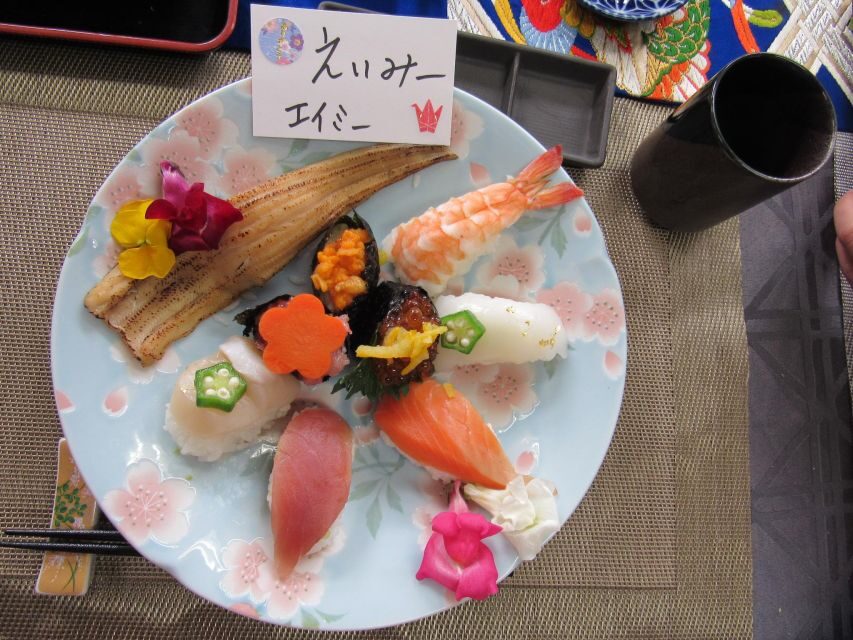
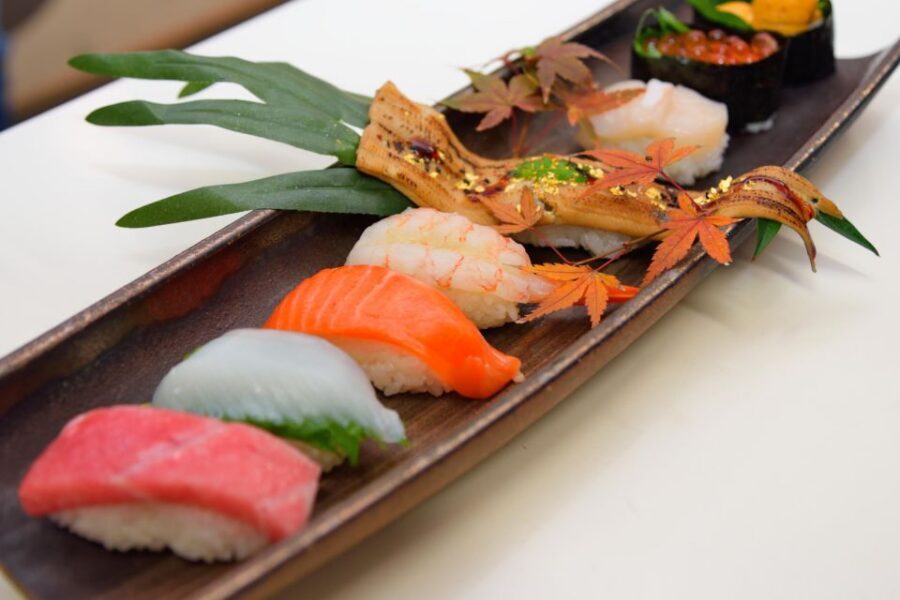
Once your shari is ready, you move into assembly. The experience includes lecture time plus hands-on making. Your class output includes 8 pieces of sushi, with topping choices such as green onion and ginger. Seasonal variation is possible, so the exact fish or seafood you see may change with the time of year.
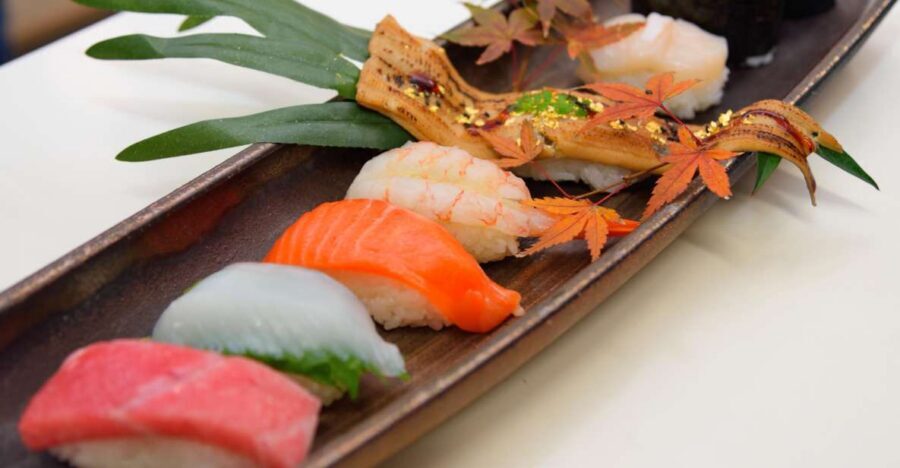
The course description highlights richer options such as extra-fatty tuna and sweet, almost creamy red shrimp, which is a nice reminder that you’re not limited to bland basics. You may also be able to request how fish cuts work if you want to learn that side of things, but it’s framed as optional and dependent on what you ask for.
From a value perspective, the included portions matter. You don’t just make one bite-sized demo; you make a set of pieces and get to eat them. That is the difference between a photo-op lesson and a real cooking class.
If you want to customize
You can choose various toppings, including items like green onion and ginger. That’s a smart way to let you shape your own experience without the instructor having to redesign the whole class around one person’s tastes.
A few more Kyoto tours and experiences worth a look



The Happi and Japanese-Spirit Part: Fun, Not Gimmick
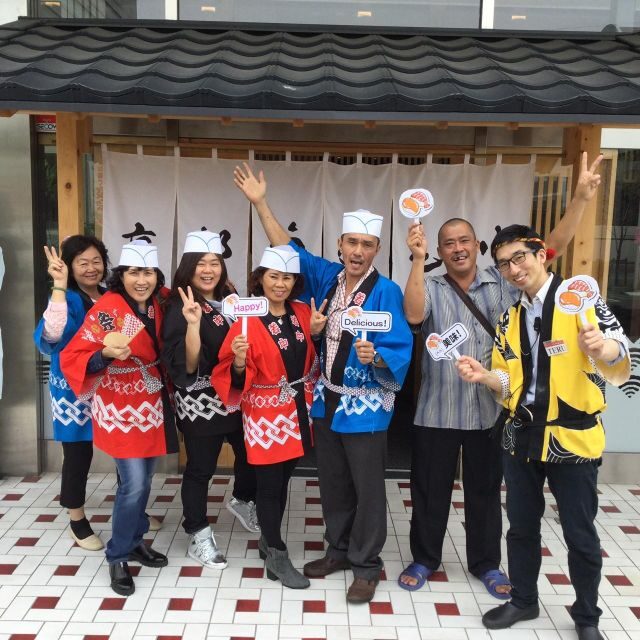
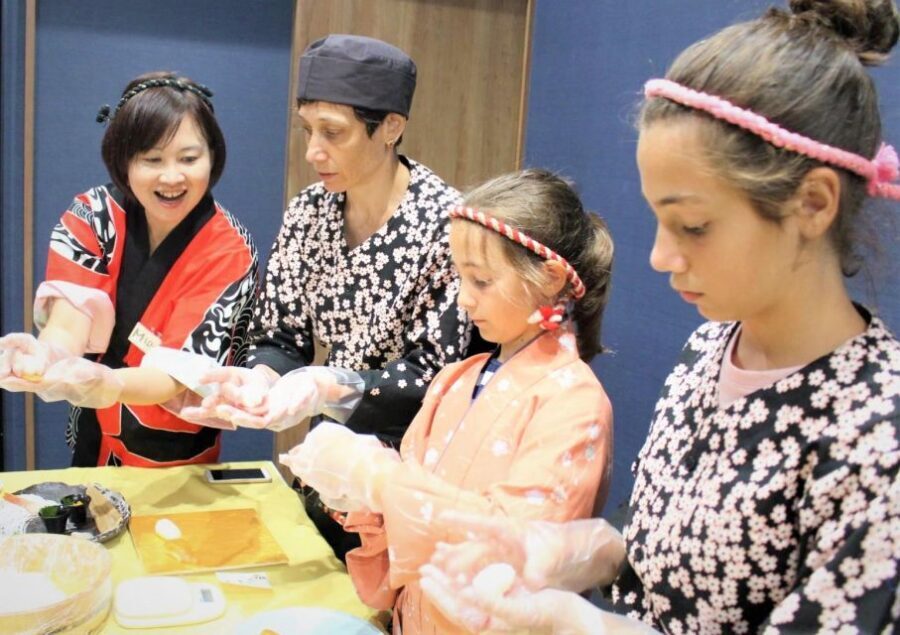
This is one of those experiences where the non-food components are actually connected to the food. You’ll wear traditional Japanese clothing, happi, and you’ll also have an experience described as Japanese spirits.
It’s easy to dismiss costume moments. But here, the clothing is part of the classroom setting, which can help you feel like you’re in a real setting, not an industrial kitchen with tourists lined up. It also helps you slow down and pay attention to the steps, because you’re more engaged when the moment feels ceremonial.
Practically, you get rental clothing. You also get souvenir photography. If you like remembering trips with something more than a screen photo, this matters.
Vegetarian, Vegan, and Muslim-Friendly Sushi Planning
If you eat vegetarian, vegan, or need to follow halal rules, this class is built to be flexible. The offering notes that the menu can be friendly to vegetarians, vegans, and Muslims.
That’s important because sushi is often assumed to mean only fish and imitation crab. Here, the instructor team prepares ingredients ahead of time, and you can choose toppings such as green onion and ginger. That gives you a path to build a piece even if you’re avoiding seafood.
If you have allergies, the good news is that allergy options and other needs are stated as available, including non-raw and gluten-free options. Still, sushi is ingredient-heavy by nature. I’d treat this as a “tell them early” situation so the kitchen has time to set things up correctly.
A quick reality check
The class includes a set number of sushi pieces. So while dietary needs can be accommodated, you may not get the exact same fish lineup as someone else in your group. That’s normal for sushi-making classes anywhere, but it’s worth knowing so expectations match the format.
Food Included: What You Actually Get to Eat
The included items are straightforward:
- Lecture about how to make sushi
- Japanese-spirit experience
- 8 pieces of sushi
- Rental clothing (you can choose from different kinds)
- Toppings such as green onion and ginger (you can choose favorites)
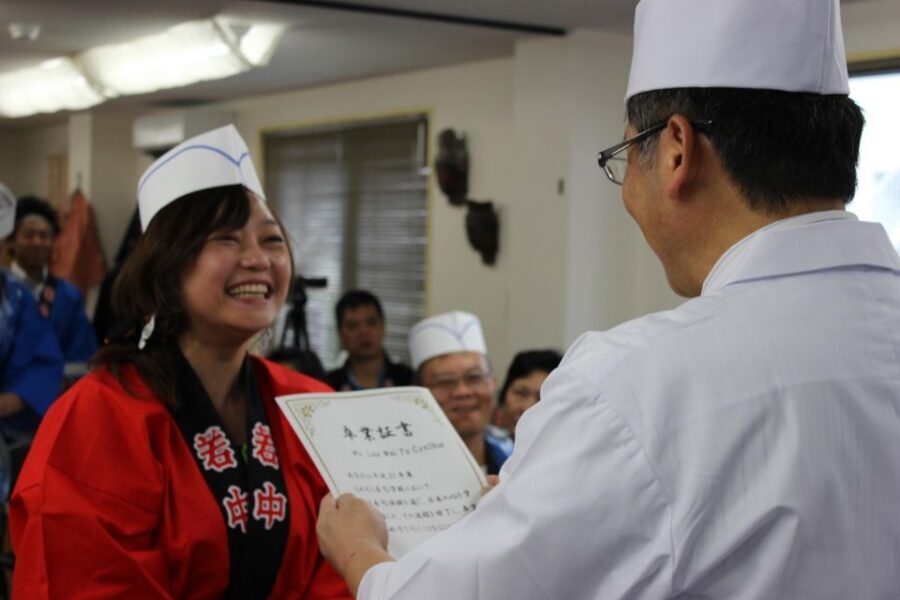
- Completion certificate and graduation ceremony
- Souvenir photography
- English-speaking instructor
Drinks aren’t included. There’s also an optional warm udon menu, but it’s not part of the base price.
From an enjoyment standpoint, this is the kind of class where you don’t leave hungry or disappointed. You’ll produce enough sushi to feel like you accomplished something, and then you eat the proof.
Also, seasonal variation is mentioned for toppings. That’s a gentle reminder that you’re learning a technique you can repeat, not memorizing a single fixed menu.
Price and Value: Is $113 Worth 90 Minutes?
At $113 per person for 90 minutes, this isn’t a bargain. It’s also not priced like a luxury dining event. So the real question is whether what’s included feels worth it for you.
Here’s what you’re paying for that justifies the cost:
- An English-speaking instructor guiding technique and timing
- Vinegar rice training, plus hands-on sushi assembly
- Pre-cut ingredients that keep beginners moving
- Included output you eat: 8 pieces of sushi (not just samples)
- Rental happi and a Japanese-spirit experience
- Photos, certificate, and graduation ceremony
Where the price may feel tough: one drawback that shows up in the feedback is that the content can feel basic for people expecting more variety or more hands-on techniques beyond a standard set of pieces. Also, while you can ask about fish cuts, it isn’t described as a full deep fish-prep session.
So, for value, I’d match the experience to your goals:
- If you want a structured beginner-friendly class and to actually eat what you made, the price can feel reasonable.
- If you want lots of different sushi styles, advanced knife skills, or a longer build-up, you may feel the 90 minutes doesn’t give enough breadth.
Who This Kyoto Sushi Class Suits Best
This is a strong fit if you:
- Are new to sushi making and want the basics done correctly
- Like hands-on lessons more than lecture-only experiences
- Want a cultural add-on (happi and the Japanese-spirit moment), not just food prep
- Need options for vegetarian, vegan, or Muslim-friendly menus
- Prefer English support in a cooking setting
It may be less ideal if you:
- Already know how to make sushi well and want deeper technique variety
- Want a heavy focus on multiple roll styles or more fish-cut training
- Are looking for a long, multi-course food journey (this is specifically sushi-focused and timed)
And quick family note: it’s not suitable for children under 3.
Quick Logistics Without the Headache
The class runs for 90 minutes and is held no matter what the weather is. The location is described as near public transportation.
There’s no elevator in the building, but staff can help elderly or disabled visitors up the stairs. Wheelchair accessibility is stated, though you should expect a step situation because an elevator isn’t available.
Meeting point directions (west entrance of Takeda station) are fairly specific:
- Get off at the west entrance of Takeda station (Kintetsu or Subway Line)
- Take a city bus and get off at the bus stop in front of Puls Plaza
- Walk down the street, turn right at the first corner
- Turn left at the first corner after that, and the place will be on your right
If you’re planning your day in Kyoto, build in a little buffer so you arrive without stress.
Also: smoking indoors isn’t allowed, and pets aren’t allowed (assistance dogs are allowed).
Should You Book This Sushi-Making Class?
If your goal is to learn sushi in a guided, beginner-friendly way and to actually eat a set of sushi pieces you made, I think this class is a good bet. The combination of shari instruction, included sushi output, and cultural extras like happi and the Japanese-spirit experience makes it more than just cooking.
Before booking, be honest about what you want. If you expect a long, advanced session with lots of technique variations, you might find the structure a bit limited. If you want a solid intro that leaves you with usable skills, photos, and a completion certificate, this format fits nicely.
FAQ
FAQ
How long is the Kyoto sushi cooking class?
It lasts 90 minutes.
What does the class include?
It includes a sushi-making lecture, an experience about Japanese spirits, 8 pieces of sushi, rental happi clothing, topping choices, a certificate of completion and graduation ceremony, souvenir photography, and an English-speaking instructor.
Are drinks included?
No, drinks are not included.
Is there an option for udon?
Warm udon is listed as optional, and it is not included in the base offering.
Can vegetarians, vegans, or Muslims join?
Yes. The menu can be friendly to vegetarians, vegans, and Muslims.
Can I get allergy or gluten-free options?
Allergies, non-raw, gluten-free, and other options are available, based on the information provided.
Will I learn fish cuts?
You can ask to learn fish cuts. The course itself focuses on sushi making, starting with shari/sumeshi.
How do I find the meeting point?
Get off at the west entrance of Takeda station, take a city bus to the stop in front of Puls Plaza, then walk down the street, turn right at the first corner, and turn left at the first corner after that; you’ll see the place on your right.
Is the venue wheelchair accessible?
Wheelchair accessibility is stated, but there is no elevator, and staff can help visitors up the stairs.
Is the class canceled if the weather is bad?
No. The experience is held no matter what the weather is.
Would you like me to tailor this review to your exact travel style (food-first, culture-first, budget-conscious, or beginner-friendly only) and suggest what to pair it with in Kyoto on the same day?