REVIEW · TOKYO
[NEW]JPN CULTURE – Buy@Toyosu Market SUSHI Making +TEA +Maid Cafe
Book on Viator →Operated by VAS · Bookable on Viator
Tokyo sushi starts at the fish market. This 6.5-hour, max 8-person experience blends Toyosu market shopping with hands-on sushi and a tea ceremony. You’re not stuck eating pre-made food—you’re part of the ingredient and cooking story.
I really like two parts. I love that you shop for fresh neta (the fish topping) first, then make lunch right after. And I liked how the team—led by Max, with a strong duo of guides—keeps the pace clear and friendly, in excellent English, so you’re not guessing what to do.
One thing to consider: your day follows a set flow. If you’re the type who wants lots of free wandering time, the fixed sequence (market, studio class, tea, then optional Akihabara) may feel a bit tight.
In This Review
- Key highlights
- Toyosu Market Shopping: Buying Your Neta Like a Local
- The Sushi-Making Studio: Temari, Maki, Chirashi, and Other Styles You Can Recreate
- Tea Ceremony + Confectionaries: Matcha and Sweets with a Purpose
- Optional Akihabara Maid Café: A Fun Add-On, Not a Requirement
- What the 6.5 Hours Feels Like: Timing, Pace, and Small-Group Advantage
- Price and Value: Does $78.04 Feel Fair?
- Who Should Book This (and Who Might Prefer Another Style)
- Should You Book It? My Honest Take
- FAQ
- What does the tour include?
- How many people are in the group?
- How long is the experience?
- Where is the meeting point?
- What languages are the guides comfortable with?
- Is it possible to skip the Maid Café?
- What’s the cancellation policy?
Key highlights
- Toyosu shopping instead of window-only viewing: you get a real chance to browse and buy ingredients.
- Neta-to-lunch timing: fresh fish you pick up becomes your sushi meal.
- Hands-on sushi styles: you practice rolls and bowls like chirashi, plus styles such as maki, temari, and oshi.
- Tea ceremony sweets you make yourself: dessert that fits the ceremony, not a random snack.
- Matcha for the lesson: you use high-grade matcha that’s intended for tea masters.
- Optional Maid Café time in Akihabara: you can add it or keep your day calm.
Toyosu Market Shopping: Buying Your Neta Like a Local
![[NEW]JPN CULTURE - Buy@Toyosu Market SUSHI Making +TEA +Maid Cafe - Toyosu Market Shopping: Buying Your Neta Like a Local](https://images.thejapantraveler.com/wp-content/uploads/newjpn-culture-buytoyosu-market-sushi-making-tea-maid-cafe-1.jpg)
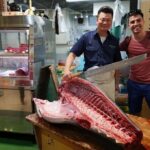
Most people visiting Tokyo’s seafood markets end up doing the “look but don’t touch” version. Here, the experience is built around the idea that sushi starts at the purchase. You meet at Shijō-mae Station in Toyosu and head into the market area with your guide.
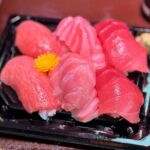
A key detail: the market routine is guarded. You can’t just walk in like it’s a normal street market, so your access and movement are part of what makes this feel special. Instead of watching from distant angles, you get the chance to browse stalls and shop for what you’ll eat. In practice, that means you’ll spend time asking questions and learning what matters—freshness, cut, texture, and which ingredients work well together in sushi.
I also like that this isn’t “we buy a tray and you cook.” You and your guide buy quality fish for the sushi class, and it’s described as some of the freshest you can get. Then the timing is tight: you’ll relocate to the studio and work with what you purchased, so the meal feels connected to the shopping.
What you’ll likely notice in this part of the day is how quickly the market environment moves. It’s not quiet museum time. You’ll be making decisions with your guide’s help, and you’ll see how quickly ingredients shift from one stall to another depending on what looks best.
One practical tip for you: this is a walking-heavy market experience, even if the group is small. Wear shoes that work on crowded sidewalks and inside market areas. You’ll be grateful later.
You can also read our reviews of more shopping tours in Tokyo
The Sushi-Making Studio: Temari, Maki, Chirashi, and Other Styles You Can Recreate
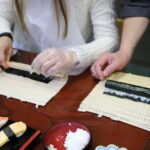
After the market shopping, you move to a studio where the real payoff kicks in: sushi-making you can actually repeat at home. The group cap is eight travelers, which matters more than you might think. In a class that small, it’s easier to get corrections when your rolling or rice handling is off—and you’re less likely to feel like you’re watching from the back.
You’ll learn to prepare a Japanese sushi lunch and make several styles. The lesson includes temari, maki, chirashi, and oshi as sushi shapes you practice. Another set of described techniques also includes thick roll sushi, chirashi sushi, and tamari. Either way, the theme is the same: you’re learning the mechanics behind different textures—rolling versus pressing, topping versus assembly, and how rice and ingredients behave.
You’ll be given a menu, and the goal is that you can replicate the food later. That’s one of the best value angles in any cooking class: not just eating well today, but getting a reference you can use when you’re shopping again back in your kitchen.
As you cook, you’ll also see how “sushi” is broader than one idea. People often think sushi equals one roll. In this class, you’ll get the sense that sushi is a family of approaches. For example:
- Rolls rely on technique and even pressure.
- Chirashi is more about balance—rice plus toppings in a bowl.
- Temari focuses on shaping and presentation.
- Oshi involves a pressed style, which changes the texture feel.
By the end, you enjoy the sushi you made for lunch. And because the fish comes from what you bought earlier, it doesn’t feel like a generic class meal. It feels like your ingredients turned into your lunch.
Tea Ceremony + Confectionaries: Matcha and Sweets with a Purpose
![[NEW]JPN CULTURE - Buy@Toyosu Market SUSHI Making +TEA +Maid Cafe - Tea Ceremony + Confectionaries: Matcha and Sweets with a Purpose](https://images.thejapantraveler.com/wp-content/uploads/newjpn-culture-buytoyosu-market-sushi-making-tea-maid-cafe-2.jpg)
If sushi is the hook, tea is the thread that turns this from a cooking class into a deeper culture experience.
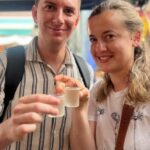
You’ll learn the basics of an authentic tea ceremony with a qualified tea master. This isn’t described as a quick photo moment. You’ll also make tea ceremony sweets—confectionaries designed for the ceremony—and they double as your dessert after the lesson.
One detail I like from the description is the tea ingredient quality. You’ll use high-grade matcha, specifically described as worthy and available only to tea ceremony masters. That tells you the experience is trying to respect the real thing rather than using whatever green powder is cheapest.
When you make the sweets, you’ll be working with the “ceremony” logic: flavors that fit matcha, textures that work with the tea, and presentation that matches the moment. Even if you don’t remember every step perfectly, you’ll remember how the sweets and tea behave together.
Here’s what this part means for you day-to-day. A lot of Tokyo food experiences stop after lunch. This one adds a second, calmer ritual that shifts the pace. You get time to watch and learn, then time to participate again—first with sweets, then with the ceremony itself.
And because you’re in a group of eight, it’s easier to follow instructions, ask questions, and not feel rushed.
Optional Akihabara Maid Café: A Fun Add-On, Not a Requirement
![[NEW]JPN CULTURE - Buy@Toyosu Market SUSHI Making +TEA +Maid Cafe - Optional Akihabara Maid Café: A Fun Add-On, Not a Requirement](https://images.thejapantraveler.com/wp-content/uploads/newjpn-culture-buytoyosu-market-sushi-making-tea-maid-cafe.jpg)
After tea, you have a choice. You can call it a day and head out on your own, or you can add an Akihabara Maid Café visit.
The experience is set up so this is optional, which is exactly how it should be. Maid cafés are polarizing. Some people love the themed energy, others want to spend their time on quieter parts of Tokyo. With this tour, you don’t have to commit if it’s not your thing.
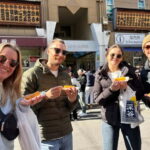
If you do add it, it’s the “old and new” Tokyo mix in a single day—traditional ceremony learning earlier, then a pop-culture stop afterward.
Just plan for the time shift. Since your schedule already has market and studio blocks, the maid café add-on can change how late you’ll finish and how much energy you’ll have for the rest of the evening.
What the 6.5 Hours Feels Like: Timing, Pace, and Small-Group Advantage
![[NEW]JPN CULTURE - Buy@Toyosu Market SUSHI Making +TEA +Maid Cafe - What the 6.5 Hours Feels Like: Timing, Pace, and Small-Group Advantage](https://images.thejapantraveler.com/wp-content/uploads/newjpn-culture-buytoyosu-market-sushi-making-tea-maid-cafe-4.jpg)
This experience runs about 6 hours 30 minutes. In real terms, it’s long enough that you’ll feel like you had a full activity day, but short enough that you don’t lose your whole afternoon.
The pacing is structured:
1) Meet near Shijō-mae Station and head to the market area
2) Browse and shop for ingredients with your guide
3) Move to the studio to make sushi and eat lunch
4) Learn the tea ceremony basics and make sweets
5) Optional Akihabara Maid Café, then you’re done back at the meeting point
That final “back at the meeting point” detail matters for planning. You’re not dropped across town where you suddenly have to figure out your next connection.
The small group cap is the real secret sauce. With only eight participants, you’re not stuck waiting for instructions while someone else finishes. Reviews also point out that the guides’ English was strong and explanations were clear, which tends to happen more often with small groups where the instructor can actually see who’s confused.
A few more Tokyo tours and experiences worth a look

Price and Value: Does $78.04 Feel Fair?
![[NEW]JPN CULTURE - Buy@Toyosu Market SUSHI Making +TEA +Maid Cafe - Price and Value: Does $78.04 Feel Fair?](https://images.thejapantraveler.com/wp-content/uploads/newjpn-culture-buytoyosu-market-sushi-making-tea-maid-cafe-5.jpg)
At $78.04 per person, you’re paying for three things that are hard to package cheaply in Tokyo: market guidance, a hands-on sushi class, and an actual tea ceremony session with matcha and sweets you make.
I think the price is fair when you look at what’s included:
- You learn sushi techniques and eat the lunch you prepare
- You use ingredients you shop for at Toyosu with your guide’s help
- You make tea sweets and participate in a tea ceremony session
- You have the option to add Akihabara if you want more
What you’re not getting is just a lecture. The day has work: shopping, cooking, shaping, and participating. You also leave with a menu to replicate the food later, which adds real value because it extends the experience beyond the day.
If you’re traveling in a larger group or want a self-guided market trip only, you might find cheaper options. But if you care about learning the “why” behind sushi and tea—and you want the ingredients and instruction paired together—this is the kind of value that’s easy to justify.
Who Should Book This (and Who Might Prefer Another Style)
![[NEW]JPN CULTURE - Buy@Toyosu Market SUSHI Making +TEA +Maid Cafe - Who Should Book This (and Who Might Prefer Another Style)](https://images.thejapantraveler.com/wp-content/uploads/newjpn-culture-buytoyosu-market-sushi-making-tea-maid-cafe-6.jpg)
This tour fits best if you want a clear Tokyo food-and-culture plan without juggling multiple reservations. It’s also great for:
- First-time visitors who want one guided day that covers two major cultural food experiences
- People who learn well through doing, not watching
- Anyone who likes the idea of buying neta and turning it into lunch
- Travelers who want a structured small-group setting (max eight)
It may be less ideal if:
- You want a mostly unstructured day of wandering
- You’re extremely sensitive to schedule timing and walking
- You don’t care about tea at all (because tea sweets and ceremony are a core part of the program)
Should You Book It? My Honest Take
![[NEW]JPN CULTURE - Buy@Toyosu Market SUSHI Making +TEA +Maid Cafe - Should You Book It? My Honest Take](https://images.thejapantraveler.com/wp-content/uploads/newjpn-culture-buytoyosu-market-sushi-making-tea-maid-cafe-7.jpg)
Yes, I’d book this if you want one day in Tokyo where you touch the real process behind both sushi and tea. The best part is the connection: you shop at Toyosu for what you’ll eat, then you cook and eat it, then you move into tea ceremony sweets and matcha with a tea master.
The optional Maid Café is a nice bonus, not a trap. And the small group size keeps things practical and teachable, which is what you want in any hands-on food class.
If you’re chasing authenticity and you like food experiences that give you something you can repeat at home, this one has strong staying power.
FAQ
![[NEW]JPN CULTURE - Buy@Toyosu Market SUSHI Making +TEA +Maid Cafe - FAQ](https://images.thejapantraveler.com/wp-content/uploads/newjpn-culture-buytoyosu-market-sushi-making-tea-maid-cafe-8.jpg)
What does the tour include?
You’ll visit the Toyosu market to browse and buy ingredients, then go to a studio to make several types of sushi and eat your sushi lunch. After that, you’ll learn a tea ceremony basics session with a qualified tea master and make tea ceremony sweets that serve as dessert. An optional Akihabara Maid Café add-on is also available.
How many people are in the group?
This experience has a maximum of 8 travelers.
How long is the experience?
It runs about 6 hours 30 minutes.
Where is the meeting point?
You meet at Shijō-mae Sta. 6 Chome-3 Toyosu, Koto City, Tokyo 135-0061, Japan. The tour ends back at the meeting point.
What languages are the guides comfortable with?
The reviews describe the guides as speaking excellent English.
Is it possible to skip the Maid Café?
Yes. The Maid Café visit is optional. You can call it a day after the tea ceremony and continue your own plans.
What’s the cancellation policy?
You can cancel for a full refund up to 24 hours before the experience starts. Changes within 24 hours of the start time aren’t accepted, and the tour requires a minimum number of travelers. If the minimum isn’t met, you’ll be offered a different date/experience or a full refund.