REVIEW · NAGASAKI
Nagasaki Private Customizable Full Day Tour
Book on Viator →Operated by Japan Awaits · Bookable on Viator
Nagasaki hits hard, then you move through it. This private, customizable full-day tour is a smart way to see the city’s big stories at your pace, choosing 4–5 stops from places tied to peace memory, Christianity, Dutch trade-era remnants, and more.
I like two things most: the custom itinerary process (you pick what fits your interests), and the chance to have an English-speaking guide handle the heavy themes with context. It’s also built as a true private experience, so you’re not squeezed into someone else’s route.
One thing to consider: the day can become very packed if you select multiple time-demanding sites (especially anything beyond central Nagasaki). Also, guide English can be a bit rough for some guests, though it’s still workable.
In This Review
- Quick hits before you book
- A private Nagasaki day that feels built for you
- How the Nagasaki custom form changes your day
- The peace memorial stops: what to do with a heavy day
- Christian Nagasaki: martyrs and UNESCO-level architecture
- Dutch-era Nagasaki: Dejima trading links you can actually see
- Meganebashi Bridge: the easy photo payoff
- Industrial ruins and Gunkanjima: when the day gets eerie
- Sunrise or sunset viewpoint: a break from the streets
- Tulip season and flower displays: when Nagasaki slows down
- Temples, museums, and Confucian shrines for deeper context
- Price and value: what $290.58 per person buys you
- Logistics that matter on a full-day tour
- The bottom line: should you book this Nagasaki private tour?
- FAQ
- How long is the Nagasaki private customizable full day tour?
- What time does the tour start, and where is the meeting point?
- Is hotel pickup and drop-off included?
- How many attractions will we see during the day?
- Is the tour private?
- Do you get an English-speaking guide?
- What’s included for transportation?
Quick hits before you book
- Pick 4–5 attractions from a menu, so you’re not doing a one-size-fits-all checklist
- Hotel pickup and drop-off means less hassle, especially in a city with lots of walking
- Atomic bombing sites plus Christian landmarks can fit into the same day if you want the full emotional arc
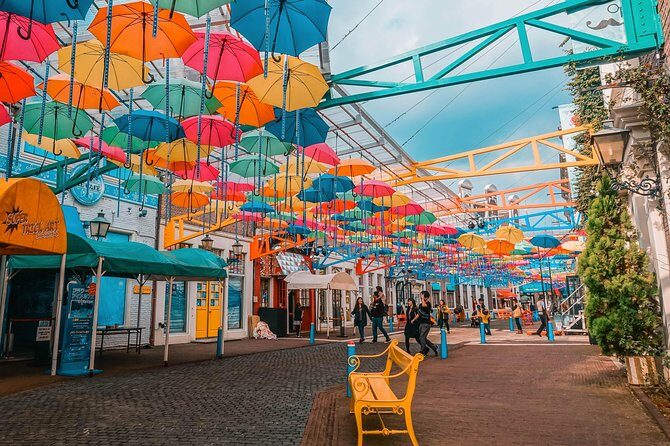
- Dejima-era stops and Dutch-style scenes pair nicely with photos and slower stroll time
- Meganebashi Bridge is a classic stop for easy viewpoints and great quick photos
- A written custom plan helps you stay oriented and use your time better once you’re in Nagasaki
A private Nagasaki day that feels built for you
This is a private Nagasaki experience with an 8-hour window, designed so you can shape the day around what matters to you. After booking, you’ll fill out a form to flag the themes you care about—history, culture, food, nature, or special events—and list anything you already saw and don’t want again. That matters because Nagasaki has a lot going on, and a good day plan saves energy for the moments you’ll remember.
You’ll also get a professional guide and hotel pickup/drop-off, with transportation arranged for within the city. The tour format is “4–5 attractions in the timeframe,” which is a big deal: it forces realistic pacing instead of trying to cram everything into 60 minutes each.
For the emotional side of Nagasaki—especially the atomic bombing memory—this kind of guided pacing helps. You don’t just walk through signs. You get the story behind the places.
You can also read our reviews of more private tours in Nagasaki
How the Nagasaki custom form changes your day
The custom part is not just marketing. You’ll receive a link to a Nagasaki form after booking, and you’ll need to complete it at least 7 days before your tour date. If you’ve visited parts of Nagasaki already, the form is where you can tell them what to skip. That lets your route avoid repeats and focus on your real priorities.
One helpful detail: the plan is prepared after they review your responses. So you’re not trying to translate interests into logistics on the fly that morning. You’ll have a route in mind, and your guide can adjust the day as you go.
If you like structure, this approach works. If you like spontaneity, it still works because “customizable” means you’re choosing the destinations and themes—then your guide handles the flow.
The peace memorial stops: what to do with a heavy day
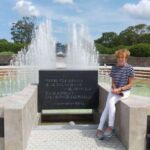
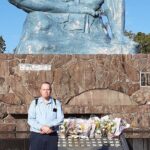
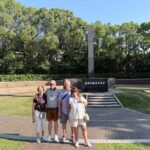
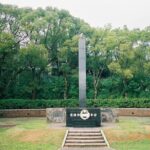
A major theme in this tour is Nagasaki’s atomic bombing memory. You may visit a memorial park dedicated to the victims of the atomic bombing of Nagasaki in 1945, and you may also include another poignant memorial connected to the same tragedy. Some versions of the route also include a significant historical site known for its connection to the atomic bombing in 1945.
These stops are solemn. The practical move is to treat them like a quiet priority, not a rushed photo stop. Wear shoes you can stand in comfortably, because the time can add up. Also plan your day so you’re not too hungry or tired—strong emotions are easier when you’re steady.
What you’ll get from a guide here is the “why it matters” layer: not just dates, but what the sites are meant to communicate about peace. One reason people love this tour is simple: the atomic bomb sites feel more informative when you’re not left to piece the meaning together alone.
Christian Nagasaki: martyrs and UNESCO-level architecture
Nagasaki is also a place where Christianity took root early, and you can see that through two standout types of stops.
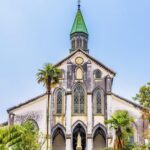
First, you can include a monument commemorating the 26 Catholic martyrs executed in 1597 during the persecution of Christians in Japan. Second, you can pair that with a historic Roman Catholic church tied to early Christianity in Japan—one of the oldest Christian churches in Japan and recognized as a UNESCO World Heritage Site.
If you’re interested in how religions spread and survive in different forms under pressure, this pairing lands well. It gives you both remembrance (the martyrs monument) and a physical place tied to the long story of Christianity in Japan (the historic church).
In terms of pacing, these sites are often easier than long-distance excursions, so they fit nicely into an 8-hour route. They also give a contrast to the heavier peace memory stops—still serious, but with different emotional tones.
Dutch-era Nagasaki: Dejima trading links you can actually see
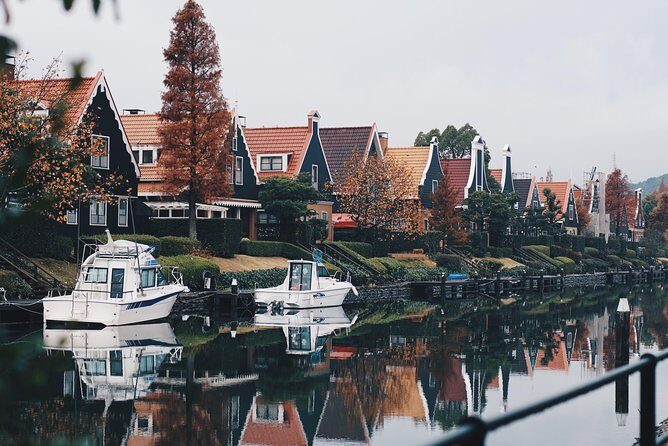
One of the most distinctive parts of Nagasaki is its connection to the outside world through Dutch trade during Japan’s period of isolation. This tour includes possible stops tied to the Dutch East India Company’s trading era via the artificial island Dejima, active from the 17th to the 19th centuries.
You may visit a stop featuring Dutch-style architecture that was once part of Dejima. Another option is a museum stop that houses artworks, including Japanese and Western paintings, sculptures, and ceramics. That mix matters because it’s not just Dutch trivia—it shows how cross-cultural contact left marks in objects and art.
Then there’s Chinatown, another classic layer of Nagasaki’s identity. The route can include one of the oldest Chinatowns in Japan, known for strong cultural influence in the city. Even if you’re not shopping for snacks, walking through gives you a sense of how different communities shaped daily life.
This cluster (Dutch-era + Chinatown) is a great way to understand why Nagasaki feels like a city of layers rather than a single-theme destination.
A few more Nagasaki tours and experiences worth a look
Meganebashi Bridge: the easy photo payoff
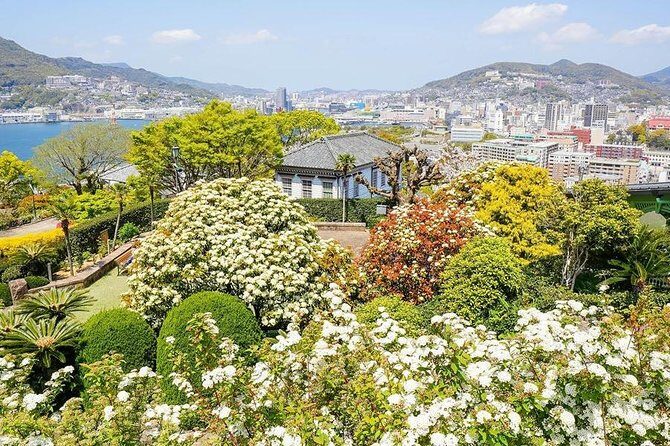
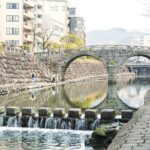
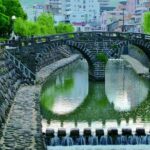
Meganebashi Bridge is a specific stop you can add to your route. It spans the Nakashima River and is a popular photography spot.
Why this matters in a guided full-day tour: it’s a low-effort highlight. You can pause, take photos, and reset without losing the momentum of the day. It’s also a useful “breather” stop when your earlier schedule includes memorials or museums.
If you care about photos, make sure your custom plan includes enough time for the bridge and river views—this is one of those places where a quick stop can feel like a missed chance.
Industrial ruins and Gunkanjima: when the day gets eerie
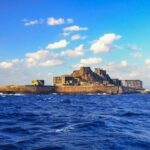
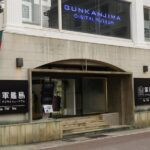
This is the part of Nagasaki that can feel otherworldly: industrial ruins and island remnants. The tour can include Gunkanjima, a small island that served as a trading post in earlier connections to the Dutch East India Company—but more importantly in today’s storytelling, it’s famous for industrial ruins and an abandoned appearance.
You’ll learn how it was once a thriving mining community, then left behind after the mines closed in the 1970s. The result is a landscape of “what’s left,” and the mood tends to stay with you.
Here’s the practical note: this tour lists transportation within the city only, and it also notes that fees for optional tours and activities are not included. So if you’re hoping to do an island-focused stop like Gunkanjima, I’d treat it as something to confirm in your custom plan—so you’re not surprised by extra costs or logistics.
If you love dramatic ruins, you’ll appreciate this stop. If you prefer calmer walking and less travel time, you can often choose a different theme from the menu.
Sunrise or sunset viewpoint: a break from the streets
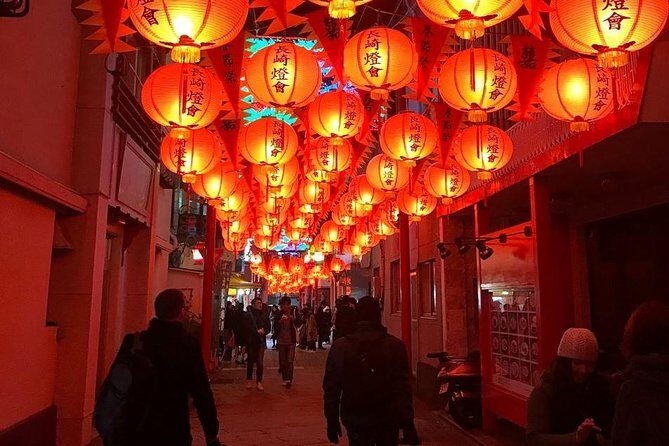
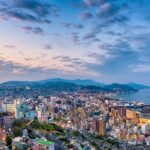
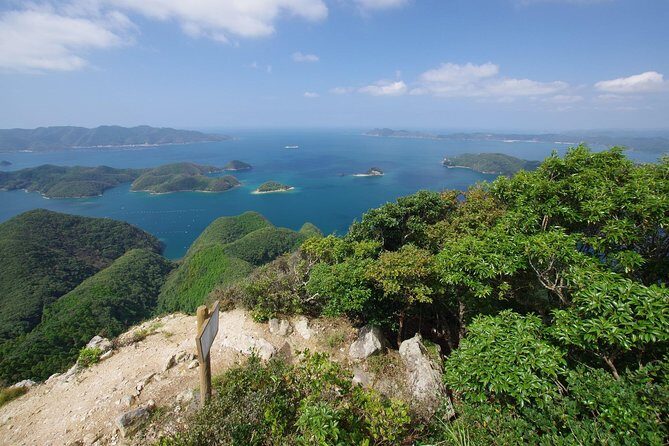
Not every stop has to be a museum or a memorial. Your guide may include a viewpoint that’s known for breathtaking views, especially at sunrise or sunset. This is a good option when you want a mental reset and a change of pace.
Because the time of day affects the experience, this is one of the stops where planning choice matters. If you’re choosing between a viewpoint and another indoor site, think about whether you want fresh air and skyline views or more structured cultural stops.
If your day is already packed with heavy themes, a viewpoint can be the soft landing you didn’t know you needed.
Tulip season and flower displays: when Nagasaki slows down
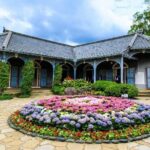
Another optional-feeling stop in the tour menu is a spot famous for flower displays, particularly tulips in spring. This can be a welcome change if you’ve been focused on history and monuments all morning.
The practical value here is simple: flowers make it easier to walk without feeling like you’re on a mission. If your visit lines up with the bloom season, this is a smart add.
If you’re traveling outside the tulip peak, you might consider swapping it for something more season-stable, like a museum or temple stop.
Temples, museums, and Confucian shrines for deeper context
If you want a full cultural day beyond memorial sites and iconic photo spots, this tour also includes options like:
- A Zen Buddhist temple founded in the 14th century by a Chinese monk, with connections to Chinese Zen Buddhism
- A museum that showcases the history and culture of Nagasaki Prefecture, with artifacts, documents, and multimedia displays
- A Confucian shrine built in the 17th century to honor Confucius
These add a layer that’s easy to miss if your route only follows the most famous landmarks. A museum stop can be especially useful because it fills in the background that makes everything else click. And temples/shrines give you a quiet rhythm between busier stops.
If your group includes people who get tired of memorial-heavy days, these are the stops that keep the schedule balanced without skipping meaning.
Price and value: what $290.58 per person buys you
At $290.58 per person for an approximately 8-hour private tour, this isn’t a budget option. But it can be good value when you compare it to what you’re actually getting: hotel pickup/drop-off, an English-speaking professional guide, and a private day that you shape around your interests.
This price tends to make more sense when you’re traveling with at least one other person and can split the cost of a guided private route. Even if you’re solo, the value can still show up if you’re the type who hates figuring out transit and timing while trying to hit meaningful sites.
The best value lever is your customization. If you use the form well—picking the right mix of peace memory, Christianity, Dutch-era sites, photos, and cultural stops—your day is more likely to feel intentional instead of “whatever we can fit.”
Logistics that matter on a full-day tour
This tour starts at 9:00 am and meets at Nagasaki Station (Onouemachi area), 1 Onouemachi, Nagasaki, 850-0058, Japan. It ends back at the meeting point.
A full-day schedule runs on timing. You’re asked to arrive at least 10 minutes early. The guide will wait up to 30 minutes for the start time before the tour is canceled, so don’t gamble with late trains.
Also pack for the weather. The tour notes attire appropriate for all conditions, and that’s good advice in Nagasaki where conditions can shift.
Finally, double-check the day plan for accessibility and comfort needs. The tour says most travelers can participate, but it’s still a full-day rhythm, and a few stops may involve standing and walking.
The bottom line: should you book this Nagasaki private tour?
I’d book this tour if you want a guided day where you control the mix of themes—especially if you care about understanding Nagasaki’s atomic bombing memory, Christian history, and Dutch-era context without turning your day into a scavenger hunt.
I wouldn’t book it as-is if you’re hoping for a light, effortless day with no serious sites. This route can include memorials and heavy historical themes, and you should choose the stops intentionally.
Before you confirm, do two things:
- Fill the custom form thoughtfully so your guide can plan efficiently for the 4–5 attractions you actually want.
- If you’re interested in island-style stops like industrial ruins, confirm what’s included for that part of your day, since transportation within the city is listed as the standard coverage.
FAQ
How long is the Nagasaki private customizable full day tour?
It runs about 8 hours.
What time does the tour start, and where is the meeting point?
It starts at 9:00 am at Nagasaki Station, 1 Onouemachi, Nagasaki, 850-0058, Japan. The tour ends back at the meeting point.
Is hotel pickup and drop-off included?
Yes, hotel pickup and drop-off are included.
How many attractions will we see during the day?
Your itinerary is built around discovering 4–5 attractions within the designated tour timeframe.
Is the tour private?
Yes. It is a private tour/activity, and only your group participates.
Do you get an English-speaking guide?
Yes, the tour includes an English-speaking professional tour guide (and other languages may be available based on booking).
What’s included for transportation?
Transportation within Nagasaki city is included (either public transportation or a private vehicle, based on your booking). Meals and drinks are not included.