REVIEW · NAGASAKI
Nagasaki Full Day Tour with Licensed Guide and Vehicle
Book on Viator →Operated by Japan Guide Agency · Bookable on Viator
Nagasaki history fits in six hours. This private full-day tour pairs a licensed English guide with a comfortable vehicle, so you can pick 3–4 stops and actually understand what you’re seeing. I especially like the way the route can be tailored to your interests, and how the guide stays with you for the whole day instead of you getting shuffled around. One real consideration: entrance fees and lunch aren’t included, so the cost can creep up depending on which museums or gardens you choose.
This is also a smart way to experience Nagasaki’s unusual mix: Western trading-era sights, Catholic history, Chinese-linked temples, and the city’s peace memorial sites. If you come off a cruise, you’ll appreciate the practical pace and the chance to start with a great view—then move into the deeper stories. The one drawback to keep in mind is that the best results come from choosing your 3–4 stops carefully; if you try to pack everything in, you’ll feel the time pressure.
In This Review
- Key things I’d watch for before you book
- Why this Nagasaki private tour works in one day
- How the 6-hour schedule gets you from views to quiet temples
- Choosing your 3–4 stops: best pairings for first-timers
- Option A: The port history + Western-era arc
- Option B: Christian history in red brick and quiet courtyards
- Option C: Chinese roots + city-wide symbols
- Option D: Peace-focused Nagasaki
- Inasayama Observation Deck: start with the city at your feet
- Glover Garden and Dutch Slope: Western Nagasaki without the rush
- Dejima: where rules shaped encounters
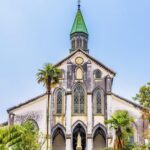
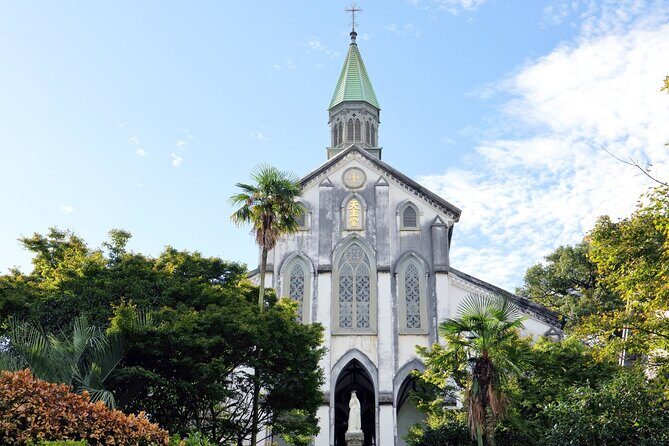
- Urakami Cathedral and Oura Church: Catholic Nagasaki in European style
- Sofukuji Temple and Kofukuji Temple: Obaku Zen and Chinese temple DNA
- The Confucian Temple and Chinese Museum: teaching over centuries
- Twenty-Six Christian Martyrs Monument: a stop that changes the tone
- Spectacles Bridge (Meganebashi): a small stop with a big visual payoff
- Nagasaki Peace Park and the Atomic Bomb Museum: what to expect in the time you have
- Nagasaki Museum of History and Culture + Prefectural Art Museum: optional, but helpful for pacing
- Practicalities: comfort, pickup, and what you pay for
- Guide quality: what you’ll feel with names like Rikako and Yoshi
- Should you book this Nagasaki full-day tour?
- FAQ
- How long is the Nagasaki private tour?
- What’s included in the price?
- How many people is the tour for?
- Are entrance fees included?
- Is lunch included?
- Do you offer pickup in Nagasaki?
- Can I customize which attractions we visit?
- Is there a mobile ticket?
- What about car seats for children?
- What if I need to cancel?
Key things I’d watch for before you book
- Pick 3–4 stops from the provided list for a realistic six-hour rhythm with travel time.
- Some major sights cost extra because entrance fees aren’t included (but a few are free, like the view deck and Peace Park).
- Your guide can tailor the day to what you care about most, which is where this tour shines.
- Private vehicle means less stress than sorting buses, taxis, and transfers on your own.
- Peace Park and the Atomic Bomb Museum are quick on the clock, so decide if you want shorter or longer time there.
Why this Nagasaki private tour works in one day
Nagasaki is one of those cities where the story matters as much as the buildings. You’ll notice it when you move from a foreign-trader hillside view to a Catholic church with a heavy past, then to Chinese-linked temple architecture, and finally to the peace memorials tied to 1945. A private guide helps you connect the dots fast—without having to study everything before you arrive.
The value here is practical. You’re not chasing “must-sees” with a crowd; you’re choosing what hits for you, and the licensed guide helps you read the city while you’re standing in it. In multiple tours, guides such as Rikako and Yoshi were praised for staying flexible, sharing personal context, and keeping the day from feeling rushed.
My one caution is budget realism. The tour price is set per group (up to 2), and while you’re covered for the guide and private vehicle, you’re still on the hook for many entry tickets plus lunch. If you want multiple ticketed museums and gardens, plan for that up front.
You can also read our reviews of more guided tours in Nagasaki
How the 6-hour schedule gets you from views to quiet temples
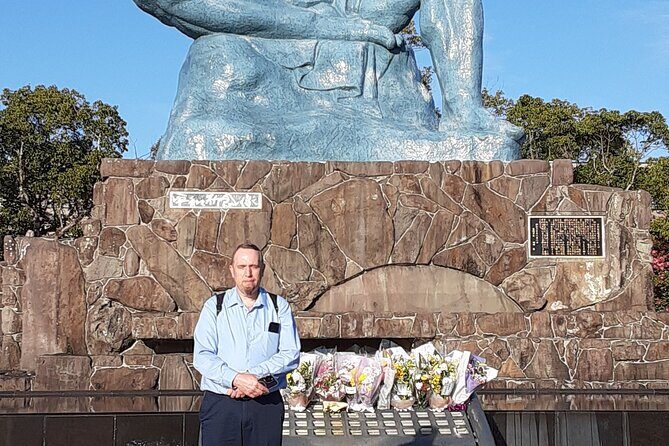
This runs about 6 hours total, and the itinerary is built around choosing 3–4 attractions from the list. That structure matters because Nagasaki isn’t a “see 14 things in a day” city. It’s better when you slow down a bit—especially around the churches and peace memorial sites.
A typical flow looks like this:
- Start with a strong orientation stop (often a viewpoint).
- Move to a cluster of Western-era or port-history sights.
- Add a faith/temple stop for texture and architecture.
- Finish with the peace sites if that’s your priority.
The good news is that some stops are short enough (15–20 minutes) that you can still build in breathing room for photos, slow walking, and questions. The less good news is that the Atomic Bomb Museum and Peace Park are both time-limited within the day, so you may want to ask your guide whether you’ll have enough time to read what you care about.
Choosing your 3–4 stops: best pairings for first-timers
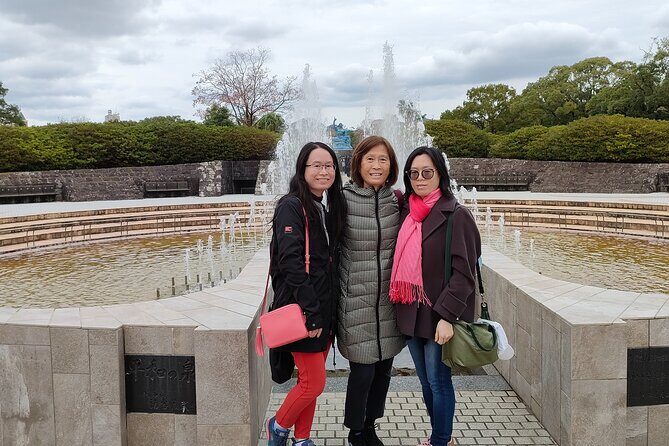
The tour’s main power is choice. If you tell your guide what you’re into, you can build a day that feels like your Nagasaki, not someone else’s.
Here are a few pairings that usually make sense:
Option A: The port history + Western-era arc
- Dejima (the man-made island that shaped foreign-Japanese separation during the Edo period)
- Glover Garden (Western mansions and related buildings on a hill)
- Dutch Slope (stone-paved street tied to foreign traders after the port opened)
Add-on: Spectacles Bridge (Meganebashi) for an easy downtown photo stop.
Why it works: you get the “where foreigners lived / how trade was controlled” thread without cramming.
Option B: Christian history in red brick and quiet courtyards
- Urakami Cathedral (a working Catholic church with a tragic history)
- Oura Church (built in 1864 by a French missionary for foreign merchants)
- Twenty-Six Christian Martyrs Monument (remembering executions in 1597)
Add-on: Sofukuji Temple or Kofukuji Temple if you also want the Zen/Obaku temple angle.
Why it works: it’s a clear theme and the architecture tells part of the story.
A few more Nagasaki tours and experiences worth a look
Option C: Chinese roots + city-wide symbols
- Sofukuji Temple (Obaku Zen; originally built for Nagasaki’s Chinese residents)
- Kofukuji Temple (oldest Chinese-founded temple in Nagasaki)
- Confucian Temple / Chinese Museum of Successive Generations (a Confucius shrine in Japan)
Add-on: Spectacles Bridge for something light and photogenic.
Why it works: you’ll see how Nagasaki’s “international city” identity wasn’t only European.
Option D: Peace-focused Nagasaki
- Peace Park (built near the atomic bomb’s hypocenter; commemorates victims)
- Nagasaki Atomic Bomb Museum (documents devastation and recovery)
Add-on: Nagasaki Museum of History and Culture if you want a bigger city-frame before you commit emotionally.
Why it works: it keeps your emotional arc coherent instead of jumping themes.
Inasayama Observation Deck: start with the city at your feet
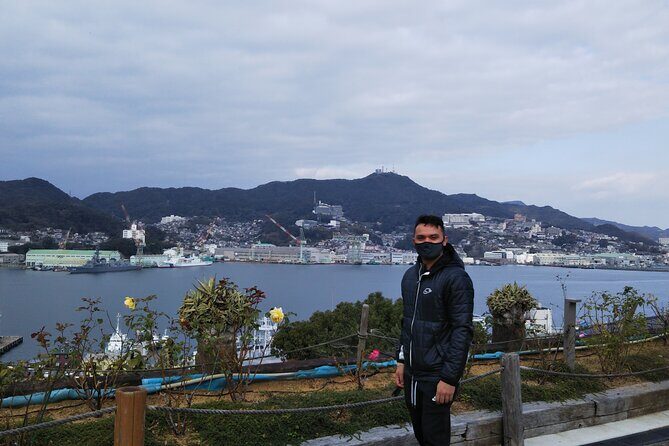
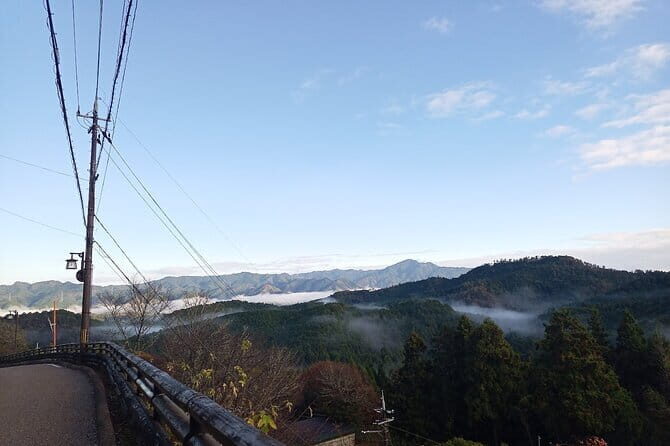
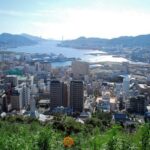
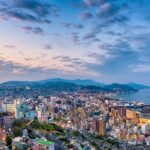
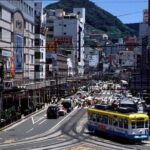
If you only do one “orientation” stop, make it Inasayama Observation Deck on Mount Inasa. It’s about a 333-meter hill near the city center, and you’ll get sweeping views over Nagasaki in a relatively short time (around 20 minutes). The ticket is marked free, which helps if you’re managing entry costs.
This is a great first stop because it gives you a mental map. Once you see the city from above, you’ll better understand why the port matters, how the waterfront is arranged, and how Nagasaki’s neighborhoods connect.
Potential drawback: if the weather is poor, views can be limited. Nagasaki doesn’t often get snow, but one group noted unusual sleet/snow conditions and still got a unique view—so dress for whatever your day throws at you.
Glover Garden and Dutch Slope: Western Nagasaki without the rush
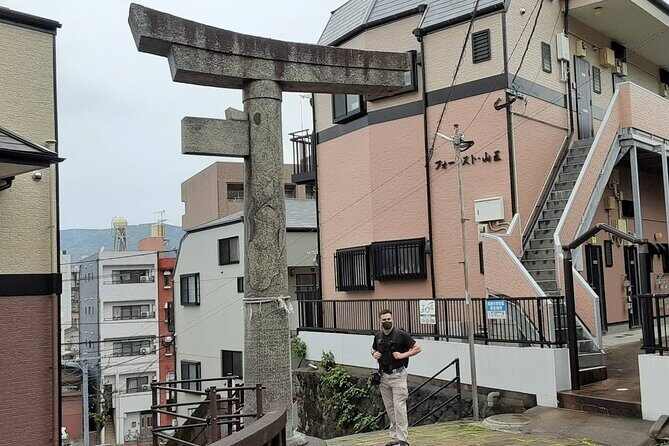
Glover Garden is an open-air museum showing mansions of former foreign residents and related buildings. It typically takes about 1 hour, so it’s one of the stops that really earns its place if you care about architecture and the port-era influence.
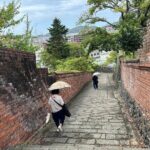
A good companion is Dutch Slope, a stone-paved hill street tied to foreign traders after the port opened in 1859. It’s usually a shorter stop, but it’s memorable because it’s more walkable than it looks in photos.
I like this pair because it turns “Western history” from a vague label into visible details: hills, stairs, street materials, and the feel of a hillside neighborhood.
Dejima: where rules shaped encounters
Dejima takes about 50 minutes, which is enough time to read the key ideas without feeling like you’re speed-running history. It was a man-made island built in 1636 to segregate Portuguese residents from the Japanese population and control missionary activity.
This stop works best when your guide helps you connect it to what you’ll see next—especially churches and memorial sites. Without that context, Dejima can feel like a “history lesson you visited,” instead of a living part of Nagasaki’s identity.
Practical tip: since the time is set, ask your guide early whether you should prioritize specific areas inside Dejima or focus on the big story beats.
Urakami Cathedral and Oura Church: Catholic Nagasaki in European style
Nagasaki’s Christian history is unforgettable, and the architecture helps you understand why.
- Urakami Cathedral: about 20 minutes. It’s described as a working church today in a large red-brick European-style building, with a tragic yet important history.
- Oura Church: also about 20 minutes. It was built toward the end of the Edo Period in 1864 by a French missionary for the growing community of foreign merchants.
These two stops complement each other. One gives you the broader cathedral presence tied to the city’s wounds, while the other gives you the earlier foreign-merchant story in stone-and-brick form.
Small warning: if your group tends to move quickly, you may want to tell your guide you want a slightly unhurried pace at the churches so you don’t just get exterior photos and move on.
Sofukuji Temple and Kofukuji Temple: Obaku Zen and Chinese temple DNA
If you want Nagasaki beyond the Western-and-Christian headlines, add temples tied to Chinese-linked Buddhism.
- Sofukuji Temple: about 20 minutes. It belongs to the Obaku school of Zen Buddhism and was originally built in 1629 for Nagasaki’s Chinese residents.
- Kofukuji Temple: about 20 minutes. It’s described as the oldest and one of the most important Chinese-founded temples in Nagasaki and is located in Teramachi, the temple-town district.
These stops are short, but they reward attention. The guided explanation helps you notice how architecture and religious practice moved across borders—even in an era when movement was controlled.
The Confucian Temple and Chinese Museum: teaching over centuries
The Confucian Temple (孔子廟 / Kōshi-byō) and the Chinese Museum of Successive Generations are about 15 minutes. It’s noted as one of only a handful of Confucius shrines dedicated to the philosopher in Japan, built in 1893 by Nagasaki’s Chinese community.
Even with limited time, this stop adds a different texture to Nagasaki’s “international” story: not trade or missions only, but education and shared cultural identity.
Twenty-Six Christian Martyrs Monument: a stop that changes the tone
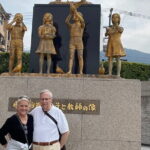
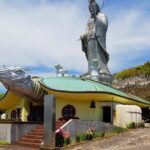
The Twenty-Six Christian Martyrs Monument and adjacent museum (around 20 minutes) mark the executions of 26 Christians on February 5, 1597. This is one of those stops where the guide’s framing can make the difference between reading facts and feeling the weight of those facts.
One group emphasized that their guide shared personal stories connected to the atomic-bomb era, and it made the historical content hit harder. If you’re sensitive to heavy material, this is exactly the kind of day where a thoughtful guide matters.
Spectacles Bridge (Meganebashi): a small stop with a big visual payoff
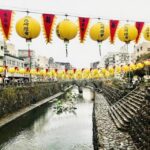
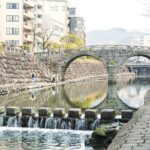
This one is a low-effort win. Spectacles Bridge (Meganebashi) is a stone bridge over the Nakashima River downtown, named for its resemblance to spectacles. It takes about 15 minutes and the ticket is listed as free.
I recommend it as a “breather” stop between heavier topics. You’ll get a strong photo without committing an entire chunk of your day.
Nagasaki Peace Park and the Atomic Bomb Museum: what to expect in the time you have
Nagasaki’s peace area isn’t long on the schedule, but it’s serious.
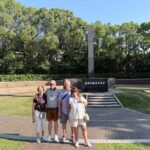
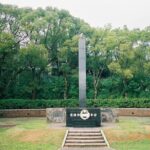
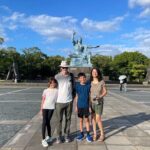
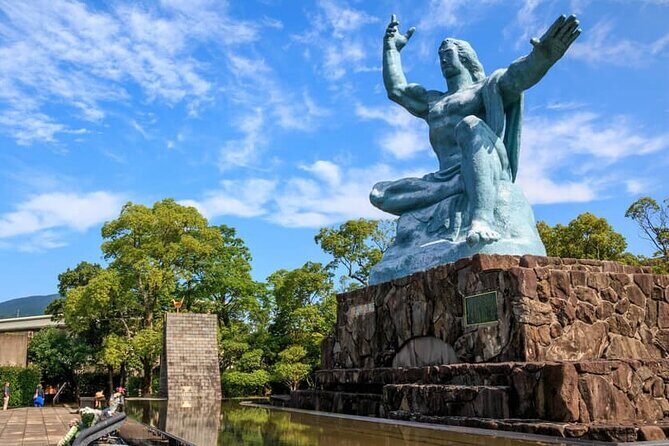
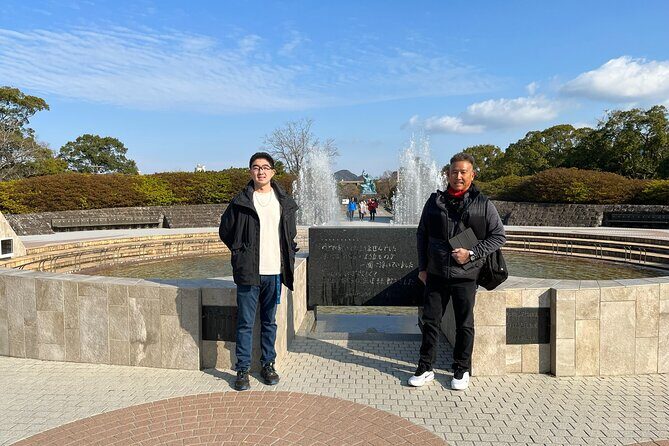
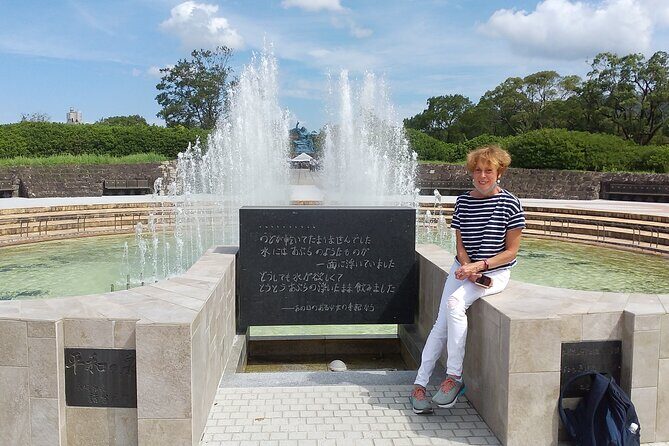
- Nagasaki Peace Park: about 15 minutes. It’s built near the atomic bomb’s hypocenter, commemorates victims, and promotes global peace. The Peace Statue is the center point.
- Nagasaki Atomic Bomb Museum: about 15 minutes. It documents devastation and the city’s recovery.
Because both are time-limited in the tour rhythm, you’ll get the most out of them if you decide your goal beforehand. Do you want the broad story, or do you want to focus on specific sections and read more slowly?
Value note: in one case, a guide gave extra time specifically at the Atomic Bomb Museum. That’s the kind of flexibility you should ask about if the museum is a top priority for you.
Nagasaki Museum of History and Culture + Prefectural Art Museum: optional, but helpful for pacing
Two extra stops can improve the “emotional pacing” of your day by adding a lighter or more general layer:
- Nagasaki Museum of History and Culture: around 20 minutes. It’s described as modern and well-executed, focused on Nagasaki’s international role.
- Nagasaki Prefectural Art Museum: around 20 minutes. It’s a modern, spacious complex by the port and designed by a famous architect (as described).
These are good if you want context before you hit the peace sites, or if you need a break from purely religious and memorial stops.
Practicalities: comfort, pickup, and what you pay for
This is a private tour, meaning only your group participates. Pickup is offered, and it’s designed for comfort in a private vehicle—useful when you’re moving between hillside viewpoints, downtown bridges, and church/temple areas.
Here’s the money reality:
- The tour price is $598.53 per group (up to 2).
- Entrance fees are not included, and lunch isn’t included.
- Some stops are listed with free admission (Inasayama Observation Deck, Spectacles Bridge, Peace Park), but many others say admission isn’t included.
One traveler noted a disappointment tied to entrance-fee expectations. So do this: ask your guide what stops in your exact plan have tickets and roughly how much to budget. That one question can prevent an awkward moment later.
Guide quality: what you’ll feel with names like Rikako and Yoshi
The biggest difference between a good day and a great day here is the guide. In the feedback I was given, guides such as Rikako, Yoshi, Hiromi, Minnie, Yoshiko, Fumiko, and Yoko were repeatedly praised for flexibility, clear English, and adding personal touches.
A few specific examples that show the style:
- Some guides brought thoughtful extras like handmade crane items, cake, or small gifts tied to peace.
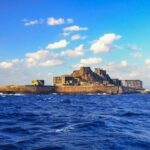
- Others helped with practical add-ons when time allowed, including arranging tickets in advance to Battleship Island (Gunkanjima).
- One guide also taught an origami activity during the day, which is a nice way to slow the pace and make the experience feel personal.
- Groups coming from cruise terminals highlighted fast pickup and a day that didn’t feel rushed.
If you want the best version of this tour, don’t be shy. Tell your guide what you love: architecture, faith history, photo viewpoints, or peace sites. Then ask how they’d shape your 3–4 stops around that.
Should you book this Nagasaki full-day tour?
Book it if you want a private, flexible way to understand Nagasaki fast—without wrestling transit, crowds, or gaps in context. It’s also a strong fit if you care about the city’s unusual blend: Western port history, Catholic churches, Chinese/Obaku temple heritage, and the peace story.
Skip or rethink it if you’re trying to avoid any extra spending beyond the base price. Because entrance fees and lunch aren’t included, your final day cost depends on which ticketed stops you choose.
One last decision helper: pick your theme before you select stops. If you tell your guide you want a port/foreign-era day, a Christian-history day, a Chinese-temple day, or a peace-focused day, this tour’s structure will feel like it was built for you. If you just say yes to everything, you may end up paying for tickets and only half-feeling the big moments.
FAQ
How long is the Nagasaki private tour?
It runs for about 6 hours.
What’s included in the price?
You get a licensed local English-speaking guide and a private vehicle. The tour also includes a customizable plan where you choose 3–4 sites from the listed options.
How many people is the tour for?
The price is per group up to 2 people, and it’s private, so only your group participates.
Are entrance fees included?
No. Entrance fees are listed as not included, and lunch is also not included. Some stops are marked as free in the schedule.
Is lunch included?
No, lunch isn’t included.
Do you offer pickup in Nagasaki?
Pickup is offered.
Can I customize which attractions we visit?
Yes. You choose 3–4 sites from the tour’s provided list.
Is there a mobile ticket?
Yes, a mobile ticket is mentioned.
What about car seats for children?
There are only a limited number of car seats and booster seats. Rear-facing car seats are not available. If you need one, you must contact the provider directly.
What if I need to cancel?
You can cancel for a full refund if you cancel at least 24 hours before the experience’s start time.