REVIEW · OSAKA
A Tour to Explore the Symbol of Osaka: Osaka Castle
Book on Viator →Operated by OTOMO Travel Guide · Bookable on Viator
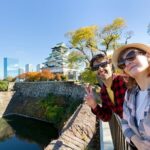
A castle day in Osaka can be more than photos. This private tour layers Osaka Castle’s key landmarks with a focused guide who can explain what you’re seeing and why it mattered. I like the built-in rhythm: start with the Osaka Museum of History, then walk the grounds at a relaxed pace. One possible drawback: if your Japanese or English comfort level is tight, you’ll want to confirm you and your guide can communicate well, since the start point is a real meet-up moment.
You’ll also appreciate the practical side. The guide helps you plan what to do inside, where to go for the best views, and how to handle timing and tickets so you don’t lose time. I’d also flag that the Osaka Museum of History admission is separate, and some places may not take credit cards, so bring cash. With that in mind, this is a strong way to experience Osaka Castle without turning your day into a confusing self-guided scavenger hunt.
In This Review
- Key Highlights You’ll Notice Right Away
- Osaka Castle in 4 Hours: What You’ll Actually See
- Starting at Osaka Museum of History: Why This First Stop Matters
- Ōte-mon Gate: The Main Gate Stop That Sets the Tone
- Hokoku Shrine: A Small Stop with Big Historical Weight
- MIRAIZA Osaka-Jo: A Practical Pause Near the Tower Area
- Inside Osaka Castle: Museum Exhibits and Reconstructed Details
- Guide Power: Better Stories and Smoother On-the-Ground Decisions
- Price and Value: Is $83.56 Worth It?
- Timing, Weather, and Mobile Ticket: Small Things That Change the Day
- Who Should Book This Tour (and Who Might Skip a Guide)
- Should You Book Osaka Castle with a Private Guide?
- FAQ
- How long is the Osaka Castle private tour?
- Where does the tour start and where does it end?
- Is the Osaka Museum of History admission included?
- Are there other admission fees during the tour?
- Does the tour include a guide?
- Do I need cash?
- Do I get a mobile ticket?
- What should I wear?
- What if the weather is bad or a spot closes?
Key Highlights You’ll Notice Right Away
- Private guide attention for questions, pacing, and faster decisions on-site
- Osaka Museum of History first, so the castle makes more sense as you walk
- Iconic grounds stops like Ōte-mon Gate and Hokoku Shrine, with context
- MIRAIZA Osaka-Jo for a quick reset near the tower area
- Mobile ticket convenience for the parts you can’t afford to mess up
Osaka Castle in 4 Hours: What You’ll Actually See
This is a tight, well-paced tour built around one big goal: experiencing Osaka Castle like it’s part of a story, not just a big building you pass by. The total time is about 4 hours, and the itinerary is designed so you get highlights without spending your day zig-zagging across the grounds.
You start at the Osaka Museum of History area, then move through the main gate and shrines, and finish with time inside the castle museum spaces. It’s a smart flow: you’re given historical context early, then you test that context against what’s still visible on the grounds.
Because it’s a private tour, you’re not competing with a crowd to ask questions or to adjust pacing when you hit a line or weather changes. Still, you should expect solid walking, so comfortable shoes matter.
You can also read our reviews of more tours and experiences in Osaka.


Starting at Osaka Museum of History: Why This First Stop Matters
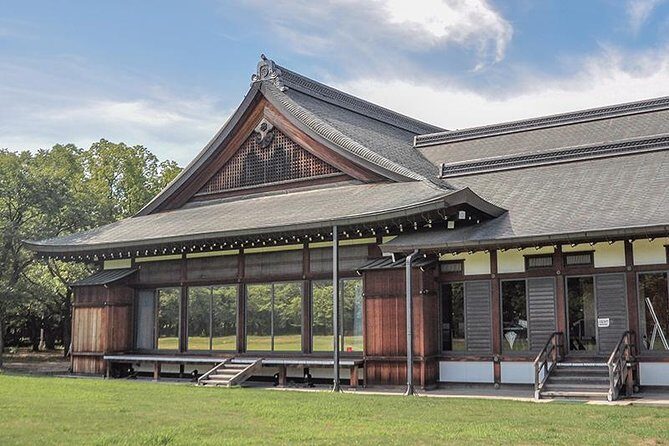
The first stop is the Osaka Museum of History, where you get about 1 hour on-site. The museum’s big draw is that it helps you feel like you’re stepping into earlier Osaka life. You’ll also find floor displays that reproduce major historical spaces, including the great council hall of Naniwanomiya palace.
This is more than pre-castle warmup. If you skip something like this, Osaka Castle can turn into a pure “look at the architecture” visit. Starting here sets your brain in historical mode, so later details in and around the castle land with more meaning.
There’s one catch: admission is not included. The museum fee is listed as ¥1,000 per person, so budget for it. Since some sites don’t accept credit cards, it’s worth having cash ready before you get there.
Ōte-mon Gate: The Main Gate Stop That Sets the Tone
Next you move to the Ōte-mon Gate, the castle’s main gate, with about 10 minutes here. This is a short stop, but it’s a high-impact one: it’s an important cultural property, and it’s the kind of place where your photos will look better because you actually understand what you’re looking at.
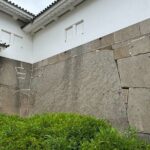
A detail that matters in person: the stonework around the gate uses massive stones—some described as far bigger than a person. When your guide points out what makes the construction and placement meaningful, the gate stops being just a backdrop for pictures.
With only 10 minutes, don’t plan on lingering. This is a “get oriented” stop, and you’ll want to save your energy for the longer castle time.
Hokoku Shrine: A Small Stop with Big Historical Weight
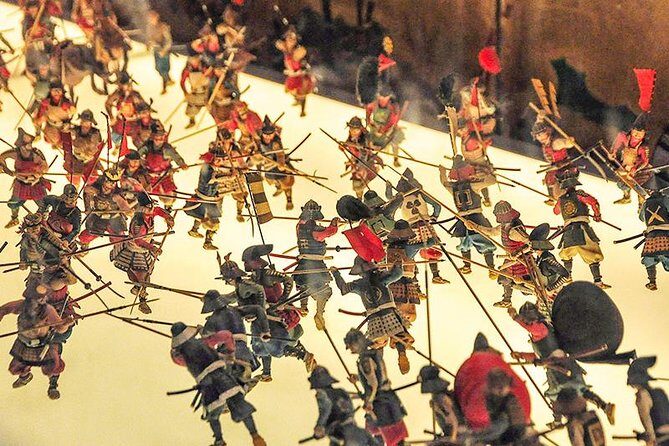
You then head to Hokoku Shrine for another 10 minutes. The shrine is enshrined to Toyotomi Hideyoshi, one of the best-known military commanders in Japanese history. The tour links him directly to Osaka Castle’s story, including how the castle served as a base connected to Hideyoshi’s time.
This is the kind of stop where a private guide helps a lot. A shrine setting can feel quiet and vague if you don’t know who’s tied to it. With context, you’ll start noticing how the shrine’s presence fits into the castle’s broader role.
If you’re the sort of traveler who likes “why is this here?” moments, you’ll enjoy this stop. It’s brief, but it adds a human anchor to the stone-and-tower visuals.
MIRAIZA Osaka-Jo: A Practical Pause Near the Tower Area
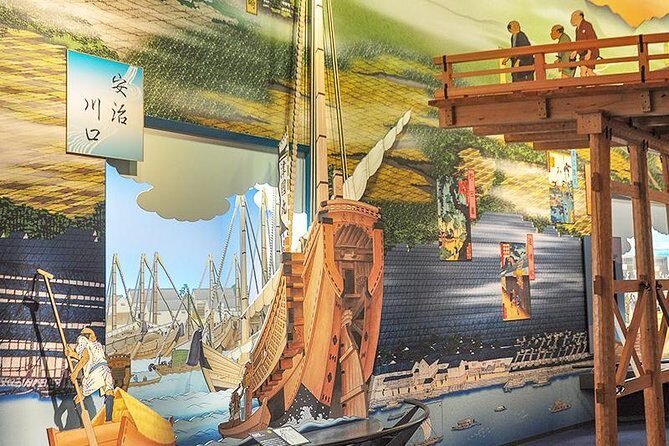
After the shrine, the tour includes MIRAIZA Osaka-Jo for about 15 minutes. This is a facility that reopened in 2017, and it’s positioned right in the castle area zone—originally built in 1931 and once used as the Osaka City Museum.
What you’re using this stop for is partly practical and partly atmospheric. It gives you a reset between the more historic feel of the shrine/gate and the inside of the reconstructed castle exhibits. You can also use this time to check where you want to focus next and to manage your energy on a day that may be hot or busy.
The tour notes that it’s a spot with restaurants and shops, so if you want a quick snack or a last-minute purchase, this is likely where you’ll do it. Even if you don’t plan to buy anything, it’s helpful to break up the walk.





Inside Osaka Castle: Museum Exhibits and Reconstructed Details
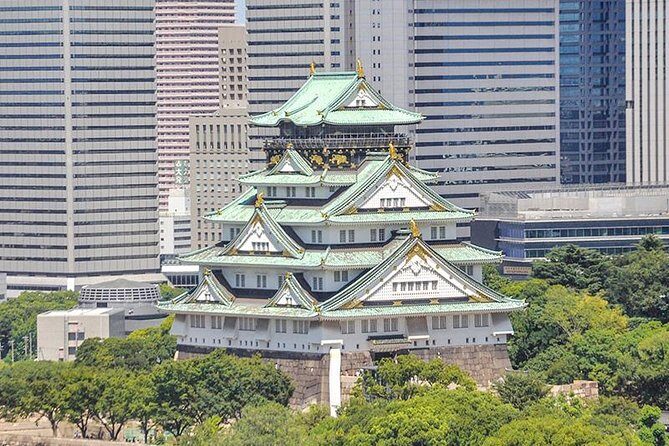
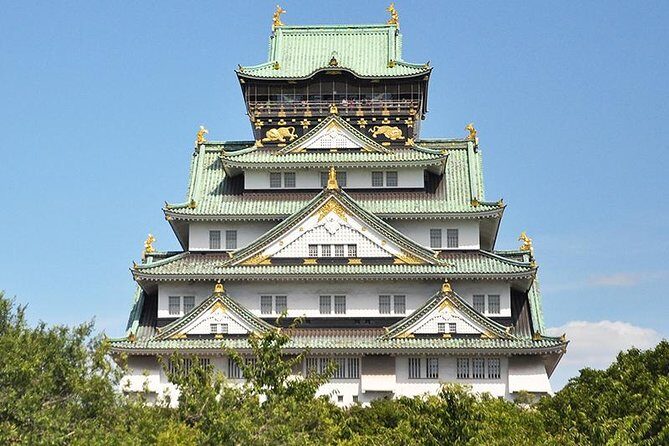
Your final and main attraction is time at Osaka Castle for about 1 hour 10 minutes. The key setup here is that there are exhibits in the reconstructed castle, plus specific reconstructions that help you picture earlier ceremonial life. One highlight mentioned is a reproduced golden traditional tea ceremony room.
If you care about design and symbolism, this is where the tour can pay off. A guide can help you spot which rooms/exhibits are worth your time, and which viewpoints are best for photos without wasting effort.
You’ll also get reminders about timing and how to move efficiently. Since the museum entry inside the castle is listed as free for tour participants in the tour outline, your main cost planning is the Osaka Museum of History admission beforehand. Still, always keep an eye on what payment methods are accepted on-site.
One practical tip: aim to prioritize the areas your guide flags first, then you can slow down. It’s easy to wander around the castle grounds without realizing you’ve missed the exhibits that add the most context.
Guide Power: Better Stories and Smoother On-the-Ground Decisions

The private guide is the real value driver in this experience. One of the clearest themes from guide-led experiences here is strong communication and strong story flow—people call out guides like Fuji, Masa, Ito-san, Kate, and Michi for being helpful, passionate, and quick to assist with on-site needs.
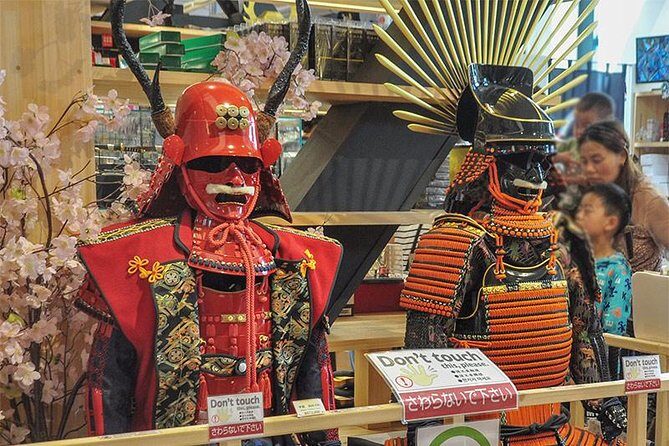
That matters because Osaka Castle isn’t just “big and scenic.” The tour is built around explaining connections: samurai-era life, how Hideyoshi links to the castle’s significance, and what you’re seeing at Ōte-mon and nearby shrines.
In practical terms, a good guide can also save you from small headaches:
- Pointing you toward the best view spots without guesswork
- Helping you figure out what to do first so you don’t lose your best museum time
- Giving transfer guidance after the tour ends, which is especially useful when you finish at Temmabashi Station rather than returning to the start
There’s also a downside to note. Some people report difficulty with meeting up when signage is unclear, and English comprehension can vary by guide. Your best move is to arrive early enough to find the correct person at the Osaka Museum of History meet point and start on time.
Price and Value: Is $83.56 Worth It?

At $83.56 per person, this is priced for travelers who want a private guide and a structured route rather than DIY. A big part of the value is that you’re paying for direction, explanation, and smoother navigation—especially around the museum and castle time.
What you should budget for is the separate admission for the first stop. The tour lists ¥1,000 per person for the Osaka Museum of History. Other admissions at the listed stops are shown as free in the tour outline, including the gate, shrine, Miraiza, and the castle portion.
So your likely “out-of-pocket” planning is mostly that ¥1,000 museum ticket, plus anything you choose to buy at MIRAIZA (shops/restaurants) or any additional costs tied to your own movement around Osaka.
If you travel in a group where a private guide feels affordable, this becomes an even better deal. Also, with average booking about 55 days in advance, it’s popular enough that planning ahead can help you lock in the time you want.
Timing, Weather, and Mobile Ticket: Small Things That Change the Day
This tour runs about 4 hours, and the itinerary includes short stops (Ōte-mon and Hokoku Shrine) plus two longer segments (the museum first, and the castle itself). That means delays at the start can shrink your time at the most important parts.
Bad weather can also affect how the route works. The tour information notes that routes and destinations may change if conditions are poor. You’ll still keep the castle-centered goal, but expect the day to adapt.
Bring a practical mindset: wear comfortable clothing for walking, and plan your cash. Some stops may not accept credit cards, so having cash helps you avoid awkward moments—especially if you need to pay for the Osaka Museum of History admission.
The tour also uses a mobile ticket, which is helpful for reducing ticket hassle. Still, tickets don’t matter if you miss the meeting time, so give yourself extra buffer to reach the meet-up location.
Who Should Book This Tour (and Who Might Skip a Guide)
This tour fits best if you want Osaka Castle to feel like a real chapter in Japan’s history. If you’re a first-time visitor, or you want the “why” behind the gates, shrines, and reconstructed rooms, a private guide is the easiest way to get that without reading a stack of books on your phone.
You’ll also like it if you dislike logistics. The guide handles the flow, points out the must-visit spots, and can help with practical issues like where and how to handle tickets and timing.
If you’re a confident self-guided traveler who enjoys wandering without structure, you might not need a guide. But if you’d rather spend your energy looking at details than figuring out which details matter, this is the kind of guided day that pays off.
Should You Book Osaka Castle with a Private Guide?
I’d book it if your priority is Osaka Castle with context, not just a quick photo stop. The combination of the Osaka Museum of History, Ōte-mon Gate, Hokoku Shrine, and focused castle time is a strong route for turning one famous landmark into a memorable story.
I’d also book it if you want better on-the-ground help. Guides tied to this tour style are repeatedly described as helpful, communicative, and flexible—people specifically mention support with where to buy tickets and how to see the museum in the best way possible.
Just make sure you’re ready for the small planning items: add ¥1,000 for the museum admission, bring cash for places that may not take cards, and arrive early enough to find the guide at the Osaka Museum of History start. If you can handle that, this private castle tour is a high-value way to experience Osaka’s symbol with less stress and more meaning.
FAQ
How long is the Osaka Castle private tour?
The tour runs for about 4 hours.
Where does the tour start and where does it end?
It starts at Osaka Museum of History (4-chōme-1-32 Ōtemae, Chuo Ward, Osaka) and ends at Temmabashi Station (1 Chome-2 Tanimachi, Chuo Ward, Osaka).
Is the Osaka Museum of History admission included?
No. The Osaka Museum of History ticket is listed as ¥1,000 per person and is not included.
Are there other admission fees during the tour?
The tour indicates admission fees are free for the listed stops other than the Osaka Museum of History. However, any costs incurred at visited spots are borne by the customer.
Does the tour include a guide?
Yes. You get a private tour with a tour guide, and the guide’s necessary expenses are included.
Do I need cash?
Yes, bring cash. Some of the spots visited do not accept credit cards.
Do I get a mobile ticket?
Yes. The tour features a mobile ticket.
What should I wear?
Wear comfortable clothing, since the tour involves a lot of walking.
What if the weather is bad or a spot closes?
If weather is bad, transportation, destinations, and routes may change. If spots temporarily close, the tour may use alternative stops.