REVIEW · TOKYO
Tokyo: Shibuya Food Tour (13 dishes and 4 Eateries)
Book on GetYourGuide →Operated by Traveling Tokyo · Bookable on GetYourGuide
Shibuya smells like dinner. This 3-hour food tour packs 13 dishes across 4 eateries, mixing real local places with the famous Shibuya Scramble Crossing photo stop. I especially like the variety (izakaya, street food stall, traditional eatery, then dessert) and the way guides explain what you’re eating and how to eat it. One thing to consider: it’s a set tasting format, so if you’re a very big eater, you may want a follow-up bite after the tour.
You’ll start at a clear meeting point—7-Eleven in front of Tokyu Plaza in Shibuya—then head into the core Shibuya areas like Center Gai and Dogenzaka for back-to-back food stops. I also like that you get 2 drinks included, with both alcoholic and non-alcoholic options. The main drawback is simple: this is Shibuya at peak energy, so it can feel crowded and fast-paced.
At $77 per person, I see this as solid value for an English guided walk that delivers guided tastings plus sightseeing in one block of time. If you have strict allergies or dietary limits, you should check ahead, since the tour includes set dishes at specific stops. If you’re coming to Tokyo for the first time or want an easy win in Shibuya, this is a very practical way to get your bearings fast.
In This Review
- Key things that make this Shibuya tour worth your time
- Why a Shibuya food walk works better than wandering alone
- Price and value: what $77 buys you in real terms
- Meeting point at Tokyu Plaza: how to start without stress
- The Shibuya City dinner hour: the tour’s first taste of local rhythm
- Center Gai: second dinner hour and the sweet spot for variety
- Shibuya Scramble Crossing photo stop: short, controlled, and not a trap
- Dogenzaka dinner finale: closing strong in the right neighborhood
- Drinks included: how the meal pacing feels smoother
- Guides matter: names you’ll hear in the best version of this tour
- Who this tour suits best (and who should think twice)
- Should you book this Shibuya Food Tour?
- FAQ
- How long is the Tokyo Shibuya Food Tour?
- How many dishes and eateries are included?
- Where do I meet the guide?
- What food is included in the tour?
- Are drinks included?
- Is the guide English-speaking?
- Will we visit the Shibuya Scramble Crossing?
- Is the tour wheelchair accessible?
- What is the price per person?
- Can I get a full refund if I cancel?
- FAQ
- Can I book now and pay later?
Key things that make this Shibuya tour worth your time
- 13 dishes, 4 eateries, no guesswork: You’re guided from stop to stop, so you don’t waste time hunting for the right place.
- Guides who turn eating into a lesson: People single out guides like Hoshi for sharing cultural info and even how to eat foods and garnishes.
- A mix of styles in one night: You’ll try items that range from yakitori-style bites to sushi and a dessert stop.
- Scramble Crossing without making it the whole show: You get a short photo moment and keep moving, instead of staring at a clock.
- Extra Tokyo tips from the guide: Several guests mention itinerary help like where to shop and where to eat next.
Why a Shibuya food walk works better than wandering alone
Shibuya is fun, but it’s also overwhelming. The streets are busy and the options feel endless, which makes it easy to pick something that’s convenient instead of something that’s right for you. This tour solves that by turning the area into a guided route with tastings planned along the way.
I like the balance here: you get both atmosphere and food. You’re not stuck in one restaurant for the whole time, and you’re not walking past food shops without tasting anything. The format is basically: eat, walk, learn, repeat.
And the pacing matters. The tour lasts about 3 hours, so it’s long enough to feel like a real experience, but short enough that you’re not fried by the end. You also get a set finish back in Shibuya, so you’re not stranded far away from transit.
You can also read our reviews of more food & drink experiences in Tokyo
Price and value: what $77 buys you in real terms
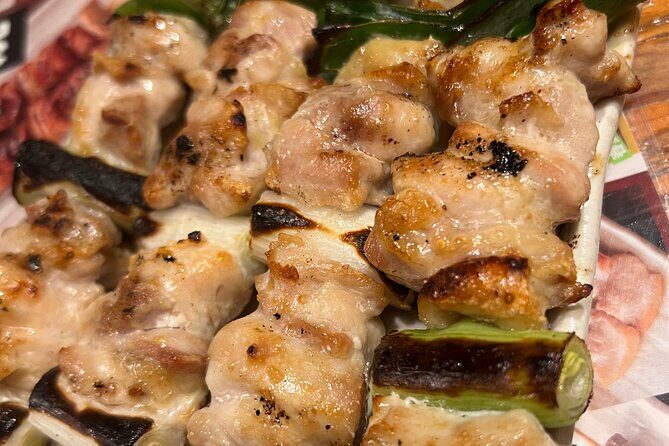
At $77 for a 3-hour tour, you’re paying for more than plates. You’re paying for an English-speaking guide, planned access to multiple eateries, and food that totals 13 dishes across 4 places.
When you translate it into “how much food time am I buying,” the value starts making sense. A tasting route like this means you don’t have to research which izakaya-style stop is best for visitors, which street stall won’t be a bust, or where to end with dessert. Someone else does the hard part: picking the stops and keeping the flow smooth.
You also get 2 drinks included, with both alcoholic and non-alcoholic options. That’s not a small add-on in Tokyo, where drinks can quietly add up. For many people, those included drinks take the edge off the cost.
One more quiet value point: the guide’s help with your overall plan. Multiple guests mention advice on where to shop and eat after the tour, and that can save you time and money during the rest of your trip.
Meeting point at Tokyu Plaza: how to start without stress
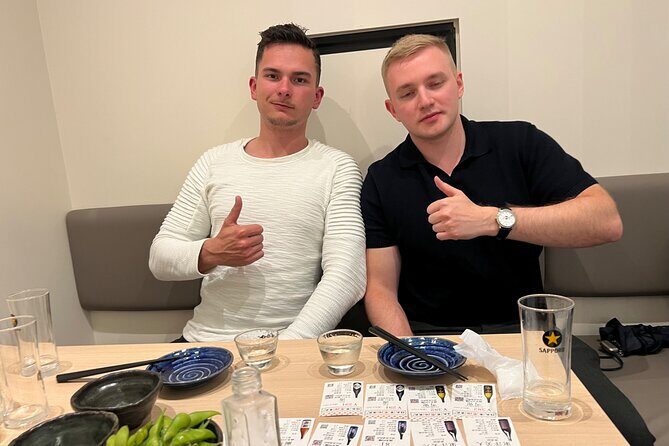
Your meeting point is simple: go to the 7-Eleven in front of Tokyu Plaza in Shibuya. This is the kind of detail that makes a tour smoother, especially in Shibuya where it’s easy to walk in circles if you’re off by a block.
The itinerary also lists a starting location near Kusumoto Bld. That usually means the group gathers at Tokyu Plaza and then meets up with the route right after. Either way, the key move is the same: show up at the listed start area and you’ll be in good shape from the start.
If you’re meeting the group while you’re still adjusting to Tokyo time, arrive a little early. Not because you’ll need to kill time, but because Shibuya crowds can make it harder than it should be to find your exact point.
The Shibuya City dinner hour: the tour’s first taste of local rhythm
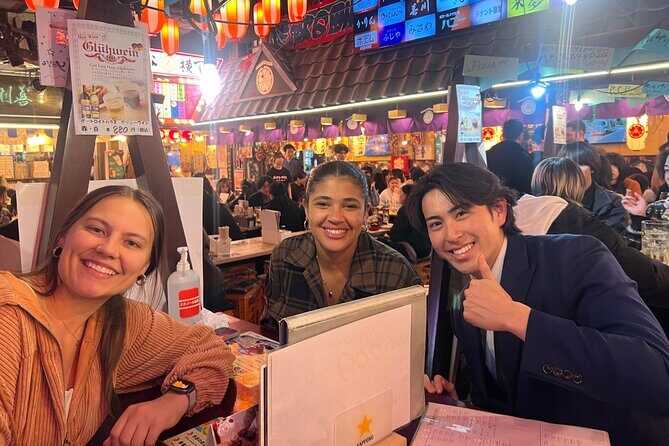
The first dinner segment runs about 1 hour in the Shibuya City area. This is where the tour sets expectations: you’re introduced to the style of food and the way the guide wants you to experience each item.
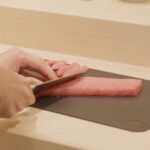
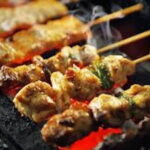
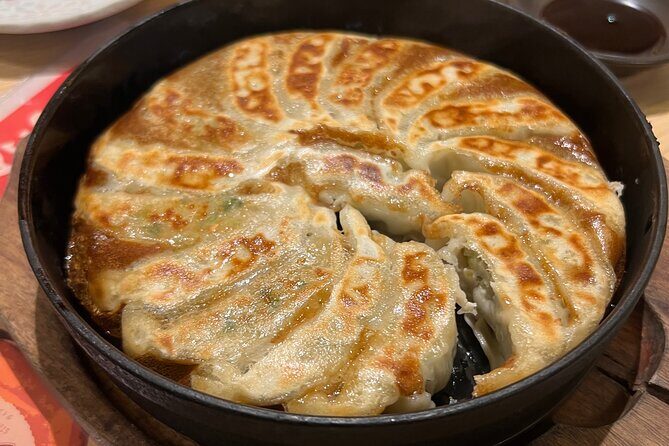
Expect a mix that fits the tour’s theme—Japanese culinary traditions plus hands-on eating at a local place. The tour description specifically points to items like yakitori and sushi, and guest feedback highlights tuna-focused dishes as a favorite. If smoked tuna is on the route for your group, it’s clearly the kind of flavor that sticks with people.
This first stop is also about confidence. Once you’ve seen how the guide orders, how meals arrive, and how the group handles the pace, the rest of the night feels easier. It’s a lot less intimidating than trying to guess your way through Shibuya’s food scene on your own.
Practical note: dinner hour can mean a bit of standing and waiting between bites. That’s normal for popular small places, and it’s part of the authentic rhythm. Bring a patient mindset, and you’ll enjoy the ride more.
Center Gai: second dinner hour and the sweet spot for variety
The next stretch is another 1 hour in Center Gai, another area described as where tradition meets modern flair. This second dinner segment is where the tour usually leans into variety—more types of dishes, different textures, and a deeper slice of Japanese eating culture.
The tour format is designed around not repeating the same “type” of food twice. You’re meant to move from one style to another—like from grilled or savory bites toward seafood or other prepared items, and then toward dessert later in the route.
What I like about spending time in both Shibuya City and Center Gai is that it keeps the night from feeling like one long restaurant crawl. You get small shifts in scenery and energy between courses, which makes it easier to stay engaged.
One caution: Center Gai can be crowded, especially as the evening builds. If you’re sensitive to noise or close spaces, this segment might feel intense. Still, that’s part of why it works as an authentic Shibuya experience.
A few more Tokyo tours and experiences worth a look

Shibuya Scramble Crossing photo stop: short, controlled, and not a trap
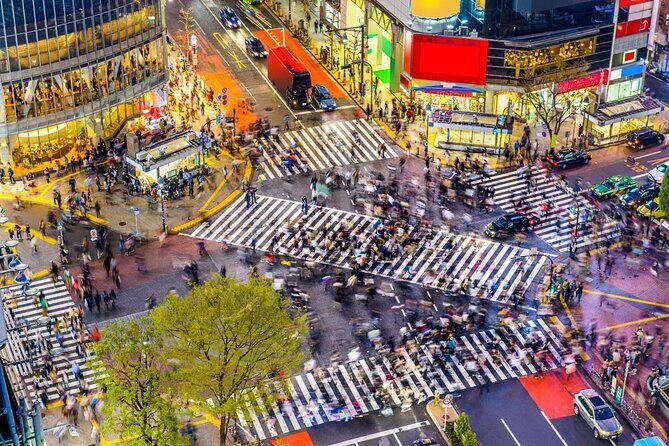
The route includes a 10-minute guided photo stop at the Shibuya Scramble Crossing. This is a smart compromise. You get the iconic moment, but you’re not stuck waiting around so long that you lose momentum for the food later.
Ten minutes is also a good time window for photos if you’re not trying to become a professional photographer. The crossing itself is chaotic in the best way, and many people remember it as a highlight even if they only spend a brief moment there.
What makes this portion valuable is timing. You’re already warmed up from dinner tastings, so the crossing stop acts like a reset button. Then you head to the next eating segment (Dogenzaka) without the night getting derailed.
If you’re filming or taking lots of photos, watch your footing and keep an eye on your group. Crowds can move unpredictably, and the tour keeps moving even if you’re still composing your shot.
Dogenzaka dinner finale: closing strong in the right neighborhood
The final dinner segment is about 50 minutes in Dogenzaka. This is the portion that feels like the finale of the whole tasting experience, and it’s where you wrap up with your last savory bites before dessert.
Dogenzaka is specifically named in the tour info, and it’s described as a place where tradition and modern flair show up side by side. That description fits the overall feel of Shibuya at night: modern crowds, older food habits, and a lot of neon energy.
This last food stretch matters because you want the “final impressions” to be strong. The tour includes a dessert stop as part of the included food, and one guest notes the dessert wasn’t for them personally. That’s a good reminder: dessert preferences are subjective, and even a great tour can’t guarantee your exact sweet style.
Still, the overall food experience seems to land well. Guests repeatedly mention multiple dishes they loved, and one of the most praised details is that guides explain how foods are typically eaten or garnished. That kind of coaching can turn a normal bite into a memorable one, especially for visitors.
Drinks included: how the meal pacing feels smoother
You’ll get 2 drinks included, and the tour offers both alcoholic and non-alcoholic options. That matters because it helps you keep your energy up through the whole route, especially if you’re combining food with lots of walking.
The drinking portion also supports a common tour goal: keeping the group comfortable. Several guests mention a relaxed, friendly atmosphere, and having drinks built into the timing can help reduce that awkward “what now?” feeling between stops.
Even if you skip alcohol, the non-alcoholic option keeps things balanced. The goal is to enjoy the meal flow without turning it into a separate planning task.
Guides matter: names you’ll hear in the best version of this tour
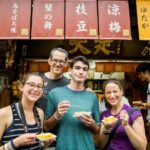
One of the biggest drivers of a great food tour is the guide. Here, the guide experience comes up again and again in the feedback, with multiple guides earning strong praise for being entertaining and helpful.
Hoshi stands out for humor and for explaining dishes in a way that makes Japanese food feel less mysterious. Kei is praised for a selection that people wouldn’t naturally choose alone. Nicolas (spelled this way in the feedback) gets credit for guiding the group well and for detailed area info, too.
Then there’s the “how it tastes” factor. Guests mention smoked tuna as a standout, and that shows the guide is paying attention to more than just convenience. They’re selecting flavors that travel well for visitors and that create a true highlight moment.
If you have the chance to request a guide, it’s worth it. People mention guide names like Hoshi, Kei, Nicolas, Will, Rio, Naruto, Nicola, Doren, Osato, Matt, and Taiga among others. Even without a guarantee, that pattern tells me this operator tends to staff guides who can handle both food and people.
Who this tour suits best (and who should think twice)
This is a great fit if you want a first taste of Tokyo food culture without spending your whole trip researching places. It’s also excellent if you’re traveling solo and want a safe, social structure; multiple guests mention feeling safe and happy in the group.
It also suits food lovers who want variety over repetition. The 13-dish format means you’re not stuck with one type of cuisine all night. You can sample grilled bites, sushi-style options, and dessert, all in one route.
Who should think twice? If you have very strict dietary needs, the provided info doesn’t mention customization, so you’d want to confirm options before booking. Also, if you’re not comfortable in crowds, keep expectations realistic: Shibuya crossing and central streets can feel intense.
Should you book this Shibuya Food Tour?
Book it if you want a structured way to eat in Shibuya, get 13 dishes without guesswork, and still enjoy a quick dose of the Scramble Crossing scene. It’s a strong value play for $77 when you factor in the guide, multiple eateries, and 2 drinks.
Skip it (or ask lots of questions first) if you need special dietary accommodations or if walking in busy areas is a deal-breaker. Otherwise, this is exactly the kind of night that helps Tokyo feel less confusing and more like yours.
FAQ
How long is the Tokyo Shibuya Food Tour?
It lasts about 3 hours.
How many dishes and eateries are included?
You’ll try 13 dishes across 4 eateries.
Where do I meet the guide?
Meet your guide in front of 7-Eleven at Tokyu Plaza in Shibuya.
What food is included in the tour?
Food is included at 1 izakaya, 1 street food stall, 1 traditional eatery, and dessert.
Are drinks included?
Yes. You get 2 drinks, with alcoholic and non-alcoholic options.
Is the guide English-speaking?
Yes, the tour is guided in English.
Will we visit the Shibuya Scramble Crossing?
Yes. There’s a photo stop at Shibuya Crossing.
Is the tour wheelchair accessible?
Yes, it is wheelchair accessible.
What is the price per person?
The price is $77 per person.
Can I get a full refund if I cancel?
Yes. You can cancel up to 24 hours in advance for a full refund.
FAQ
Can I book now and pay later?
Yes. The tour offers reserve now & pay later to keep your plans flexible.