REVIEW · KYOTO
Kyoto: Tea Ceremony Experience in a Small Tea Room
Book on GetYourGuide →Operated by Travel Japan Together · Bookable on GetYourGuide
One calm hour can change your whole Kyoto day. This small-room tea ceremony near the Kamogawa Delta is gentle, hands-on, and built for real beginners, not just tea nerds. You’ll learn the steps behind matcha, with English guidance from a teacher with 30 years of experience, plus traditional dried sweets.
Two things I especially like: first, the pace. Everything is explained clearly and patiently, including how to whisk powdered tea and why the movements matter. Second, the setting. The ceremony is a short walk from the Kamogawa Delta, so you can feel the quiet of that riverside area before and after your tea.
One thing to consider: it’s only one hour, and it centers on tea preparation and tasting. If you’re in “I just want temples, no lessons” mode, you might want to pair it with sightseeing and keep expectations focused on the tea experience.
In This Review
- Key highlights to look forward to
- Kyoto tea in a tiny room: why it feels different
- Finding the Tisato house near Kamogawa Delta
- The 1-hour flow: what actually happens during the ceremony
- Matcha preparation: learning the steps without stress
- Dried sweets and tasting: the part people forget to plan for
- Quality and value: is $38 worth it?
- Pairing it with Demachiyanagi, Kibune Shrine, and Rurikou Temple
- What kind of traveler should book this?
- FAQ
- How long is the tea ceremony experience?
- Is the instructor available in English?
- How many people are in the group?
- What’s included in the price?
- Where do I meet the group?
- Can I get a refund if my plans change?
- Should you book this Kyoto tea ceremony experience?
Key highlights to look forward to
- 30 years of tea expertise, taught in a friendly, beginner-ready way
- Small group (up to 6) for calmer attention and more hands-on time
- Hands-on matcha prep, including whisking powdered tea with guidance
- Serene location near the Kamogawa Delta for a slower Kyoto moment
- Traditional dried sweets served alongside your tea
- Optional participation: you can make your own tea if you wish
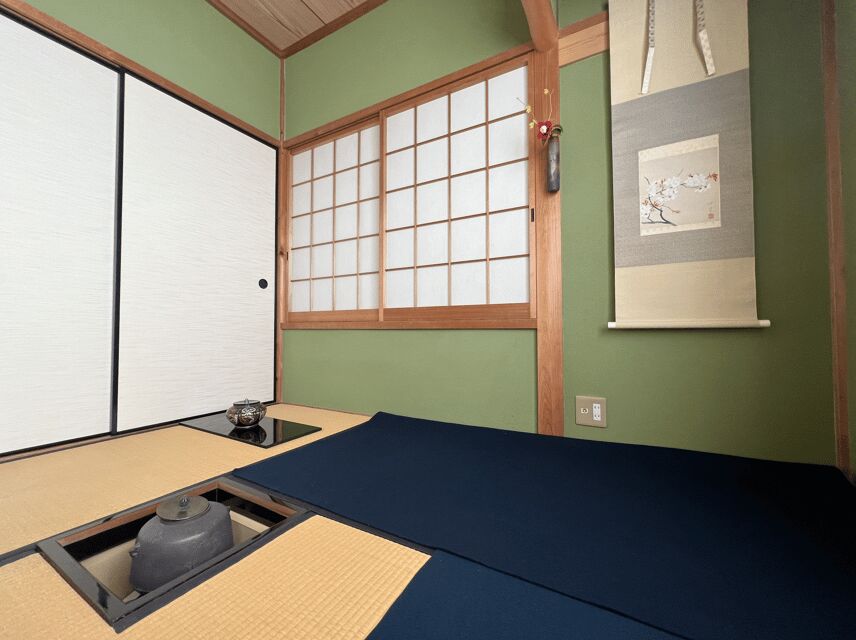
Kyoto tea in a tiny room: why it feels different
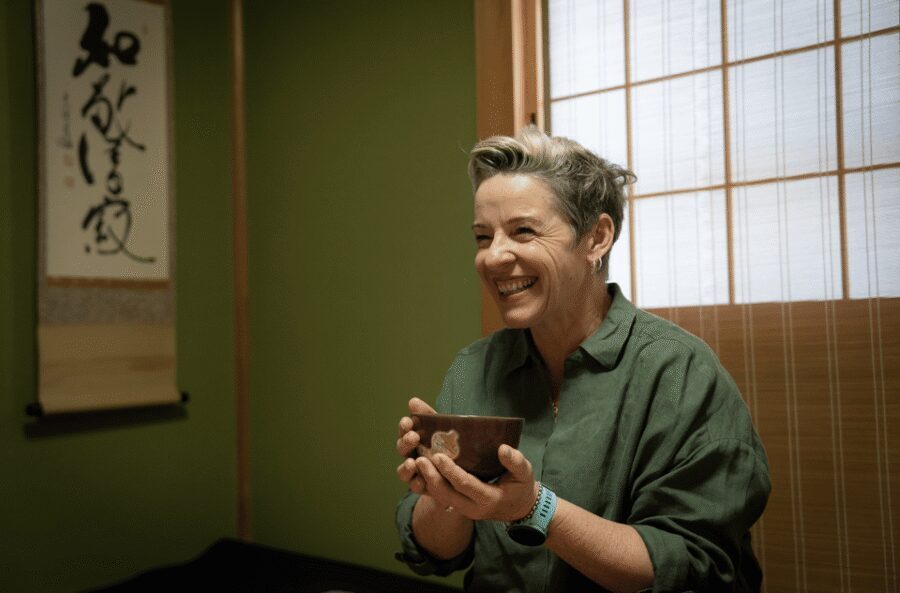
Kyoto can be intense. Crowds, lines, schedules. This experience offers an off-ramp. It’s designed to slow you down without making you feel lost. You’re not dropped into complicated ritual jargon. Instead, you learn what you need, step-by-step, with a teacher who’s been doing this for decades.
I love how approachable it is. The goal is to lower the barrier that makes tea ceremonies feel intimidating. If you’ve never done one, you’re still welcome. If you’ve tried tea before, you’ll still likely pick up details you didn’t know you needed.
And the small-room feel matters. With a group limited to 6, you get space to listen, try, and ask questions. It’s much easier to keep your focus when the room isn’t packed.
The other big draw is the setting. You’re not far from the Kamogawa Delta—one of those Kyoto riverside scenes where you can hear everyday life instead of tour-group volume. Walking there on a calm morning or evening makes the tea part feel even more real.
You can also read our reviews of more tours and experiences in Kyoto.


Finding the Tisato house near Kamogawa Delta
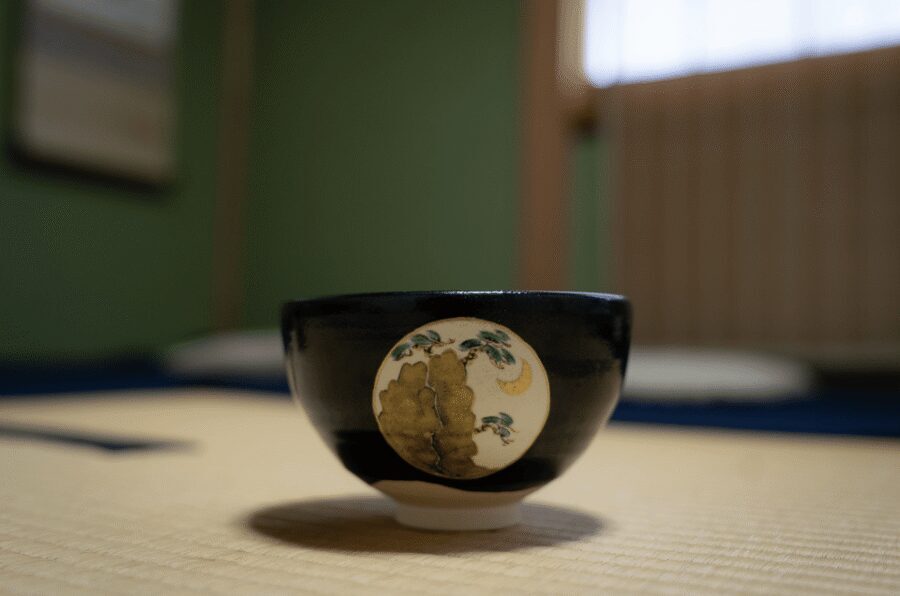
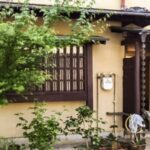
Getting there is straightforward, and that’s a big deal in Kyoto where addresses can be confusing. Meet at a Japanese house, and look for the sign that says Tisato so you can enter.
You’re also in a very workable pocket of the city:
- about a 15-minute walk from Kamogawa Delta
- about a 15-minute walk from Demachiyanagi Station
That means you can build the rest of your day around it. You don’t need to treat the tea ceremony as a detour. It can be the anchor before you head into the more active parts of your itinerary.
Practical tip: give yourself a few extra minutes for the walk. Riverside paths and side streets can look similar at first. Once you spot the Tisato sign, the rest is easy.
The 1-hour flow: what actually happens during the ceremony
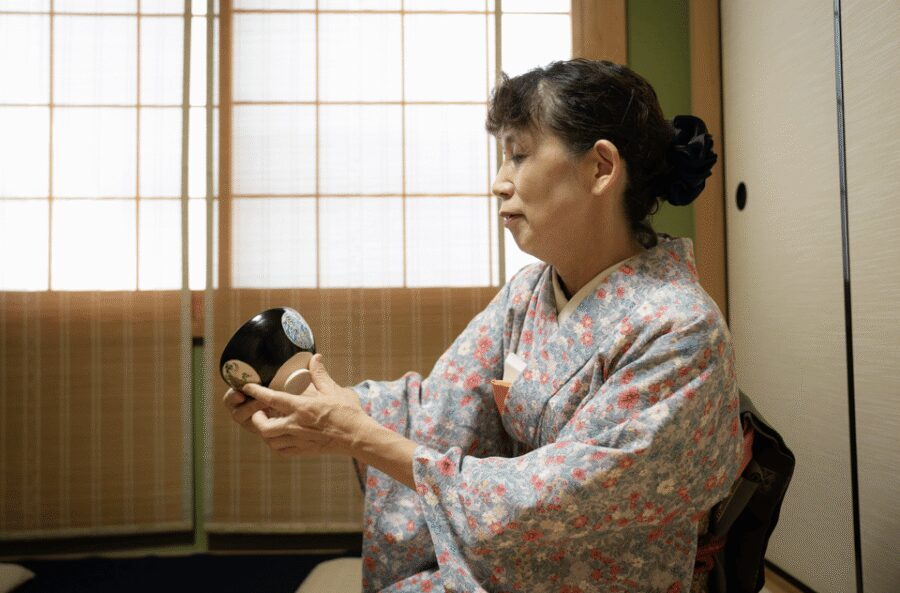
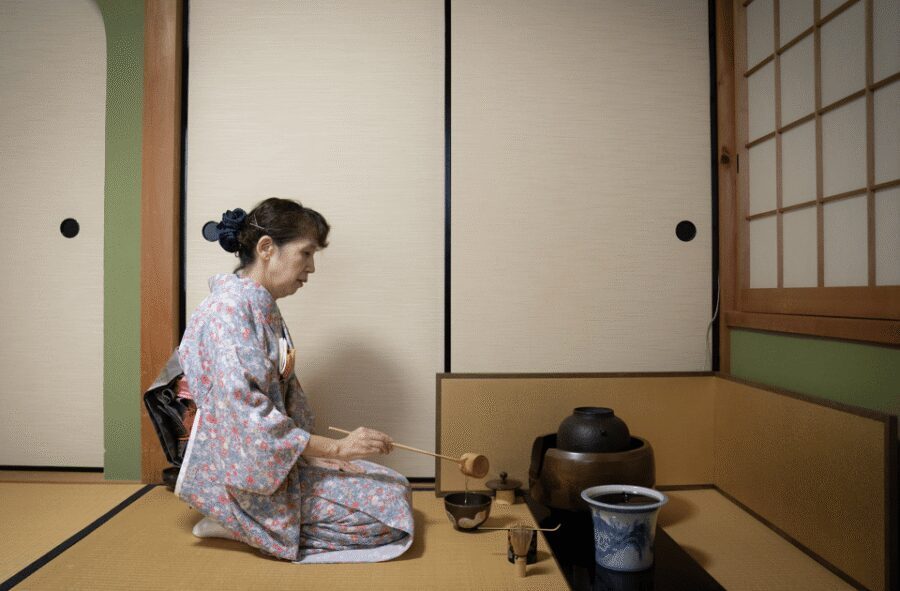
The duration is one hour, and it’s structured enough that you’ll feel settled from the start. You’ll receive clear instruction from your English-speaking instructor, and the session is designed so you can follow along even if this is your first Kyoto tea ceremony.
Here’s the basic rhythm you can expect:
- You’re welcomed and guided through the fundamentals of the tradition.
- You’ll learn about matcha preparation, including how to handle the powdered tea and whisk it.
- You’ll be encouraged to participate if you want to make your own tea.
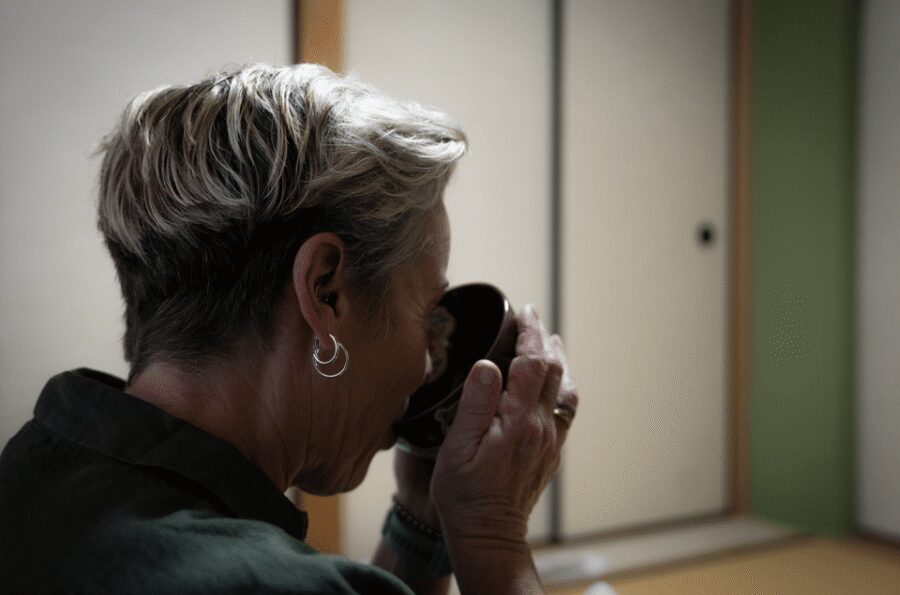
- You’ll finish with tasting, along with traditional dried sweets.
One thing I like about this format is that it’s not a performance where you sit back the whole time. The session gives you an actual role. Even if you choose not to make your own tea, you’re still learning what’s going on and what to notice when you drink it.
Because it’s a small group, the teacher can adjust. You’ll hear explanations at the right pace, instead of feeling like you’re catching up in a classroom sprint.
Matcha preparation: learning the steps without stress
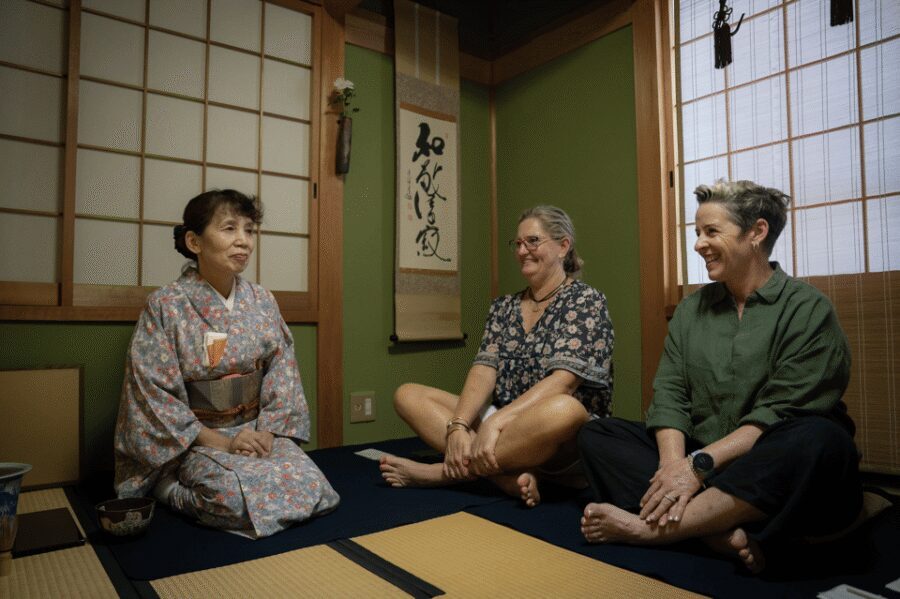
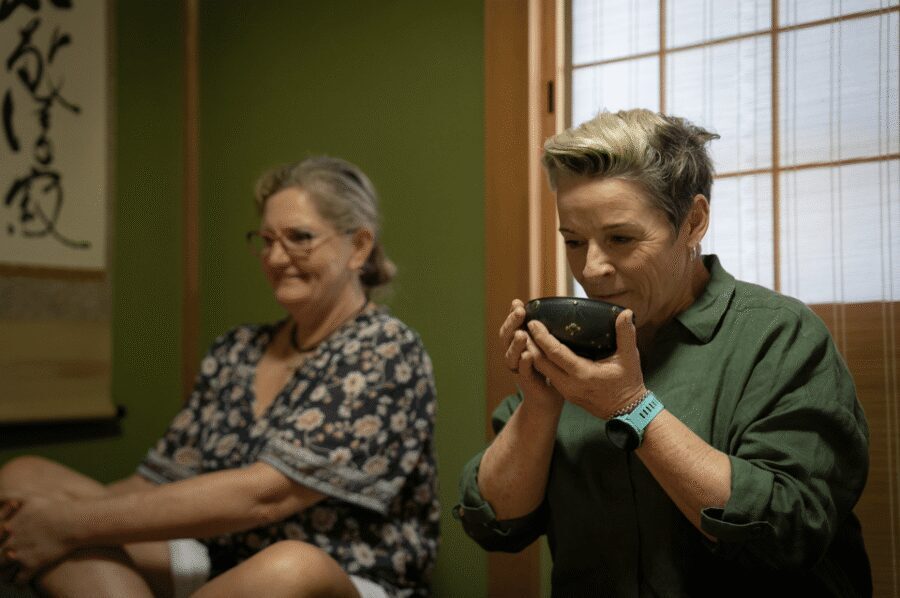
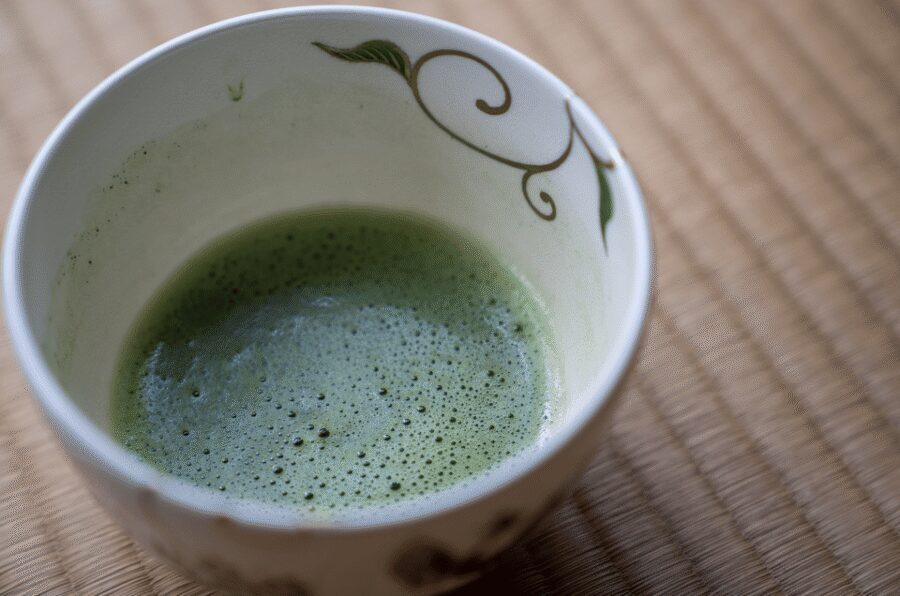
The hands-on part is the heart of the experience. Your instructor guides you through the process of making matcha, including whisking powdered tea. You also learn the idea behind the precise movements—how it connects to mindfulness and the harmony at the center of the tea tradition.
This is where the 30 years of experience shows. A long career matters because the teacher isn’t just repeating steps; they’re translating them. They know the common points where beginners get stuck. That patient instruction is a recurring theme in how people describe the host, including praise for her calm explanations and gentle guidance.
What you should take away as a value lesson: tea ceremonies aren’t only about tradition for its own sake. They’re also a skill—attention, timing, and technique. Even in one hour, you’ll get a usable sense of how matcha becomes what it is in the cup.
And if you’re thinking, I’m not sure I’ll do it right: good. You don’t need perfection. The session is explicitly designed to be welcoming, and the point is to learn and participate at your comfort level.
Dried sweets and tasting: the part people forget to plan for
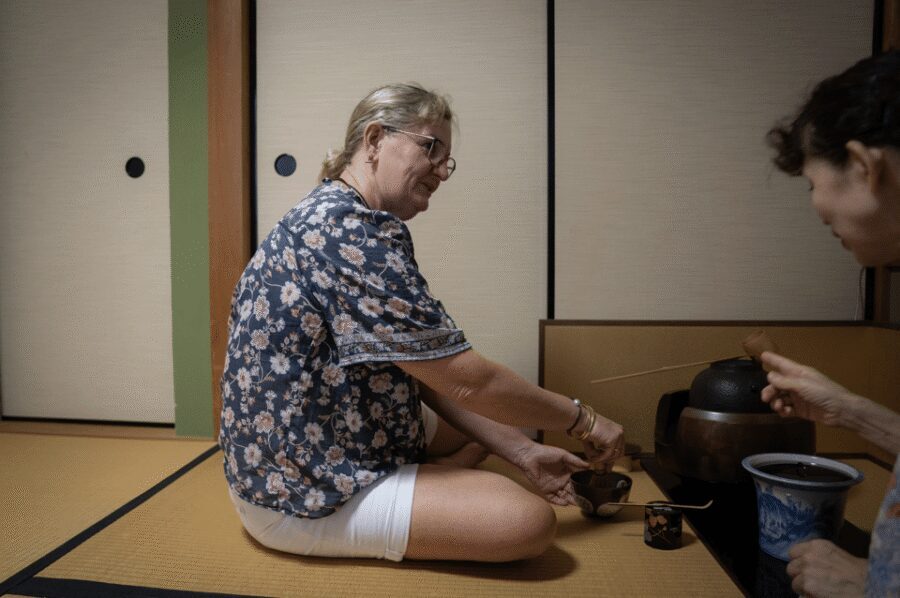
A tea ceremony isn’t just about the matcha. You also get traditional dried sweets as part of the included experience. That pairing matters more than it sounds. The sweetness and texture give you something to notice alongside the tea, and it helps turn the session into a full sensory moment rather than a single drink.
In a group setting, tasting can also be a reset. It pulls you out of scrolling mode. You slow down enough to actually notice taste and aroma. People tend to leave remembering how calming the whole hour felt, not just the “cool activity” factor.
My practical advice: treat it like a mini meal. Plan your timing so you’re not starving, and don’t schedule a heavy dinner immediately after. If you do eat right beforehand, you’ll still enjoy it, but the sweets and tea are meant to land while you’re relaxed and present.

Quality and value: is $38 worth it?
At $38 per person for a one-hour session, the value comes from three concrete things you’re getting, not just the romance of tea:
- A seasoned instructor with 30 years of experience guiding you directly in English
- Small-group time (limited to 6), which usually means better attention and less waiting
- Included tea and sweets, plus instruction tied to matcha preparation
If you’ve seen bigger, more crowded experiences in major cities, you know the downside. You often pay for “something you watch,” not something you learn. Here, your participation potential is part of the product: you can make your own tea if you wish, and you’ll learn the steps rather than just observe.
Is it cheaper than buying matcha and doing it at home? Sure, but home doesn’t come with a teacher who can correct your technique and explain what to pay attention to. For me, that’s the reason it feels worth it: the lesson quality is the main ingredient.
Also, the location is convenient. The walk from Kamogawa Delta and Demachiyanagi Station helps you integrate this without wasting half a day on transit.
Pairing it with Demachiyanagi, Kibune Shrine, and Rurikou Temple
This is one of those experiences that fits naturally into a Kyoto route because of where it sits. You’re about a 15-minute walk from Demachiyanagi Station, which is a handy starting point for exploring Kibune Shrine and Rurikou Temple.
So here’s a smart way to plan your day:
- Do the tea ceremony first when you want calm, then move on when you want movement.
- Or reverse it: sightseeing earlier, then tea as your decompression window.
Either way, you’ll get a nice contrast. Kyoto has plenty of dramatic sights. A quiet hour with matcha gives you a different kind of memory—one you can carry back home as a technique and a feeling.
What kind of traveler should book this?
Book it if you want:
- a meaningful cultural activity that still feels relaxed
- hands-on learning with an English-speaking instructor
- a calmer Kyoto experience away from the busiest lanes
You’ll likely love it if you’re a first-timer. The whole session is built to be approachable. Even if you already know matcha basics, you may still appreciate the teacher’s guidance and the chance to slow down and learn the “why,” not only the “what.”
Skip it if your priority is maximum sightseeing per hour. This isn’t a temple crawl. It’s a tea lesson you should treat as the main event.
FAQ
How long is the tea ceremony experience?
It lasts 1 hour.
Is the instructor available in English?
Yes. The instructor speaks English.
How many people are in the group?
The group is small, limited to 6 participants.
What’s included in the price?
The experience includes the tea ceremony, instructions by the teacher, matcha tea, and traditional dried sweets.
Where do I meet the group?
Meet at a Japanese house. Look for the sign that says Tisato so you can enter.
Can I get a refund if my plans change?
Yes. You can cancel up to 24 hours in advance for a full refund.
Should you book this Kyoto tea ceremony experience?
Yes, if you want a calm, well-taught matcha experience in a small setting. For $38, you’re paying for direct instruction from a teacher with 30 years of experience, plus the comfort of a group size that won’t drown you in noise. The near-riverside location also helps you make this a real Kyoto pause, not just a stop on a list.
If you’re short on time or you don’t care about tea at all, then skip it and spend that hour elsewhere. But if you enjoy learning cultural skills and tasting something carefully made, this one is an easy yes.