REVIEW · TOKYO
Tokyo: Practicing Zen with a Japanese Tea Ceremony
Book on GetYourGuide →Operated by True Japan Tour · Bookable on GetYourGuide
A Zen tea room in the middle of Tokyo is a rare treat. I love the calm, deliberate pace, and matcha plus traditional sweets make it feel special, not scripted. You also learn how Zen Buddhism shows up in the art and small choices behind the ceremony, not just the drink itself.
The only real drawback to plan for is noise. The venue is set up for quiet focus, but if other activities are happening nearby, you might hear it.
For $63 and about 75 minutes, this is one of the more hands-on ways to experience Japanese culture around Tokyo Tower—and you get instructor guidance for a second ceremony you do yourself.
In This Review
- Key things to know before you go
- Tokyo Zen Tea Ceremony: what this $63, 75-minute class is really like
- Finding the Kikai Shinko Kaikan meeting point near Tokyo Tower
- What you’ll do in the first ceremony: matcha, sweets, and the Zen mindset
- Doing the ceremony yourself: guidance, utensils, and learning by repetition
- Who teaches it: English instruction and real tea-masters in small groups
- Price and value: why $63 feels fair for what’s included
- Comfort and rules: how to prepare for the room, the seating, and quiet focus
- Why Zen fits a tea ceremony: art, architecture, and attention you can feel
- Who should book this tea ceremony (and who might skip it)
- Quick practical tips so you get the most from the ceremony
- Should you book this Zen tea ceremony in Tokyo?
- FAQ
- FAQ
- Where is the meeting point for this Tokyo tea ceremony?
- What if I can’t find my instructor?
- How long does the experience take?
- What language is the instruction?
- How many people are in the group?
- Is there a second tea ceremony where I participate?
- What’s included in the price?
- What isn’t included?
- Is the venue wheelchair accessible?
- Are seats available if I don’t want to sit on the floor?
- Is the experience suitable for young children?
Key things to know before you go
- You watch first, then you do it: you’ll see matcha preparation, then perform a ceremony yourself with guidance
- Zen ideas are part of the lesson: you connect the practice to Zen Buddhism and how it fits into Japanese society
- You taste the pairing on purpose: traditional Japanese confection comes with your green tea
- The class is small: limited to 10 participants, so you can see and follow the movements
- Comfort options exist: seating is available for people who don’t want to sit on the floor
Tokyo Zen Tea Ceremony: what this $63, 75-minute class is really like
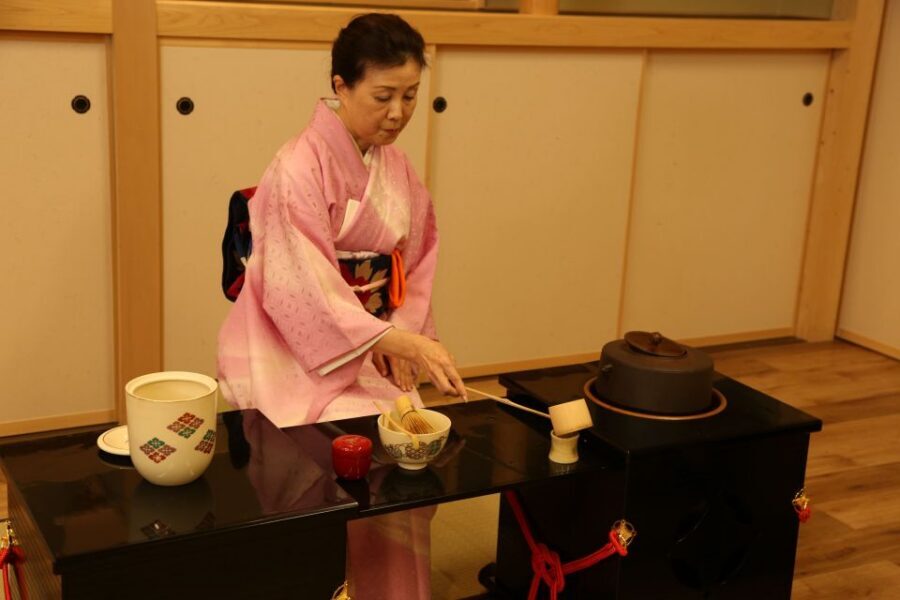
If you want Tokyo without rushing, this tea ceremony does a good job of slowing you down on purpose. You’re not just drinking matcha; you’re learning a ritual where small actions matter, and where the goal is peace of mind.
The experience is built around two parts: you’ll enjoy a ceremony first, then you’ll recreate it yourself. That structure changes everything. Watching a ceremony is beautiful, but doing it helps you understand why the movements feel the way they do.
At $63 per person for 75 minutes, the value is in the included practice and instruction. You don’t just get samples—you get guidance, utensils education, and a second ceremony performed by you.
You can also read our reviews of more tours and experiences in Tokyo.



Finding the Kikai Shinko Kaikan meeting point near Tokyo Tower
Meeting up is straightforward if you use the location cues. You meet your instructor at the main entrance of the Kikai Shinko Kaikan building on the 1st floor. The building is opposite Tokyo Tower, so you can orient yourself fast.
If you have trouble finding your instructor, go to True Japan Tour (Room #B109) on the B1 floor. This backup matters if you arrive a bit early and the first-floor entrance is busy.
Do yourself a favor and arrive with enough time to settle your focus before the ceremony begins. Tea rituals run on quiet attention, and the rules reflect that.
What you’ll do in the first ceremony: matcha, sweets, and the Zen mindset
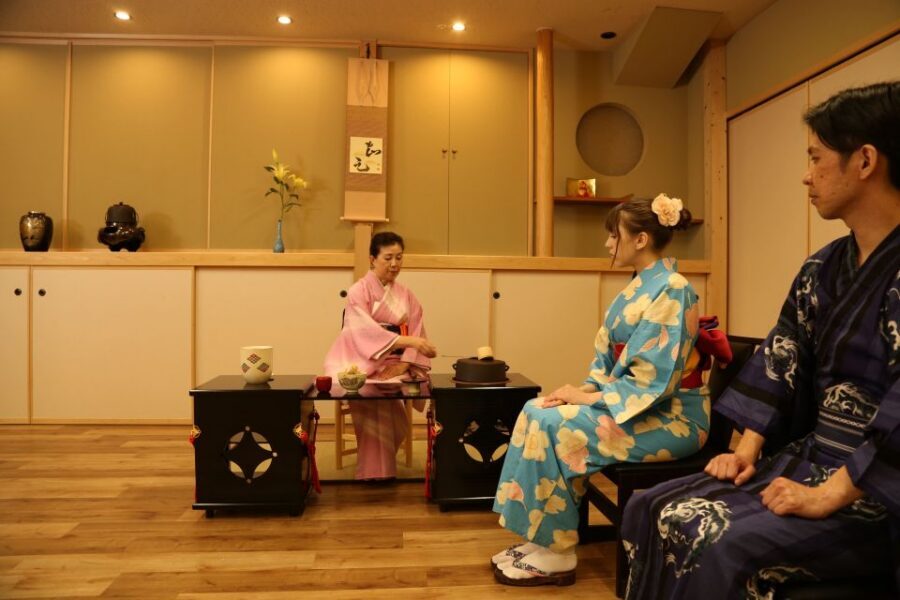
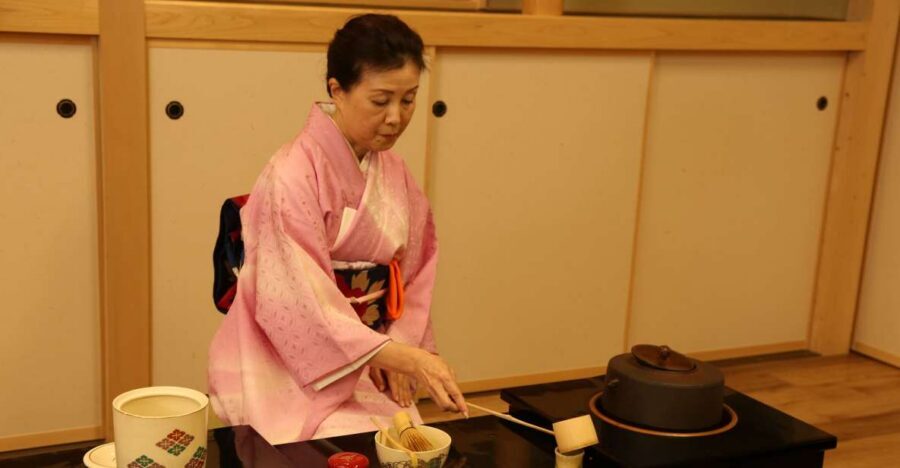
The class starts with an experience-focused ceremony, led in English. Your instructor prepares matcha green tea while demonstrating the movements and the utensils used in the ritual. You’re meant to watch closely, but the explanation is clear and tied to meaning.
You’ll also taste traditional Japanese sweets paired with your matcha. The pairing isn’t random. It’s part of how the ceremony balances flavor and attention, so you taste in a calm, intentional way rather than rushing through.
This is also where the Zen connection is taught. Expect to learn about the spirit of Zen expressed through Japanese art and architecture, and how Zen Buddhism influences the practice. You’re not forced into abstract philosophy; it’s connected back to what you’re seeing and doing in the room.
You’ll likely come away thinking: okay, this is why people describe the tea ceremony as a way to search for peace of mind.
Doing the ceremony yourself: guidance, utensils, and learning by repetition
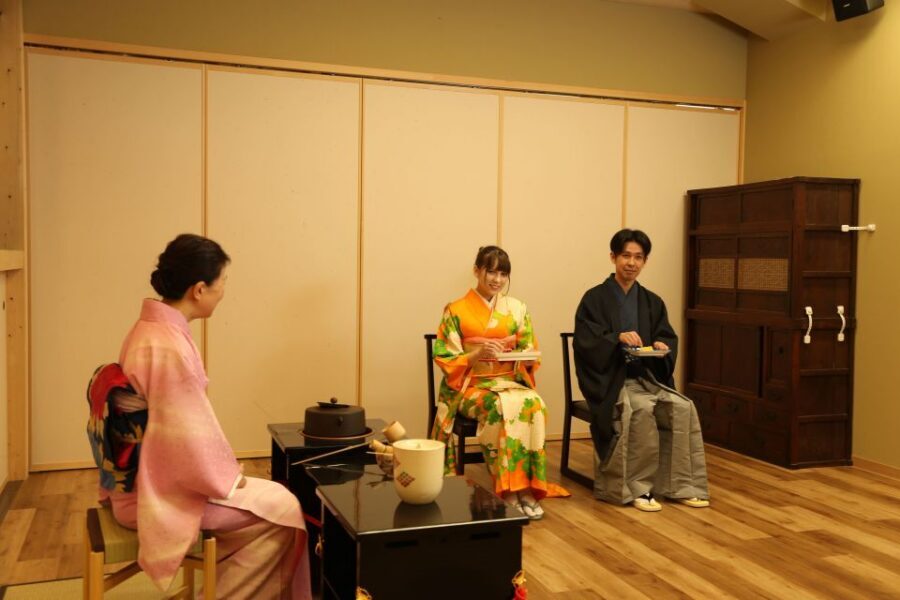
After the first ceremony, the experience shifts from observing to practicing. You’ll conduct a tea ceremony yourself, with expert guidance from your instructor throughout.
One of the most helpful parts is learning the utensils and what each part of the ceremony involves. Even if you only remember a few steps, having the proper names and roles makes the ritual feel real rather than mysterious.
The goal here isn’t perfection. It’s understanding the flow: what you do, why you do it, and how the movements connect to attention and restraint. That’s why the class is small—limited to 10 participants—so you can follow what’s happening and get corrected when needed.
If you want cultural learning that sticks, this hands-on second ceremony is the main reason to book.
Who teaches it: English instruction and real tea-masters in small groups
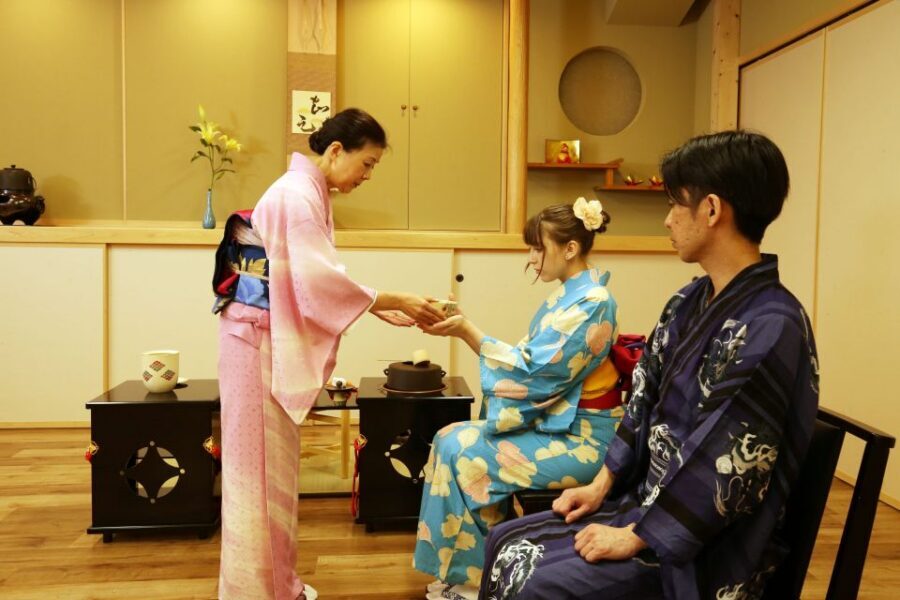
Instruction is in English, and the setup is designed so you can hear and see what the instructor is doing. Past sessions have been led by tea masters such as Junko, Ken, and Midori, and each lesson style leans into comfort plus clarity.
That matters, because a tea ceremony can feel intimidating if you’re worried you’ll mess it up. The tone in the room is meant to keep you relaxed so you can focus on the practice.
And since the group stays small, you’re not stuck in the back row guessing. It’s more like being taught inside a calm studio than sitting through a lecture.






Price and value: why $63 feels fair for what’s included
Let’s talk value, not just cost. For $63, you’re getting:
- a tea ceremony
- traditional sweets
- matcha green tea
- a second ceremony performed by you
That’s the key: you’re participating twice—first as a student, then as a practitioner. Many cultural activities stop after a short tasting or a quick demo. Here, you keep going.
You also don’t pay extra for the main “learning parts” like utensil explanations and instruction during your attempt. The time is tight but purposeful: about 75 minutes, designed for pacing and practice.
Not included is transportation, so you’ll plan your own route to the Kikai Shinko Kaikan building. If you’re already near Tokyo Tower, this can slot in easily between other plans.
Comfort and rules: how to prepare for the room, the seating, and quiet focus
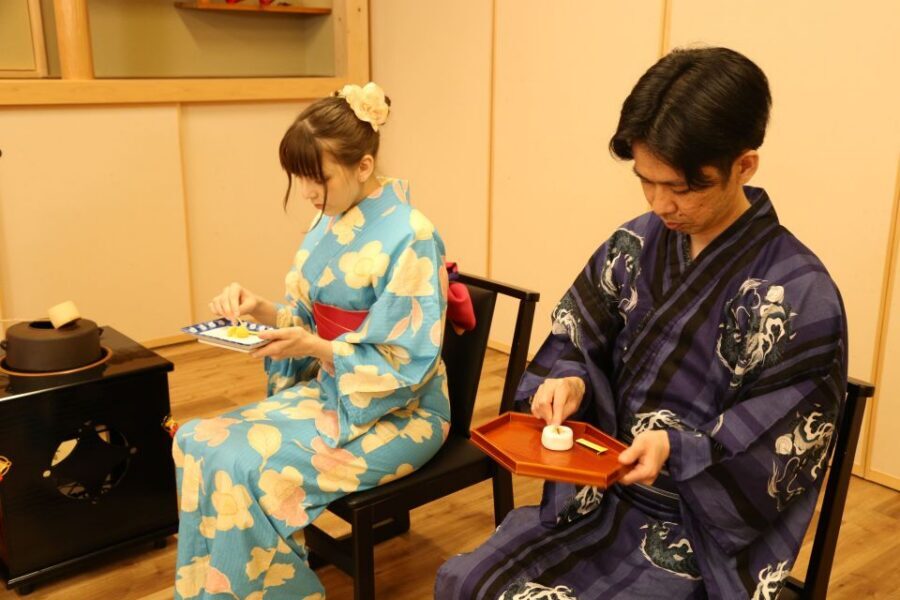
The ceremony is set up with comfort in mind. Seating is available for guests who prefer not to sit on the floor. That’s a meaningful detail because floor seating can be a dealbreaker for many people, even when they want to experience the ceremony.
At the same time, you should be ready for a quiet, focused atmosphere. Making noise isn’t allowed. So if you’re the type who talks through guided activities, this is where you’ll need to dial it back.
One practical consideration: the room may not be perfectly sound-isolated from adjacent activities. If you’re especially sensitive to interruptions, you might notice other noise depending on what’s happening next door.
Why Zen fits a tea ceremony: art, architecture, and attention you can feel
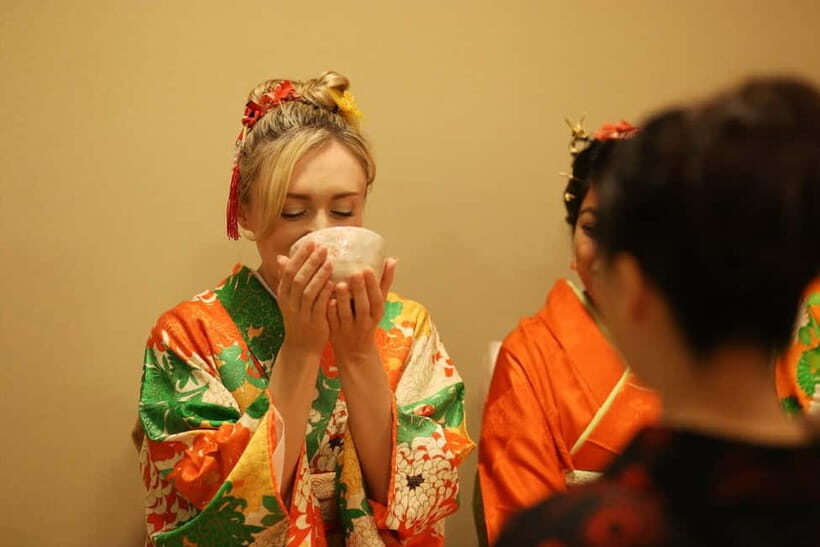
This experience doesn’t treat Zen Buddhism like a separate lecture topic. It ties Zen concepts back to the ceremony itself—especially the spirit of Zen expressed through Japanese art and architecture.
What you’re really practicing is attention with restraint. The movements are deliberate. The pacing is slow. Even the tasting is guided so you experience flavors without multitasking.
This is also why it can change the rest of your day. After 75 minutes of quiet focus, Tokyo stops feeling like nonstop input. You’ll probably notice yourself calmer, not because Tokyo changed, but because your brain got a reset.
Who should book this tea ceremony (and who might skip it)
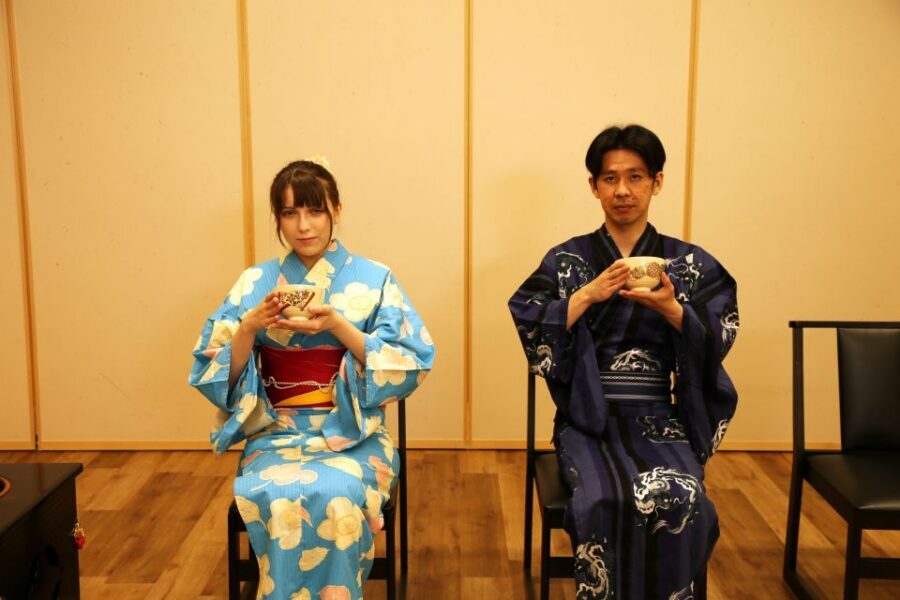
This is a great match if you want:
- a hands-on cultural activity that’s not just watching
- a calmer, reflective experience in a busy city
- guided learning in English
- a small-group setting that keeps the class personal
It may not be ideal if:
- you need loud, social energy during activities
- you want a fully “touristy” itinerary with lots of walking and big sights
- you’re traveling with young kids; it isn’t suitable for children under 4 years
If you’re planning day-of logistics around Tokyo Tower, the meeting point makes it easy to combine this with nearby plans while still keeping your schedule realistic.
Quick practical tips so you get the most from the ceremony
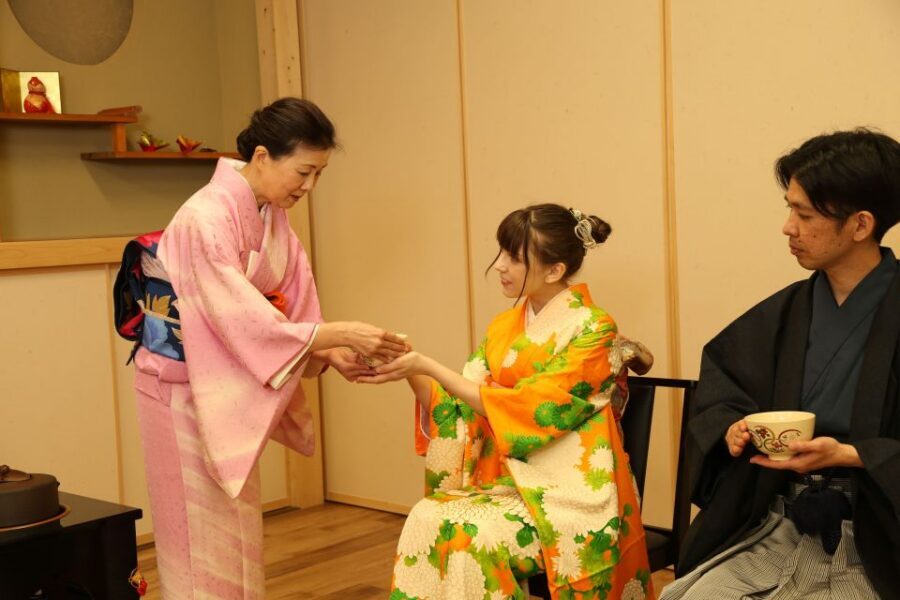
- Arrive a little early so you’re not stressed when the class starts.
- Plan to keep your voice down during the session. Making noise isn’t allowed.
- If floor seating isn’t for you, use the available seats and let your instructor know your preference when you arrive.
- Bring the mindset of learning through doing, not a checklist for getting everything perfect.
- If you’re hoping to remember details, pay attention to the utensils and how the instructor explains their role—it’s a major part of the teaching.
Should you book this Zen tea ceremony in Tokyo?
I think you should book it if you want a meaningful, guided “reset” in Tokyo. The biggest selling points are simple: you taste the sweets and matcha, you learn the Zen connection to the ceremony, and you actually perform the second ceremony yourself.
Skip it only if quiet rules and small-room focus don’t fit your travel style. Otherwise, this is one of those experiences that gives you something you can carry home—how the ritual feels, not just what it is.
FAQ
FAQ
Where is the meeting point for this Tokyo tea ceremony?
Meet your instructor at the main entrance of the Kikai Shinko Kaikan building on the 1st floor. The building is opposite Tokyo Tower.
What if I can’t find my instructor?
If you can’t find your instructor, visit True Japan Tour at Room #B109 on the B1 floor of the same building.
How long does the experience take?
The duration is 75 minutes.
What language is the instruction?
The instructor provides instruction in English.
How many people are in the group?
It’s a small group limited to 10 participants.
Is there a second tea ceremony where I participate?
Yes. The experience includes a second tea ceremony performed by yourself.
What’s included in the price?
Included are the tea ceremony, traditional sweets, matcha green tea, and the second tea ceremony performed by you.
What isn’t included?
Transportation is not included.
Is the venue wheelchair accessible?
Yes, it’s wheelchair accessible.
Are seats available if I don’t want to sit on the floor?
Yes, seats are available for guests who prefer not to sit on the floor.
Is the experience suitable for young children?
It’s not suitable for children under 4 years.