REVIEW · TOKYO
【SUMO FESTIVAL】Tokyo Ginza: Sumo Show & Photo Experience
Book on Viator →Operated by 株式会社Japanticket · Bookable on Viator
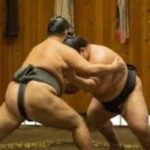
Sumo wrestling in central Ginza sounds like a Tokyo movie scene. Here you watch morning training, learn key ideas to win, then get live action in a show built for real audience participation. Afterward, you may step into the ring to challenge a retired wrestler, with a traditional mikoshi experience layered in too.
What I like most is how much the program leans on English support, so you can actually follow what is happening instead of guessing from body language alone. I also like that you are not stuck as a spectator; you try hands-on sumo moves like shiko (the stomping ritual), plus salt throwing and collision practice.
The one thing to consider: this is not a full tournament day. You might get only a couple of rounds of actual wrestling, and the MC can take a lot of time talking, which may feel long if you came mainly for match time. Also, the venue can be a little tricky to find the first time.
In This Review
- Why This Ginza Sumo Show Works (and Feels Different)
- The Morning Training Lead-In: How They Set the Stage
- Close-Up Seats and the Ring: Watching From Good Places
- The Interactive Part: From Shiko to Salt Throwing
- The Ring Challenge With a Retired Wrestler (Lottery Can Apply)
- Mikoshi Time: Why the Shrine Detail Isn’t Just a Prop
- Food on Site: Sumo-Themed Options, Not a Guaranteed Meal
- Price and Value: What $63.41 Buys You in Ginza
- Finding the Venue in Ginza Without Stress
- Who This Is For (and Who Might Want Another Option)
- Quick Tips to Get More Out of Your Ticket
- Should You Book Tokyo Sumo Festival in Ginza?
- FAQ
- How long is the Sumo Festival experience?
- Where in Tokyo does it take place?
- Is there an English option?
- What activities are included besides watching the show?
- Do I get to challenge a sumo wrestler?
- Is a meal included?
- Do I get assigned seats, and can I choose better ones?
- Is a mobile ticket provided?
- How does confirmation work after booking?
- Is cancellation allowed?
Why This Ginza Sumo Show Works (and Feels Different)

This isn’t the usual Tokyo sightseeing schedule where you watch something for 20 minutes and then move on. The flow is built around the way sumo is taught and performed: training first, then the ideas behind the techniques, then a live show that turns into crowd participation.
In practice, it means you are learning as you go. If you want to walk away able to explain what you saw—why salt matters, what shiko signals, what body collision is trying to show—this format helps. And since the MC provides English and Japanese commentary, the show is easier to enjoy even if your Japanese is limited.
The Morning Training Lead-In: How They Set the Stage

The experience starts with you getting a look at morning training (the kind of warm-up work sumo wrestlers do). You’ll see demonstrations and get an explanation of winning techniques—what to watch for, what the wrestlers are trying to do, and how the ring action connects to those basics.
This matters because sumo can look simple from far away: two men, pushing, trying to get leverage. The training lead-in gives you a mental checklist. You start noticing foot placement, timing, and how much is about balance rather than brute strength. It also helps you appreciate the entertainment part without feeling lost.
A few more Tokyo tours and experiences worth a look
Close-Up Seats and the Ring: Watching From Good Places

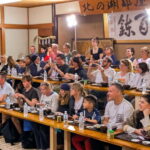
One of the smart parts here is that the seating is designed for ring proximity. The information says all seats offer a close-up view of the sumo ring, and there is an option to upgrade to the front row for an even more intense, close-in view.
That does two practical things for you:
- You see details better, like movement and stance, instead of only silhouettes.
- You get better photo timing when wrestlers move into position and when crowd moments happen near the ring edge.
If you care about photos, choose the closest option you can. The price is not huge for Tokyo, but upgrading is where you can squeeze out more value from the short two-hour format.
The Interactive Part: From Shiko to Salt Throwing

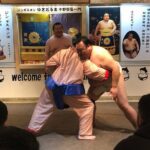
A big reason people rate this highly is how hands-on it gets. After you watch the show pieces, you get to try the classic sumo rituals and basics, not just pose for a picture.
You can expect participation such as:
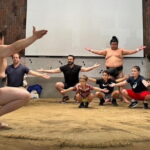
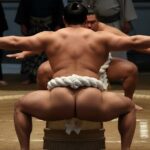
- Shiko stomping practice
- Salt throwing experience
- Body collision practice (the physical, shoulder-to-shoulder style basics)
Even if you are not competing for real, these moments translate sumo from a sport into something you can feel with your body. Stomping and balance are harder than they look, and salt throwing is one of those iconic gestures that feels oddly powerful when you do it yourself.
Also, the show includes an entertainment sumo performance, so you’re not walking into a “lecture with a costume.” It’s built to keep moving, with different segments that change the mood instead of repeating the same thing.
The Ring Challenge With a Retired Wrestler (Lottery Can Apply)

The highlight for many visitors is the chance to challenge a retired sumo wrestler. The key detail is that participation is limited, and if there are too many applicants, it may be decided by lottery.
So here’s the practical way to approach it:
- If you really want that ring moment, treat it like a must-try lottery: apply early if the system lets you, and don’t assume you’ll get it.
- If you don’t get selected, you still get a strong interactive program with shiko, salt throwing, and collision practice.
This is also where crowd energy matters. When the ring opens up for participation, the whole room tends to lean in. Even the people who don’t challenge a wrestler usually end up enjoying those segments because they break the spectator routine.
Mikoshi Time: Why the Shrine Detail Isn’t Just a Prop

After the sumo show, you also get to experience a mikoshi, a portable shrine used in Japanese festivals. The program positions this as a ritual-style moment tied to the wider festival culture around sumo.
I think this is a smart add-on for two reasons. First, it broadens the experience beyond sport. Sumo in Japan is cultural performance, not only athletic competition. Second, it gives you a memorable visual ending: dramatic movement, tradition, and a different kind of crowd involvement than the ring drills.
One caution: if you strongly prefer straight sports action, the mikoshi segment may feel like a detour. But for most people, it’s exactly the sort of “only-in-Japan” finale that makes the ticket worth it.




Food on Site: Sumo-Themed Options, Not a Guaranteed Meal

The experience mentions sumo cuisine in a relaxed atmosphere. At the same time, meals are not listed as included in the standard package. The included item is a welcome drink, and the information notes that meals are available for an additional charge.
In other words, treat food as an add-on you can choose, not an all-included dinner. Some sessions seem to offer tasty options people enjoy, while others feel food quality is inconsistent. My advice: plan on a snack or light food if you’re hungry, but don’t build your whole meal plan around this experience.
If you want to eat well in Tokyo that night, keep your meal flexible and decide after the show based on what’s actually available.
Price and Value: What $63.41 Buys You in Ginza

At about $63.41 per person, this sits in the “worth it if you want interaction” category for central Tokyo. You’re not paying for a long tournament package. You’re paying for a curated show that includes:
- English and Japanese commentary by the MC
- Entertainment sumo show
- Hands-on participation (shiko, salt throwing, collision practice)
- A ring challenge chance (subject to limited participation and possible lottery)
- A welcome drink
That mix is the value. If your goal is purely to watch many wrestlers do many matches, this might feel short. If your goal is to understand sumo quickly and participate—even in small ways—then the price makes more sense.
One more thought: Ginza is a pricey neighborhood. Being close to major transit and offering close-up seating means the ticket is doing its job: you’re getting performance access without needing to plan a day around tournament schedules.
Finding the Venue in Ginza Without Stress

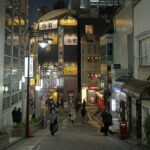
The location is listed at Ginza INZ 1 B1, address 1-3-1 Ginza, Chuo City, Tokyo. It also says the venue is near public transportation and you can search Google Maps for TokyoSumoFestival.
Here’s the practical tip: start early and don’t rely on the address alone. Some visitors have found Google Maps routing confusing and had trouble getting local directions. Use TokyoSumoFestival in your map search, and allow extra time the first time you go underground in Ginza.
Also, consider going with your phone fully charged. The experience is two hours, and you don’t want “dead time” turning into a scramble.
Who This Is For (and Who Might Want Another Option)
This experience fits best if you:
- Want an easy cultural hit in central Tokyo
- Prefer something interactive over silent museum-style viewing
- Care about English commentary so you can follow along
- Are visiting when there isn’t a sumo tournament happening and you still want sumo culture
It may not fit you as well if you:
- Came only for lots of wrestling matches (this is show-based)
- Get impatient with extended MC talk during transitions
- Are sensitive to venues that require a bit of navigation luck underground
For families, it can work well because the crowd participation pieces are designed to keep attention. For groups of friends, it’s a fun way to laugh, learn a bit, and share photos from the ring area.
Quick Tips to Get More Out of Your Ticket
A few small choices can make a big difference in a two-hour format:
- If you want photos, aim for the closest seating you can, including front-row upgrade if available.
- Treat the MC explanations as part of the show. That’s where the meaning of rituals like salt throwing usually becomes clear.
- If you’re hoping for the ring challenge, remember it may be lottery-based due to limited participation.
Also, wear comfortable clothes and shoes. You’ll be standing for show segments and doing simple physical participation, even if it’s not a full workout.
Should You Book Tokyo Sumo Festival in Ginza?
Yes, if you want a compact, interactive way to experience sumo culture in Tokyo—especially with English commentary and hands-on ritual moments like shiko, salt throwing, and collision practice. The ring challenge chance adds a strong “try it once” payoff, and the mikoshi segment gives you a memorable cultural wrap-up.
But if your top priority is watching many full matches like a tournament, or if you hate long MC narration in a theatrical setting, you may feel the balance is off. In that case, you’d likely be happier spending your time hunting for real tournament action.
If you’re the type who enjoys learning through doing, this ticket is a solid choice in Ginza.
FAQ
How long is the Sumo Festival experience?
It’s listed as about 2 hours.
Where in Tokyo does it take place?
In Ginza, at Ginza INZ 1 B1, 1-3-1 Ginza, Chuo City, Tokyo. You can search for TokyoSumoFestival on Google Maps.
Is there an English option?
Yes. The MC provides English and Japanese commentary.
What activities are included besides watching the show?
You can participate in shiko (stomping), salt throwing, and body collision practice.
Do I get to challenge a sumo wrestler?
There is a chance to challenge a retired sumo wrestler, but participation is limited and it may be decided by lottery if there are many applicants.
Is a meal included?
Meals are not included. You can get meals for an additional charge, and a welcome drink is included.
Do I get assigned seats, and can I choose better ones?
The information says all seats offer a close-up view of the ring, and there is an option to upgrade to the front row.
Is a mobile ticket provided?
Yes, the tour includes a mobile ticket.
How does confirmation work after booking?
Confirmation is received within 48 hours of booking, subject to availability.
Is cancellation allowed?
Free cancellation is available up to 24 hours before the experience starts for a full refund.