REVIEW · KYOTO
Kyoto: Meet the Geisha Maiko with Gion Walking Tour
Book on Viator →Operated by Japan Wonder Travel · Bookable on Viator
Ready to meet Kyoto’s maiko up close? This 3-hour Gion walking tour pairs a guided stroll through the right alleyways with a rare look inside a private ochaya, where you watch and chat after the performance. I especially like the way the walk sets the stage, then the tea-house moment lands with real intimacy (maiko and retired geiko, not a spectacle from behind a fence). One thing to plan for: you have to follow etiquette rules, including wearing socks at the venue and navigating stairs at the performance space.
I also like that the guides seem to take the human side seriously. Names like Haruki, Takuma, Ayako, and Naomi show up in past guides, and the common thread is clear explanation plus translation support during your Q&A. If translation is a make-or-break detail for you, keep in mind it can vary by guide and sound level, so ask questions with your whole group’s attention and stay close when you can.
The tour stays tight and focused. You’ll walk a moderate amount through central Higashiyama, it runs rain or shine, and the group size caps at 30, which helps the experience feel personal instead of rushed.
In This Review
- Key things to know before you go
- Gion Shirakawa to Hanamikoji: your walk has a reason
- Tatsumi Daimyojin Shrine and Tatsumi Bridge: small stops that change the mood
- Gion Corner and the Zen temple precinct: culture stops without the crowd noise
- Miyagawasuji performance time: the ochaya experience is the whole point
- Maiko and retired geiko: what you’ll do after the show
- Price of $109.43: does this feel like value or a splurge?
- Who should book this Gion geisha maiko tour (and who might want a different plan)
- Should you book this Kyoto geisha maiko walking tour?
- FAQ
- How long is the tour, and is it mostly walking?
- Where do I meet, and where does it end?
- Do I need to wear socks?
- Is the performance in a building with stairs?
- Can I take photos and videos during the tour?
- What happens if it rains?
- Can I get a refund if my plans change?
Key things to know before you go
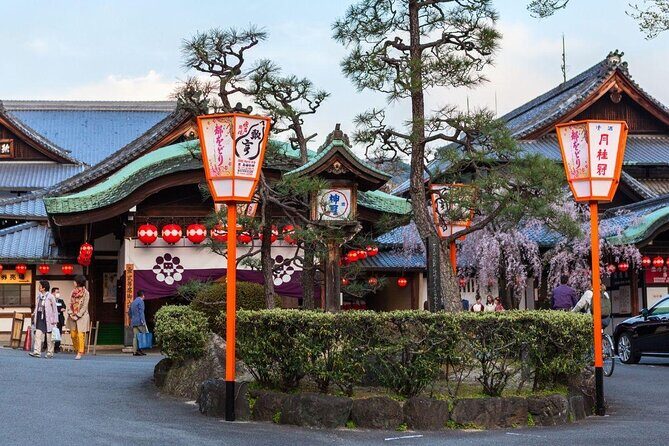
- A rare private ochaya visit that’s not the typical public-facing tea experience
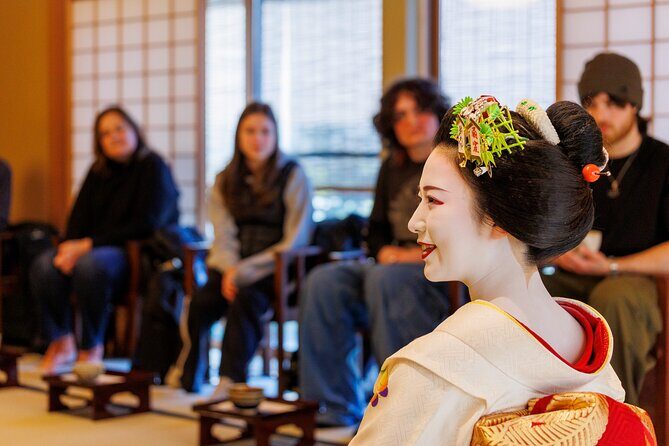
- Maiko + retired geiko contact, plus guided Q&A so you’re not just watching
- Gion street stops with context, from Shirakawa to Hanamikoji and beyond
- A one-hour-plus performance block at Miyagawasuji, including a photo session window
- Rules for socks, wet items, and photos that you’ll want to follow without stress
- Small-group feel with a maximum of 30 people over about 3 hours
Gion Shirakawa to Hanamikoji: your walk has a reason
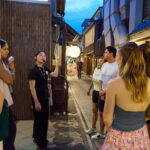
Gion looks like a postcard, but the best part is learning what you’re actually looking at. Early on, you’ll start near Gion Shirakawa and get a guide’s explanation of who geisha-related entertainers are in Kyoto and how their day-to-day culture works. This isn’t a generic “here’s an old building” loop. The stops are meant to explain why these corners matter, not just where they are.
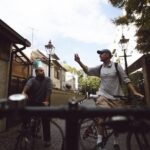
Then you move toward Hanamikoji Street, the main spine of Gion. It’s one of those places where the architecture and the spacing are part of the story—traditional machiya houses, tea houses, shops, and the sense of old-world order. The walk gives you a way to notice details that most first-timers miss: how the lanes open up, where you’d expect activity, and what the district is like when it’s not being staged for tourists.
Timing-wise, you’ll spend about 10 minutes on Hanamikoji Street, plus a few extra cultural stops nearby that help connect the street-level view to the larger entertainment world. That’s a smart approach, because Gion Corner and temple grounds would otherwise feel like separate attractions. Here, they become part of the same cultural thread.
My practical tip: wear shoes you can keep moving in. Even though the tour is only around 3 hours, you’ll be walking in short segments between viewpoints and spots for explanations. Plan to arrive a few minutes early so your group doesn’t slow down when everyone meets at Miyagawasuji.
You can also read our reviews of more walking tours in Kyoto

Tatsumi Daimyojin Shrine and Tatsumi Bridge: small stops that change the mood
One of my favorite surprises on this kind of tour is when it gets quiet. You’ll pause at Tatsumi Daimyojin Shrine—a Shinto shrine tied to protection, good fortune, and safety for travelers and warriors. It traces back to the Heian period (794–1185), so even a short stop can feel like you stepped onto a longer timeline.
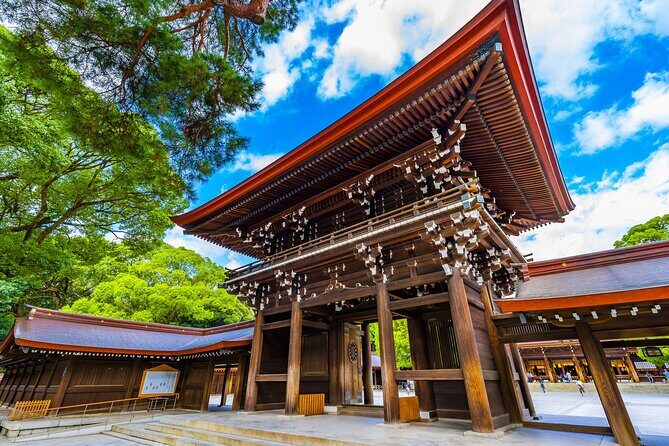
From there, you’ll take in Tatsumi Bridge, a small traditional bridge tucked into a corner of Gion. It’s the kind of place where the scenery feels cinematic: wooden machiya houses around it, narrow sightlines, and a slower pace than the main street. This stop matters because it changes how you view the district. You start seeing Gion not as one street, but as a patchwork of small spaces that support daily life and performance schedules.
This is also a good moment to reset your brain. If you’re the type who plans to spend the rest of the day chasing famous faces, this tour gently pulls you back to something more useful: understanding the spaces and the customs that shape how entertainers move and work.
Watch for the flow: the shrine time is short (around 5 minutes), and the bridge is more of a photo-and-feel stop than a long lecture. If you want to ask a question, do it when your guide is talking, not while you’re trying to catch a shot.
Gion Corner and the Zen temple precinct: culture stops without the crowd noise
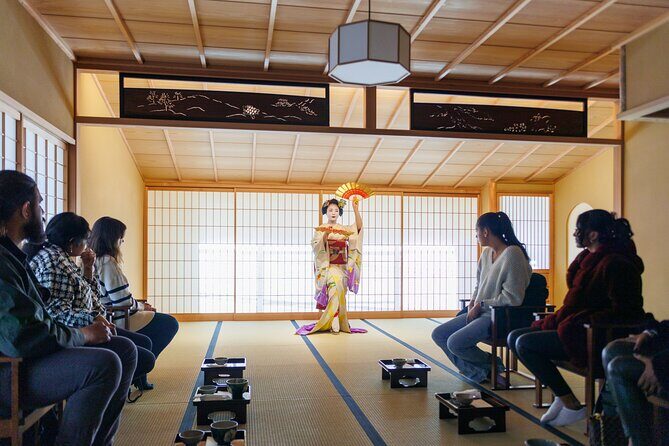
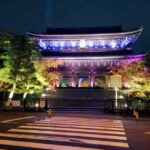
As you continue, you’ll hit Gion Corner, a venue that showcases traditional art performances. Even if you only get a short segment, it’s useful because it shows how Kyoto packages culture for people who want a structured introduction. Think of it as cultural translation for your brain—this is how the district teaches art forms, themes, and etiquette to outsiders.
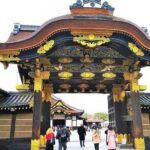
From there, you’ll visit the temple precinct of Kyoto’s oldest Zen Buddhist temple, positioned next to the geisha district. The key detail: you won’t enter the temple buildings. You’ll walk through the precinct like locals and get that quieter, more grounded atmosphere that contrasts with the performance energy of Gion.
This contrast is not accidental. It helps you understand why the geisha arts have such a strong connection to discipline and aesthetics. The entertainment world isn’t separate from Kyoto’s spiritual and artistic routines. It borrows the same sense of timing, respect, and form.
My take: this combination of Gion Corner and a Zen precinct makes the tour feel more complete than a simple “dance show plus wandering.” You get variety in mood, and the guide’s framing helps you connect the dots between performance culture and everyday Kyoto values.
Miyagawasuji performance time: the ochaya experience is the whole point
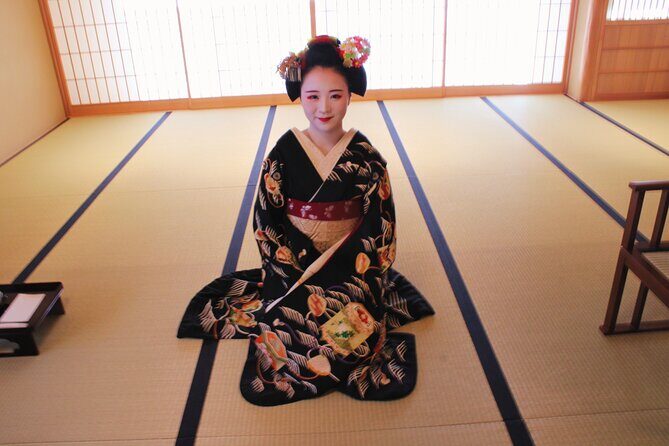
The center of gravity shifts at the end of the walk. Your meeting point and start are at Miyagawasuji in Higashiyama Ward, and the tour culminates in a special private house where the performance happens. The performance block runs about 1.5 hours, which is long enough to feel like an event—not a quick photo stop.
Here’s the practical detail that can matter for your comfort: the maiko performance is held on the private house’s second floor, and you’ll access it by stairs. If you have mobility limits or knee issues, this is the moment to plan for slower pacing and careful footing.
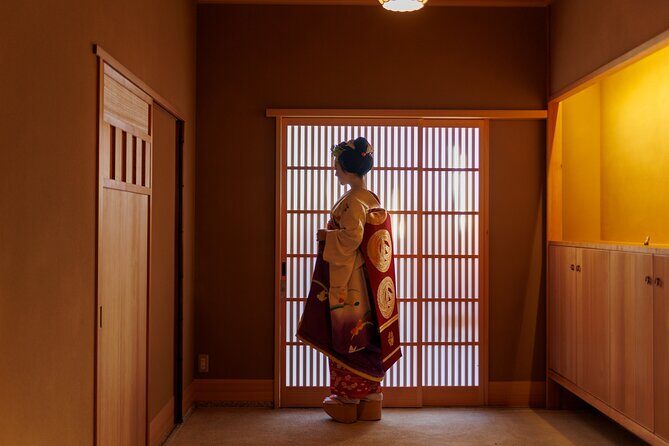
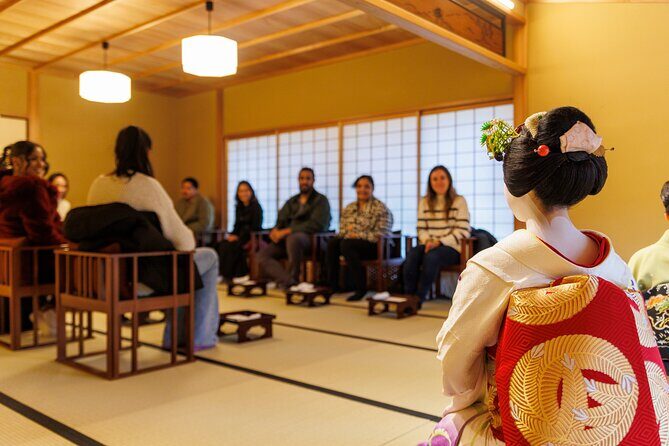
Now for the reason this tour exists. You’re stepping into an ochaya—a type of tea house that’s closely tied to hosting entertainers and private entertainment. You’re not just sitting in a public café. This is the rare setting where you can watch and then ask questions in a way that feels intentionally controlled and respectful.
Also, you should expect etiquette rules at the venue. You’ll need to wear socks at the performance location. On rainy days, there’s an added constraint: no wet cloth and socks at the venue. The tour runs rain or shine, so your best strategy is simple—use an umbrella during the walk and keep your socks as dry as you can.
What to do with your camera: don’t treat this like sightseeing photography. Your photos and video have a limited window, and the most important images will come during the performance and a photo session.
Maiko and retired geiko: what you’ll do after the show
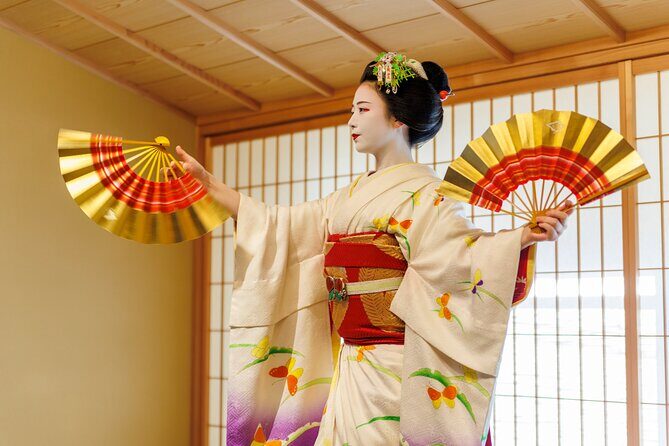
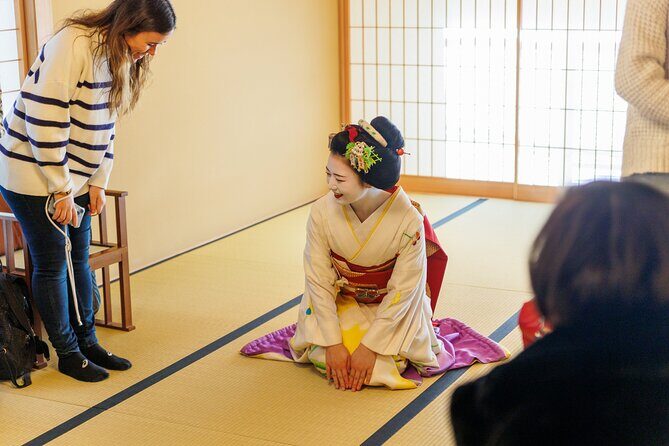
The performance portion is where the tour really differentiates itself. You’ll watch a graceful live performance by a maiko, and you’ll also meet a retired geiko as part of the hosting experience. That matters because you get two perspectives: the apprentice experience and the legacy view of what the life becomes after training.
After the performance, there’s a conversation/Q&A format. This is where the guide translation comes in. Multiple past guides—people like Miko, Miko’s groups, and others named in past experiences—were praised for acting as translators and helping visitors ask questions. That’s a big deal because Kyoto entertainment etiquette can be hard to read from the outside. With translation support, your questions land in the right place instead of turning into awkward guessing.
Photo rules are also strict, and they’re not there to be annoying. Photography and video recording are allowed only during the performance and the photo session. If you plan to post on social media afterward, you’ll need direct permission from the maiko beforehand.
My practical advice: keep your phone off until you’re told it’s time. It sounds obvious, but it’s the difference between respectful and disruptive. During the Q&A, listen for the big themes first, then ask follow-ups. You’ll get more value from fewer, sharper questions.
One more detail: the tour is designed for small group dynamics (max 30). That intimacy can make conversations feel more personal, but it also means you should pay attention to the guide’s cues for when to move, when to listen, and when to take photos.
Price of $109.43: does this feel like value or a splurge?
Let’s talk money straight. At $109.43 per person for about 3 hours, this isn’t a budget add-on. If you’re only shopping for street photos and a quick cultural talk, you can find cheaper walks in Gion.
But you’re not just paying for walking. You’re paying for access—specifically a private ochaya setting and an opportunity to meet and speak with a maiko and a retired geiko. Those are the costly parts: getting into the right place, coordinating the performance, and providing translation support so the experience actually becomes a conversation instead of silent staring.
Here’s how I judge the value. If you leave with a deeper understanding of geisha culture—how traditions work, what the arts represent, and what daily life feels like—then the price starts to make sense. This tour is built around that goal. The itinerary includes multiple Gion context stops so the final performance has meaning, not just entertainment.
You should also know what’s not included. The price does not cover extra food and drink, transportation, or hotel pickup/drop-off. That means you’ll want to plan your day around getting yourself to Miyagawasuji and possibly grabbing a meal afterward on your own.
Bottom line: I’d call this a worthwhile splurge if you care about the real culture side—performance plus respectful human interaction. If you only want to look around Gion and take your own photos, you might feel the time and etiquette rules don’t match what you came for.
Who should book this Gion geisha maiko tour (and who might want a different plan)
This works best for travelers who want structure and context. If you’re curious about geisha culture beyond the stereotypes, you’ll likely love the way the walk explains roles, customs, and the logic behind where things happen in Gion. The guide’s job is not only to point—it’s to translate the district into something you can understand.
It also suits you if you like small-group experiences. With a maximum of 30 travelers, you get a calmer pace and more room for questions during the performance segment.
On the other hand, there are a few clear “considerations” based on the requirements and how the experience is designed:
- You need to handle stairs for the performance space.
- You must follow socks and wet-item rules at the venue.
- You should be comfortable with a tour that continues rain or shine.
- No children under 10 are allowed.
My recommendation: If you’re celebrating something, this is a strong choice for a night-in-Kyoto memory. It’s also a good match after you’ve already visited Higashiyama so your brain has context for the city’s old-town feel.
And if you want to learn fast, come with 2–3 questions you genuinely care about. For example: how training works, what daily arts practice looks like, or how tradition changes over time. That way, the Q&A time feels purposeful.
Should you book this Kyoto geisha maiko walking tour?
I’d book it if you want the rare part, not just the postcard part. The standout value here is the combination of a guided Gion walk that builds meaning, plus a private ochaya performance where you meet a maiko and a retired geiko and then get a chance to ask questions.
I would hesitate only if you’re allergic to etiquette rules or you need a fully accessible venue with no stairs. Also, if you expect to continuously film and photograph like normal street travel, you’ll have to adjust your expectations because media is limited to the performance and photo session window.
If you like learning through careful framing—shrines, bridges, streets, and cultural venues that connect to the performance—this tour fits your style. If you want a low-cost wander where you can do whatever you want, you’ll likely feel constrained.
One final nudge: with any experience like this, your attitude matters. Being on time, following socks-and-rain rules, and treating the photo/video limits seriously makes the whole thing smoother for you and everyone around you.
FAQ
How long is the tour, and is it mostly walking?
The tour is approximately 3 hours. It is a walking tour with a scheduled performance time at the end.
Where do I meet, and where does it end?
You start and meet at Miyagawasuji, Higashiyama Ward, Kyoto (605-0801, Japan). The tour ends at the special private house/venue for the performance.
Do I need to wear socks?
Yes. You must wear socks at the venue where the performance takes place.
Is the performance in a building with stairs?
Yes. The maiko performance is held on the private house’s 2nd floor, and you can only access it with stairs.
Can I take photos and videos during the tour?
Photography and video recording are allowed only during the performance and the photo session. If you want to upload to social media, you must obtain direct permission from the maiko beforehand.
What happens if it rains?
The tour takes place rain or shine. On rainy days, no wet cloth and socks are allowed at the venue, so you should use an umbrella during the walk.
Can I get a refund if my plans change?
Yes. You can cancel for free up to 24 hours in advance of the experience start time for a full refund.