REVIEW · NAGASAKI
Nagasaki WW2 History and Culture Tour
Book on Viator →Operated by Shannon Lefebvre · Bookable on Viator
Nagasaki history lands fast. This small-group, full-day outing blends WWII sites with everyday culture, led by Shannon Lefebvre, so the city’s story feels personal rather than distant. You also get a pass into two of Nagasaki’s biggest stops: the Atomic Bomb Museum and the Inasayama Observation Deck.
I love the pacing. The schedule keeps visits short and focused (most stops around 20–35 minutes), so you don’t burn out during a 7–9 hour day. I also like that you’re cared for: still and sparkling water, lunch, and timed alcoholic and nonalcoholic beverages help you stay comfortable and present.
One consideration: the Atomic Bomb Museum uses graphic displays. If you’re sensitive to that kind of material, plan extra breathing room afterward, and remember this is also a good-weather style tour.
In This Review
- Key things that make this tour work
- A single day that turns Nagasaki into a story you can walk through
- Price and logistics: what $656.88 per group really covers
- Getting comfortable: pickup, private transport, and onboard extras
- Stop-by-stop: from Sohonzan Shrine to the coastal sights
- WWII survival sites you can see firsthand: shelters, training ruins, and transmission towers
- Dutch heritage cues, Hasami ceramics, and Umegae’s place in daily life
- Peace Park and the Atomic Bomb Museum: how to handle the emotional weight
- Inasayama Observation Deck: the day’s last perspective shift
- Who this tour suits best
- Should you book this Nagasaki WWII history and culture tour?
- FAQ
- How long is the Nagasaki WWII History and Culture Tour?
- How much does the tour cost?
- Is pickup included?
- What’s included with admission tickets?
- Is lunch included?
- Are drinks included during the tour?
- Does the tour use mobile tickets?
- Is there WiFi during the tour?
- Is it a private tour?
- What happens if the weather is poor?
Key things that make this tour work
- Small-group route with a real local guide, Shannon Lefebvre, who connects sites into one flowing story
- Admissions handled for the big two: Atomic Bomb Museum plus Inasayama Observation Deck
- Hydration and drinks included, with bottled still and sparkling water all day
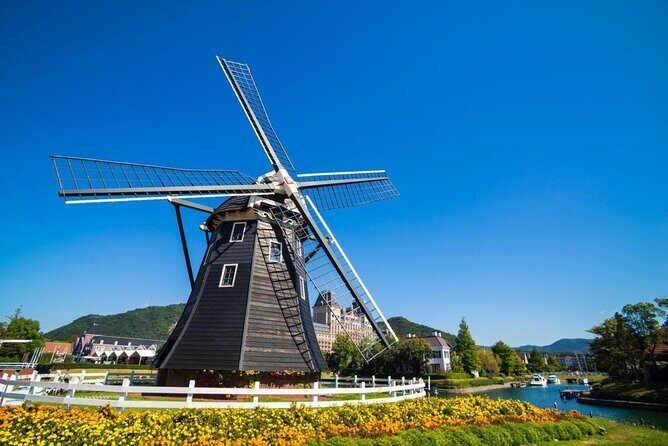
- A mix of war and culture, including places tied to ceramics, sake, and Nagasaki’s Dutch-era influences
- Comfort built in, thanks to private air-conditioned transportation and WiFi onboard
A single day that turns Nagasaki into a story you can walk through
Nagasaki can feel like two cities at once. It has the calm of shrines and coastal streets, and then it pulls you toward the brutal events of WWII and the aftermath. This tour is built to hold both sides in the same day, without turning it into a rushed checklist.
The guide-led format matters. You’re not just moving from one photo spot to the next; you’re getting context as you go, including how each site connects to what came before and what changed afterward. That’s why the day feels like a narrative, not a bus tour.
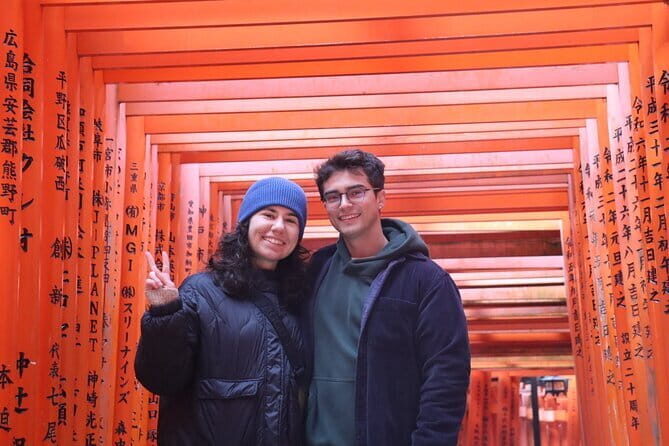
And yes, the day includes peaceful stops first, so you can get your bearings. The Sohonzan Shrine is a strong opening, with a huge torii gate that immediately tells you this place has gravitas.
You can also read our reviews of more historical tours in Nagasaki

Price and logistics: what $656.88 per group really covers
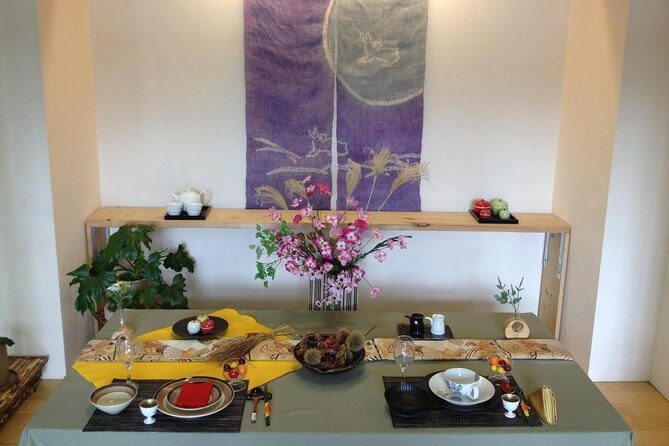
This costs $656.88 per group (up to 3 people). That number looks “per group,” so the real question is how much of the day is already handled for you.
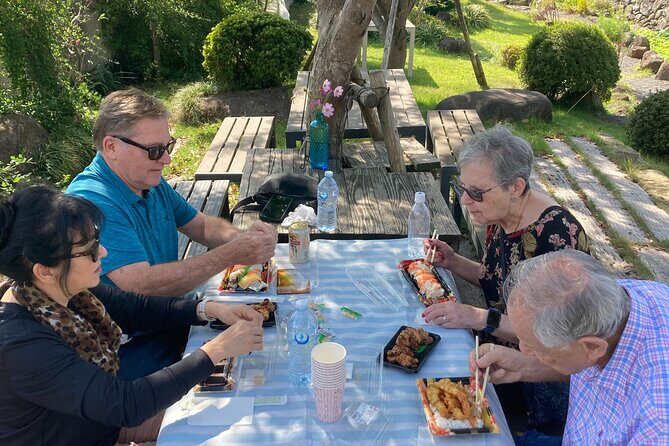
You’re getting private transportation in an air-conditioned vehicle, WiFi onboard, and bottled still and sparkling water through the day. You also get admission tickets for the Atomic Bomb Museum and the Inasayama Observation Deck, plus a lunch option included as either an on-the-go meal or a picnic depending on weather and time constraints.
When you compare that to paying for separate tickets, transfers, and food while trying to coordinate a tight route, the group price starts to make sense—especially if you’re traveling with one or two people and want the day to run smoothly. Average booking timing is about 65 days in advance, so if your dates matter, try not to wait.
Getting comfortable: pickup, private transport, and onboard extras
If you’re tired of navigating unfamiliar stations and local buses, you’ll appreciate the pickup offer. Your group goes in a private, air-conditioned vehicle, which also helps with the stop-and-go rhythm of a 7–9 hour schedule.
You’ll also have practical comforts that keep the day from feeling like a slog: WiFi on board and still and sparkling bottled water all day. That might sound minor, but it’s huge in real travel terms. Staying hydrated makes it easier to handle museum time and outdoor walking without turning cranky or distracted.
For tickets, the tour uses a mobile ticket. That’s helpful when you’d rather spend mental energy on the sights than on paperwork.
Stop-by-stop: from Sohonzan Shrine to the coastal sights
The first stop is Sohonzan Shrine. You’ll notice the huge torii gate right away, and it sets the tone: this isn’t a quick “step inside and out” type of stop. Take a slow moment here. Even though the tour later becomes heavy, starting with calm space helps your brain switch modes.
Next comes Saikai Bridge and the Hario Straits area. This is where the tour leans into geography and maritime reality. The Hario Straits are known for fast currents and whirlpools formed by seawater moving through the narrow strait with changing tides.
That matters because Nagasaki is an island-and-port city. When you understand the water’s pull—physically, not just poetically—you start noticing why certain locations mattered during WWII and why the city’s daily life is shaped by the sea.
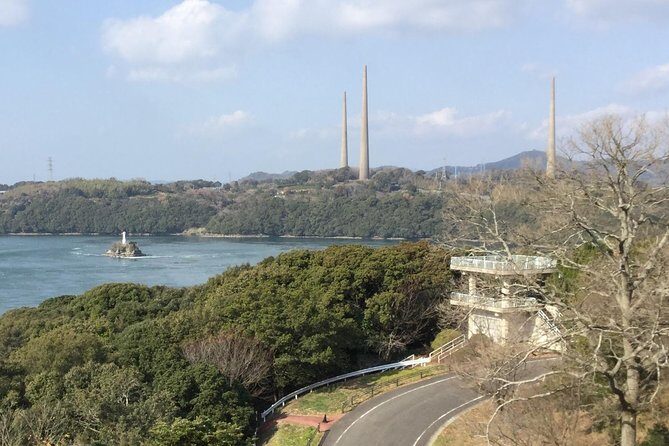
Then you reach the Hario Radio Tower, tied directly to WWII-era communications. This is one of those stops where the “what happened here” connection lands immediately. You’ll be seeing a surviving structure tied to the message process related to proceeding with an attack, which gives you a concrete anchor for the broader WWII story.
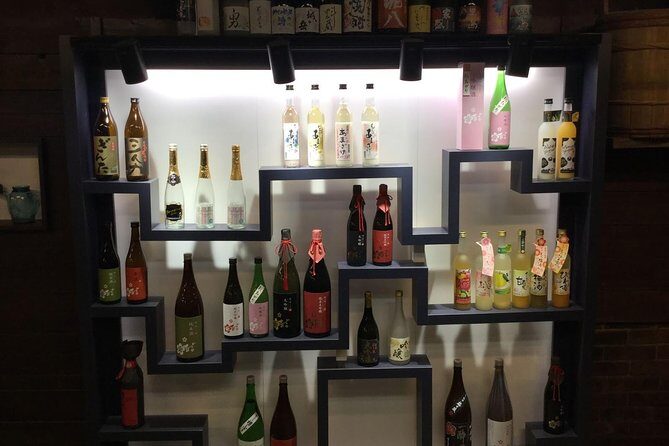
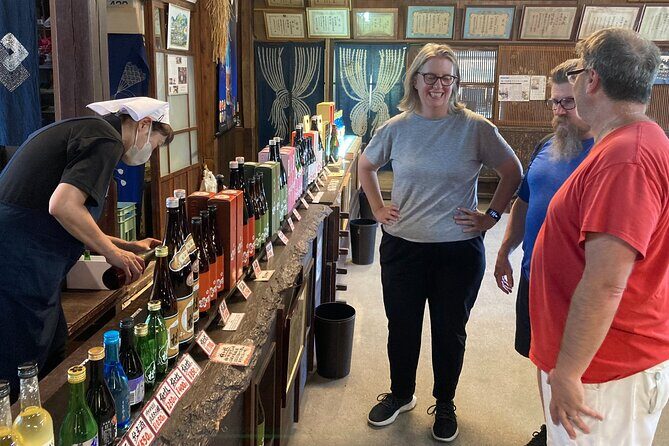
The next cultural break is Umegae Sake Brewery. Even if you don’t consider yourself a “sake person,” this stop adds variety and helps rebalance the emotional weight of the war sites. It’s also a reminder that Nagasaki’s identity isn’t only defined by tragedy. Food and drink culture is part of resilience, and the day keeps that in view.
WWII survival sites you can see firsthand: shelters, training ruins, and transmission towers
After the sake stop, the tour shifts again into WWII survival infrastructure with Mukyudo. This is the air-raid shelter of the former Miyamura Elementary and Junior High School, and what makes it especially interesting is that it served both male and female students during the period around WWII. You’re not just looking at a memorial object; you’re looking at a built response to fear and air raids.
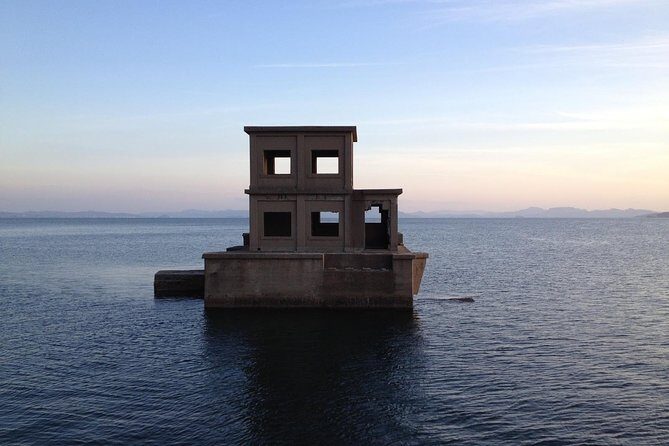
From there, the day heads toward Katashima Torpedo Base Ruin. This is listed as a ruin of a torpedo base training area, and you’ll spend time exploring an empty but massive structure. The feel here is different from a museum. You’re walking through a space that once supported training, which helps you picture the scale of preparation behind the conflict.
One practical note: a couple wrong turns can happen around ruin sites when you’re in an unfamiliar area, even with a plan. The upside is that when you do get to the structure, the experience can feel even more surprising because you’re not expecting the size once you arrive.
After this portion, you may want to mentally reset before moving into the peace-focused sites. The tour does exactly that by moving you from physical survival sites toward reflective spaces.

Dutch heritage cues, Hasami ceramics, and Umegae’s place in daily life
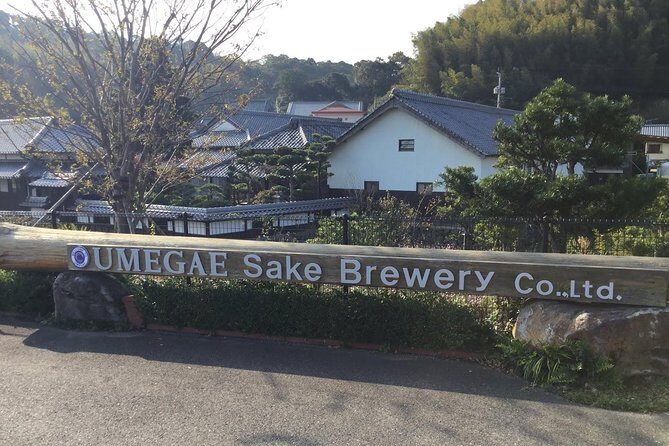
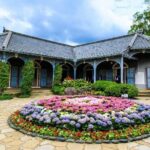
Nagasaki is one of Japan’s most international-feeling cities, and this tour works that in without turning it into a lecture. You’ll see the wider “port city” character in the way the route blends WWII sites with cultural stops, including references to Nagasaki’s Dutch heritage.
Hasami Ceramics Festival is one of the most fun stops in the middle of the day. Hasami is known for porcelain, and the visit gives you time at the Hasami Ceramics Museum area so you can connect the craft to the broader Nagasaki region identity. If you like souvenirs that feel specific to the place, ceramics are often more satisfying than generic shop buys.
This is also where the group stays light enough that you can keep energy for the later museum portion. It gives your eyes a different task. Instead of reading labels about conflict, you’re looking for form, glaze, and tradition.
Then you head toward the peace-focused part of the route, where the city’s story becomes harder to carry—but also clearer.
Peace Park and the Atomic Bomb Museum: how to handle the emotional weight
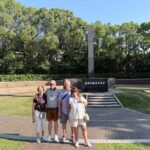
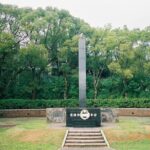
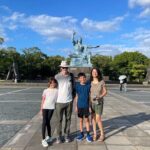
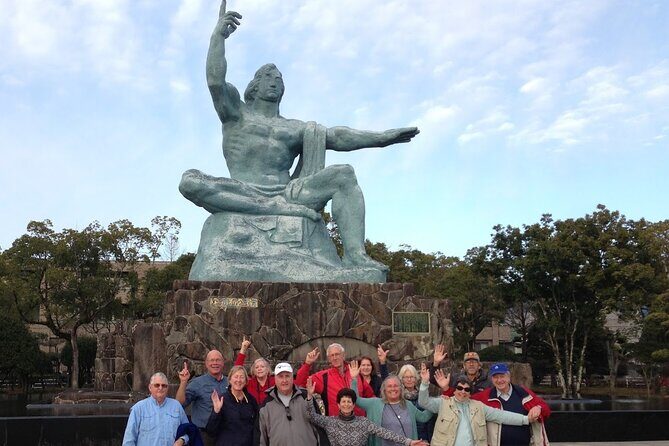
Nagasaki Peace Park is where the tour shifts from WWII infrastructure to memory and reflection. Even though the area is peaceful to stroll through, the purpose is serious: this is a place to absorb what happened and what peace means afterward.
Give yourself time here. Don’t treat it like a photo stop. Walking slowly in a memorial space changes how you register the information later.
Then comes the Atomic Bomb Museum. Admission is included, and it’s the kind of museum where graphic exhibits can be emotionally intense. Plan for that. If you tend to get overwhelmed, it helps to pace yourself instead of trying to “finish quickly.”
When you visit in a guided format, the advantage is not that someone shields you from the difficult content. It’s that the guide can help you keep context in your head while you process what you’re seeing. That makes the museum feel more understandable rather than just shocking.
A good strategy: after the museum, take a small break before you start the final viewpoint stop. Even 10 minutes of fresh air can help your body catch up with your mind.
Inasayama Observation Deck: the day’s last perspective shift
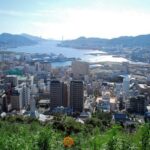
The final major stop is the Inasayama Observation Deck, with admission included. The Mount Inasa Nightview is famous, but on a daytime visit the views can feel different than what people expect from the nighttime reputation.
That’s not a reason to skip it. It’s a good reminder that travel is about how you experience a place at the time you’re there, not the version from someone else’s photos. Consider the deck as a way to close the day with city scale—an aerial sense of how streets and water shape everything you visited earlier.
If the day has been rainy or heavy, this viewpoint can also be a different kind of experience. The weather matters because visibility and walking comfort can change what you can actually enjoy at the end of the day.
Who this tour suits best
This is a strong fit if you want WWII history in a way that feels grounded in real locations. You’ll see air-raid shelter spaces, transmission-site history, and torpedo base ruins, then you’ll balance it with peace memorials and culture stops.
It’s also ideal if you want a one-day plan without complicated logistics. Private transportation, pickup, and ticket inclusions mean you can spend your attention on learning and noticing rather than coordinating.
If you hate museums with graphic content, you should think hard before booking. The Atomic Bomb Museum can be intense. Also, because the tour requires good weather, plan for potential changes if conditions are poor.
Should you book this Nagasaki WWII history and culture tour?
I think this tour is worth booking if you want a guided day that connects Nagasaki’s calm, its craft culture, and its WWII reality into one coherent route. The inclusions help a lot: museum and observation-deck tickets, private transport, hydration, and a lunch option mean fewer surprises and less time spent planning.
Book it sooner if your dates are firm, since it’s commonly reserved about 65 days in advance. And go in with a mindset for reflection. This isn’t a casual sightseeing loop. It’s a structured day that takes the city seriously, while still giving you breaks to see ceramics, sake culture, and the broader port-city feel.
FAQ
How long is the Nagasaki WWII History and Culture Tour?
It runs about 7 to 9 hours.
How much does the tour cost?
The price is $656.88 per group, up to 3 people.
Is pickup included?
Pickup is offered.
What’s included with admission tickets?
Admission to the Atomic Bomb Museum and the Inasayama Observation Deck is included.
Is lunch included?
Yes. Lunch is provided either as an on-the-go meal or a sit-down picnic, depending on weather and time constraints.
Are drinks included during the tour?
Yes. You get still and sparkling bottled water throughout the day, and alcoholic and nonalcoholic beverages are provided at certain times.
Does the tour use mobile tickets?
Yes, the tour includes a mobile ticket.
Is there WiFi during the tour?
WiFi is provided onboard.
Is it a private tour?
Yes. It’s listed as a private tour/activity, with only your group participating.
What happens if the weather is poor?
The experience requires good weather. If it’s canceled due to poor weather, you’ll be offered a different date or a full refund. Separately, the experience is listed as non-refundable and cannot be changed for any reason.