REVIEW · KYOTO
Iga: Full-Day Private and Unique Guided Ninja Experience
Book on GetYourGuide →Operated by Nara Guide · Bookable on GetYourGuide
Ninja life starts with a costume change. This full-day private tour in Iga turns you into a ninja for real, starting with a Henshin no Jutsu transformation and continuing with a hands-on ninja house visit. I love how the day mixes playful performance with practical site-seeing, so you’re not just watching from the sidelines.
I also like the focus on Iga-ryu training and the places where these ideas took shape, from museums to traditional buildings. One possible drawback: it’s an 8-hour outing with lots of walking and public transport, so you’ll want comfortable shoes and a patient pace.
The guide for this experience is often named Mouloud, and the vibe is warm and conversational, mixing culture, fun, and clear explanations in English/French/Japanese. If you like your history with a little theatrics, this is a very fun way to spend a day in Honshu.
In This Review
- Key Highlights You’ll Actually Feel During the Day
- Why Iga Works for a Ninja Tour
- Meeting Up and Getting Set for the Day (Osaka/Kyoto to Iga)
- Ninja Henshin no Jutsu: The Best Way to Start
- Danjiri Museum: A Cultural Warm-Up Before Ninja Territory
- Lunch Time at a Local Restaurant
- The Ninja House: Traps, Secret Passages, and Clever Hiding
- Iga-ryu Ninja Museum: Techniques, Ancestral Arts, and a Clear Narrative
- Ninja Show: Possible Acrobatics and Shuriken Practice
- “Ninja Inheritance Hall” and the Ueno Castle Connection
- Iga Ueno Castle: Optional Entry, Big Sense of Place
- 赤井家住宅: Traditional House Time That Completes the Story
- Wearing the Ninja Look While You Explore the Town
- Price and Value: What You Pay for the Full-Day Experience
- Getting Around and Timing: An 8-Hour Day Needs a Plan
- Guide Quality Matters Here (Mouloud’s Style)
- Who This Ninja Tour Is Best For
- Should You Book This Iga Ninja Day?
- FAQ
- How long is the ninja experience?
- Is this tour private?
- Where do I meet the guide in Osaka or Kyoto?
- Can I meet in Iga instead?
- What languages are available for the live guide?
- Is the tour wheelchair accessible?
- What costs are not included in the listed price?
- Do I have to rent a ninja outfit?
- Will there definitely be a ninja show?
- Where does the tour end?
- Is it refundable if plans change?
- Can I reserve and pay later?
Key Highlights You’ll Actually Feel During the Day
- Ninja Henshin no Jutsu gets the experience rolling instantly
- A ninja house tour with traps, hidden routes, and secret passages
- Iga-ryu Ninja Museum time focused on ancestral arts and techniques
- Possible ninja show and shuriken practice if it’s scheduled
- Iga Ueno Castle and surrounding town to connect tactics with place
- Private group pacing plus pickup options from Osaka or Kyoto
Why Iga Works for a Ninja Tour
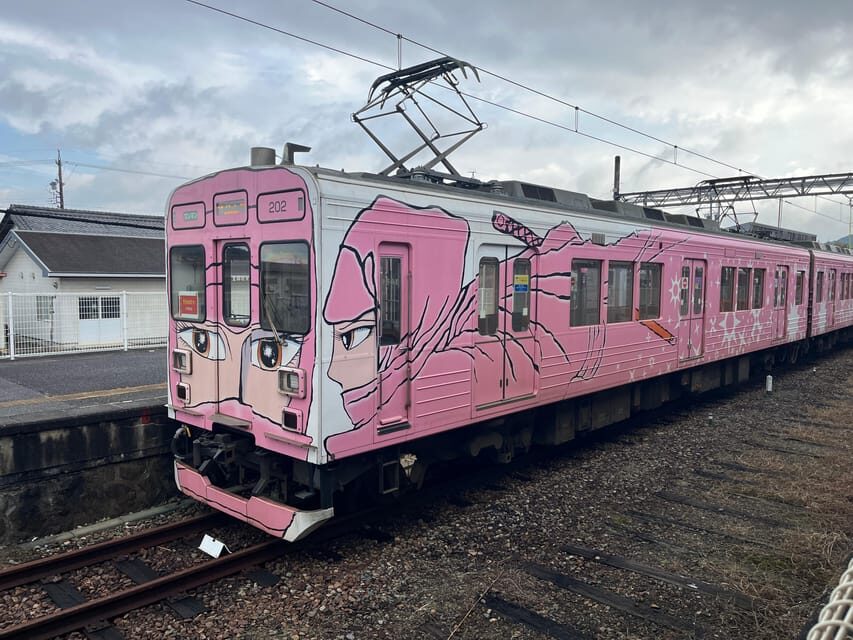
Iga isn’t trying to be a theme park. It’s a real town with real landmarks, and that matters because ninjutsu grew in a specific environment and community. When you spend the day on foot, you’re seeing how a town layout supports stories like secret routes and quick hiding spots.
I like that this tour anchors you in place, not just performance. You’re in Iga for a full day, so the ninja theme has room to breathe alongside museums and traditional buildings.
You can also read our reviews of more guided tours in Kyoto


Meeting Up and Getting Set for the Day (Osaka/Kyoto to Iga)
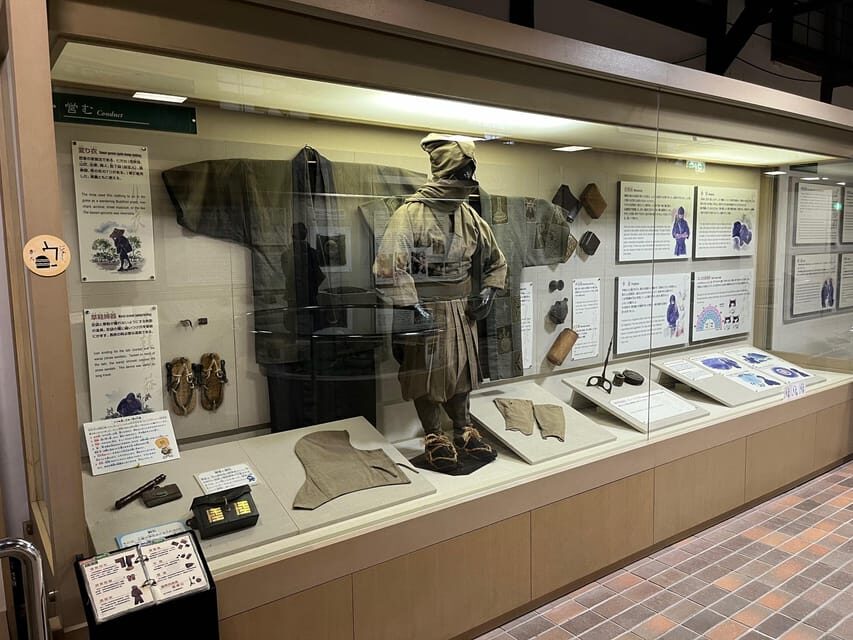
You have two pickup styles. If you’re staying in Osaka or Kyoto, you meet at 8:00am at your accommodation. If you prefer to start from Iga, you can meet at 9:00am at Uenoshi Station.
That flexibility is more useful than it sounds. If you’re short on time or already in the area, starting at Uenoshi Station keeps the day from feeling like pure transit. Either way, expect the tour to run for about 8 hours on foot and by public transport.
A private group also changes how the day feels. You’re not stuck behind a crowd, and your guide can adjust timing when a stop runs long or you have questions.
Ninja Henshin no Jutsu: The Best Way to Start
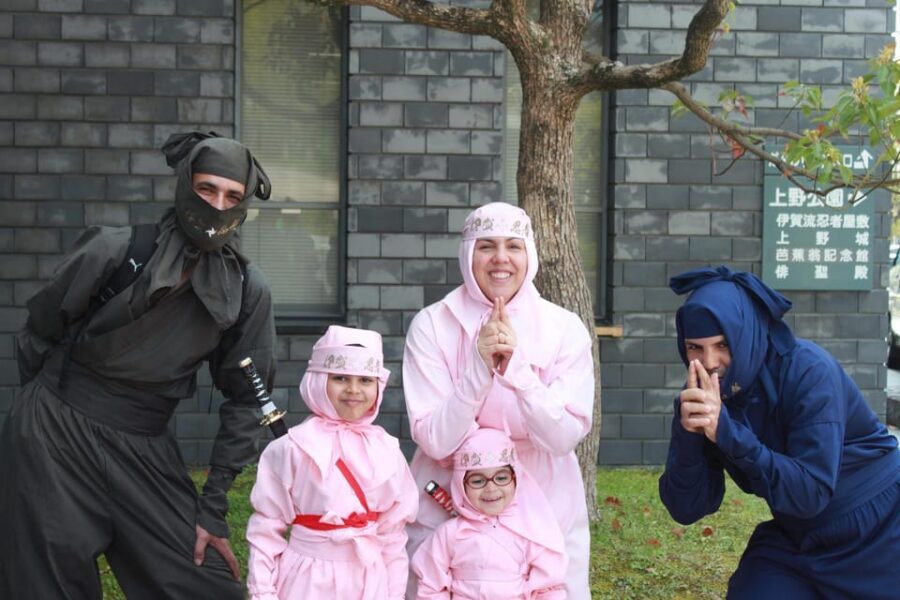
The tour kicks off with a ninja transformation moment: Ninja Henshin no Jutsu. Think of it as a guided start that puts you into the mindset of the day before you even reach the first big site.
This is where the experience earns its fun-to-history ratio. Instead of separating “entertainment” from “learning,” the tour uses the transformation as a bridge. You’ll be wearing the ninja vibe (and later possibly actual ninja outfit elements) while your guide sets context about what Iga ninjas were known for.
It also helps you pay attention. When you’re acting like the part, details like door placement, hiding spaces, and movement routes get more interesting than they would on a standard walking tour.
Danjiri Museum: A Cultural Warm-Up Before Ninja Territory
Before the ninja-focused stops, you go to the Danjiri Museum, with a guided visit and a short walk that takes about an hour.
Why include this when the day is about ninjas? Because Iga’s identity isn’t only about ninja tales. Museums like this give you local cultural grounding, so the rest of the day doesn’t feel like you’re traveling through a story with no real neighborhood context.
A small practical note: this part of the day is early enough that you’ll want to be awake and ready to listen. If you’re traveling with jet lag, plan for that, and drink water early.
Lunch Time at a Local Restaurant
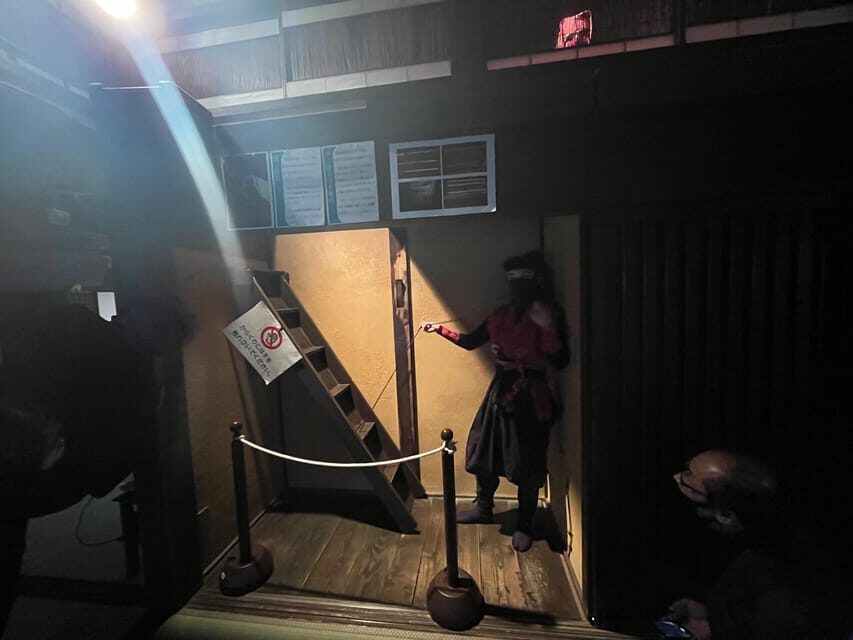
You’ll have lunch at a local restaurant for about an hour.
Lunch is listed as not included, so budget for it. In practical terms, this is the time to rest your feet, reset your energy, and ask your guide whatever you’re most curious about. A tour that includes a conversation-friendly guide can make lunch feel less like a break and more like part of the education.
Also consider that you’ll spend the rest of the day walking. If you can, keep lunch fairly light so you don’t feel sluggish during later castle and town stops.
You can also read our reviews of more private tours in Kyoto




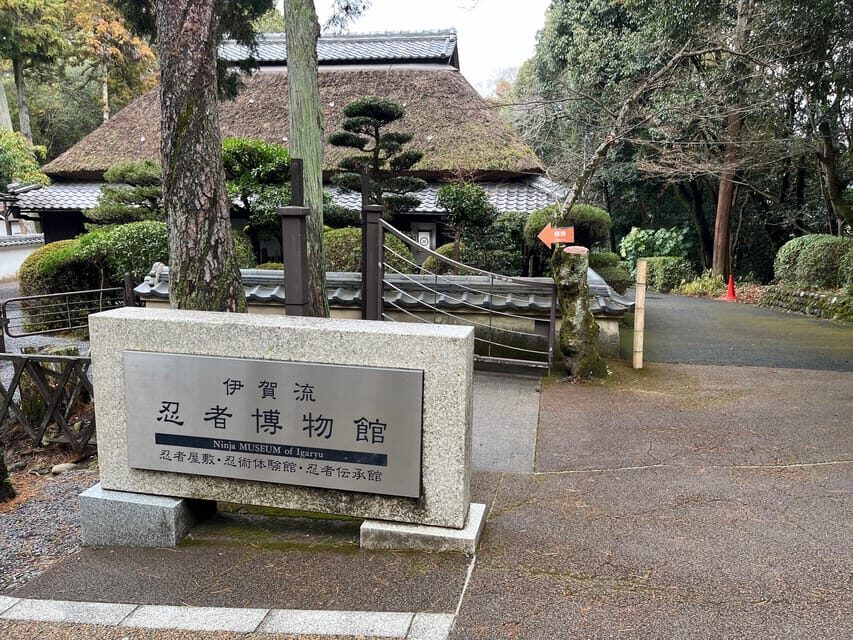
The Ninja House: Traps, Secret Passages, and Clever Hiding
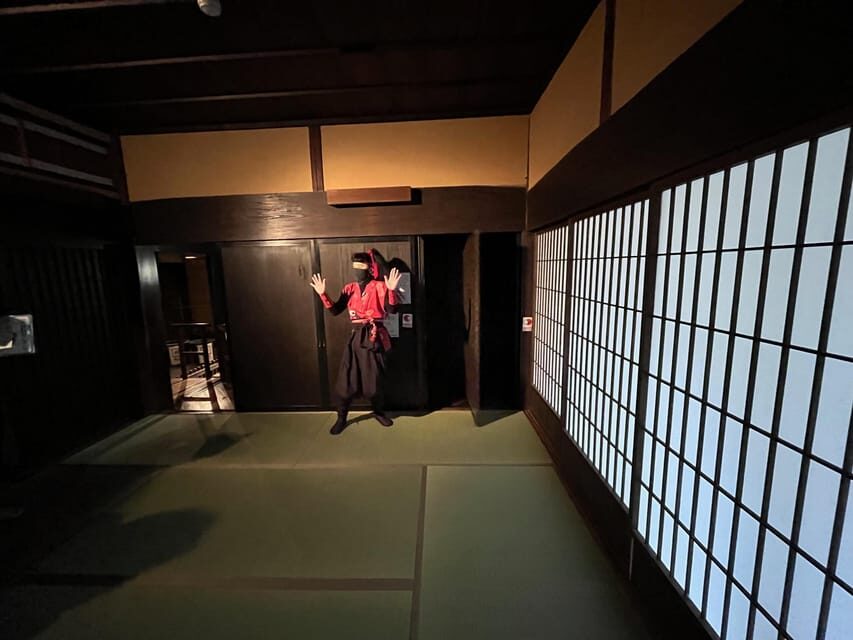
This is one of the most memorable pieces of the whole day. You’ll head to a ninja house and explore the layout, with attention to traps, secret passages, and hiding places.
Even if you’ve read ninja stories before, the “why” is what makes this stop work. It turns a mythic idea into something spatial. You start noticing how space itself becomes a tool: narrow movement, limited sight lines, and the logic of concealment.
Two things to watch for while you’re there:
- Listen to the explanations about how people would use the house layout.
- Follow the route your guide suggests so you get the full sequence, not just individual rooms.
This is also where the tour’s private nature shines. You can take your time without feeling rushed or swallowed by a group.
Iga-ryu Ninja Museum: Techniques, Ancestral Arts, and a Clear Narrative
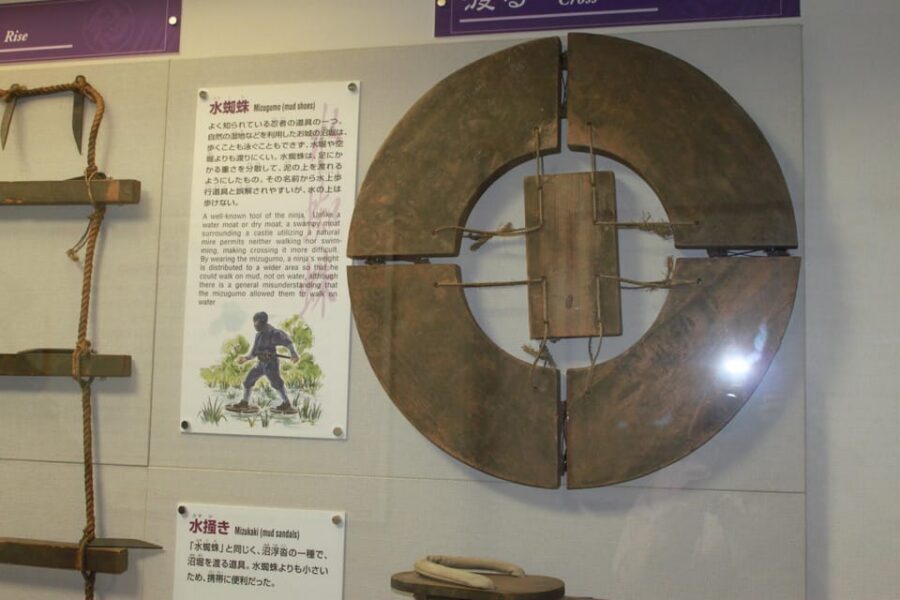
You’ll visit the Iga-ryu Ninja Museum for about an hour. There’s also another stop later in the day that includes additional time at an Iga-ryu-related museum section.
The value here is that it connects stories to practice. Instead of treating ninjas like generic action figures, the museum angle focuses on Iga-ryu history and their ancestral arts and techniques. That’s the difference between a vibe tour and a tour that gives you something you can carry home.
If you’re the type who likes understanding terms and themes, this is your payoff. Your guide can translate the big ideas into something you can remember later, especially if you ask questions during the guided portion.
One drawback to consider: museums can vary in how interactive they feel. The tour helps by giving a guided walk, but if you strongly prefer live performances, you’ll want to pay attention when the day shifts back to activity.
Ninja Show: Possible Acrobatics and Shuriken Practice
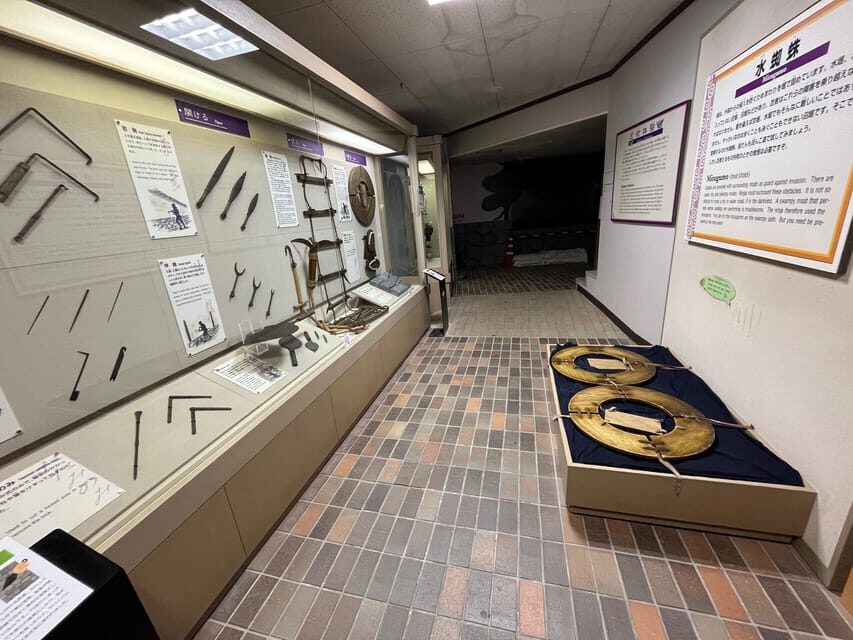
If it takes place, you’ll get a ninja show. The day is designed so you may see acrobatic performances by a troupe of real ninjas.
There’s also a chance to try some moves with shuriken throws. The key phrase here is if it takes place, meaning this is schedule-dependent.
When it does happen, this is where the tour becomes pure fun. You’ll see how skill, timing, and control are taught and performed, not just described. It also gives you a break from walking, since the show is more seated and focused.
If you’re visiting with kids, this kind of moment often becomes the highlight. If you’re visiting as an adult, it can still be the emotional peak of the day because it turns learning into something physical and immediate.
“Ninja Inheritance Hall” and the Ueno Castle Connection
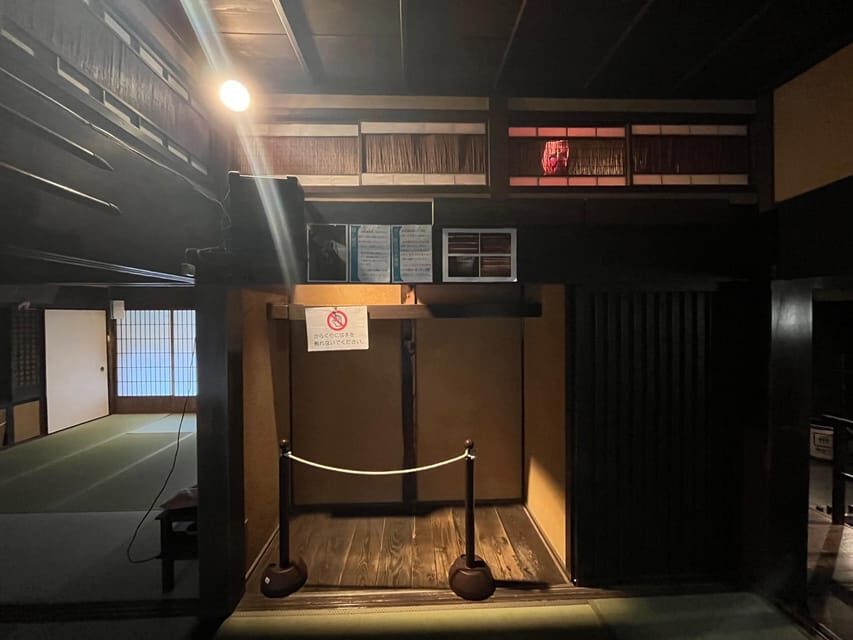
Next up is 忍者伝承館(上野城移築永倉), which you’ll visit with guided context and a longer walk time (about 1.5 hours).
The name alone hints at inheritance and place-based storytelling. You’re not just learning ninja basics; you’re getting a sense of how these traditions were carried and how buildings and locations fit that story. You’ll also be moving closer to the castle area, which helps the day feel like it escalates naturally.
This is a good moment to slow down a touch. Take in the guided explanations before you rush onward. When the tour transitions into castle and town exploring, you’ll understand more than you would if you only skimmed this part.
Iga Ueno Castle: Optional Entry, Big Sense of Place
You’ll visit Iga Ueno Castle with guided context and walking time (listed as about an hour). This stop is also marked as optional, with a 500 JPY cost if you choose to include it.
Even if you’ve seen other Japanese castles, a day like this makes a castle visit feel different. It’s not only about walls and views. It becomes a contrast point: ninjas are associated with stealth and hiding, while castles symbolize power and visibility.
If you include the castle ticket, it’s worth staying engaged with your guide’s framing. If you skip it, you may still get plenty from the surrounding town exploration, but you’ll miss that castle-specific viewpoint.
赤井家住宅: Traditional House Time That Completes the Story
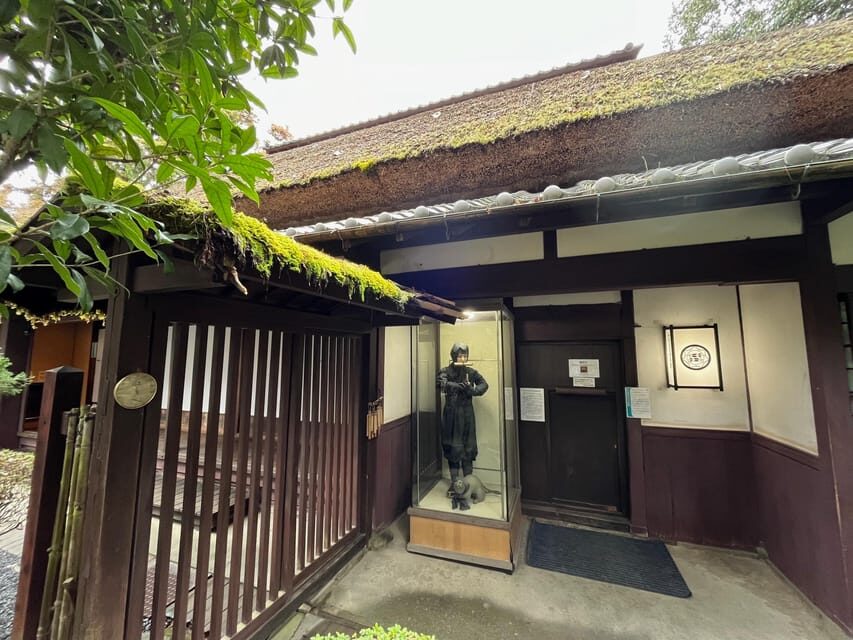
The day ends with a visit to 赤井家住宅 (a traditional residence). You’ll spend about 1.5 hours there with guided touring.
This stop works because it helps you connect “technique” with “daily life.” Ninja tactics weren’t invented in a vacuum. They lived in and were shaped by how people built, moved, and organized their homes and community spaces.
You’ll likely come away with a better sense of why certain hiding ideas are plausible in real architecture. The tour’s pacing also helps: after the castle and town vibe, the residence brings you back to lived-in details.
Wearing the Ninja Look While You Explore the Town
At some point in the day, you’ll explore the city wearing your ninja outfit. Ninja outfit rental is listed as 1,500 JPY per person and is not mandatory.
This part is surprisingly useful. If you’re dressed for the theme, you’ll take photos in a way that feels less like souvenir shopping and more like stepping into the story. It also supports the tour’s approach: you’re meant to move through Iga like you belong there.
If you do rent the outfit, factor in time for fitting and comfort. You’ll be on your feet later, so choose layers you can handle during walking.
Price and Value: What You Pay for the Full-Day Experience
The price is listed at $245 per person for a private group and a full 8-hour outing. That’s not a low-cost add-on, but it makes sense for three reasons.
First, it’s private: you’re getting one-on-one guiding instead of sharing attention with a crowd. Second, the day includes multiple guided stops across Iga, plus the transformation moment and a ninja house visit. Third, any show or shuriken practice (when it happens) adds real experience value rather than only sightseeing photos.
Now, what you should budget on top:
- Round-trip transport fee from Osaka or Kyoto: 4,000 JPY per person
- Lunch fee: around 2,000 JPY per person
- Danjiri Museum: 500 JPY per person
- Ninja outfit rental (optional): 1,500 JPY per person
- Iga Ueno Castle (optional): 500 JPY per person
The practical takeaway: if you start from Osaka/Kyoto, the base price doesn’t cover everything. Still, the day is structured so the paid portions tend to unlock major stops, not filler.
Getting Around and Timing: An 8-Hour Day Needs a Plan
This tour runs for about 8 hours and uses a mix of walking and public transport. That’s part of the authenticity: you’re moving through a real place, not just transferring from one vehicle to another.
So plan like a walker:
- Bring water.
- Wear shoes you trust for long stretches.
- Keep your energy for the later stops like castle and the traditional residence.
If you’re sensitive to long days, consider how your “travel stamina” matches the schedule. This isn’t a short hit-and-run. It’s a full outing built to feel like a complete narrative.
Guide Quality Matters Here (Mouloud’s Style)
One name that shows up in the experience feedback is Mouloud. The tone of the guiding is warm, with genuine conversation, and it blends cultural context with fun.
That kind of guide matters because ninja stories can turn into vague mythology if nobody gives structure. Here, the guidance keeps things connected: transformation, house design, museum teachings, then town and castle context.
If you enjoy asking questions and talking during walks, this format should suit you.
Who This Ninja Tour Is Best For
I’d point you toward this tour if you:
- Want a full-day, private experience in Iga that’s more than just a costume photo
- Like learning Japanese culture through place-based stops like museums and traditional houses
- Prefer interactive elements, like trying ninja-themed moves when available
I’d be cautious if you want a super-short, light day or if you dislike walking for most of the day. The pacing is built for immersion in the experience flow, and that means time on your feet.
Should You Book This Iga Ninja Day?
I think this is a strong booking if you want your ninja theme to feel grounded in Iga’s real buildings and local interpretation. The mix of transformation, a ninja house visit with traps and hidden passages, and Iga-ryu museum time makes it more satisfying than a typical “just entertain me” tour.
If you’re okay budgeting for lunch and a couple of optional entries, you’ll get good value out of a private 8-hour format. If you’re traveling from Osaka or Kyoto, start with the transport fee in mind and plan your day as an active one.
FAQ
How long is the ninja experience?
The tour lasts 8 hours.
Is this tour private?
Yes, it’s a private group tour.
Where do I meet the guide in Osaka or Kyoto?
You meet at 8:00am at your accommodation in Osaka or Kyoto.
Can I meet in Iga instead?
Yes. You can meet at Uenoshi Station in Iga at 9:00am.
What languages are available for the live guide?
The guide is available in French, English, and Japanese.
Is the tour wheelchair accessible?
The tour is listed as wheelchair accessible.
What costs are not included in the listed price?
Transport from Osaka or Kyoto (4,000 JPY round trip), lunch (around 2,000 JPY), and some attraction fees like Danjiri Museum (500 JPY) are not included. Ninja outfit rental (1,500 JPY) and Iga Ueno Castle (500 JPY) are also not included and are optional.
Do I have to rent a ninja outfit?
No. Ninja outfit rental is not mandatory, but the tour includes time exploring the city wearing your ninja outfit if you choose to rent it.
Will there definitely be a ninja show?
The show depends on whether it takes place. If it happens, you may see acrobatic performances and there may be a chance to try shuriken throws.
Where does the tour end?
The tour finishes at Uenoshi Station.
Is it refundable if plans change?
Yes. You can cancel up to 24 hours in advance for a full refund.
Can I reserve and pay later?
Yes. It offers a reserve now & pay later option.