REVIEW · KYOTO
Kyoto: Gion & Geisha district evening tour
Book on GetYourGuide →Operated by DeepExperience, Inc. · Bookable on GetYourGuide
Kyoto’s geisha world looks different after dark. This 150-minute evening walk threads through Gion, Hanamikoji, and Miyagawacho with a guide who explains what you’re actually seeing, not just where to stand. I like that the pacing is relaxed enough to absorb details, and I also like the focus on places tied to Kyoto’s traditions, including Yasui Konpiragu Shrine and the end at Yasaka Shrine. One possible drawback: the tour doesn’t promise you’ll spot geiko or maiko, since privacy is part of the culture and sightings depend on timing.
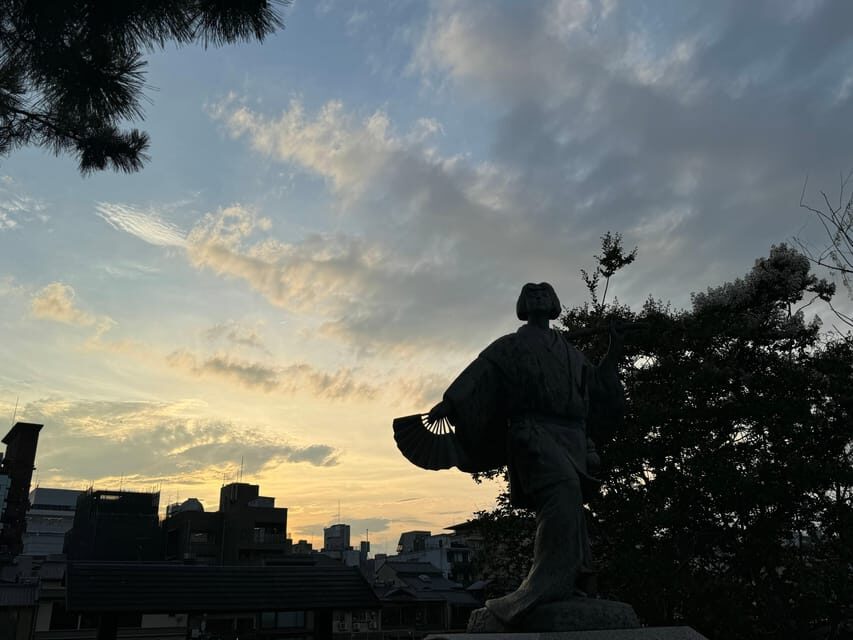
What stands out most is how the route connects streets that tourists often rush past with context you’d miss on your own. You’ll start near the Izumo-no-Okuni statue at Shijo Ohashi, then move through the atmosphere of Gion Shirakawa and along classic lanes like Hanamikoji Street, before shifting to the calmer feel of Miyagawacho. The tour also adds meaning through the Yasui Konpiragu Shrine stop, which is described as special for relationships.
If you’re expecting a food-centered evening outing or guaranteed geisha sightings, you may feel shortchanged. The experience is a guided walk with insights; food and beverages are not included, so plan on grabbing something before or after.
In This Review
- Key highlights you’ll notice right away
- Why an evening geisha walk feels more real
- Starting at Shijo Ohashi: Izumo-no-Okuni sets the tone
- Gion Shirakawa: where tradition is still the main character
- Hanamikoji Street: the classic lane and the stories behind it
- Miyagawasuji and Miyagawacho: the quieter side of the same world
- Yasui Konpiragu Shrine: relationships, not just landmarks
- From Yasaka Pagoda past Ninenzaka to Ishibe Alley
- Guide style, group size, and how to get real value in 150 minutes
- Price and value: when $64 makes sense
- Etiquette and practical tips that keep the experience pleasant
- Should you book this Kyoto Gion & Geisha district evening tour?
- FAQ
- What is the duration of the Kyoto: Gion & Geisha district evening tour?
- Where do I meet the guide?
- Is this tour a private group?
- What languages are available?
- What’s included in the tour?
- Is food and drinks included?
- Does the tour end at Yasaka Shrine?
- Is photography allowed everywhere?
- Is there free cancellation?
- Can I reserve and pay later?
Key highlights you’ll notice right away
- Nighttime Gion and Hanamikoji: the mood is softer, and the streets feel more like a lived-in neighborhood than a stage
- Gion Shirakawa and Miyagawacho: you get contrast between the best-known lanes and the quieter geisha district feel
- Yasui Konpiragu Shrine: a relationship-linked stop that gives the area a deeper, more personal layer
- Yasaka Pagoda to Ninenzaka and Ishibe Alley: you finish with classic old-town streets and big Kyoto views
- Private-group pacing with a live guide: you can ask questions and move at the speed of understanding
- Respect-first guidance: you’ll get reminders about privacy and photography limits in certain areas
Why an evening geisha walk feels more real
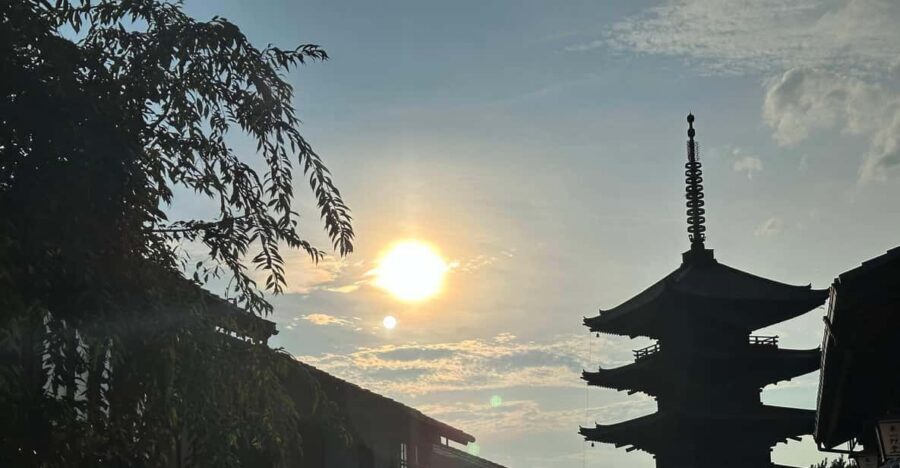
Night changes Kyoto. The lantern light and slower foot traffic make Gion’s streets feel less like a checklist and more like a place where people go about their evenings. That matters because geisha districts aren’t theme parks—part of the point is privacy, and the culture looks better when you’re not storming it with daytime energy.
This tour leans into that. You’re walking through the heart of the traditional world—Gion Shirakawa, Hanamikoji Street, and Miyagawacho—with a guide who helps you interpret what you might otherwise treat as scenery. Even if you’re not obsessed with the details of geisha and maiko roles, the context makes the experience click: you’re learning the difference between historical forms, modern practice, and the etiquette behind what you see.
I also appreciate that the evening format gives you built-in atmosphere for photos—within the limits where photography is allowed. Just remember: the tour’s goal is respectful viewing, so you’ll want to keep your phone down when someone asks, or when signage indicates restrictions.
You can also read our reviews of more evening experiences in Kyoto


Starting at Shijo Ohashi: Izumo-no-Okuni sets the tone
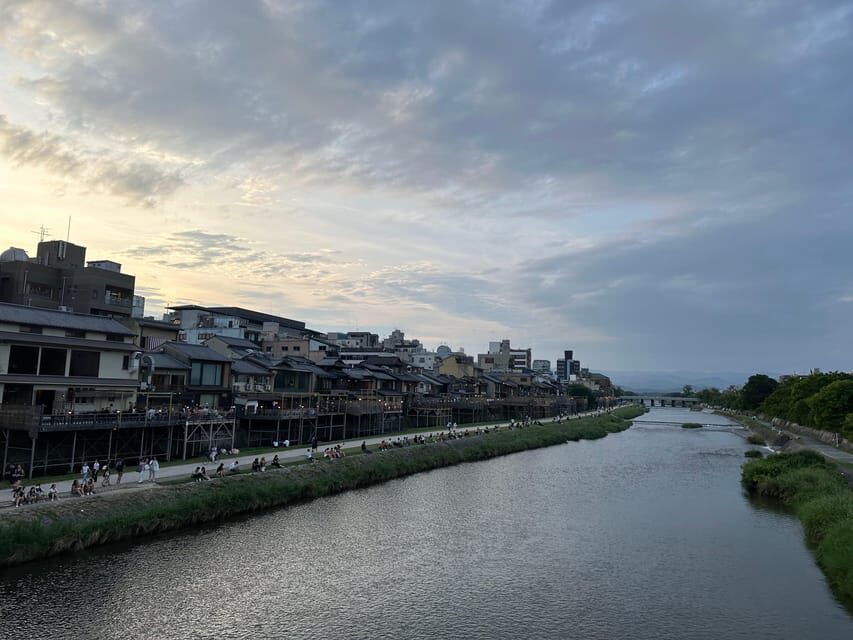
Your meeting point is the Statue of Izumo-no-Okuni. That location isn’t random. Izumo-no-Okuni is tied to the cultural roots of Kyoto’s performing arts world, so meeting here gives you a “why this area matters” starting point before you even hit the famous streets.
From there, you head into the geisha districts. The early minutes are often where people get impatient, but this tour’s structure helps you settle in. Think of it as a warm-up: you’re getting oriented, learning the basic terms for geisha, maiko, and geiko, and understanding what behaviors are expected if you’re observing from the sidewalk.
Practical note: you’ll be on your feet for a while. Comfortable shoes aren’t a suggestion here—they’re part of enjoying the walk, especially on Kyoto’s slopes and stone paths.
Gion Shirakawa: where tradition is still the main character
The tour’s first district stop is Gion Shirakawa. This is the area most closely associated with traditional teahouses, and it’s where many people come hoping to see geisha in action. Even when sightings are quiet, the street layout and historical atmosphere do the job.
Here’s what you’ll gain with a guide: a grounded explanation of how geisha and maiko culture is organized, why certain places function as meeting spaces rather than public attractions, and how to read the scene without treating it like a performance you’re entitled to watch.
One subtle advantage of going with a guide at night is that you can often pick up the “unwritten rules” fast. For example, you’ll be reminded to keep your distance and to treat people respectfully, even when the setting invites curiosity. That respectful tone isn’t just etiquette—it helps you avoid the awkward moments that can happen when visitors crowd in.
Hanamikoji Street: the classic lane and the stories behind it
Next comes Hanamikoji Street, one of the most recognizable names in Kyoto. By itself, Hanamikoji can feel like a film set—especially in daytime. At night, it’s calmer, and with the guide’s explanation it becomes more interesting than the photos.
This is where the tour aims to connect the visual details to meaning. You’ll likely hear stories that help you understand the roles of geiko and maiko, how tradition continues through modern practice, and how the district’s history shapes daily routines. The guide also helps you spot what’s worth looking at without turning every doorway into a quest.
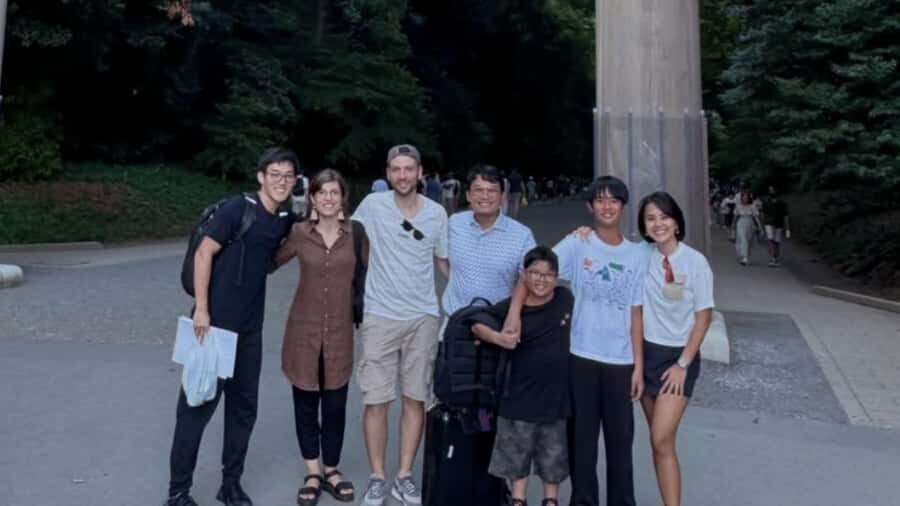
If you’re bringing kids, this part can work well because the guide-focused format keeps questions flowing. One past group specifically praised the guide’s patience and engagement with a tween and teen, which tells you something about the tour style: it isn’t a lecture; it’s a conversation that still stays respectful.
Miyagawasuji and Miyagawacho: the quieter side of the same world
After the iconic lanes, the tour shifts to Miyagawasuji and the quieter Miyagawacho district feel. This contrast is a big part of the value. Instead of giving you only the loudest, most famous streets, you get a softer rhythm—less rush, more atmosphere.
Why that matters: Kyoto’s geisha districts have different moods block to block. Some streets feel like the headline. Others feel like the daily life behind the headline. Miyagawacho is described as lesser-known, and that checks out in how it allows you to see the district as a preserved neighborhood rather than a spectacle.
This is also a good moment to slow down your expectations. If the goal is to learn, you’ll likely enjoy the tour more. If the goal is to catch a geisha sighting on command, you might find yourself frustrated—so I’d treat geisha as a bonus rather than a promise.





Yasui Konpiragu Shrine: relationships, not just landmarks
The tour includes a stop at Yasui Konpiragu Shrine, described as special and tied to relationships. That’s a meaningful theme because it reframes what you’re doing. You’re not only walking through a visually famous area—you’re stopping at a place where local tradition and symbolism have a personal angle.
A shrine stop also changes the tone of the evening. It gives you a natural pause in the walk, and it helps you connect Kyoto’s cultural layers: performing arts districts and religious life overlap more than you might expect. Even if you don’t know the specific details of the shrine yet, the guide context should help you understand why this stop belongs in a geisha-focused evening route.
If you like tours that add depth instead of just moving you from photo spot to photo spot, this shrine stop is one of the best parts of the itinerary.
From Yasaka Pagoda past Ninenzaka to Ishibe Alley
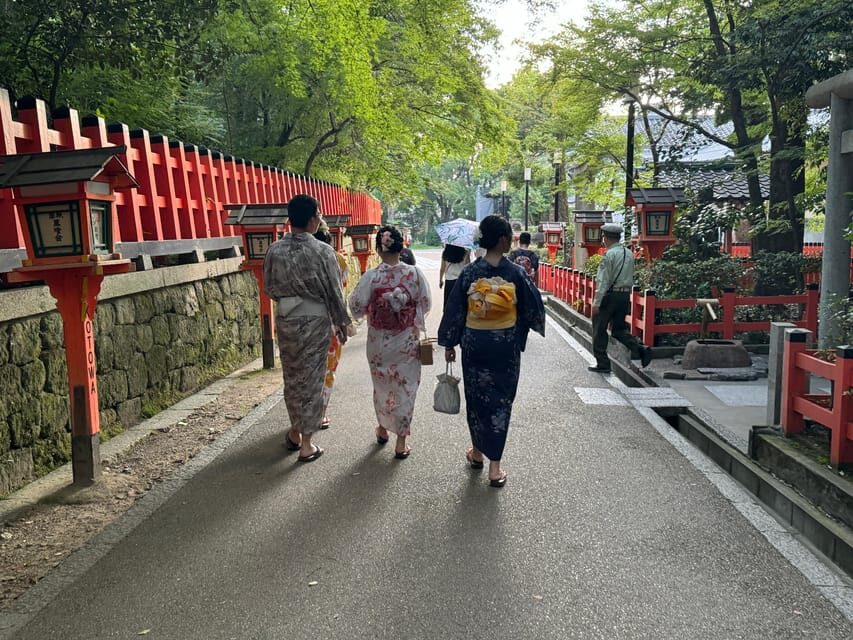
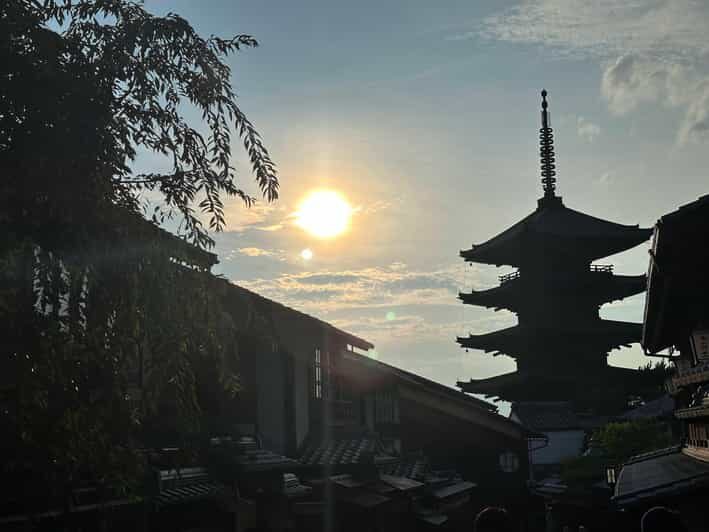
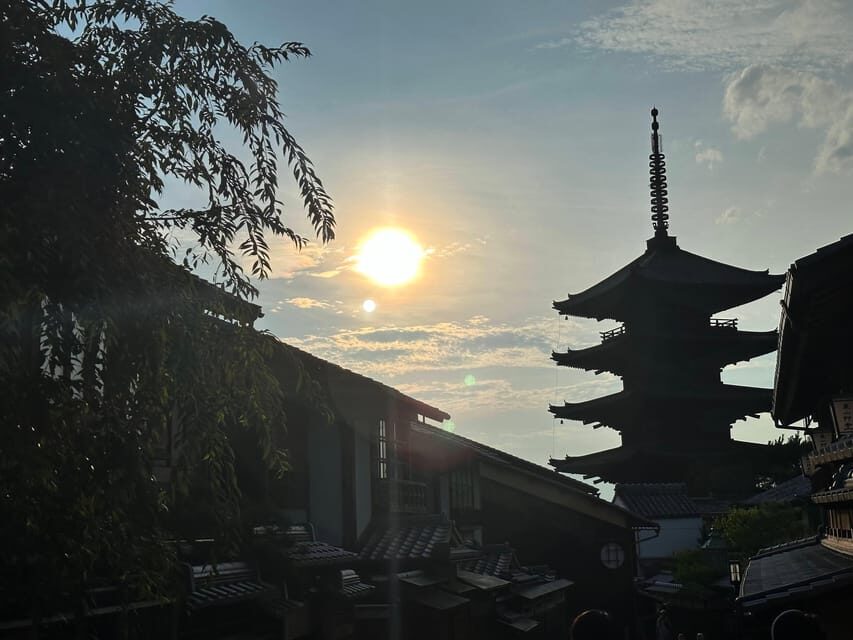
After the shrine stop, the route turns toward the iconic old-street approach: a scenic walk past Yasaka Pagoda, through Ninenzaka, and along Ishibe Alley, finishing near Yasaka Shrine.
This segment is less about geisha-specific learning and more about making the whole evening feel complete. Ninenzaka and Ishibe Alley are classic Kyoto lanes, and they’re especially atmospheric at night. You get the sensation of walking through preserved streets where the city’s traditions show up in architecture and street texture.
It also serves as a practical rhythm change. You’ve spent part of the evening learning about a specific cultural world; now you’re getting a visual payoff: views, stone steps, and the kind of scene that helps you remember Kyoto as a place, not just a single district.
Guide style, group size, and how to get real value in 150 minutes
This is a private group experience with a live guide in Japanese and English. The private format matters because it changes how you can ask questions. In smaller groups, guides can adjust—maybe you want more background, maybe you want the social etiquette basics, maybe you want to focus on the stories behind specific streets.
Past groups have praised guides for being patient and engaging, including one guide named Yurie (spelling may vary), highlighted for expertise and a calm, attentive approach. That’s a good sign if you want more than a generic narration. The best part of a guided night walk isn’t that someone points things out; it’s that someone helps you understand why they matter.
To get the most value out of the full 150 minutes, come with one clear goal:
- If your goal is understanding, you’ll love the structure and explanations.
- If your goal is geisha spotting only, you might feel disappointed, because privacy is real and sightings aren’t controllable.
A quick tip: bring your questions. If you’re curious about how geisha and maiko roles work, or what certain places represent, ask early. The guide can steer you toward what to notice as you walk.
Price and value: when $64 makes sense
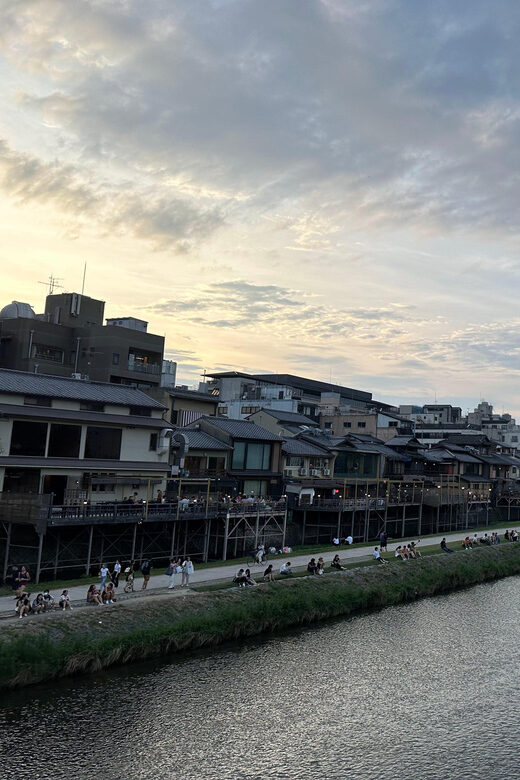
At $64 per person for a 150-minute evening guided walk, you’re paying for three things:
1) time with an expert guide who explains what you’re looking at,
2) a guided route through multiple districts in one sitting,
3) a calmer evening experience that’s easier than stitching together directions on your own.
That said, one criticism you should take seriously: the tour is not positioned as an all-in-one night out with food. Since food and beverages aren’t included, you’ll still spend money elsewhere. And if you’re staying near Gion and you’re comfortable walking around respectfully, you might be able to explore on your own for less.
So here’s how I’d decide:
- Choose this tour if you want meaning, not just scenery—especially if geisha culture is new to you.
- Skip or DIY if you mostly want a simple walk for atmosphere and you’re not eager for cultural context.
- If you’re traveling with kids or teens, the private pacing and guide engagement can make the time feel more worthwhile than a self-guided wander.
For me, the value hinges on whether you’ll use the guide’s explanations. If you do, the price stops feeling high and starts feeling fair.
Etiquette and practical tips that keep the experience pleasant
This type of tour works only if everyone plays along. The basics are simple:
- Wear comfortable shoes. Kyoto evenings include walking plus uneven stone and stairs in parts of the route.
- Be respectful of geishas and their privacy. Keep your distance and don’t crowd for a photo.
- Remember that photography may not be allowed in certain areas. If something looks restricted, follow the local cues and the guide’s direction.
- Keep expectations realistic. The evening is for learning and atmosphere; sightings are not guaranteed.
Also, since it’s an evening walk, dress for night comfort. Even if Kyoto is mild, you’ll feel cooler walking longer than you expect, especially after the sun drops.
Should you book this Kyoto Gion & Geisha district evening tour?
Book it if you want an evening that feels like Kyoto culture instead of a crowded sightseeing sprint. I’d especially recommend it if you’re interested in geisha and maiko stories, you like being guided through historic districts, and you want a structured route that includes both major streets and a calmer side like Miyagawacho.
Don’t book it if you’re only chasing geisha sightings, or if you want food included as part of the ticket. Also pass if you’re already planning to wander Gion on your own and you don’t care about learning the background that turns streets into stories.
If you’re on the fence, the biggest clue is this: do you want the why, or do you just want the where? This tour is built for the why.
FAQ
What is the duration of the Kyoto: Gion & Geisha district evening tour?
The tour lasts about 150 minutes.
Where do I meet the guide?
Please meet your guide in front of the Statue of Izumo-no-Okuni. The guide will be holding a yellow sign with the DeepExperience logo.
Is this tour a private group?
Yes, it’s listed as a private group.
What languages are available?
The live guide is available in Japanese and English.
What’s included in the tour?
You get a guided evening walk through Kyoto’s historic districts, visits in Gion Shirakawa, Hanamikoji Street, and Miyagawacho, a stop at Yasui Konpiragu Shrine, and a scenic walk past Yasaka Pagoda through Ninenzaka and Ishibe Alley, finishing near Yasaka Shrine. You also receive insights into the geisha world from the guide.
Is food and drinks included?
No. Food and beverages are not included.
Does the tour end at Yasaka Shrine?
Yes, the tour concludes with a walk finishing at Yasaka Shrine.
Is photography allowed everywhere?
Photography may not be allowed in certain areas, so you should follow any signs and your guide’s instructions.
Is there free cancellation?
Yes, cancellation is free up to 24 hours in advance for a full refund.
Can I reserve and pay later?
Yes. The tour offers reserve now & pay later.