REVIEW · TOKYO
Tokyo: Meiji Shrine Walking Tour with Local Guide
Book on GetYourGuide →Operated by Exsighting Tokyo · Bookable on GetYourGuide
Meiji Shrine can feel like a postcard. The best part is the quiet rules you’re meant to follow. This walking tour takes you through the sacred grounds with a local guide, so you understand what you’re seeing instead of just passing it on the way to the next photo.
I especially like the way the guide teaches rituals you can actually do: bowing when you pass the torii gate, cleansing and praying in the traditional way, and what to do with your feet and path. Second, I love the mix of “main shrine” moments with lesser-known quiet stops, like the Imperial Fishing Platform and a calm corner that most people miss.
One consideration: this is a real walk on mostly shrine-path terrain, so wear comfortable shoes and expect to move at a steady pace through the grounds.
In This Review
- Key reasons this Meiji Shrine walk is worth your time
- Meiji Shrine’s forest feels different when someone explains it
- Meeting your guide with the blue A4 board (and why it matters)
- Outer Worship Hall: the wishing, bowing, and New Year connection
- Torii gate etiquette: bowing and walking on the correct side
- The “sacred space” feeling: why the approach works so well
- Turtle stone and sazare stone: learning to read the details
- The Imperial Fishing Platform: a calm corner with Emperor-era context
- Finishing at the bicycle parking area near Harajuku Station
- Price and value: why $20 is a good deal here
- What to bring and how to prepare for the walk
- Who this tour is best for (and who might want something else)
- A quick reality check: what “guided” means here
- Should you book this Meiji Shrine walking tour?
- FAQ
- What is the price of the Tokyo Meiji Shrine Walking Tour?
- Where does the tour start and how do I find the guide?
- What is the tour language?
- What will I do during the tour?
- Which places are included in the tour?
- What should I bring?
- How does the tour end?
- Can I pay later and get a refund if plans change?
Key reasons this Meiji Shrine walk is worth your time
- Torii gate etiquette that makes sense (including where to walk on the approach)
- Hands-on guidance for bowing, cleansing, and praying in the traditional style
- Hidden-feeling viewpoints, like the Imperial Fishing Platform
- Stories in the details, including stone features like the turtle stone and sazare stone
- A thoughtful ending near Harajuku, so you can roll right into your Tokyo day
Meiji Shrine’s forest feels different when someone explains it
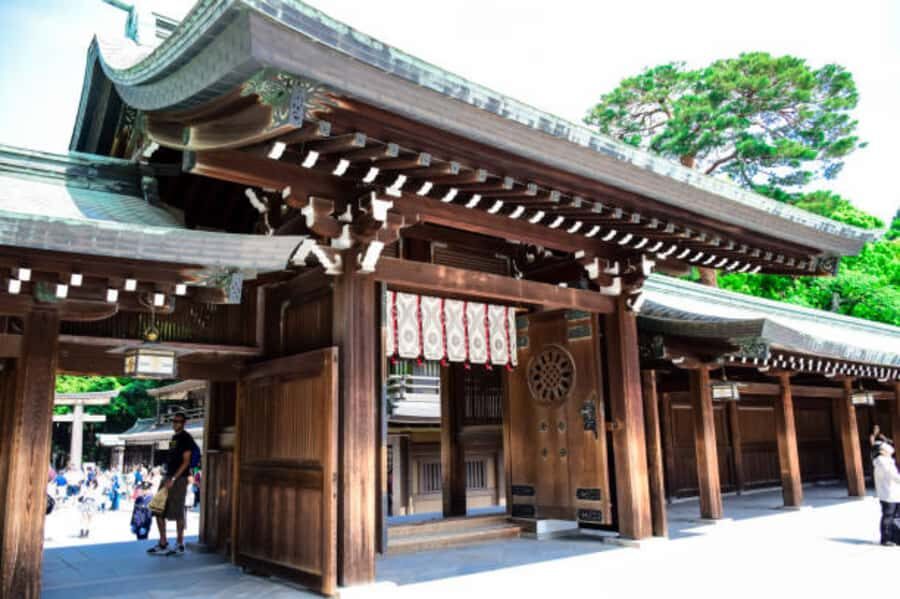
Meiji Jingu is one of Tokyo’s most iconic spiritual stops, but it’s also easy to treat like a timed attraction. The big difference here is that you slow down and learn how the shrine works as a place of respect. You don’t just look at the gates and halls. You learn the rhythm of being there.
The tour focuses on the area around Meiji Shrine through walking paths that step you away from street noise. You also get cultural context along the way, which changes how you read everything: the approach, the space, even your posture.
And the best part is value. At about $20 per person, you’re paying for a local guide plus photo stops and cultural insights—so you’re not left guessing what matters.
You can also read our reviews of more walking tours in Tokyo


Meeting your guide with the blue A4 board (and why it matters)
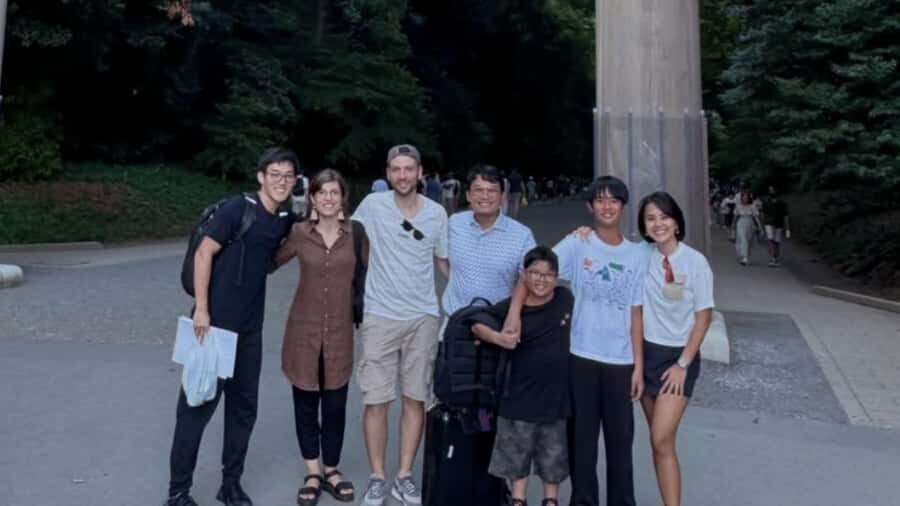
You’ll start by meeting the guide who is holding a blue A4-sized board. That detail matters more than it sounds. Tokyo meeting points can be chaotic, and having a clear visual cue helps you start calmly.
The tour ends back at the meeting point, and it also finishes near Harajuku Station for an easy transition to your next plan. That pairing is convenient: you get shrine time first, then you’re quickly positioned for shopping, people-watching, and food around Harajuku.
The guide speaks English (and Japanese), and you’ll get photo stops during the walk. That matters because Meiji Shrine is visually rich—but it’s also a place where you want to be respectful. Good guidance keeps your photos from turning into accidental “tourist chaos.”
Outer Worship Hall: the wishing, bowing, and New Year connection
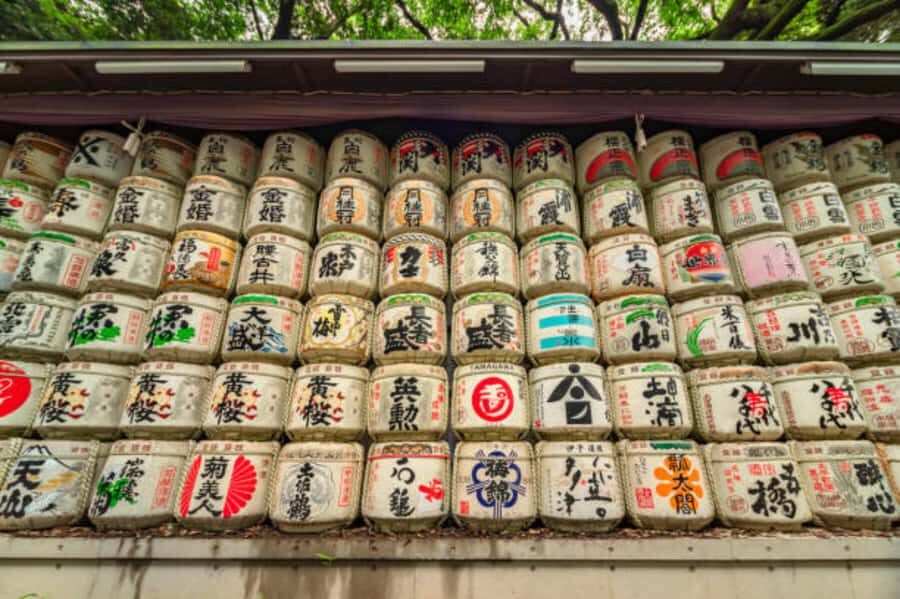
The walk begins at the Outer Worship Hall area. This is where locals come to make wishes and offer respect, and it helps set the tone fast. You’re not just heading toward the big building. You’re entering a working spiritual space.
This stop is where you learn what many people skip: how to bow, cleanse, and pray the traditional way. The guide ties it to familiar Japanese customs, including the way people practice during New Year’s. That connection is useful because you understand it as a living tradition, not a museum ritual.
Practically, you’ll come away with body-language that feels natural. Bowing at the right moment and approaching with respect can feel awkward the first time. With a guide, you’re not guessing, and you’re not standing out for the wrong reasons.
Torii gate etiquette: bowing and walking on the correct side
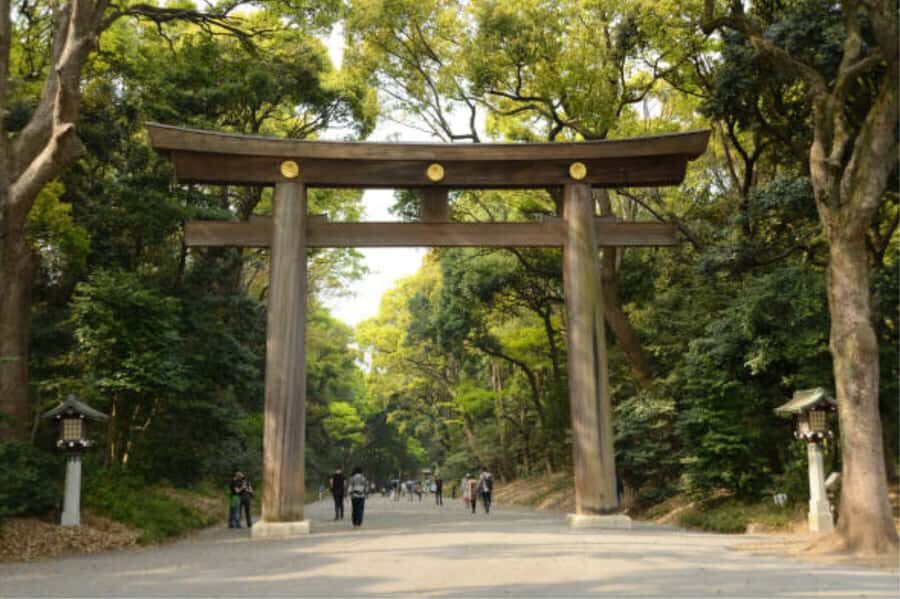
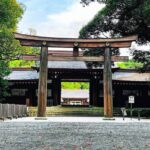
The torii gate isn’t just a dramatic entrance. It’s part of a sequence of respect. One of the strongest parts of this tour is the instruction on what you do when you pass through.
You’ll learn bowing customs associated with passing the torii gate. You’ll also learn an approach detail that surprised me—in the central approach, the gods are understood to walk, so visitors should not walk in the middle. The guide explains that you should walk on the left side when you’re coming up through the approach.
This isn’t trivia. It changes how you physically move. Suddenly, the path makes sense. The space isn’t random. It’s designed for how people are meant to move through it.
If you’ve ever felt uneasy at Japanese shrines—like you’re not sure if you should pause, where to stand, or whether you’re in the way—this is exactly the kind of guidance that makes you comfortable.
The “sacred space” feeling: why the approach works so well
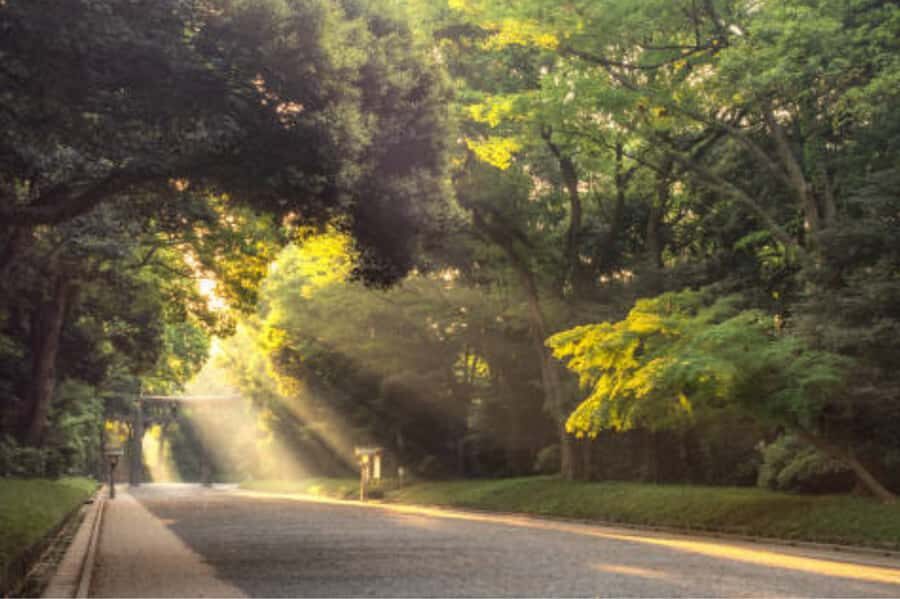
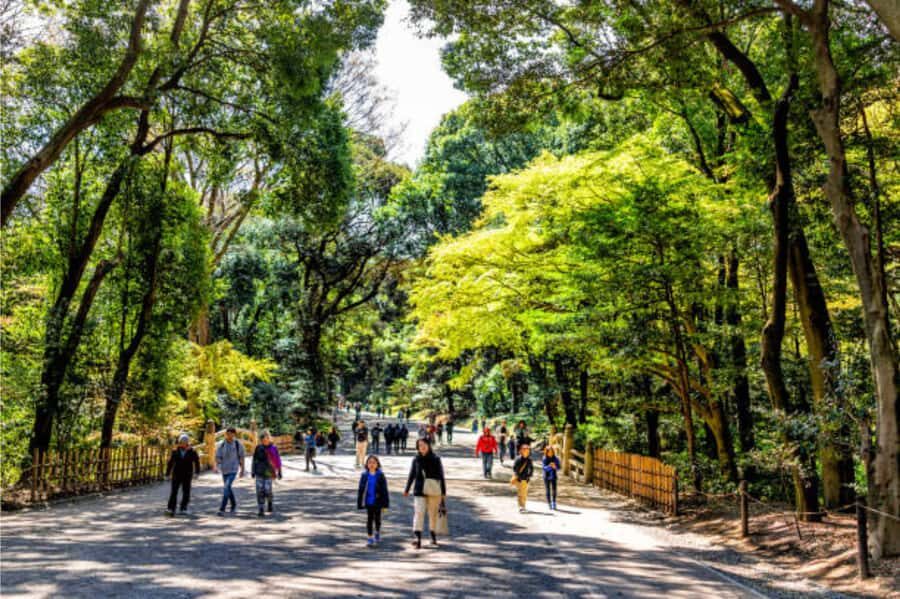
Meiji Shrine’s approach creates a special effect. Even before you reach the main hall, the layout and timing make it feel like you’re stepping into a quieter world.
The guide explains why the approach feels sacred—how the space is shaped to guide attention and respect. You also learn to notice the structure of the walk: where the main focal points are, why certain areas feel calmer, and how the approach gradually leads you toward the center of worship.
When I think about why this matters, it’s because it changes your mindset. If you treat the approach like a photo corridor, it passes by fast. If you treat it like a respectful walk, you start noticing details: the sound of your footsteps, the way people pace themselves, and how the shrine creates a calm buffer inside Tokyo.
You can also read our reviews of more guided tours in Tokyo






Turtle stone and sazare stone: learning to read the details
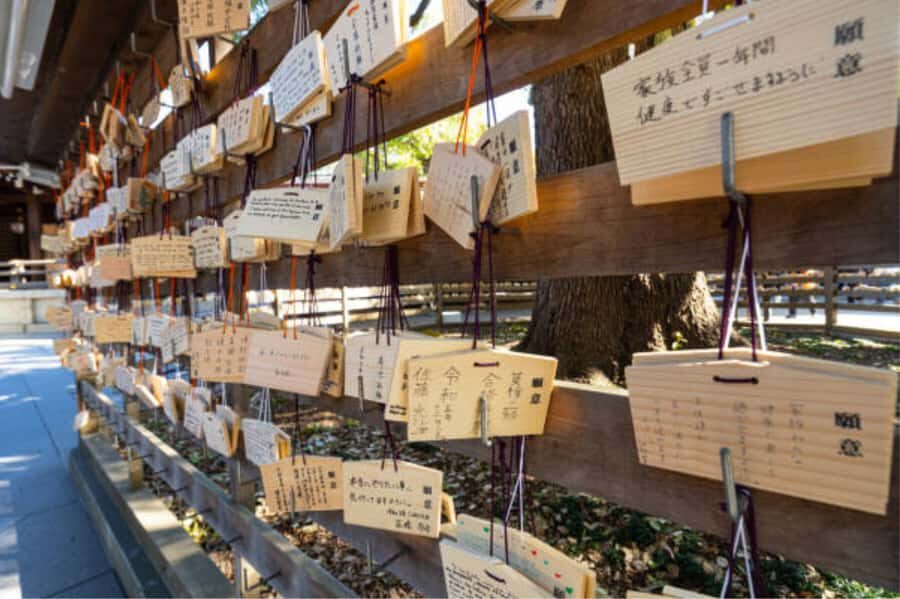
A standout moment is getting access to explanations around the main hall area—specifically learning what you’re looking at when the guide points out certain features.
During the walk, the guide shares context about the turtle stone and the sazare stone. These are the kinds of details many visitors never fully understand because they’re easy to overlook. With guidance, you see them as intentional parts of the shrine’s meaning rather than decorative background.
You also get a clearer sense of the main shrine approach and what’s considered the central worship area. One of the best effects of this kind of instruction is confidence: you don’t feel like you have to “figure it out” on your own in a crowded moment.
This tour also makes it easier to visit in your own way afterward. When you understand a couple of key elements—like bowing timing and the role of the approach—you can carry that awareness into future shrine visits.
The Imperial Fishing Platform: a calm corner with Emperor-era context
After the busier ritual areas, you’ll visit a quieter stop: the Imperial Fishing Platform. It’s described as a calm corner of the shrine that fewer visitors know about, and that’s exactly why it feels special.
The guide frames it with context about the Emperor’s pastimes and Japan’s broader reverence for nature. That may sound poetic, but it also changes how you look at the spot. You’re not just wondering why it’s there. You understand it as part of a relationship between nature, quiet, and respect.
This kind of stop is a gift in Tokyo. You get one more pocket of stillness before you end near Harajuku, and the pacing makes the whole tour feel less like a checklist. It’s a slower breath before the city noise returns.
Finishing at the bicycle parking area near Harajuku Station
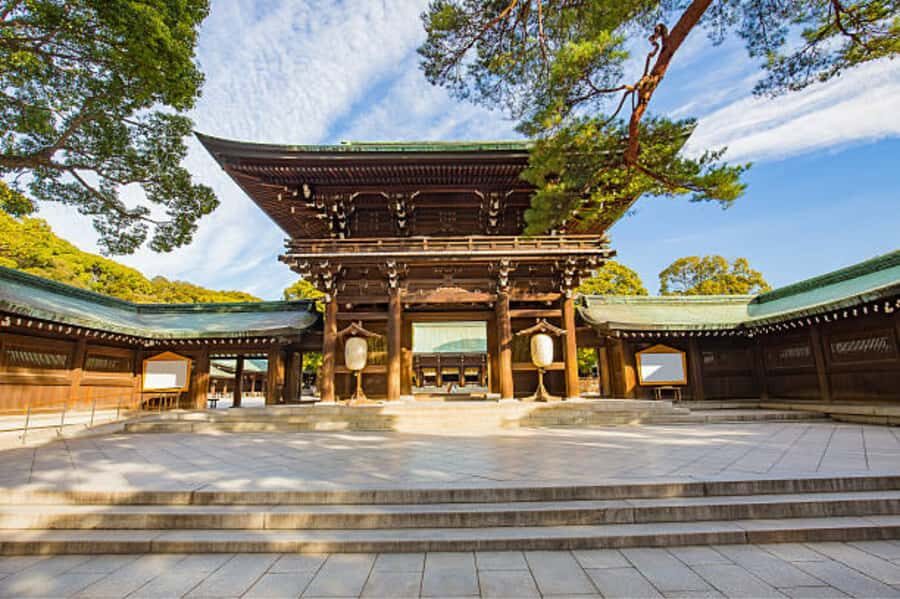
The tour ends near Harajuku Station, and that location affects the day in a good way. It’s easy to attach shrine serenity to your next Tokyo plan—street fashion, snacks, or a longer wander through Harajuku neighborhoods.
One detail I liked is the ending at the bicycle parking area. It might sound mundane, but it’s actually a smart reminder: tradition doesn’t float above daily life in Tokyo. It’s part of it. You go from shrine etiquette and sacred rules to ordinary city routines in just a short walk’s time.
It’s also practical. After walking around a shrine, you don’t want to be stuck trying to find your way back to a transit hub. This ending means you can transition fast without stress.
Price and value: why $20 is a good deal here
At $20 per person, this tour isn’t expensive, especially for what you get: a local guide, a structured walk, cultural insights, and photo stops. The value is strongest in two areas.
First, you’re buying clarity. Shrine etiquette can be confusing if you go alone. Knowing how to bow properly, how to move through the approach, and how to handle cleansing/prayer basics turns a generic visit into a meaningful one.
Second, you’re buying time and pacing. A guided walk helps you hit the best-spoken-about points without rushing. And the tour doesn’t just focus on the obvious highlights. It includes a quieter stop like the Imperial Fishing Platform, plus deeper explanations around the main hall area.
If you’re the type of traveler who enjoys learning while you walk—and you want to feel respectful without overthinking—this price can feel like a fair trade.
What to bring and how to prepare for the walk
You only need a few items, but they matter.
- Comfortable shoes are a must since the tour is walking-focused.
- Bring a camera if you want photos during the photo stops.
That’s it for your essentials. Don’t overpack. This is about moving through the shrine grounds with the guide, so your focus should stay on comfort and awareness.
Also remember: the tour is conducted in English, and there’s Japanese as well. If you want to ask questions, this is the kind of tour where asking simple clarifications about ritual timing or etiquette is welcome.
Who this tour is best for (and who might want something else)
You’ll probably love this tour if you:
- want to understand shrine etiquette like bowing and where to walk
- enjoy a calm, respectful pace rather than a fast photo sprint
- like cultural context that makes iconic places feel personal
- want an easy handoff to Harajuku afterward
You might not be the perfect fit if you prefer totally unstructured time at a site and don’t want guidance on rituals. Also, because it involves walking through the shrine area, if you have mobility limitations that make walking difficult, you’d want to think carefully.
That said, for most visitors, the guidance is the point. It removes the uncertainty and makes Meiji Shrine feel like more than just something you saw.
A quick reality check: what “guided” means here
This is a walking tour with cultural explanations, photo stops, and clear etiquette teaching. It’s not a performance. The guide’s value is in practical instruction: what to do, when to do it, and what the shrine’s layout means.
Because the tour ends near Harajuku Station, you can plan your day without needing extra transit time. That’s often overlooked. Tokyo is big. Reducing friction between major stops is part of good travel planning.
Should you book this Meiji Shrine walking tour?
I’d recommend booking this tour if you want to get the most out of Meiji Jingu without feeling lost or awkward. The strongest reason is the etiquette training: torii bowing, where to walk on the approach, and the traditional steps for cleansing and praying. Those are exactly the details that make an iconic place feel real.
I’d also book it if you like contrast in one outing—serenity in the sacred forest, then a quiet corner at the Imperial Fishing Platform, then a smooth finish near Harajuku for the rest of your Tokyo day.
If you want something extremely self-guided and you don’t care about ritual basics, you can probably do fine on your own. But if you’d rather learn the rules and enjoy the experience with confidence, this is a solid pick for the money.
FAQ
What is the price of the Tokyo Meiji Shrine Walking Tour?
The tour is priced at $20 per person.
Where does the tour start and how do I find the guide?
The tour starts with the guide holding a blue A4-sized board.
What is the tour language?
The tour is conducted in English. It also lists Japanese as an option.
What will I do during the tour?
You’ll explore the Meiji Shrine area on a walking tour with a local guide, including learning about shrine history and rituals, photo stops, and traditional bowing, cleansing, and praying.
Which places are included in the tour?
The tour includes the Outer Worship Hall, the Imperial Fishing Platform, and it finishes near Harajuku Station.
What should I bring?
Bring comfortable shoes for walking and a camera if you want photos.
How does the tour end?
It ends near Harajuku Station and, as noted in the information, it returns to the meeting point.
Can I pay later and get a refund if plans change?
The listing offers reserve & pay later, and you can cancel up to 24 hours in advance for a full refund.