REVIEW · TOKYO
Barrier-Free Private Mt. Fuji Tour for Wheelchair Users
Book on Viator →Operated by Trip Designer Inc. · Bookable on Viator
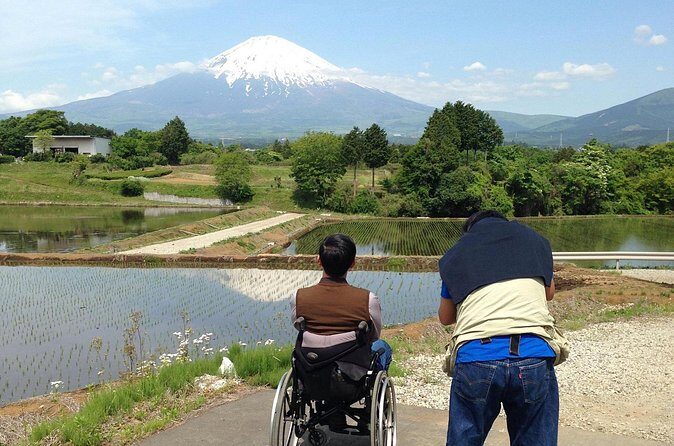
Wheelchair access makes Fuji feel close. On a wheelchair-accessible private tour, I like how you can shape the day with Mt. Fuji 5th Station panoramas or a Lake Kawaguchiko boat option, then add gardens and art with an English-speaking guide such as Keita or Rie. It’s built for comfort first, but it still feels like a real Fuji-five-lakes outing, not a checklist.
One possible drawback: the plan is weather-dependent, and a couple of key stops have entrance fees (and the boat ticket costs extra if you choose it).
In This Review
- Key highlights worth planning for
- A wheelchair-friendly Fuji day that still feels like real Japan
- Price and value: what $1,439.87 covers (and what costs extra)
- Getting there smoothly: Tokyo pickup, meeting point, and timing
- Stop 1: Mt. Fuji Subaru Line 5th Station without the summit hike
- Choosing your Fuji moment: 5th Station views and Lake Kawaguchiko boating
- Oishi Park flowers and a traditional lunch stop (plan for meal costs)
- Stop 3: Itchiku Kubota Art Museum kimono art and traditional dyeing
- Stop 4: Oshino Hakkai springs with eight views of blue water
- How the guides support accessibility and timing
- Is this tour worth it for your exact priorities?
- Should you book this barrier-free private Mt. Fuji tour?
- FAQ
- What is the price for this Mt. Fuji wheelchair-accessible private tour?
- How long is the tour, and when does it start?
- Can I choose Mt. Fuji 5th Station instead of the boat cruise?
- Are museum tickets included?
- Is lunch included?
- What happens if weather is poor?
Key highlights worth planning for
- Private door-to-door Tokyo pickup with an air-conditioned, wheelchair-friendly vehicle for a smooth start.
- Choice of viewpoints: Mt. Fuji 5th Station by car, plus options around Lake Kawaguchiko (boat) and area alternatives.
- Iconic photo time at Oishi Park, with flowers along the lakeshore for classic Fuji scenery.
- Tsujigahana kimono artistry at Itchiku Kubota Art Museum (entry not included), a special change of pace from the outdoors.
- Oshino Hakkai springs with eight named springs and famously blue water, free to visit.
- Guides who adjust the route to your pace, which is especially noticeable on a day with changing weather and multiple locations.
A wheelchair-friendly Fuji day that still feels like real Japan
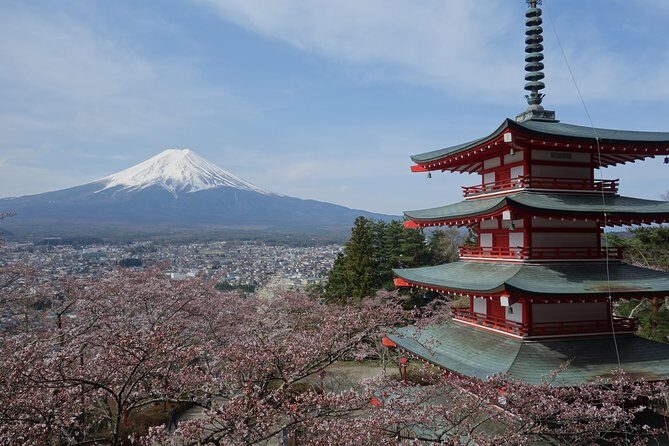
Mt. Fuji is the kind of sight that can make the whole trip feel worth it. What makes this tour different is the way it handles the hard part: getting you there comfortably and letting you actually enjoy the stops. This is a private experience for up to six people, so the pace stays in your control instead of being pulled by the fastest person in the group.
I also like that the focus isn’t only on views. You get the big Fuji moment, sure, but then you also get Oishi Park and a museum stop featuring kimono art and traditional dyeing history. That mix matters because the weather can change quickly in the Fuji area. If Fuji hides behind clouds, you still have meaningful places to be.
From the guide approach described in the reviews, the best part is how the day gets shaped around wheelchair needs. Guides like Keita and Rie are described as warm, attentive, and careful about what you can see and do. That’s exactly what you want on a long scenic day, when timing and smooth movement through each stop can make or break your energy.
You can also read our reviews of more private tours in Tokyo

Price and value: what $1,439.87 covers (and what costs extra)
The price is listed as $1,439.87 per group (up to 6). That’s helpful because it gives you a clear way to budget: you’re paying for a private vehicle, pickup/drop-off from Tokyo, and an English-speaking guide—regardless of how many people are in your group.
Here’s the value math that matters in real life:
- If you fill the group (6 people), you’re effectively paying around $240 per person.
- If you’re traveling with just 2 people, it’s closer to $720 per person.
So this is best value when you can share the car with family or friends. It’s still a smart buy for people who want to avoid complex public-transit transfers—especially when accessibility needs are part of the plan.
What’s included:
- Air-conditioned vehicle
- Private transportation
- Wheelchair-friendly car
- Hotel pick-up and drop-off from Tokyo
- English speaking guide
What’s not included (you’ll want to plan for these):
- Food and drinks
- Entrance fees (Itchiku Kubota Art Museum: 1,300 yen per person, or Music Forest Museum: 1,800 yen per person)
- Boat ticket if you choose the Lake Kawaguchiko cruise (1,000 yen per person)
For a day that already has paid highlights, those extra fees aren’t small—but they’re also normal for Japan. The key is that you won’t get surprised mid-day; you’ll know what adds on based on your choices.
Getting there smoothly: Tokyo pickup, meeting point, and timing
The tour starts at 8:00am. Your meeting point is Tokyo Station, 1 Chome-9 Marunouchi (Chiyoda City). It ends back at the meeting point.
The duration is about 11 to 12 hours. That’s a long day, but it’s also realistic for the distance from central Tokyo to the Fuji Five Lakes area and back, plus the time spent at each stop. The air-conditioned private vehicle helps a lot, because the day won’t be a series of station-to-station sprints.
Two practical notes that are worth keeping in mind:
- This is scheduled around good conditions. The experience is noted as requiring good weather, so if it gets canceled due to poor weather, you’ll be offered a different date or a full refund.
- You’ll receive a mobile ticket, so you don’t need paper tickets in your day bag.
Stop 1: Mt. Fuji Subaru Line 5th Station without the summit hike
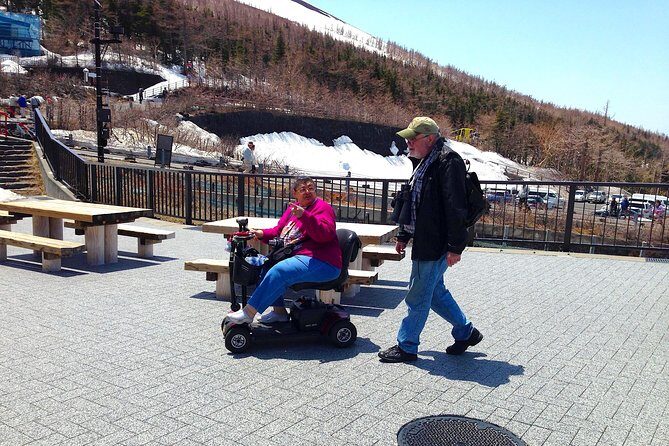
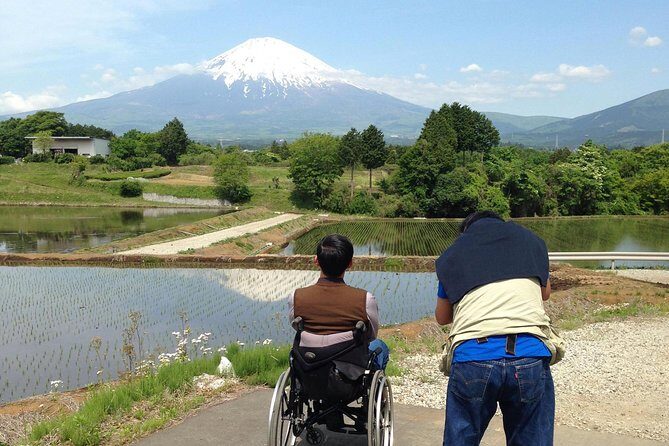
This is the stop that gives you the “I went up Mt. Fuji” feeling without needing the full climb. Subaru Line 5th Station is described as the highest point you can reach by car. That single detail changes the experience for wheelchair users in a big way: you get mountain scale and viewpoint drama without spending the day on steep trail time.
Admission here is listed as free, so you can spend your money on the parts you care about most later—like the museum entry. The time at this stop is about 1 hour, which is usually enough to:
- get your bearings fast (especially important if weather shifts),
- take photos,
- and still have energy for the rest of the day.
One weather reality to plan for: if the mountain is covered, you may not get the full iconic view. Still, the station area has meaning even on muted days. In a cloudier outing, I’d treat this stop as your best “Fuji presence” moment and let the later lakes and gardens carry the scenic payoff.
Choosing your Fuji moment: 5th Station views and Lake Kawaguchiko boating
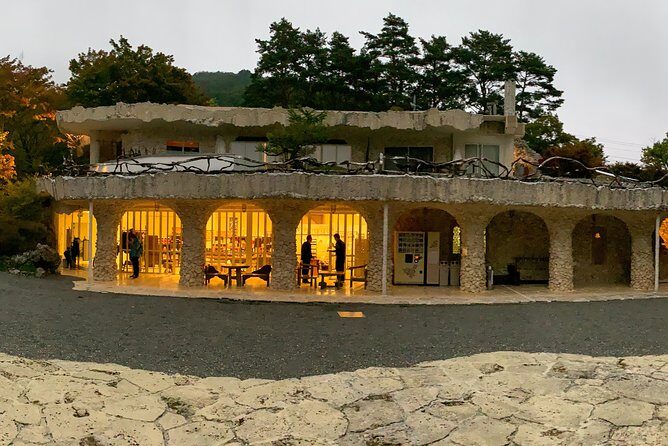
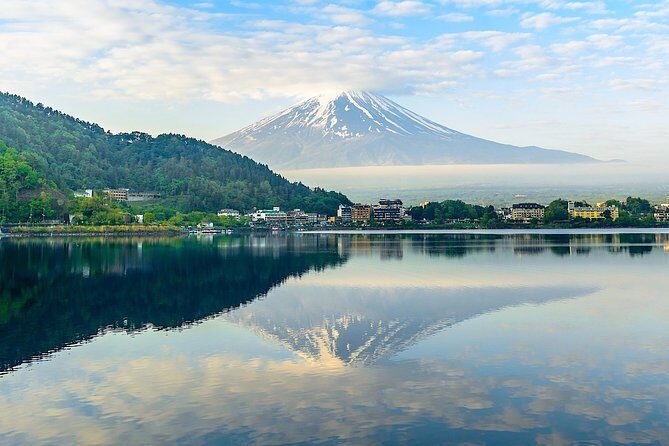
The tour gives you options, and that’s a real advantage. You can choose to focus on panoramic views from Mt. Fuji’s 5th Station, or you can choose a more relaxed scenic experience on Lake Kawaguchiko. The overview also notes alternative viewing options in the area, such as Arakura Fuji Sengen, which can be a useful fallback idea when you’re planning around comfort and weather.
If you pick the boat cruise on Lake Kawaguchiko, the boat ticket is 1,000 yen per person and is not included. The upside is simple: you’re not walking between photo spots, and you get time where the scenery rolls past at lake speed. Even in less-than-perfect visibility, a boat can make the day feel special because the experience shifts from viewpoint drama to gentle motion and atmosphere.
The listing shows Lake Kawaguchiko time at about 30 minutes, and from there you head around toward Oishi Park. So think of the lake as both a viewpoint and a bridge to the flower stop, rather than a long standalone break.






Oishi Park flowers and a traditional lunch stop (plan for meal costs)
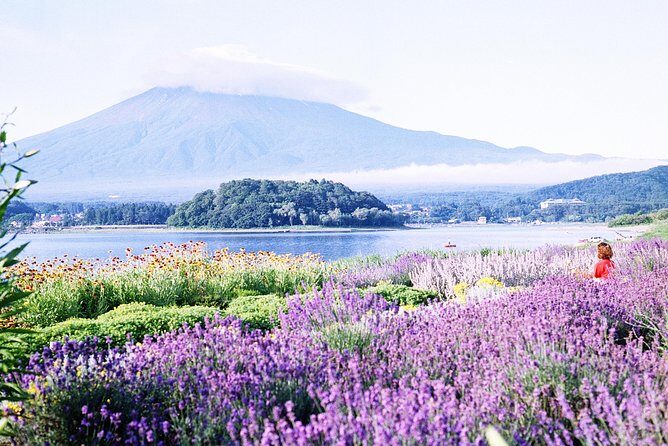
After Lake Kawaguchiko, you head toward Oishi Park. This is where the scenery becomes more colorful and more intimate. Oishi Park is described as having flower fields spreading like a carpet along the lakeshore. That matters for photos because it gives you layers: you get flowers in the foreground and Fuji in the background if conditions cooperate.
Oishi Park admission is free. So this is one of those stops that gives a lot for zero yen—ideal when you’re paying extra elsewhere in the day for museum entry.
Then there’s lunch at a traditional Japanese restaurant. Importantly, food and drinks are not included, so you’ll pay for your meal on the day. The tour is designed around wheelchair-friendly access, so the restaurant stop is part of the accessibility planning rather than you trying to find a suitable place independently.
My tip: treat lunch as part of the schedule, not an afterthought. When you’re on a long 11–12 hour day, waiting too long for food can turn a scenic day into a grumpy day. A good guide will help keep you on time so you can enjoy the museum and springs without rushing.
Stop 3: Itchiku Kubota Art Museum kimono art and traditional dyeing
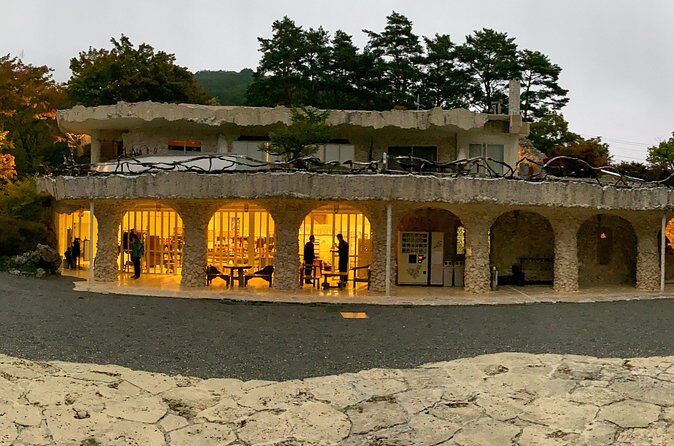
If you want one stop that feels truly different from the outdoors, this is it. The Itchiku Kubota Art Museum is a focused art visit with a strong cultural story. Itchiku Kubota revived Tsujigahana, a traditional fabric dyeing technique. That’s tied to the Muromachi period (1336–1573), when Tsujigahana flourished and later fell out of favor.
This stop lasts about 1 hour. Admission is not included and is listed at 1,300 yen per person.
Why I think this museum works so well on a wheelchair-accessible tour day:
- It gives you a “cooldown” from travel and changing outdoor conditions.
- It’s structured time—so you’re not wondering what comes next.
- It adds depth to the visuals. The day isn’t only about seeing Fuji; it’s also about experiencing Japanese craftsmanship.
You also have another option: Music Forest Museum. Its admission is listed as 1,800 yen per person and not included. The tour description presents it as an alternative to Itchiku Kubota, so ask your guide which museum best matches what you feel like doing that day—art and kimono history versus the other museum option.
Stop 4: Oshino Hakkai springs with eight views of blue water
Oshino Hakkai is one of those places that feels simple but memorable. The tour describes it as a small village with eight springs filled with breathtakingly blue water, revered as the Springs of the Gods. The water is said to come from snowmelt.
This stop takes about 40 minutes and admission is free. That time window is useful: it’s long enough for you to walk the area at a comfortable pace, take photos, and enjoy the calm water theme, but short enough that you’re not exhausted before the final ride back to Tokyo.
One practical consideration: water areas can feel cooler and damp, depending on the season. If you get cold easily, bring a light layer. It’s a small thing, but on a long day it keeps you comfortable at stops where you might be stationary.
How the guides support accessibility and timing
A barrier-free tour isn’t only about a wheelchair-friendly vehicle. It’s about how the day gets managed when you’re not moving like everyone else. The reviews highlight this clearly, with guide Keita described as warm and considerate, and guide Rie described as adjusting details to match preferences. Both messages point to the same thing: you’re not left to figure out the logistics between stops.
Here’s what you can expect from the setup, based on the tour details:
- A wheelchair-friendly car for private transportation
- English speaking guide
- Hotel pickup and drop-off within Tokyo
- Service animals allowed
On a day packed into 11–12 hours, this matters because the best accessible experience is the one where you don’t have to think. Your guide handles route flow and makes sure the day stays realistic.
If you’re the kind of traveler who likes structure, this will feel comforting. If you prefer flexibility, this is also a good match because it’s private—your group is the only group involved, so the guide can fine-tune timing around what you want to prioritize.
Is this tour worth it for your exact priorities?
This is a strong fit if you:
- Use a wheelchair full-time or need barrier-free transportation planning.
- Want to avoid the work of coordinating multiple buses and transfers in the Fuji area.
- Care about a mix of classic views plus indoor culture (the museum stop is a nice counterbalance).
- Prefer a day built around pacing and comfort, not a rushed touring style.
It might not be your top pick if you:
- Want zero extra costs beyond the base price (museum entries and a boat ticket can add up).
- Are only interested in seeing Mt. Fuji clearly. Weather can be a factor, and the tour requires good conditions.
The value is strongest when you can share the group price. But even without filling all six spots, the payoff is often the same: you get a focused day that’s easier to manage than DIY, and it’s designed from the start for wheelchair access.
Should you book this barrier-free private Mt. Fuji tour?
I’d book this tour if you’re planning a Fuji day around accessibility and want a private, English-guided schedule that still feels authentically Japanese. The combination of a car-access viewpoint at Mt. Fuji Subaru Line 5th Station, the flower stop at Oishi Park, and the cultural depth of Itchiku Kubota (or the Music Forest alternative) creates variety in a single long outing.
My decision checklist for you is simple:
- If your priority is comfort and ease, this fits well.
- If your priority is art and nature together, this also fits.
- If you’re okay with weather uncertainty and a few add-on fees, you’ll likely feel satisfied with the day’s mix.
FAQ
What is the price for this Mt. Fuji wheelchair-accessible private tour?
It costs $1,439.87 per group (up to 6 people). The tour includes private transportation, a wheelchair-friendly vehicle, English-speaking guide, and Tokyo hotel pick-up and drop-off.
How long is the tour, and when does it start?
The tour runs about 11 to 12 hours and starts at 8:00am. It ends back at the Tokyo meeting point.
Can I choose Mt. Fuji 5th Station instead of the boat cruise?
Yes. The experience is described as letting you choose between panoramic views from Mt. Fuji 5th Station and a boat cruise on Lake Kawaguchiko.
Are museum tickets included?
No. Entrance fees are not included. Itchiku Kubota Art Museum is listed at 1,300 yen per person, and Music Forest Museum is listed at 1,800 yen per person.
Is lunch included?
Food and drinks are listed as not included, even though lunch is part of the day at a traditional Japanese restaurant.
What happens if weather is poor?
The experience requires good weather. If it’s canceled due to poor weather, you’ll be offered a different date or a full refund.