REVIEW · KYOTO
Kyoto Family Kitchen Cooking Class
Book on Viator →Operated by Anthony · Bookable on Viator
Dinner with a Kyoto family changes your pace. Kyoto Family Kitchen turns a simple cooking night into a real look at everyday Japanese food, led by Anthony and his family in their home kitchen just outside the city bustle. I especially like the hands-on feel and the fact that you’re not just watching—you’re cutting, mixing, and learning what makes Japanese flavors work.
Second, I love that the lesson is built around core staples used in most Japanese dishes: dashi, soy sauce, mirin, and sake. You’ll get to see how those basics connect to what families actually cook at home, plus you may end up making popular favorites like gyoza and tamago yaki depending on the menu.
One thing to consider: this is a private visit to a family home with kids and pets, so the tone is warm and informal rather than a strict classroom cooking technique session. If you’re very shy about shared spaces or pet-friendly homes, you might find it less comfortable.
In This Review
- Key things to know before you go
- A suburban hilltop start: what the welcome feels like
- The cooking foundation: dashi, soy, mirin, and sake
- Hands-on prep in a real home kitchen
- Dinner together: why the meal is the main event
- Instructor and language support you can actually use
- Price and value: what $96.84 covers in real life
- Getting there at 6 PM: meeting point and timing tips
- Who this is best for (and why)
- When the home setting might not fit your style
- Should you book Kyoto Family Kitchen?
- FAQ
- How long is the Kyoto Family Kitchen cooking class?
- Where is the meeting point, and what time does it run?
- Is this experience private?
- What’s included in the price?
- Is alcohol included?
- Can vegetarians eat during the class?
- Can I cancel for a full refund?
Key things to know before you go
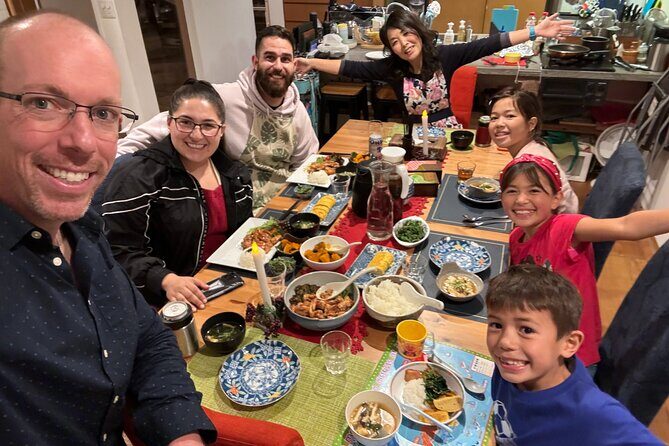
- Suburban home setting just outside central Kyoto, not a studio kitchen
- Staples-first cooking with dashi, soy sauce, mirin, and sake at the center of it all
- Family-style dinner right after cooking, with conversation as part of the course
- Kids and pets are part of the scene, and the hosts really welcome all ages
- English-speaking instruction plus flexible help for food preferences (including vegetarian)
A suburban hilltop start: what the welcome feels like
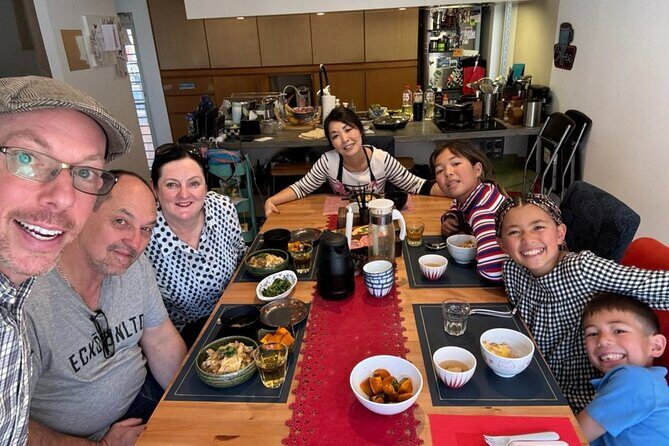
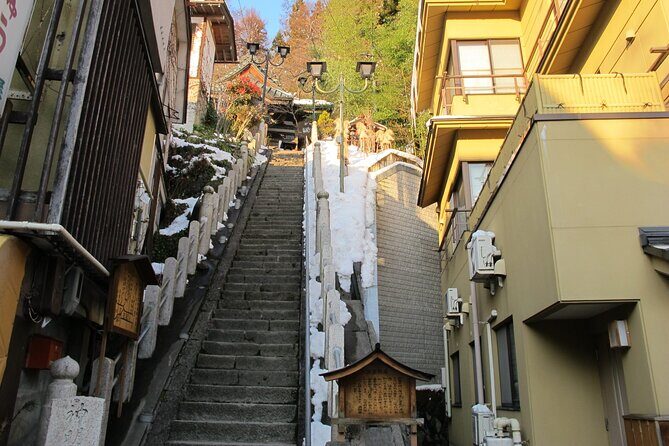
Kyoto Family Kitchen runs in the evening, in a home setting near public transportation. You’ll meet at 33-50 Kamitakano Saimyōjiyama, Sakyo Ward, Kyoto, then get transported back to the same area afterward. The timing matters: starting in the early evening (between 6:00 PM and 8:30 PM) gives you that sweet spot where dinner isn’t rushed, but you’re still fully in “night in Kyoto” mode.
When you arrive, the rhythm is familiar in the best way. You take a load off, drink tea, and talk about your trip before you even touch a cutting board. That gentle start is a big part of why this class feels different from the cookie-cutter factory-style cooking tours.
Also, you’re not waiting around for your role to be assigned. The host family keeps the energy relaxed and encourages you to jump into the work, even if you’re traveling with kids or you don’t consider yourself a confident cook.
You can also read our reviews of more cooking classes in Kyoto
The cooking foundation: dashi, soy, mirin, and sake
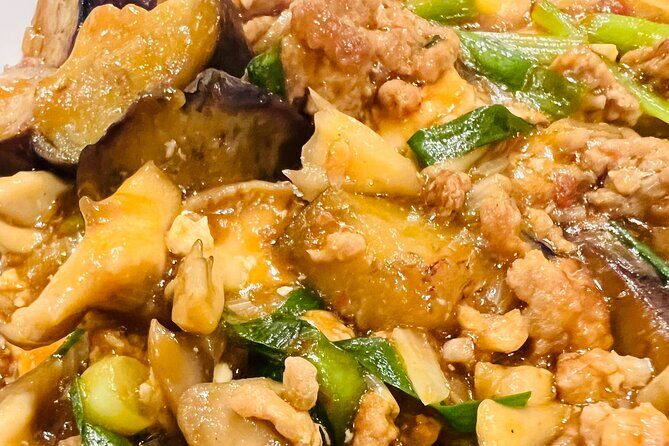
If you’ve ever wondered how Japanese food builds flavor without looking complicated, this is where it clicks. The class focuses on the staples that show up again and again: dashi, soy sauce, mirin, and sake. Instead of treating them as mysterious pantry items, you’ll learn what they do in everyday cooking and why they’re so common in family kitchens.
In practical terms, this kind of lesson helps you later when you’re eating in Kyoto restaurants. You start recognizing flavor patterns—sweet-salty balance, savory depth, and that light-but-deep taste that doesn’t depend on heavy sauces. And because you’re working with ingredients during the session, you’re more likely to remember what you did and why it mattered.
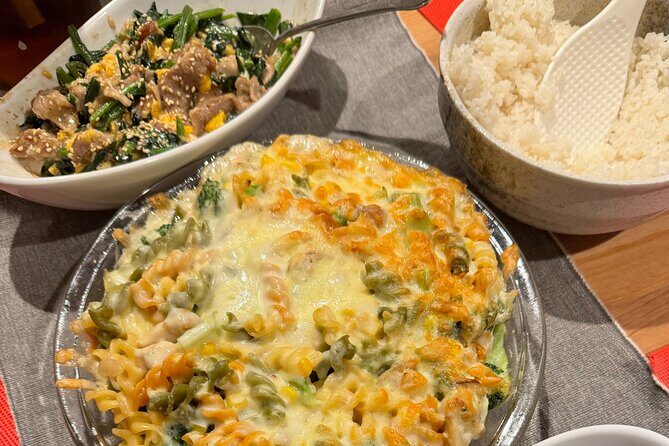
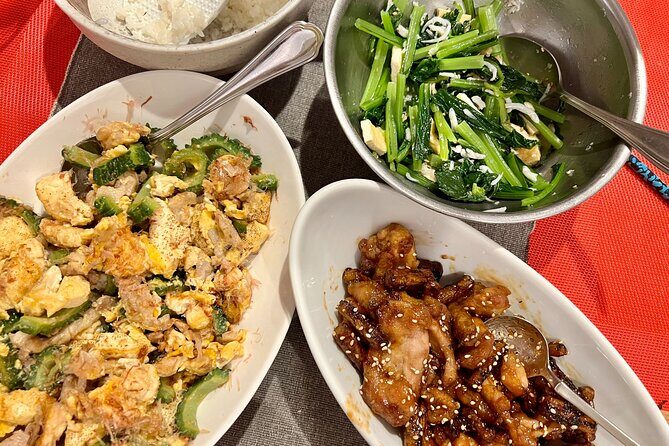
From the menus described across past guests, you may also get hands-on with dishes that highlight these basics. People have cooked gyoza and tamago yaki, plus other home-style plates like okonomiyaki and teriyaki chicken and veggie sides. The exact menu can vary, but the foundation stays consistent: learn the staples and you’ll understand a lot more of what Japan cooks at home.
Hands-on prep in a real home kitchen
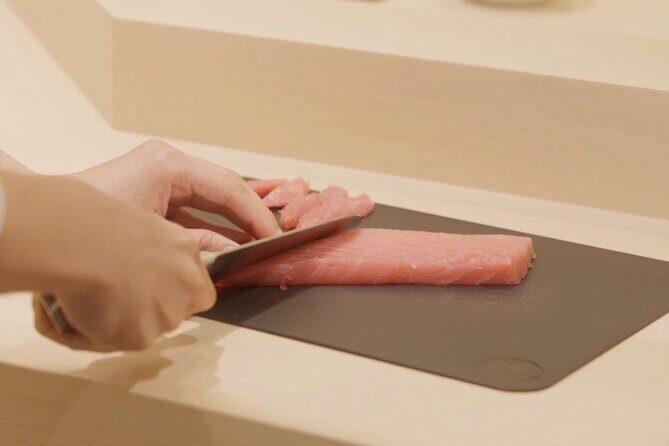
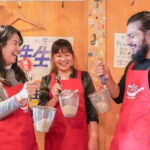
The core of the class is simple: put on aprons, gather around the counter, and start chopping and mixing. This isn’t a “watch the chef, take photos, then taste” experience. You’re actively involved in meal prep, and that’s where the value shows up—your attention stays on what you’re doing, not on standing still.
The hosts keep things family friendly. Kids are welcome in the kitchen, and the experience is designed so different ages can participate at a comfortable level. In several accounts, the children of the host family are part of the evening, and guests often end up chatting with them while still staying on schedule.
And yes, pets are part of the picture. A dog and a cat are mentioned, and the overall vibe is that the house is truly lived in. That can be a highlight—cute, calming, and human. But it can also be a consideration if you’re expecting a sterile environment.
Dinner together: why the meal is the main event
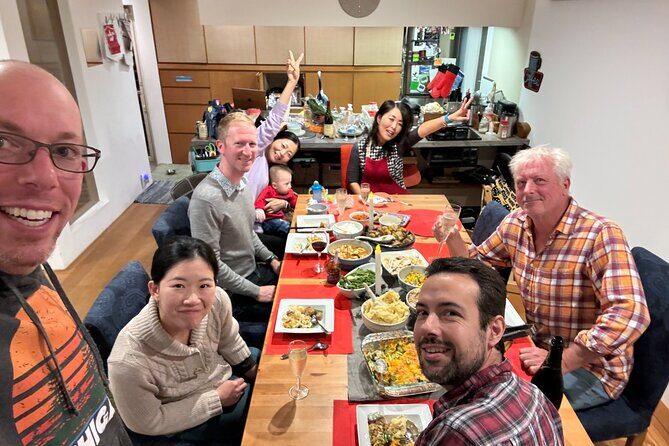
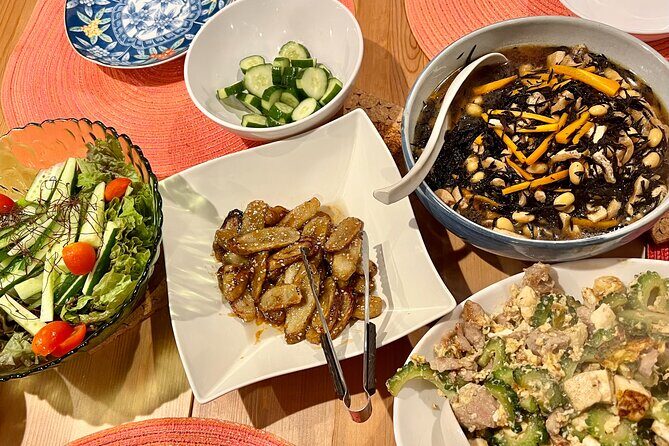
Cooking is only half the point. The other half is eating what you make, together, around a table. After the prep comes a shared meal, with the instructor and family chatting about Japanese food and travel ideas. In other words, it’s a dinner evening, not just a class with a snack at the end.
The “eat what we made” factor matters because Japanese home cooking often feels subtle at first bite. When you’re part of the process, you notice texture changes, the way sauces cling, and how small adjustments can affect the final taste. The meal becomes a feedback loop: you cook it, then taste it with new context.
Coffee and/or tea are included, and since the class includes dinner, you’re not trying to find a restaurant after you’re done. That saves time and energy in Kyoto, where evenings can disappear fast once you factor in crowds, transit, and decision fatigue.
Vegetarian visitors have been accommodated in the past, with enough food for a vegetarian guest in a group of six. So if you have dietary needs, it’s worth communicating them early and clearly.
Instructor and language support you can actually use

Anthony is the named host/instructor, and the class is run in English. That matters because Japanese cooking has a lot of technique-lingo—how to prep, what to watch for, and why a sauce thickens or doesn’t. When you can ask quick questions and understand the answers without guessing, you get a more usable takeaway.
The teaching style here feels conversational. You’re learning by doing, then getting explanations as you go. It’s not about perfect restaurant technique; it’s about understanding how a family makes a good dinner with the staples they have.
If you enjoy traveling with practical skills—how to assemble, season, and taste along the way—this fits that mindset well.
A few more Kyoto tours and experiences worth a look




Price and value: what $96.84 covers in real life
At $96.84 per person for about 2 hours 30 minutes, the first question is: what’s included? The good news is the essentials are built in: dinner, coffee and/or tea, an English-speaking instructor, ingredients and seasonings, and all fees and taxes.
There’s also transportation to Kokusaikaikan subway station included. That’s helpful because arriving on time is easier when someone handles the handoff. And since it’s a private experience, you’re not splitting attention with a big rotating crowd.
So the value isn’t just the cooking. It’s the combined package: meal + instruction + ingredient access + local home setting + a family-style dinner conversation. If you normally spend that kind of money in Kyoto for a restaurant without a meaningful local connection, this is the more “you’ll remember it later” choice.
You’re also booking about 43 days in advance on average, which suggests it’s a popular family-friendly slot. If your dates are firm, don’t wait until the last minute.
Getting there at 6 PM: meeting point and timing tips
The class runs Monday through Friday, with sessions between 6:00 PM and 8:30 PM. Your activity starts at the address on Kamitakano Saimyōjiyama in Sakyo Ward, and it ends back at the meeting point. You’ll receive a mobile ticket, and you’ll coordinate meeting times and directions after booking.
Practical tip: plan for an evening pace. This is not the kind of activity you want to squeeze in right after a long day of temple hopping and late train connections. Give yourself buffer time so you arrive relaxed, ready for tea and conversation.
If you’re using public transportation, you’re covered in the sense that it’s near transit, and the included transport is to Kokusaikaikan subway station. That’s one less logistics stressor in a city where “one more stop” can snowball quickly.
Who this is best for (and why)
This is the kind of experience that makes sense for families, but it’s not only for families. If you want a home-cooked meal and you enjoy learning through participation, it works well for couples, solo travelers, and small groups too.
It’s especially good when:
- You have kids and want them to join in naturally
- You want a family-to-family conversation, not just an instructor monologue
- You like the idea of learning the building blocks of Japanese cooking (dashi and friends)
- Your group includes someone with vegetarian needs and you want real accommodation during the meal
Also, the private tour format helps. Only your group participates, which means it’s easier to ask questions and keep the evening flowing without dealing with strangers in tight spaces.
When the home setting might not fit your style
The main drawback is also the main charm: you’re coming into a family home. That means the experience is informal. One guest described the session as more like coming over to cook alongside or assist than a tightly structured cooking class. That doesn’t mean it’s bad—it means you should match your expectations.
Also consider pets. If you’re nervous around dogs and cats, or you need a completely controlled environment, this may feel off. On the flip side, many guests found the pet-friendly, lived-in atmosphere comforting and memorable.
Finally, since it’s hands-on and schedule-driven, arrive hungry and ready to participate. If you’d rather observe quietly or only sample, you might feel a bit pushed into the action.
Should you book Kyoto Family Kitchen?
Book it if you want Kyoto in the way most people miss: dinner as a window into everyday life. You’ll learn Japanese cooking staples like dashi, soy sauce, mirin, and sake, then eat a family-style meal you helped make. The price is reasonable once you count dinner, tea, ingredients, English instruction, and the included transportation to the subway.
Skip it if you’re chasing a formal, step-by-step technique class in a professional kitchen, or if you strongly prefer strict no-pets, no-kids environments. Here, the house is the lesson, and the family energy is part of the curriculum.
If you’re flexible, open, and ready for a warm kitchen evening, this is the kind of Kyoto experience that sticks.
FAQ
How long is the Kyoto Family Kitchen cooking class?
It lasts about 2 hours 30 minutes.
Where is the meeting point, and what time does it run?
You meet at 33-50 Kamitakano Saimyōjiyama, Sakyo Ward, Kyoto 606-0064. Sessions run Monday through Friday from 6:00 PM to 8:30 PM.
Is this experience private?
Yes. It’s a private tour/activity, and only your group participates.
What’s included in the price?
Dinner, coffee and/or tea, an English-speaking instructor, all seasonings and ingredients, all fees and taxes, and transportation to Kokusaikaikan subway station are included.
Is alcohol included?
No. Alcoholic beverages are not included.
Can vegetarians eat during the class?
Vegetarian guests have been accommodated, with plenty of food provided for a vegetarian participant.
Can I cancel for a full refund?
Free cancellation is available if you cancel at least 24 hours before the experience’s start time.
If you want, tell me your travel dates and group size, and I’ll help you decide whether the timing and family-home vibe fit your Kyoto plans.