REVIEW · KYOTO
Kyoto: Kintsugi Jewelry Workshop with Natural Stones
Book on GetYourGuide →Operated by Kintsugi Jewelry engrace · Bookable on GetYourGuide
Gold fixes broken pottery, one jewel at a time. In a 100-year-old Kyoto townhouse a few minutes from Fushimi Inari Taisha, you’ll learn kintsugi and turn it into wearable art. I especially like that the craft is hands-on, and I also like that you get the cultural meaning behind the technique, not just a how-to session.
One heads-up: this workshop isn’t suitable for wheelchair users, and the atelier is accessed on foot (no vehicle parking), so plan for narrow streets and short walks. Also, it uses synthetic lacquer to help avoid allergic reactions, which is great for many people, but it is still a modern material in a traditional craft.
In This Review
- Key things you’ll enjoy
- Entering the workshop: a quiet Kyoto craft break near Fushimi Inari
- What you make: kintsugi jewelry from pottery shards and natural stones
- The 150-minute rhythm: choosing, repairing, assembling, and leaving with your piece
- The meaning behind kintsugi: history, significance, and wabi-sabi
- Natural materials choices: how to pick stones and shards that suit you
- Price and value: what $106 buys you in real terms
- Getting there: nearest stations, short walks, and no vehicle access
- Who this Kyoto workshop is for
- Should you book this kintsugi jewelry workshop?
- FAQ
- How long is the Kyoto Kintsugi Jewelry Workshop?
- Where is the workshop located?
- What jewelry can I make?
- What materials do you use for the kintsugi technique?
- Is the lacquer used in the workshop safe for allergies?
- Can I take what I make home the same day?
- Is the workshop wheelchair accessible?
Key things you’ll enjoy
- A calm workshop setting in a 100-year-old Kyoto townhouse near Fushimi Inari Taisha
- Real choice: pottery fragments (including Arita, Karatsu, Oribe, Kyoto, Shigaraki, Hagi) plus natural stones and pearls
- Wearable results: accessories like earrings, rings, necklaces, brooches, tie pins, and cufflinks
- Hands-on guidance from an instructor in English (with Japanese available) in a small group (up to 10)
- Kintsugi meaning included: the history and significance, tied to wabi-sabi ideas
Entering the workshop: a quiet Kyoto craft break near Fushimi Inari
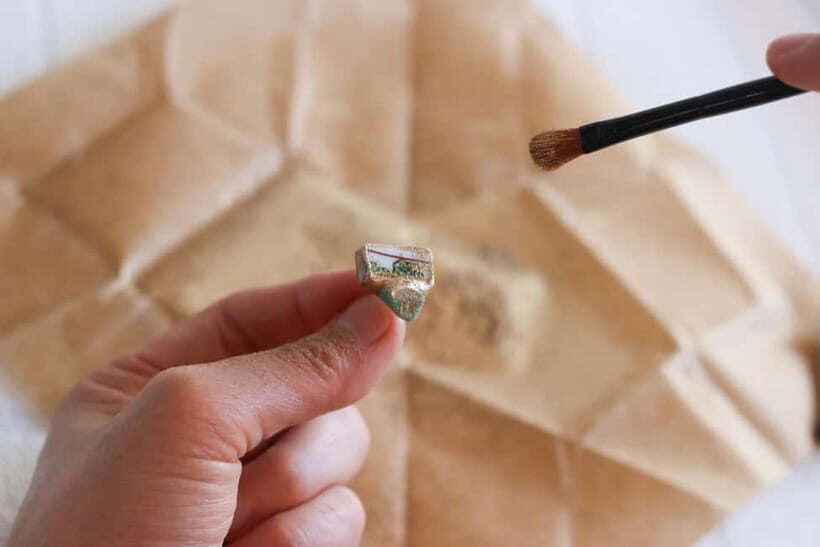
Kyoto has a way of speeding you up. This class does the opposite. You meet near major Inari access points, then you walk into a traditional, one-story home with a white engrace curtain at the entrance. The setting feels like someone’s lived-in space, not a factory room.
The location is a practical win: the workshop is about a 3-minute walk from Fushimi Inari Taisha. That means you can pair it with your Inari visit without needing complicated planning. And since the activity runs 150 minutes, it works well when you want a meaningful stop that isn’t just another temple-photo sprint.
You’re not stuck waiting around for a long presentation. The time is built for making, choosing materials, and getting feedback while you work. Reviews consistently point to a patient, un-rushed pace, with instructors giving you room to slow down rather than pushing you through.
A few more Kyoto tours and experiences worth a look

What you make: kintsugi jewelry from pottery shards and natural stones
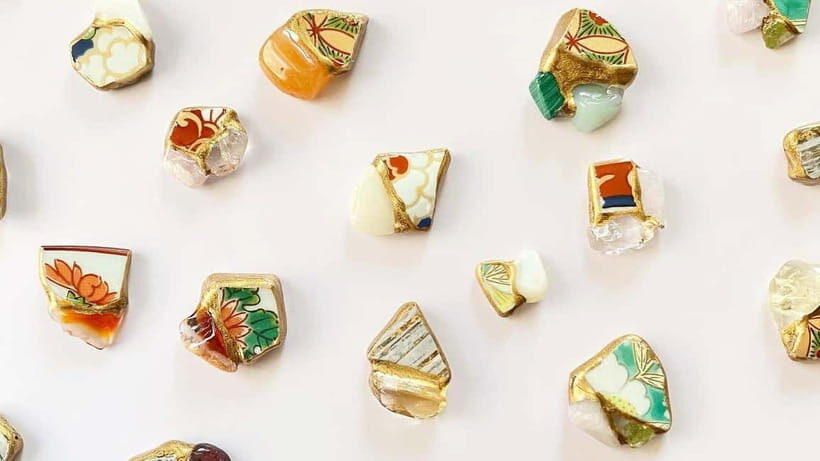
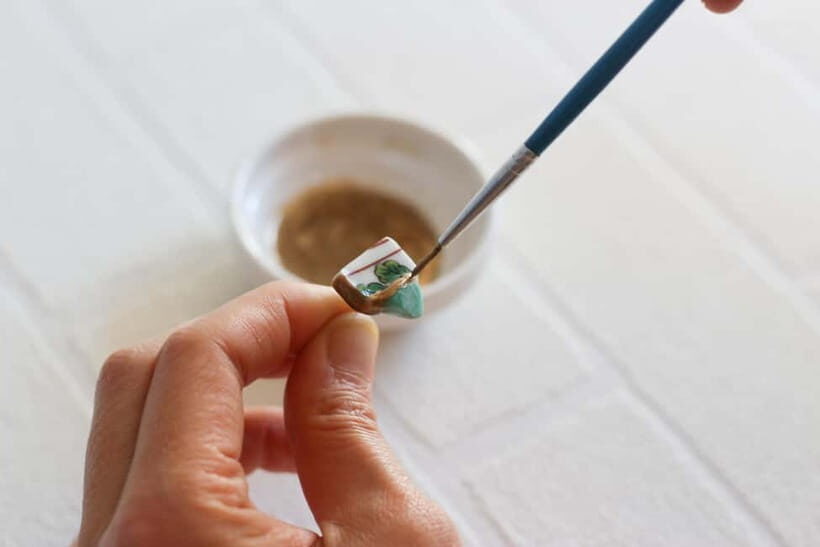
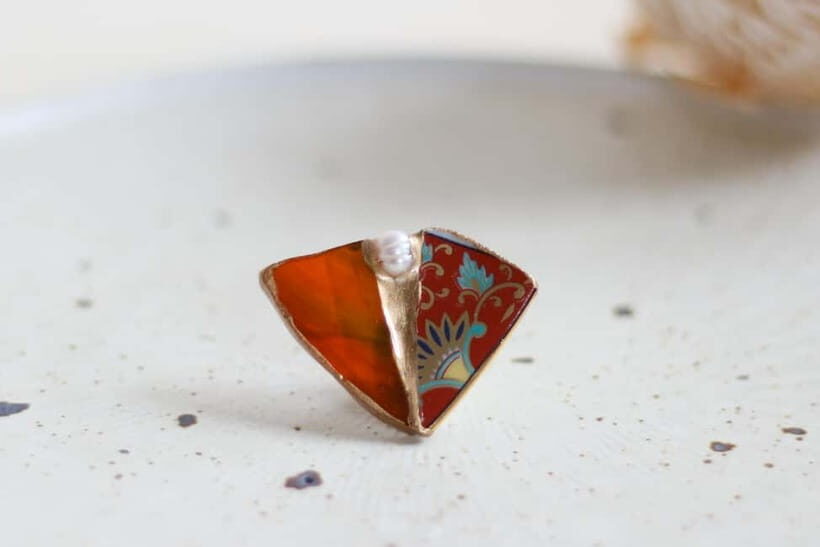
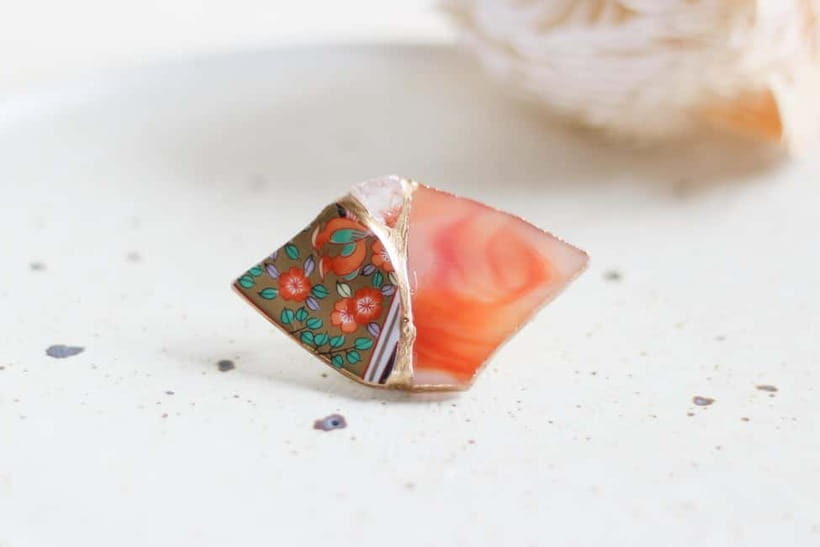
The core idea is simple: repair and highlight broken ceramics using lacquer and gold powder, then turn those repaired pieces into jewelry. Instead of trying to hide the fracture, you emphasize it.
Here’s the fun part for your design brain: you don’t start with a blank “generic kit.” You choose from a set of pottery types and fragments such as Arita, Karatsu, Oribe, Kyoto, Shigaraki, and Hagi. That matters because each pottery style often carries a distinct look, and you’ll see how those aesthetics translate into jewelry when you select shards with color and pattern.
You can also mix ceramics with other materials like:
- Stained glass
- Natural stones
- Shells and pearls
That lets you go in different directions: delicate and refined with pearls, more playful with colorful stones, or more earthy with ceramic fragments. And once you’ve chosen your materials, you pick the accessory type too. Options listed include earrings, rings, necklaces, brooches, tie pins, cufflinks, and more.
I like that you’re building something with personal decisions baked in. Your final piece won’t look like anyone else’s because it’s literally based on the fragments you choose.
The 150-minute rhythm: choosing, repairing, assembling, and leaving with your piece
The workshop length is 150 minutes, and that time is used well. You’re not just watching someone else work; you’re actively making your own jewelry with instructor support.
While the exact steps can vary slightly depending on your design, expect a flow like this:
- Start by choosing pottery fragments and the stones or accents you want.
- Learn and practice the kintsugi process using synthetic lacquer and gold powder.
- Follow step-by-step guidance to build your jewelry component.
- Select or finalize how it becomes your accessory (earrings, ring, brooch, and so on).
- Finish so you can take it home the same day.
This matters for planning. If you’re hoping for a souvenir that doesn’t require shipping or a return visit, this is set up to work in one sitting. A number of people describe the experience as relaxing and slow-paced, which is exactly what you want when you’re working with tiny, careful steps.
The meaning behind kintsugi: history, significance, and wabi-sabi
Kintsugi gets described as “gold repairs,” but the real point is philosophical. The method treats damage as part of an object’s life story. Instead of erasing a break, you make it visible and meaningful.
In this workshop, you get that context. You’ll learn about the history and significance of kintsugi in Japanese culture, and you’ll connect it to ideas like wabi-sabi, which is about appreciating imperfection and transience. That turns the craft from a cute hands-on activity into something you’ll actually remember when you wear the piece later.
Also, you’re not only learning a technique in the abstract. You learn about where pottery comes from by discussing the regions represented by those shard options (again, think Arita, Karatsu, Kyoto, and others). So your jewelry becomes more than decoration—it becomes a wearable reference point for different styles of Japanese ceramics.
If you like cultural context that’s practical rather than lecture-heavy, this approach is a good match. You learn while you work, so the meaning lands in your hands, not just in your ears.
Natural materials choices: how to pick stones and shards that suit you
This is one place where you can steer the outcome toward your taste fast. The workshop gives you variety, but you’ll still need to make tradeoffs. Here’s how I’d choose if I were optimizing for a piece you’ll actually wear.
First, pick pottery shards with a clear visual identity. Even if the fragment is small, you’re looking for strong color, pattern, or glaze marks that will read at accessory scale. Then decide what you want the gold accents to do—whether you want them to blend into the ceramics or act like a highlighted pathway across the repaired edge.
Next, choose stones and pearls based on how you want the piece to feel:
- If you want a more understated look, stones can act as a single focal point.
- If you want something more luminous, pearls and stained glass can add sparkle.
- If you like earthy texture, natural stones without too many competing colors may be best.
Accessories like brooches and tie pins tend to benefit from stronger “read from a distance” design choices, while rings and earrings can work beautifully with finer detail. If you’re unsure, ask the instructor during your selection stage rather than waiting until assembly.





Price and value: what $106 buys you in real terms
At $106 per person for 150 minutes, the value comes from three things working together.
1) You’re paying for guided materials and instruction
You’re given the key supplies for kintsugi—synthetic lacquer and gold powder—plus access to pottery shards and natural stone/pearl options. You’re also working with an instructor in a small group limited to 10. That kind of attention is hard to replicate if you try this on your own.
2) You’re buying a one-of-a-kind souvenir you made yourself
A mass-produced charm does not carry the same meaning. Here, the fragment randomness is part of the story. Your piece is a real “made-by-you” object that uses upcycled broken ceramics.
3) You get it finished in one visit
You can take your jewelry home the same day, which saves time (and avoids the hassle of returns or waits). For a craft stop in Kyoto, that matters.
One more value note: multiple people specifically mention getting enough time to create pieces they’re proud of, even when they move slowly. That’s a sign the class is paced for quality, not just speed.
Getting there: nearest stations, short walks, and no vehicle access
Logistics here are simple, but you should still respect the fine print.
Meeting point guidance says you’ll walk about 5 minutes from either Keihan Ryukoku Daimae-Fukakusa Station or JR Inari Station. The atelier itself has no parking, and the street in front is a narrow alley that isn’t suitable for vehicles.
Because you’re walking in on foot, wear shoes you’re comfortable in. Also, since this isn’t wheelchair accessible, the safest assumption is that you’ll be using steps and narrow paths inside your route too.
If you’re pairing this with Fushimi Inari Taisha, plan on building in a little buffer time so you’re not sprinting when the craft start time approaches.
Who this Kyoto workshop is for
This is a great fit if you:
- want a hands-on Kyoto experience that feels calm rather than crowded
- like meaningful souvenirs with a story (not just photos)
- enjoy working at a slower pace with guidance
- want to learn kintsugi history and wabi-sabi ideas alongside the making
It’s less ideal if:
- you need wheelchair access
- you prefer purely observational activities (this is a make-and-repair workshop)
- you’re hoping for a fully traditional lacquer approach with no modern substitutes; it uses synthetic lacquer to help avoid allergic reactions
I also think it’s smart to do this on a travel day when the weather turns. A number of people describe it as a relaxing break, including when Kyoto weather gets less cooperative.
Should you book this kintsugi jewelry workshop?
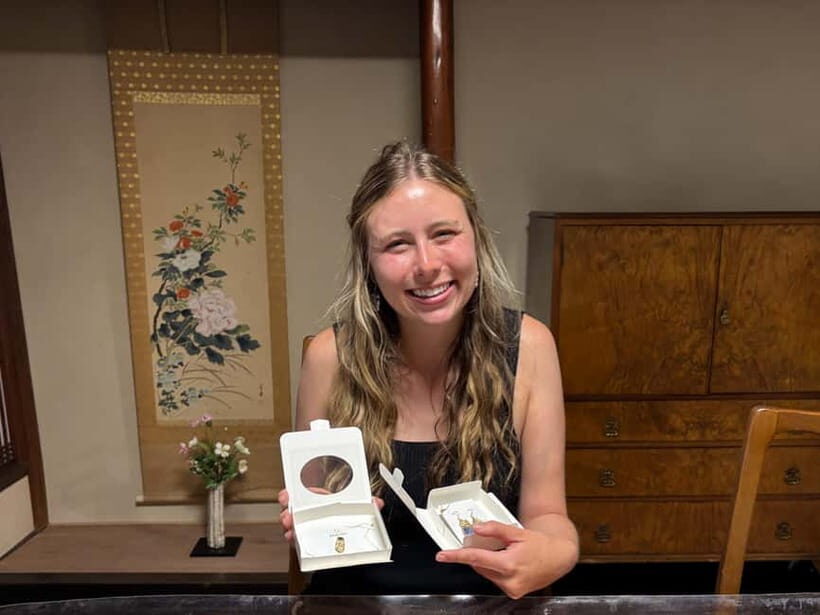
Book it if you want a wearable souvenir with real craftsmanship behind it, and you like the idea of turning something broken into something beautiful. The small group size, patient instruction, and same-day finish are all strong reasons to choose it over a quick craft stop.
Skip it if mobility access is a concern or if you’re only in Kyoto for high-speed, sightseeing-only days. Otherwise, this is exactly the kind of experience that makes Kyoto feel personal—one repaired shard, one carefully placed gold line, and a piece you’ll actually wear after the trip ends.
FAQ
How long is the Kyoto Kintsugi Jewelry Workshop?
The workshop lasts about 150 minutes.
Where is the workshop located?
It’s held in a traditional 100-year-old Kyoto townhouse near Fushimi Inari Taisha. The meeting point is about a 5-minute walk from Keihan Ryukoku Daimae-Fukakusa Station or JR Inari Station.
What jewelry can I make?
You can choose accessory types such as earrings, rings, necklaces, brooches, tie pins, cufflinks, and more.
What materials do you use for the kintsugi technique?
You’ll use synthetic lacquer and gold powder, along with pottery shards and natural stones, shells, and pearls.
Is the lacquer used in the workshop safe for allergies?
The workshop uses synthetic lacquer to help avoid allergic reactions.
Can I take what I make home the same day?
Yes, you can take your handmade jewelry home on the same day.
Is the workshop wheelchair accessible?
No, it is not suitable for wheelchair users.