REVIEW · TOKYO
Tokyo Traditional Tea Ceremony with a Japanese Tea Master
Book on Viator →Operated by Sunrise Adventure · Bookable on Viator
Tokyo’s tea world can feel mysterious until someone shows you the steps. This one-hour class focuses on hands-on matcha making and a guided tasting of several Japanese teas, not just one cup and a quick photo. It’s held in a quiet tea room right in Bunkyo, close to Tokyo University, so it feels local, not staged.
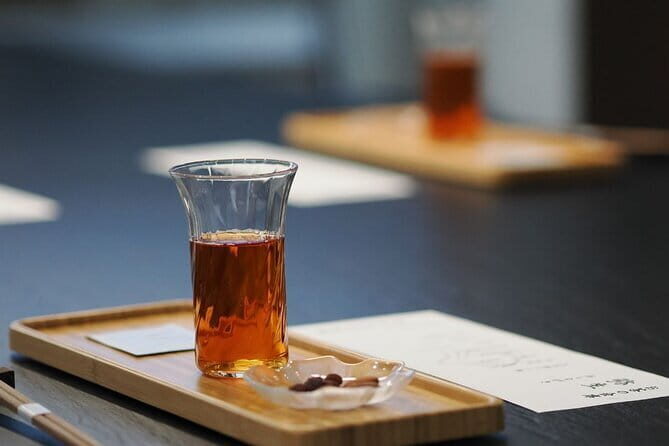
I particularly like that you get a sequence of flavors, starting with wakocha (a Japanese black tea) and ending with genmaicha. You also get a real how-to moment, where you learn the tea process and even practical details like water temperature from the instruction.
One thing to consider: this is more of a short teaching session and tasting than a long, ultra-formal traditional ceremony. If you’re picturing a very traditional floor setting with strict rituals, you may find it more relaxed than that.
In This Review
- Key Points Worth Your Time
- Why This Tea Session Feels Different in Tokyo
- The Teas You’ll Try (and What to Notice in Each Cup)
- Wakocha and tea cake to start
- Gyokuro sencha, a top-grade green tea
- Seasonal wagashi paired during the tasting
- Matcha: the “make it” moment
- Genmaicha to close, comforting and grounded
- Step-by-Step Flow Inside the Tea Room by Tokyo University
- Stop 1: Welcome tea and cake
- Stop 2: Sencha tasting and tasting technique
- Stop 3: Wagashi pairing
- Stop 4: Whisking your own matcha
- Stop 5: Genmaicha finale
- Small Group Size Means You Actually Get Answers
- The Price: Is $33.03 Worth It for an Hour?
- Who This Tea Ceremony Is Perfect For (and Who Should Rethink It)
- Your Take-Home Keepsakes Actually Matter
- Where to Fit It Into Your Tokyo Day
- Practical Tips to Get More Out of Your Matcha Lesson
- Should You Book This Tokyo Traditional Tea Ceremony?
- FAQ
- How long is the tea ceremony experience?
- Where does the tour take place?
- How much does it cost?
- What is included in the experience?
- Is there a mobile ticket?
- Is the group large?
- Do I get a souvenir?
- Is travel to and from the tea room included?
- What teas and sweets are part of the class?
- Can I cancel for a refund?
Key Points Worth Your Time
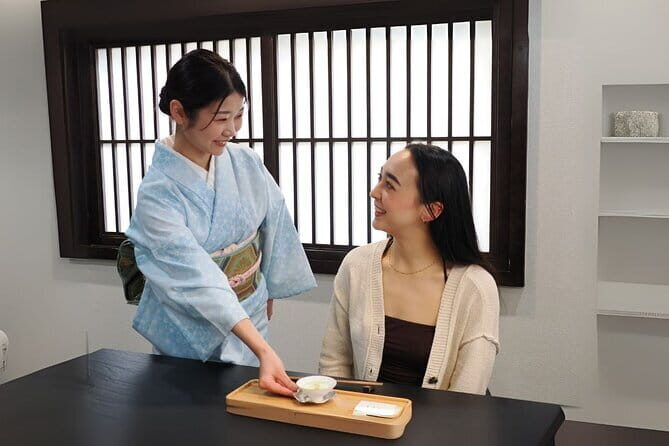
- Matcha making under a tea master’s guidance, using traditional tools
- Multiple tea styles in one session: wakocha, gyokuro sencha, genmaicha, plus matcha
- Wagashi sweets included with your tea tasting
- Small group size (max 12) for more questions and less waiting
- A group photo and completion certificate as tangible take-homes
- Near public transportation and located right by Tokyo University (easy to fit into a day)
Why This Tea Session Feels Different in Tokyo
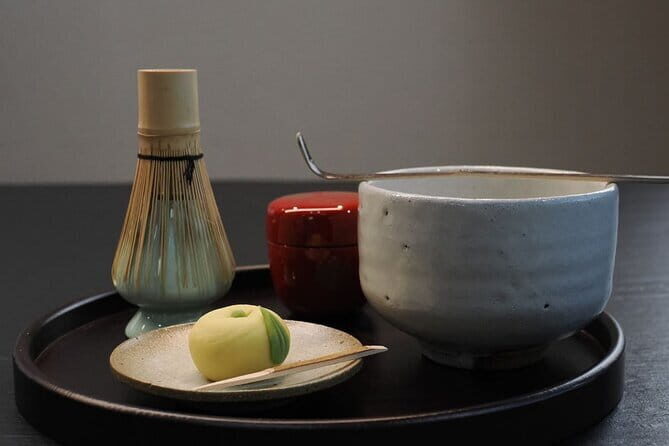
Tokyo is full of tea experiences, but many stop at a single drink and a quick explanation. This one is built around learning by doing. You’ll taste different teas, see how they’re prepared, and then you’ll whisk your own matcha—so you leave with a clearer sense of how Japanese tea culture actually works.
What makes it especially satisfying is the pacing. For about an hour, you’re not waiting around for one highlight. You’re moving through a handful of cups, sweets, and brewing steps. That gives your brain a “compare and contrast” framework: same place, different teas, different character.
You’ll also notice the atmosphere: a dedicated ceremony room, plus time with the tea master rather than a big performance. And because the group is capped at 12, you can usually ask questions without shouting over everyone else.
You can also read our reviews of more tours and experiences in Tokyo.



The Teas You’ll Try (and What to Notice in Each Cup)
This experience doesn’t just serve random samples. It walks you through tea categories you’ll keep seeing across Japan, and it hints at why each one tastes the way it does.
Wakocha and tea cake to start
You begin with wakocha, a Japanese black tea from Shizuoka, paired with a slice of cake. The point here is simple: get your palate awake with something fruity and floral before you move to the more nuanced green teas. If you usually think of black tea as flat or plain, this first cup is a nice correction.
Tea + cake also helps first-timers relax. You’re not “studying.” You’re tasting and learning together.
Gyokuro sencha, a top-grade green tea
Next comes gyokuro sencha, described as the highest grade of green tea. This matters because gyokuro is not a casual everyday cup. The leaves are treated to bring out a deeper, smoother flavor profile than many common senchas.
You’ll taste the tea leaves and the brewed tea as part of the lesson. Even if you don’t become a tea expert overnight, this step helps you understand that green tea quality isn’t just marketing. It changes the sensory experience.
Seasonal wagashi paired during the tasting
During the tasting of the green tea, you’ll have seasonal wagashi sweets associated with the tea course. The sweets are from Ougiya, a confectioner with generational experience.
Here’s the practical value: wagashi is designed to work with the tea, not overpower it. Pay attention to how sweetness and texture affect the way the tea feels in your mouth.






Matcha: the “make it” moment
Then you’ll whisk your own matcha. This is where your learning sticks. You’ll use traditional tools, and you’ll get a feel for matcha texture and how it changes when whisked properly.
Matcha is also culturally important in Japan, and not just because it tastes good. Making it helps you understand why the ritual exists: it’s a controlled way to prepare something delicate.
Genmaicha to close, comforting and grounded
Finally, you’ll finish with genmaicha, a blend of sencha and roasted rice from Niigata Prefecture. This is a very calming ending. The roasted rice adds a warm, nutty note that softens the green tea’s edge, so you end the experience feeling satisfied rather than overly “tea-loud.”
If you like comfort flavors, this last cup is often the one people remember.
Step-by-Step Flow Inside the Tea Room by Tokyo University
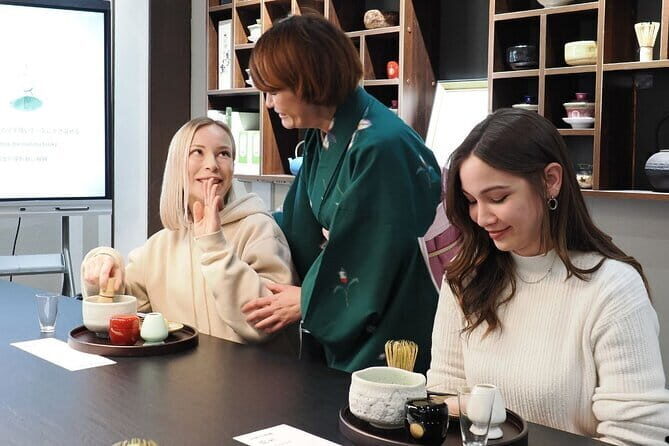
The meeting point is at OCHARU 6-chōme-2-10 Hongō, Bunkyo City, Tokyo 113-0033, and the tour ends back at the same spot. The location is described as across from Tokyo University, which makes it easy to orient yourself.
Once you’re in, you’ll follow the tea progression in a guided format. Expect a mix of watching, tasting, and then doing your own matcha preparation. There’s also a set “room access” inclusion, which matters because you’re not trying to figure out how to get into a tea space on your own.
Stop 1: Welcome tea and cake
You start with wakocha and a slice of cake. This is a smart warm-up. It prevents the session from feeling too formal too fast, and it lets you settle in before the lesson shifts to green teas.
Stop 2: Sencha tasting and tasting technique
After that, you move into gyokuro sencha tasting. You’ll also taste the tea leaves. This part helps you learn that tea isn’t only about the liquid. The leaf selection and handling affect what you taste in the cup.
One detail that came up in feedback is learning brewing basics like water temperature. If you’re a “process” person, this is where you get practical knowledge you can use later if you ever make tea at home.
Stop 3: Wagashi pairing
Wagashi shows up alongside the tea tasting. This is one of those subtle cultural skills that’s hard to learn from videos. Here, you can actually observe how the sweetness and texture behave next to the tea.
Stop 4: Whisking your own matcha
This is the hands-on center of gravity. You’ll use traditional tools and work with a tea master’s guidance. If you’ve only ever had matcha as a sweet drink in a café, expect a different vibe here: more about balance, texture, and taste than sugar.
Stop 5: Genmaicha finale
You close with genmaicha, which makes the last sip feel gentle and complete. It’s also a nice demonstration of regional variety: the experience calls out Niigata Prefecture for this blend.
Small Group Size Means You Actually Get Answers
With a maximum of 12 travelers, you’re not stuck in the back of a crowd. That’s a big deal for a tea class, because questions tend to be personal: Why does this one taste different? How do I tell good leaves apart? What should I pay attention to when whisking?
The small size also helps the tea master manage the teaching flow. You’re likely to get more direct attention, especially during the matcha portion when everyone wants to do it correctly.
If you’re traveling with family or in a mixed-age group, this structure usually works well because nobody has to wait too long to participate.
The Price: Is $33.03 Worth It for an Hour?
At $33.03 per person for roughly one hour, the value depends on what you want from a Tokyo activity.
Here’s what you get in that hour:
- A welcome drink and cake
- Multiple tastings, including sencha and genmaicha
- Matcha making with guidance
- Seasonal wagashi
- Certificate of completion plus a group photo
- Access to the tea ceremony room
For the money, the best “value lever” is that you don’t just taste. You learn the process of making matcha, and you also learn how different tea types and brewing choices affect flavor. If you’re the type who likes understanding what you’re eating and drinking, this is a solid use of time.
If you’re purely chasing a dramatic, full-length ceremony experience, the short format may feel smaller than you expected. But for most people who want culture plus hands-on skill in one compact slot, it’s a fair deal.
Who This Tea Ceremony Is Perfect For (and Who Should Rethink It)
This experience is a great fit if you want:
- A practical introduction to Japanese tea culture
- A hands-on matcha session
- A structured tasting of multiple teas
- A short activity that won’t blow up your schedule
It’s also ideal for first-timers who don’t know the difference between sencha and genmaicha, or for anyone who wants a calm break between busier Tokyo neighborhoods.
One caution: if you’re imagining a long, strict, ultra-traditional ceremony with very formal choreography and a specific theatrical style, this may not match that mental picture. Feedback indicates it’s more relaxed and educational than the most traditional, formal version some people expect.
Another practical note: if you strongly depend on fluent English, I’d confirm that in advance. In past feedback, at least one group reported the lead’s English was limited and explanations were provided via a screen. That doesn’t mean it’s always like that, but it’s worth checking so you can plan comfortably.
Your Take-Home Keepsakes Actually Matter
Some tours give you a receipt and call it a souvenir. This one gives you real keepsakes: a certificate of completion and a group photo.
Those sound small, but they’re useful in two ways:
- They help you remember what you learned, not just that you drank tea.
- They create an easy “proof” moment when you want to tell someone back home what you did that day.
It also helps that the class includes a certificate with your completion, which makes it feel like you finished something, not just attended.
Where to Fit It Into Your Tokyo Day
Because it’s about one hour, it’s easy to plan around. The meeting point is by Tokyo University in Bunkyo, so you can pair it with a neighborhood walk, a museum stop, or a meal nearby.
Also, it’s near public transportation, which matters in Tokyo. You don’t want your “tea hour” to turn into a transit marathon. This location helps you keep things calm and predictable.
A practical tip: arrive a few minutes early. Tea classes start on time, and the flow depends on everyone being present, especially when the session includes tasting and matcha preparation.
Practical Tips to Get More Out of Your Matcha Lesson
You’ll get the most out of this experience if you treat it like a mini workshop rather than a spectator show.
- Ask one or two questions during the tasting, not all at once during matcha. Matcha needs your attention.
- Take small notes in your head: how each cup feels (smooth, roasted, nutty, fruity).
- When you whisk matcha, focus on texture and consistency. That’s what you’ll remember later.
- If you’re picky about language, confirm ahead of time that your group can follow the instructions in the language you need.
If you’re traveling with kids, the short duration is a plus. They’re tasting and participating rather than sitting through a long, formal script.
Should You Book This Tokyo Traditional Tea Ceremony?
Book it if you want a short, thoughtful way to understand Japanese tea culture, with multiple tastings and real matcha-making coaching. The price feels reasonable because you’re not just drinking—you’re learning a process, plus you get a certificate and group photo.
Skip it (or adjust expectations) if you’re specifically hunting for a long, highly formal traditional ceremony with strict ritual pacing. This is educational and relaxed, designed for a one-hour experience.
If you want the most enjoyable version of this class, bring curiosity, give your palate time to compare, and don’t worry about getting matcha perfect on the first try. The goal is understanding how Japanese tea becomes tea through careful preparation.
FAQ
How long is the tea ceremony experience?
It runs for about 1 hour.
Where does the tour take place?
It starts at OCHARU 6-chōme-2-10 Hongō, Bunkyo City, Tokyo 113-0033, Japan, and ends back at the same meeting point.
How much does it cost?
The price is $33.03 per person.
What is included in the experience?
You get welcome tea and cake, sencha tasting, a matcha making session, a genmaicha finale, certificate of completion, and access to the tea ceremony room.
Is there a mobile ticket?
Yes, the experience includes a mobile ticket.
Is the group large?
The tour has a maximum of 12 travelers.
Do I get a souvenir?
You receive a souvenir photo of your group and a certificate of completion.
Is travel to and from the tea room included?
No. Travel to and from the tea ceremony room is not included.
What teas and sweets are part of the class?
You’ll try wakocha (Japanese black tea) with cake, gyokuro sencha, seasonal wagashi sweets, matcha you whisk yourself, and a final cup of genmaicha.
Can I cancel for a refund?
Yes. Cancellation is free if you cancel at least 24 hours in advance for a full refund.