REVIEW · TOKYO
Matcha Kimono Tea Ceremony in Tokyo
Book on Viator →Operated by Matcha and Kimono Experience in Tokyo · Bookable on Viator
Matcha, kimono, and real etiquette in 90 minutes.
In Shinjuku, this small-group workshop pairs an easy-to-wear kimono with a serious matcha education, including a guided session around first-flush matcha and how it fits Japanese tea culture. I love how quick and practical the kimono fitting feels, and I like that the host makes room for questions while walking you through matcha tools, taste, and etiquette.
One thing to plan for: you’ll be asked to wear socks in the tatami room, and if you forget, you may be asked to buy them on site.
In This Review
- Key things I’d put on your radar
- The Real Deal Matcha Workshop in Shinjuku (and Why It Works)
- Price and Value: What You’re Paying For
- Getting There and What to Expect at the Start
- Tatami Socks: A Tiny Detail That Can Matter
- Easy-to-Wear Kimono: Fast Dressing, Real Looking
- The Matcha Tasting Moment: Eyes, Nose, Tongue
- Tea Lecture Breakdown: Green, Black, Chinese, and Teaism
- Hands-On Matcha Making: Tools, Technique, and Texture
- Snacks and Welcome Drinks: Small Comforts That Keep It Pleasant
- Group Size, Host Style, and Why Questions Are a Big Deal
- Logistics: What’s Included, What Isn’t
- Who Should Book This Matcha Kimono Tea Ceremony
- Should You Book It? My Practical Take
- FAQ
- How long is the Matcha Kimono Tea Ceremony in Tokyo?
- What’s the maximum group size?
- What’s included in the price?
- Can I choose decaf matcha?
- Do I need socks for the tatami room?
- What happens if I’m late?
Key things I’d put on your radar
- Easy-to-wear kimono designed to get you dressed fast (not a 30-minute wrestling match)
- First-flush matcha tasting alongside an explanation of why this top-grade style matters
- 100+ matcha comparison using eyes, nose, and tongue to pick what you like
- Tea philosophy and etiquette including Teaism and how to handle a matcha bowl properly
- Hands-on whisking with tea tools rental, then drinking your own bowl
- Small group size capped at 10, so you’re not just watching from the back row
The Real Deal Matcha Workshop in Shinjuku (and Why It Works)
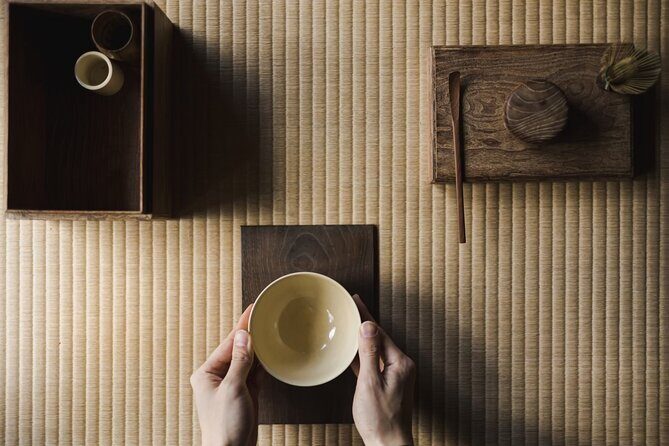
Tokyo has plenty of tea ceremonies on offer, but this one stays practical. You’re not only learning the story of matcha. You’re using the tools, making a bowl, and getting guidance on how to drink it the right way. That matters because tea culture in Japan isn’t just “sit, sip, be quiet.” It’s about attention: how the whisking changes texture, how heat and serving style affect taste, and how etiquette signals respect.
The session starts with kimono time. The kimono here is specifically designed to be easy to put on. That’s a big deal if you’re short on time or you’ve ever seen someone lose a battle to a too-complicated sash. Then the workshop shifts to matcha. You get an organized lesson on tea categories, plus a tasting experience that helps you understand why Japanese matcha and overseas matcha can taste very different.
This is also a good choice if you like structured teaching. The flow is: lecture-style explanation, then a hands-on step, then a final moment to enjoy what you made. At the same time, the host leaves room for questions, which keeps it from feeling like a rigid classroom.
You can also read our reviews of more tours and experiences in Tokyo.



Price and Value: What You’re Paying For
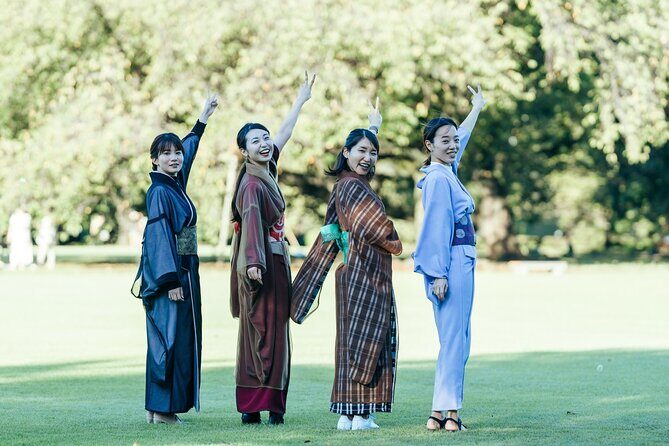
At $59.46 per person, this isn’t a “grab a tea and move on” activity. You’re paying for multiple things that normally cost separate money in Tokyo: kimono rental, tea tools rental, snacks, and the matcha experience itself, including a welcome drink.
The value gets stronger because the workshop isn’t just one flavor or one method. The session references a selection of matcha coming from across Japan and uses a “find your favorite” approach with tasting. You also get a decaf option and another matcha option (it’s listed as Terror matcha), so the workshop doesn’t assume everyone wants the same intensity.
Finally, the time is reasonable. About 1 hour 30 minutes is enough to learn, make, and taste without swallowing half your day. For Shinjuku sightseeing, that timing is gold.
Getting There and What to Expect at the Start
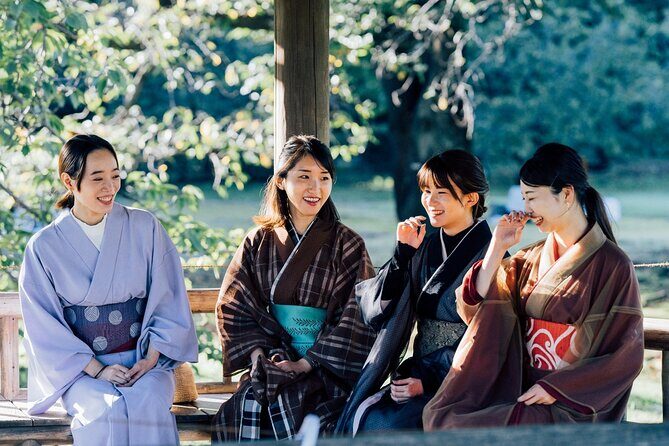
The meeting point is in Shinjuku City (the listing shows an exact map pin style label), and the workshop is described as being near public transportation. That’s what you want in Tokyo: low stress on arrival, no need to plan a complex route.
You’ll receive confirmation at booking, and you get a mobile ticket. That’s convenient because you’re already juggling train schedules, station crowds, and the usual Tokyo navigation. The group size is small, with a maximum of 10 travelers, so you can expect a more personal pace than in bigger “show up and watch” classes.
Before the lecture starts, you’ll have time to put on your kimono. Then the matcha portion begins. The workshop ends back at the meeting point, so you aren’t forced into a one-way itinerary that strands you somewhere inconvenient.
Tatami Socks: A Tiny Detail That Can Matter
This is the one practical snag I’d remember. You’ll be using a tatami room, and you’ll be asked to wear socks inside. If you show up barefoot, you might be asked to buy socks at the workshop place.
It’s a simple fix, but Tokyo is full of “small rules” like this. So either wear socks from your hotel, or pack a spare pair. If you already know you get cold on the floor, thin socks are still better than a surprise purchase right before you sit down.
Easy-to-Wear Kimono: Fast Dressing, Real Looking
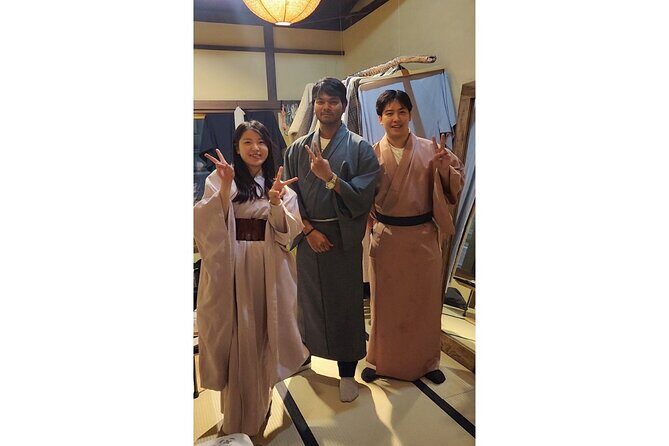
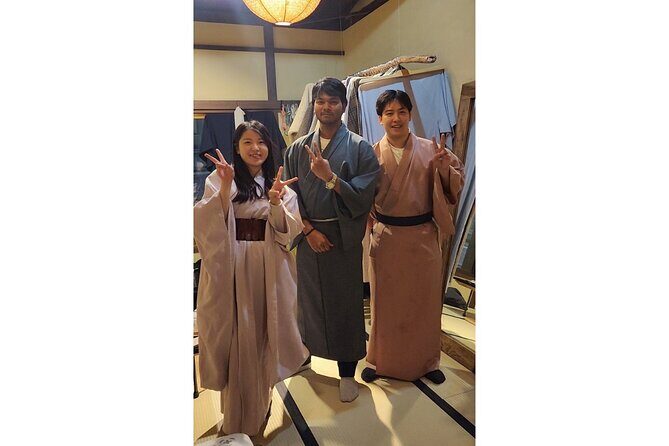
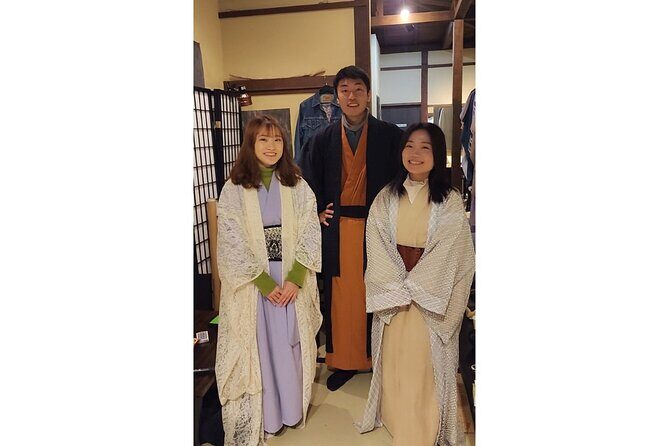
Kimono can be intimidating, especially if you’ve seen the longer dressing rituals that take patience, help, and a lot of mirrors. This experience uses kimono designed to be easy to put on quickly. The goal is straightforward: you should spend more time learning and less time tied up in layers.
The host assists you with dressing, and that’s part of what makes this workshop feel friendly. You’re not expected to already know how to fold, wrap, or secure everything. This matters because it changes the mood. When the dressing is manageable, you can actually relax and pay attention when the tea lesson begins.
Also, don’t underestimate the photo factor. One of the standout moments mentioned is that the host took photos for participants. That’s not guaranteed in every culture class, so it’s worth noting as a nice bonus if you want a memory that looks like Japan, not like a living-room selfie.






The Matcha Tasting Moment: Eyes, Nose, Tongue
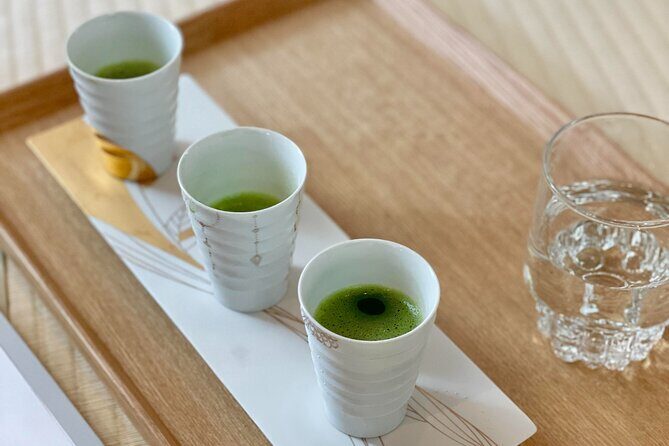
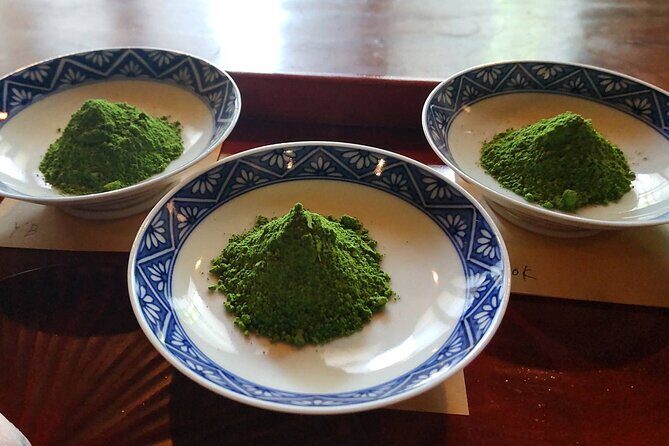
One of the most interesting parts is the “find your favorite” approach. The workshop describes tasting across a 100+ matcha collection from across Japan, using eyes, nose, and tongue to compare.
That method is more than a clever slogan. It trains you to notice the differences that casual drinkers often miss. For example, matcha isn’t only about “green equals good.” You can pick up differences in aroma, bitterness level, and how the finish feels in your mouth.
This is also where the workshop addresses a big comparison problem: Japanese matcha and overseas matcha can taste very different. The experience calls it out directly, so you’ll learn how to think about matcha beyond brand names and marketing claims.
There’s also mention of an exclusive first flush matcha. First flush generally means the tea is harvested early, and the workshop frames it as a highest-quality style. You’ll get to taste and connect that idea to what you experience in the cup.
If you’re cautious about bitterness, you’ll have options. The workshop notes that decaf and another matcha option called Terror matcha are available. So even if you don’t love intense matcha flavors, you still have pathways to participate.
Tea Lecture Breakdown: Green, Black, Chinese, and Teaism
After the early kimono moment and tasting setup, the workshop shifts into a lesson. You’ll learn about differences between teas: green tea, black tea, Chinese tea, and other categories. The goal isn’t to memorize a chart. It’s to understand how tea categories connect to culture and to the way people serve and drink them.
Then the workshop moves into the philosophy side. It mentions Teaism and tea ceremony concepts, including how the ceremony fits into Japanese thinking. That part can feel abstract at first, but it becomes useful once you start whisking matcha, because you’ll see how etiquette isn’t just tradition for tradition’s sake.
You’ll also get basics of tea ceremony etiquette, including how to handle and drink a bowl of matcha. This is the kind of information that makes you more confident later, if you attend another ceremony or if you’re served matcha at a Japanese café and want to know what you’re seeing.
Hands-On Matcha Making: Tools, Technique, and Texture
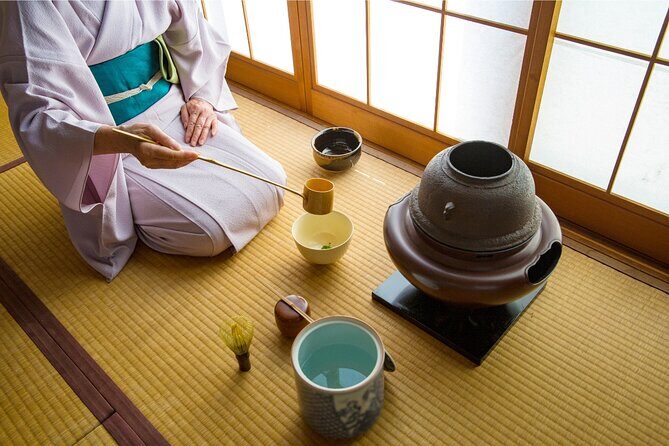
This is where the workshop earns its keep. After the lecture, you’ll make your own bowl of matcha using tea tools rented for the class. That includes the essential tools associated with whisking matcha, and the instruction focuses on technique and process.
What you’re really learning here is how technique affects outcome. Even small differences in whisking motions or timing can affect the foam, thickness, and overall mouthfeel. The host provides guidance so you’re not just copying movements. You learn what you’re aiming for and what to watch for as you whisk.
Then you drink your bowl using the etiquette basics you learned earlier. That closes the loop. You’re not only learning theory, and you’re not only consuming something tasty. You connect the two.
And yes, there’s a culture angle to the hands-on portion. Tea ceremony involves a certain rhythm and attention. When you make the bowl yourself, you understand why the ceremony is treated as more than a drink service.
Snacks and Welcome Drinks: Small Comforts That Keep It Pleasant
The workshop includes snacks, plus a welcome drink listed as coffee and/or tea, along with the matcha itself. That combination matters because matcha can be filling and also a bit intense if you’re not used to it.
The snacks help you balance the flavors and keep the pace comfortable during the transition from lecture to hands-on whisking. They also make the session feel more like a hospitality moment than a strict lesson.
If you’re the type who gets hangry during workshops, this is a relief. A 90-minute class can feel long if you’re hungry, and snacks take the edge off.
Group Size, Host Style, and Why Questions Are a Big Deal
The group is capped at 10 people, which is ideal for something this interactive. A small group means you’re more likely to get help when you’re whisking, and you’re more likely to hear answers instead of sitting with unanswered questions.
The host is described as fluent in English, and participants highlight patience and the chance to ask plenty of questions. That matters because tea culture involves details you might not guess on your own. Questions about differences in matcha styles, how to drink it, or how Japanese matcha differs from what you know can turn the experience from “nice activity” into actual learning.
Also, if you want photos, the host taking pictures for participants is a nice extra. It’s not a requirement of the experience, but it’s part of why the workshop feels well organized.
Logistics: What’s Included, What Isn’t
Included:
- Easy-to-wear kimono rental
- Tea ceremony tools rental
- Japanese traditional snacks
- A welcome drink (coffee and/or tea) and matcha as part of the tea experience
Not included:
- Private transportation
This means you’ll handle your own trip to Shinjuku. The upside is you can pair this class with other nearby plans, since the session ends back at the meeting point. It’s a good add-on to a day that already includes shopping and neighborhoods like Shinjuku.
Who Should Book This Matcha Kimono Tea Ceremony
You’ll probably love it if you:
- Want a small-group cultural activity with more than passive watching
- Like hands-on experiences where you make the thing yourself
- Enjoy learning about tea beyond stereotypes
- Want an easier kimono experience with support from the host
You might hesitate if you:
- Strongly dislike matcha flavors, even with decaf options
- Want only the photo-op and not the tea instruction
- Forget socks for tatami and don’t want the extra step of buying them
Should You Book It? My Practical Take
If you’re planning to visit Tokyo and you want one cultural class that is organized, hands-on, and not overly long, this is an easy yes. The combination of easy kimono, guided matcha tasting (including first-flush matcha), and then making and drinking your own bowl gives you a complete loop.
It’s also not an activity that assumes you already know Japanese tea. The host instruction is set up to bring you from basics to actual use of the tools and etiquette. At around $59, the value comes from what you receive, not just the words in the description: kimono, tools, snacks, drinks, and real instruction within a small group.
If you’re curious about matcha but feel overwhelmed by how many versions exist, this workshop gives you a structure to figure out what you actually like.
FAQ
How long is the Matcha Kimono Tea Ceremony in Tokyo?
The workshop lasts about 1 hour 30 minutes.
What’s the maximum group size?
The experience has a maximum of 10 travelers.
What’s included in the price?
It includes easy-to-wear kimono rental, tea ceremony tools rental, Japanese traditional snacks, and a welcome drink (coffee and/or tea) along with the matcha experience.
Can I choose decaf matcha?
Yes. Decaf and Terror matcha options are available.
Do I need socks for the tatami room?
Yes. You are asked to wear socks in the tatami room, and if you forget them you may be asked to buy them at the workshop place.
What happens if I’m late?
If you’re delayed more than 10 minutes from the starting time, the reservation is automatically canceled and no refund is accepted in that case.