REVIEW · TOKYO
Tokyo: Samurai Sword & Archery Class from Samurai Descendant
Book on GetYourGuide →Operated by Toyama-Ryu BIZENKAI · Bookable on GetYourGuide
Learning katana timing beats movie magic. This class at Toyama-ryu Bizen-kai lets you practice moving target cutting and then shoot with a traditional horseback-archery bow, taught by master instructors. I like how you’re not only taught the moves—you work on form and timing as if you’re a student in a real dojo. One clear drawback: it’s physically demanding and not suitable for many visitors with health or mobility limits.
The best part for me is the hands-on structure. You start with an explanation of how swords and samurai combat evolved, then move straight into iai handling, mock-sword practice, and sparring with a practice sword under close coaching. Instruction runs in Japanese and English, and I especially appreciated the clear way Sensei Yoshioki Sumida and his assistant (often mentioned as Harry) guide you and correct unsafe habits.
Before you book, keep expectations realistic. This is training, not entertainment. If you have back or heart issues, limited mobility, epilepsy, or you’re pregnant, you should skip it; even for healthy adults it can leave you sore the next day.
In This Review
- Key Points Worth Your Time
- Price and Time: What You’re Really Paying For
- Where the Class Happens: Toyama-ryu Bizen-kai in Machida
- The Samurai Weapon Timeline You’ll Hear Before Training
- Iai Lesson: Mock Sword Work and Safe Form
- Gekken Sparring: Timing, Defense, and Real Coaching
- Cutting Practice: Why the Blade Path Matters
- Traditional Horseback Archery: Shooting with a Real Longbow Style Setup
- Watching Toyama-ryu Demonstrations at a Higher Level
- What It Feels Like Day-of: Intensity, Attention, and Respect
- Practical Tips That Make This Class Easier
- Is This Worth It for You? (Who Should Book)
- Should You Book This Samurai Descendant Class in Tokyo?
- FAQ
- How long is the Tokyo Samurai Sword & Archery class?
- Where do I meet for the class?
- What’s included in the price?
- Do I need to bring my own sword or uniform?
- What should I bring with me on the day?
- Is the class taught in English?
- What types of training do I do during the 3 hours?
- Is sparring included?
- Who shouldn’t join this class?
Key Points Worth Your Time
- Moving cuts into targets: Slashing while you shift position is much harder than it looks in films.
- Iai with correct technique: You learn safe sword mechanics using a practice setup before going further.
- Gekken sparring with timing work: Attack/defense basics get drilled, then you spar with a practice sword.
- Traditional horseback archery bow: You shoot arrows using the kind of equipment tied to samurai archery traditions.
- Small group energy (up to 15): You get more attention than in big show-style demos.
Price and Time: What You’re Really Paying For

The class costs about $193 per person and runs 3 hours. That price is high compared to typical “hold-a-sword” experiences, but you’re paying for something rarer: structured instruction from a teacher who claims mastery in both swordsmanship and horseback archery. In other words, you’re not being moved along a photo route—you’re being coached through a sequence.
It’s also not just one skill. Over three hours you get a lecture, sword fundamentals (iai and gekken), and then archery practice. If you’re the type who hates paying for “one moment,” this format usually feels fair because you’re actively training for most of the time.
A simple comparison: cheaper classes may give you a short demonstration plus a few seconds of cutting or aiming. Here, you’re learning technique and timing, and you’ll work through multiple training segments (iai, sparring, cutting practice, and archery).
A few more Tokyo tours and experiences worth a look


Where the Class Happens: Toyama-ryu Bizen-kai in Machida
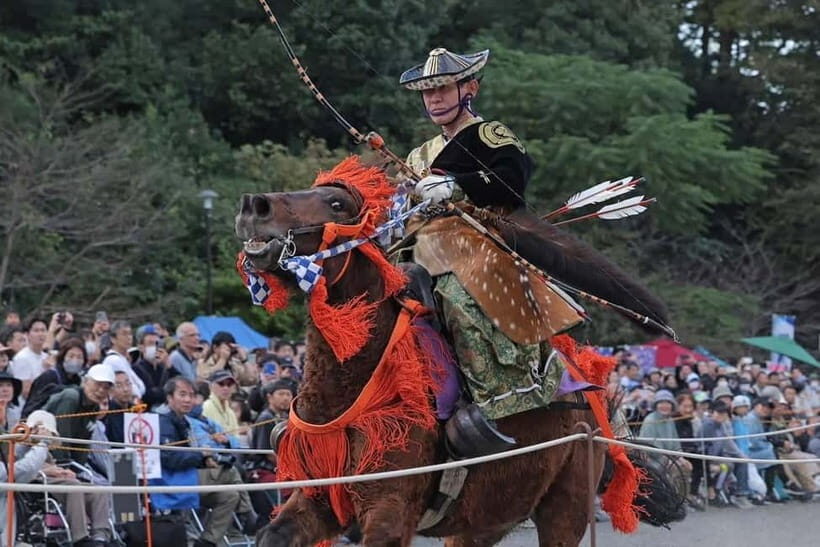
Meet at Toyama-ryu Bizen-kai (戸山流備前会 BIZENKAI), about a 10-minute walk from JR Machida Station. The dojo is on the third floor.
Here’s the detail that saves time: use the stairs at the back between the sword shop and the vending machines on the first floor to reach the third floor. It’s easy to miss if you’re rushing.
Plan to arrive early if you can. Some visitors recommend being there about 30 minutes ahead, especially to catch pre-class demonstrations and practice. Even if you don’t speak much Japanese, watching the rhythm of a dojo setup helps you understand what kind of training day you’re stepping into.
The Samurai Weapon Timeline You’ll Hear Before Training
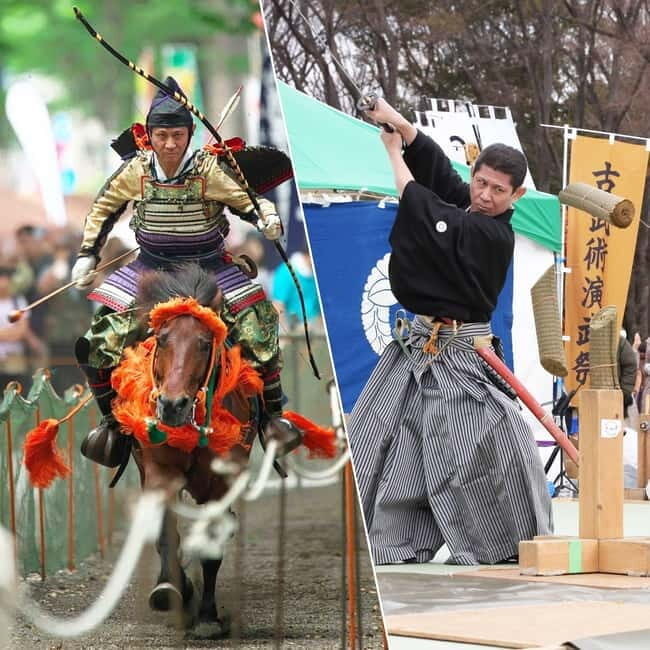
Before you swing or shoot anything, you get a lecture that places samurai combat in context. The class walks through how priorities shifted across centuries: the bow was central about 1000 years ago, then the matchlock gun grew more powerful about 450 years ago, and after the civil war ended, the sword became the main weapon about 400 years ago.
Why this matters: it prevents the “katanas only” mindset. You’ll see why archery training fits into samurai identity, not as a gimmick. When you later pick up the bow and arrows, you’re not just learning aim—you’re connecting the practice to a historical role where mounted archery mattered.
You also might get a chance to handle an antique matchlock gun (the class description explicitly mentions holding one). Even if it’s only brief, it’s the kind of tactile history that makes the lecture feel real rather than academic.
Iai Lesson: Mock Sword Work and Safe Form
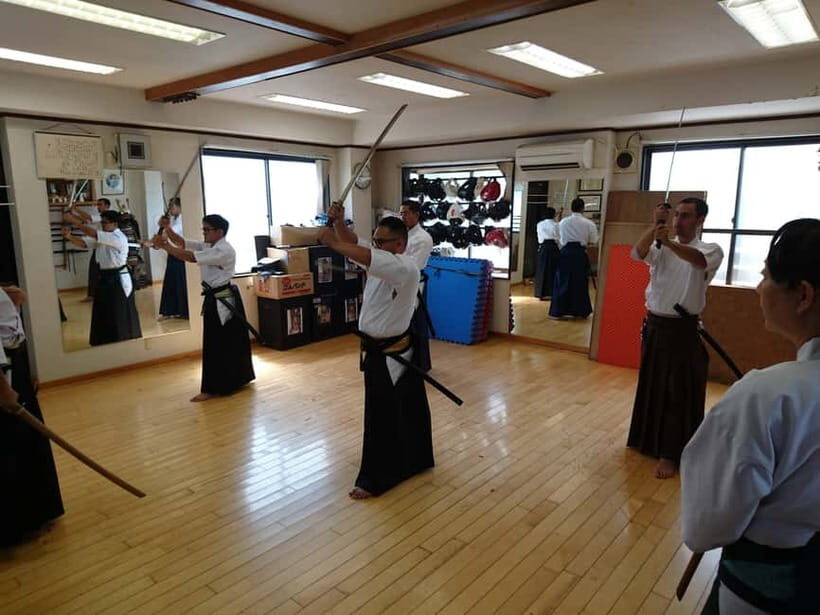
The first real training block is the iai lesson. Iai is about drawing and cutting with disciplined mechanics, not just swinging wildly. You’ll learn how to handle and swing the mock sword in a controlled, repeatable way.
For first-timers, this is where the class earns its seriousness. You’re taught to slow down enough to get your stance, grip, and body alignment correct. And because you’re using a practice setup first, it’s the kind of progression that helps you avoid the common visitor mistake: rushing because it looks fast in movies.
What I’d watch for in your own practice: you’ll be corrected on form and safety details. People often mention that Sensei Yoshioki Sumida is exact about proper technique while still being patient and supportive. That combination matters because iai is unforgiving if your movement pattern is sloppy.
Gekken Sparring: Timing, Defense, and Real Coaching
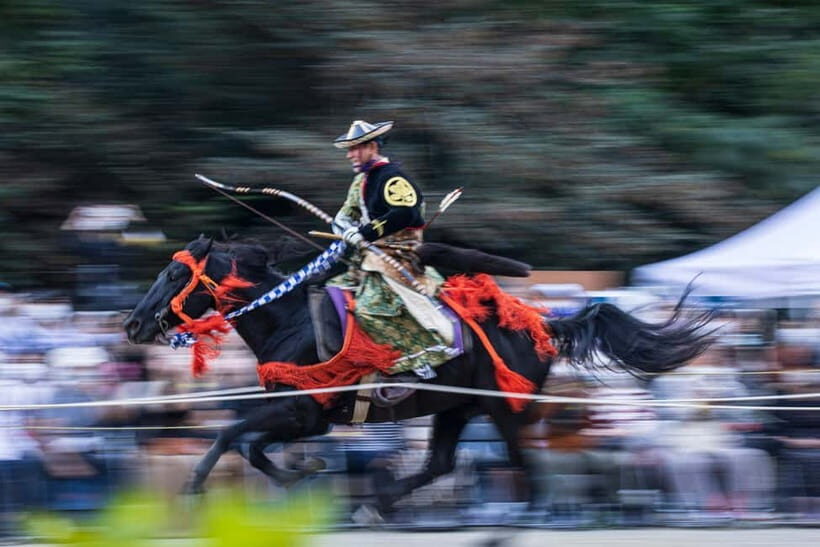
Next comes gekken training. This is where you’ll learn timing of attack and defense, then move into sparring with a practice sword.
This part tends to be the emotional peak for most people. Cutting and archery are impressive, but sparring forces you to pay attention in a different way: distance, rhythm, reaction, and control. You don’t get to treat it like a performance. It becomes a feedback loop with an instructor telling you what to fix and when to reset.
One standout detail from the class highlights is the difficulty of slashing multiple targets while moving. That’s not “flailing,” and it’s not choreography. It’s a skill that demands coordination—feet, hips, arms, and blade path all working together. Even when you’re just learning basics, the class makes you feel the difference between a static cut and a moving cut.





Cutting Practice: Why the Blade Path Matters
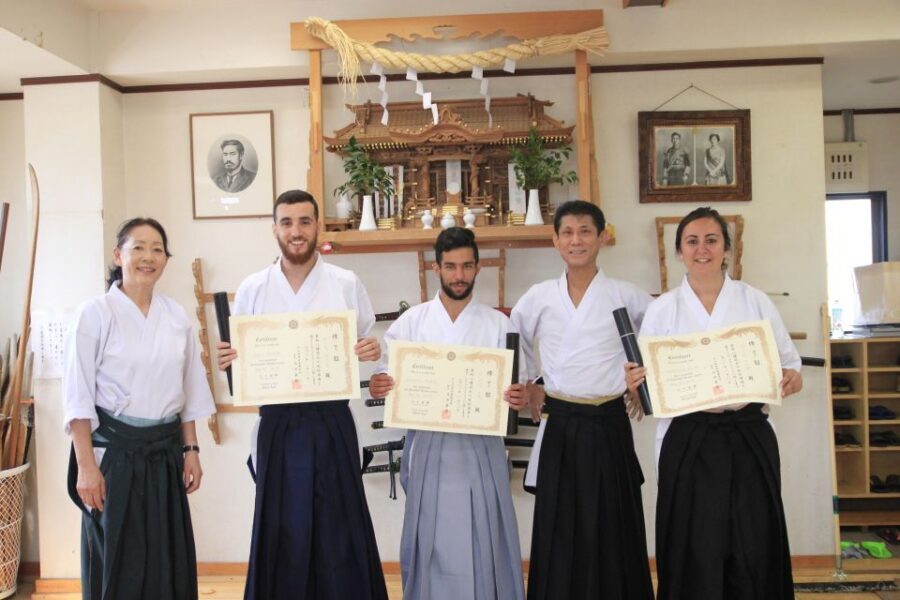
After your timing work, there’s also an activity where you can check the blade line. Blade line is basically how straight and controlled the cutting path is, and whether your body is aligned to make the motion clean.
I like this kind of feedback method because it turns cutting into a teachable metric. Instead of guessing, you learn what “correct” looks like and then you can aim your effort at the actual problem.
If you’re nervous about cutting, you’re not alone. The class description emphasizes that techniques are difficult and that you’ll see challenging methods rather than staged “tour moves.” That’s exactly why the blade-line check is valuable: it gives you a way to improve that doesn’t rely on luck.
Traditional Horseback Archery: Shooting with a Real Longbow Style Setup
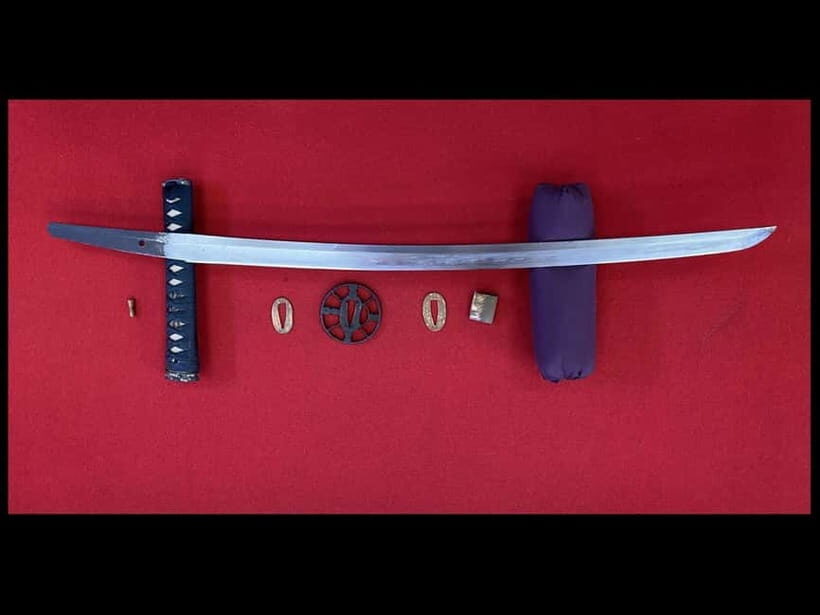
Then you switch from sword training to archery. The highlight here is shooting arrows using a real horseback archery bow.
Even if you’re not riding a horse, the equipment and posture rules push you to think about archery as discipline, not just aiming. The class focuses on form and technique—so expect coaching and adjustments.
One practical consideration from experience accounts: archery setups can be right-hand oriented. If you’re left-handed, you might feel the mismatch and have to work a bit harder to adapt. That doesn’t mean you can’t do it. It just means you’ll want to be ready for a learning curve.
Camera tip: if you want to film the archery section, a wide lens can help capture the bow-and-arrow action more comfortably (one visitor specifically recommended wide-lens capability).
Watching Toyama-ryu Demonstrations at a Higher Level
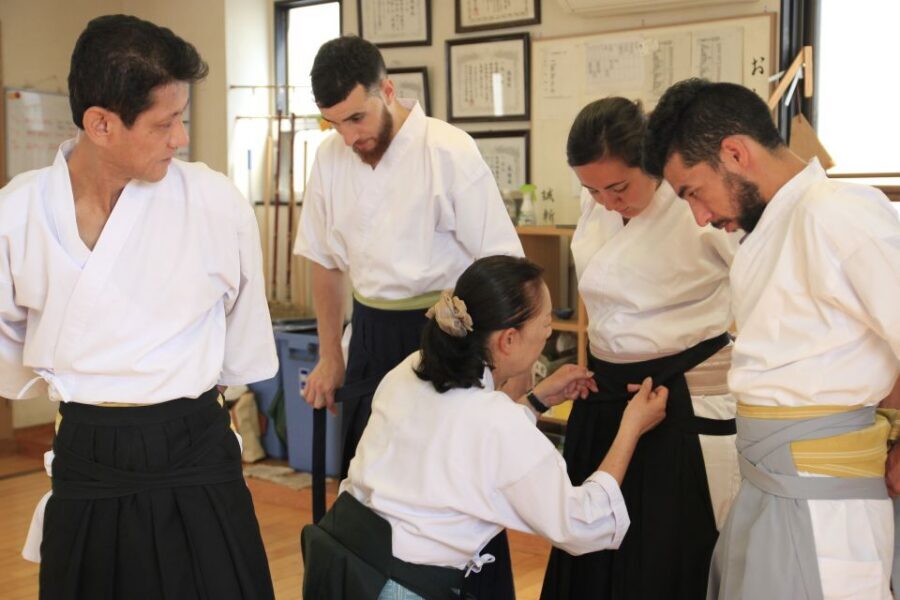
The class also includes a chance to see a live demonstration of Toyama-ryu 7th grade. Even if your own training is at a beginner level, watching someone higher up in the style gives you an instant reference point for what “good” looks like in real time.
I see this as smart value for your 3 hours. It breaks up the practical work with something inspiring, but it also keeps you grounded. It’s not fantasy. It’s the same tradition, taught with standards and continuity.
What It Feels Like Day-of: Intensity, Attention, and Respect
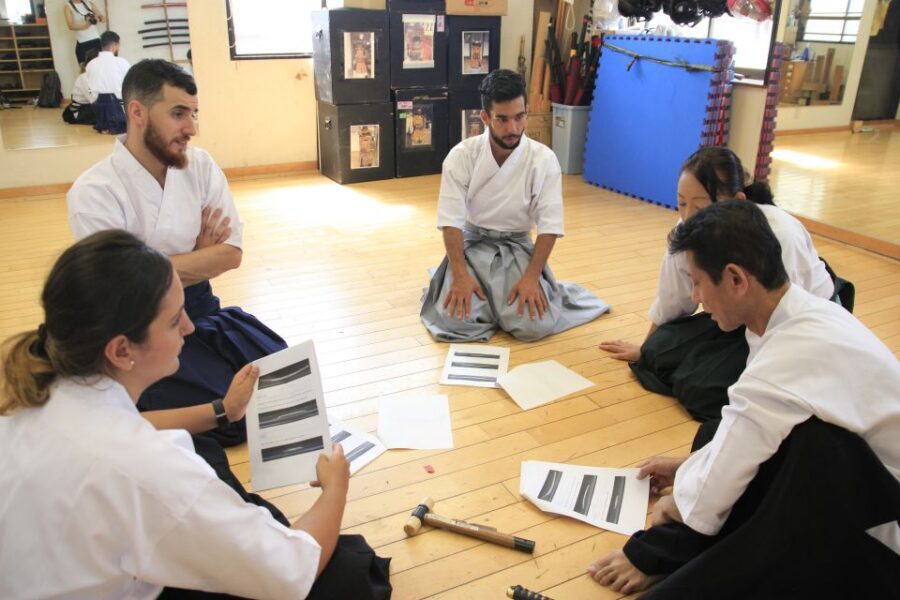
The training tone is respectful and serious. The class description explicitly warns it’s not entertainment for foreigners and not a tourist trap. In practice, that shows up as strict attention to safety and form, plus a focus on technique over performance.
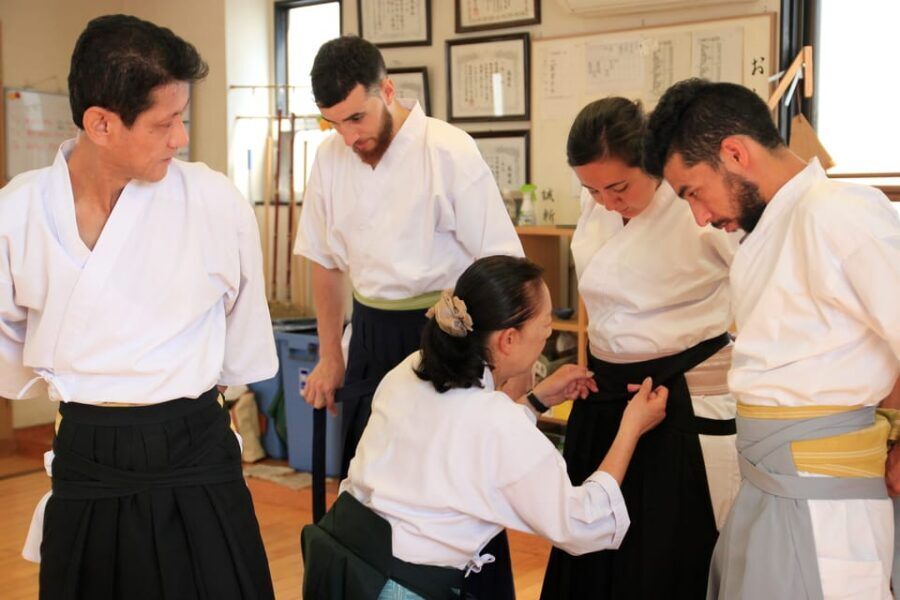
Group size also matters. With a maximum of 15 people, you’re more likely to get personal correction. Many class accounts describe a welcoming but demanding environment—coaching that can be firm when needed, with patience to help you get it right.
You’ll probably leave tired. A couple of experiences mention soreness afterward, which makes sense when you’re practicing stance work, controlled cuts, and then archery with real form requirements.
Practical Tips That Make This Class Easier
A few prep moves will make your experience smoother.
- Tell the organizer your height and weight so the uniform fits correctly. You’re provided training wear, but the class needs sizing details.
- Bring a camera and drinks (the class explicitly asks for both).
- If you’re filming, set expectations. Sword work and archery are fast moments inside a controlled area, so plan how you’ll frame shots.
- Wear clothes you’re comfortable moving in—because you’ll change into training wear on arrival, but you’ll still need to walk in, wait, and move around before the session starts.
Also, consider your body. The class states it’s not suitable for pregnant women, people with back problems, mobility impairments, heart problems, wheelchair users, epilepsy, and visually impaired people. If any of those apply, don’t try to “tough it out.” This is real practice with real physical demands.
Is This Worth It for You? (Who Should Book)
This class is best for you if:
- You want authentic practice, not just photos.
- You enjoy martial arts and want to learn technique (iai basics, timing in sparring, and structured cutting).
- You’re genuinely interested in how samurai combat traditions changed over time, including the role of archery.
- You want instruction from someone like Sensei Yoshioki Sumida, who’s presented as a master of both swordsmanship and horseback archery.
You might reconsider if:
- You’re hoping for a low-effort activity.
- You need a fully accessible experience due to mobility needs.
- You’re expecting left-handed archery to be “just like right-handed” with no adjustment.
If you’re traveling with a partner, it can also work well. Some class days seem to feel closer to a private lesson because groups can be small, and both sword and archery are shared experiences.
Should You Book This Samurai Descendant Class in Tokyo?
If you want a Tokyo activity that feels like training you can respect, I think this is a strong pick. The value comes from the structure: lecture first, then iai, then gekken sparring and cutting, then real archery, with small-group coaching.
You should book it if you’re willing to work with instruction and accept that it’s physically demanding. You should pass if you fall into any of the health or mobility categories listed by the provider.
At $193 for 3 hours, it’s not a casual bargain. But for the combination of moving target cutting, iai technique, sparring, and traditional horseback-archery bow shooting, it’s one of the more meaningful ways to connect with samurai arts in real-world practice.
FAQ
How long is the Tokyo Samurai Sword & Archery class?
It runs for 3 hours.
Where do I meet for the class?
You meet at Toyama-ryu Bizen-kai (戸山流備前会 BIZENKAI), about a 10-minute walk from JR Machida Station. The dojo is on the third floor.
What’s included in the price?
The class includes the instructor, the samurai experience, a practice uniform, and a practice sword.
Do I need to bring my own sword or uniform?
No. The class provides the practice uniform and a practice sword. You should provide your height and weight so they can size the uniform.
What should I bring with me on the day?
Bring a camera and drinks. Alcohol and drugs are not allowed.
Is the class taught in English?
Yes. The instructor teaches in Japanese and English.
What types of training do I do during the 3 hours?
You’ll do an iai lesson (mock sword handling), gekken (timing and defense plus sparring with a practice sword), cutting practice (including work on blade line), and archery where you shoot using a real horseback archery bow.
Is sparring included?
Yes. The class description says you learn timing of attack and defense and spar with a practice sword.
Who shouldn’t join this class?
The provider lists it as not suitable for pregnant women, people with back problems, mobility impairments, heart problems, wheelchair users, children under 18, epilepsy, and visually impaired people. Children under 18 may participate only with parental permission and supervision and must have enough muscle strength to swing the sword.
If you want, tell me your travel dates and whether you’re left-handed, and I’ll suggest the best way to time your visit and what to prioritize during the session.