REVIEW · TOKYO
From Tokyo Kamakura, Hachimangu Shrine and Enoshima Full Day Tour
Book on Viator →Operated by Hotel Takitei · Bookable on Viator
Two coastal towns, one well-paced day. This tour strings together Kamakura and Enoshima highlights with a driver, air-conditioning, and guided commentary, so you can spend your energy looking instead of figuring out trains and directions.
What I like most is the convenience: pickup and drop-off options, plus the Enoden train ticket so the day runs on rails. I also like how the stops are timed for photos and wandering, with a guide who keeps the story going from the bronze Buddha to the sea shrines. One thing to consider: you’ll walk a fair amount, and hot or sunny weather can feel intense with limited shade.
In This Review
- Key things to know before you go
- From Shinjuku pickup to a smooth day: how the logistics work
- Kotoku-in Great Buddha: the 13.35m must-see stop
- Hase Station and the Enoden ride: part transport, part experience
- Enoshima Island and Enoshima Shrine: sea views and a classic shrine circuit
- Tsurugaoka Hachimangu: torii gates, gardens, and samurai-era atmosphere
- Komachi Street: the snack-and-shopping finish line
- How the guide makes the difference (Alex, Allan Tan, Peter, Leonard, and more)
- Price and value: what you get for about $60.62
- Walking, heat, and crowd reality checks
- Should you book this Kamakura and Enoshima full-day tour?
- FAQ
- What’s the duration of the Tokyo to Kamakura and Enoshima full-day tour?
- Which major stops are included in the itinerary?
- Is lunch included?
- What tickets are included for the ride and attractions?
- What languages do the guide explanations cover?
- Is this a private tour?
- What if I need to cancel?
Key things to know before you go
- You cover Kamakura and Enoshima in one day without bouncing back and forth through Tokyo routing
- Enoden train ticket is included, plus a scenic ride from Hase Station along the Shonan coast
- Great Buddha at Kotoku-in is quick (about 30 minutes) and the admission ticket is not included
- Enoshima Shrine time is generous (about 1 hour 50 minutes) and the main shrine stop is free
- Tsurugaoka Hachimangu and Komachi Street round out the samurai-and-street vibe
- Group size is kept to about 40, with commentary in English and Mandarin (and Japanese)
From Shinjuku pickup to a smooth day: how the logistics work
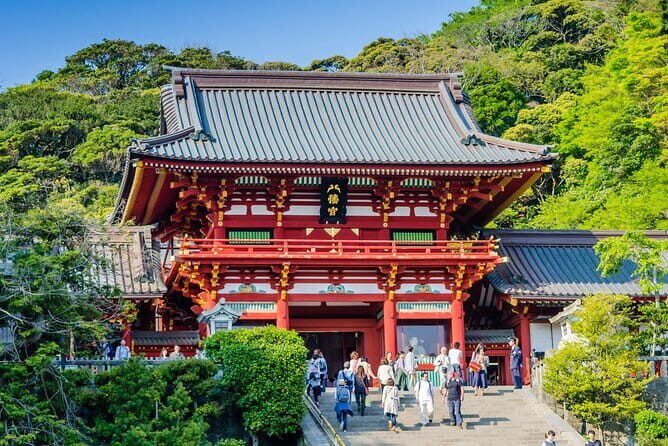
This is the kind of day trip that feels built for people who want out of Tokyo without giving up control. You get an air-conditioned vehicle, multiple designated pickup points, and a guide who explains what you’re seeing as you go. The schedule runs for roughly 10 hours, which is long enough to feel like a real excursion, but short enough that you’re not stuck all day underground in station transfers.
The tour is a shared group experience with a maximum of 40 people. That matters because it usually keeps the pacing organized. You’ll also hear multi-language explanations, with guides working across English, Mandarin, and Japanese depending on the group.
Day-of, plan to arrive early. The guide carries a yellow flag with the Gogoday logo. Tell them the name you used when booking. If you’re late, you can lose your spot in the group plan.
A few more Tokyo tours and experiences worth a look

Kotoku-in Great Buddha: the 13.35m must-see stop
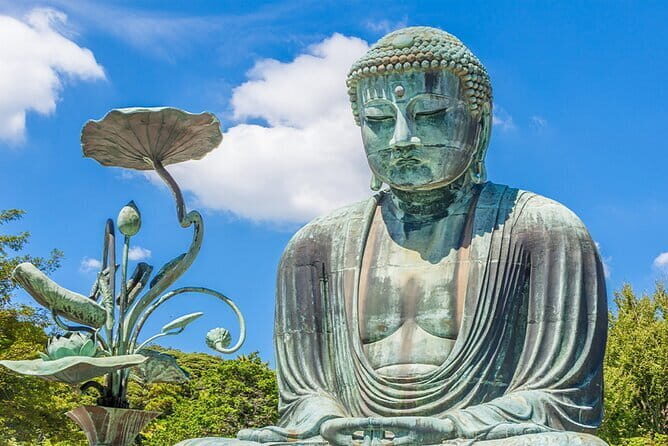
The day starts in Kamakura with the iconic bronze Great Buddha at Kotoku-in. The statue is listed at 13.35m, and even though your time here is short (about 30 minutes), it’s a classic place to calibrate your expectations for the rest of the day. This is one of those stops where you’ll likely end up doing the same thing everyone does: walking in close, then stepping back to take in scale.
A practical note: the admission ticket for Kotoku-in isn’t included. So budget for that if you’re paying as you arrive.
This stop is mostly outdoors, so it’s a good idea to bring sun protection and something light for your shoulders. One of the more common real-world issues with this itinerary is heat, and you’ll feel it most on the outdoor sections.
Hase Station and the Enoden ride: part transport, part experience
Next you head to Hase Station, where the tour puts you on the Enoden train. This is the cute little electric railway that has been in operation for more than 100 years. The ride is about 40 minutes, and the idea is that you get scenery along the Shonan coast plus glimpses of the colorful districts around the line.
Because the Enoden ticket is included, you avoid the most annoying part of DIY travel: working out which pass works and where to buy at the right time. And since the train is part of the tour flow, you’re less likely to end up stranded at the wrong platform or missing the window.
The trade-off is that this train segment can get crowded. If you’re sensitive to tight spaces, wear layers you can manage and keep your eyes up for photo angles through the windows rather than trying to chase perfect shots at every stop.
Enoshima Island and Enoshima Shrine: sea views and a classic shrine circuit
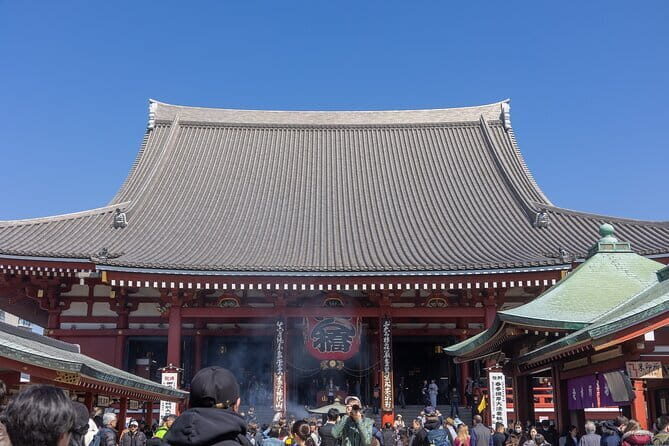
Enoshima is where the day starts to feel like a vacation instead of a checklist. You get about 1 hour 50 minutes on Enoshima Island, and the big highlight is Enoshima Shrine, described as being built in 552 on the order of Emperor Kinmei.
Your time includes a look at the Benzaiten statue, noted as a wooden, colorful, eight-armed seated figure, plus other named sights like the Happo tortoise. This is the kind of shrine setting where pathways and viewpoints matter as much as the structures. Even if you just follow your group’s pace, you’ll still likely end up taking breaks for photos and letting the coastline air reset your brain.
In the information for this stop, the Enoshima Shrine admission is listed as free. That’s a big value point: you’re paying for the tour day, then spending your time at places where the main cost is your time and energy.
One extra thing to keep in mind: Enoshima often involves walking, including crossing toward the island via a bridge area where you can catch views on both sides. Build in a slower pace for this section—if you rush, you miss the point.
Tsurugaoka Hachimangu: torii gates, gardens, and samurai-era atmosphere
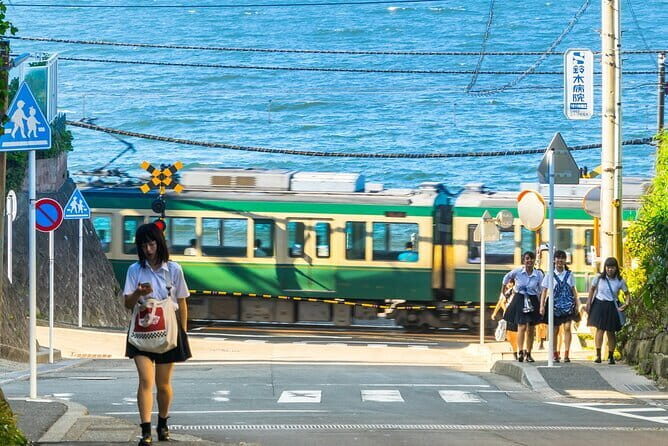
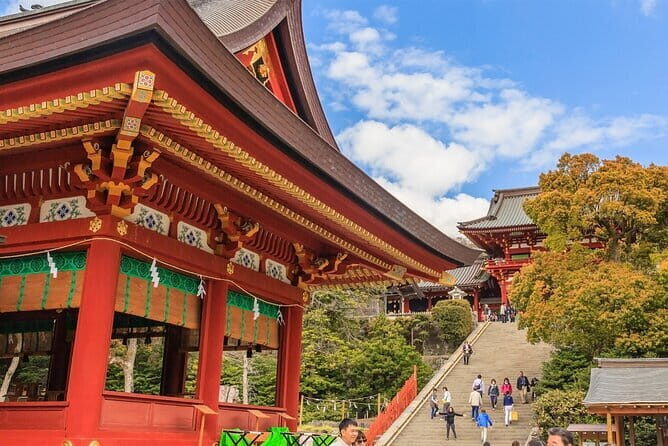
After the sea, you shift back into shrine-and-history mode with Tsurugaoka Hachimangu Shrine. Your visit is about 40 minutes, and it’s known in the itinerary for torii gates and beautiful garden areas.
This stop is important because Kamakura isn’t just a day-tripping theme park. It has a serious spiritual and historical identity, and Hachimangu is one of the anchors. You’re not meant to sprint through; instead, you’re meant to slow down long enough to understand what you’re looking at—especially if your guide is the type who points out why certain layouts and symbols matter.
Admission for this stop is listed as included, which helps keep your day from turning into constant small purchases.






Komachi Street: the snack-and-shopping finish line
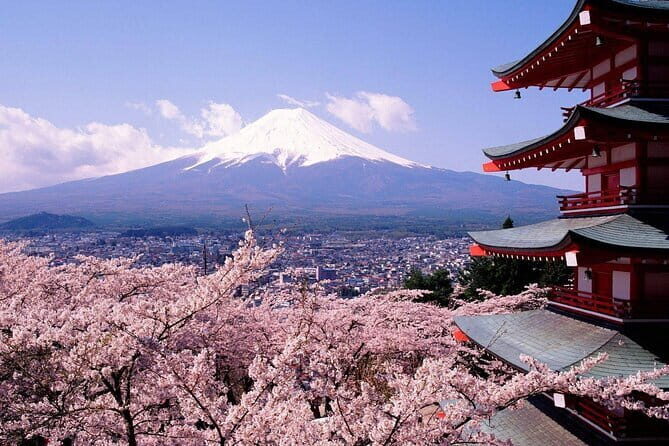
To wrap things up, you end with Komachi Street, a lively old street that stretches between Tsurugaoka Hachimangu Shrine and Kamakura Station. It’s about a 30-minute walk, and it’s all about atmosphere: traditional storefront vibes mixed with modern conveniences.
This is where you can steer the day toward your own tastes. If you want snacks, pick something easy to carry. If you want small gifts, browse at a relaxed pace. If you just want photos, you’ll find plenty of corners that look like Kamakura without needing a plan.
Also, because lunch isn’t included, Komachi Street becomes a practical place to grab food depending on your timing. If you’re picky about meal times, plan to eat when you have the chance rather than assuming there will be a perfect sit-down option.
How the guide makes the difference (Alex, Allan Tan, Peter, Leonard, and more)
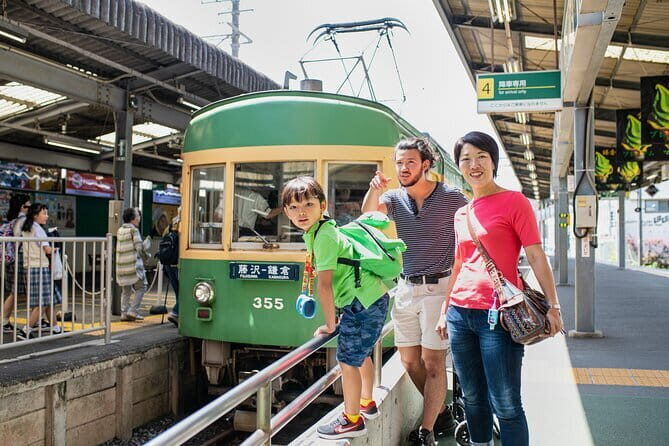
This tour lives or dies by its guiding. The best part is that the guide doesn’t just point at things—they explains why the place matters and what details to watch for.
Across recent experiences with guides like Alex, Allan Tan, Peter, Leonard, Carter, Chow, and others, the consistent theme is clear communication and smooth time management. Some guides are also known for humor, and several focus on helping people take better photos at the right spots by suggesting angles and timing.
That matters because Kamakura and Enoshima can feel like a blur if you’re just moving from one landmark to the next. A good guide helps you understand what you’re seeing in real time, so your photos end up meaning more than just scenery.
Price and value: what you get for about $60.62
At around $60.62 per person, the value comes from bundling. You’re getting:
- an air-conditioned vehicle
- pickup and drop-off at designated points
- a guide and driver
- the Enoden train ticket included
You’re not paying separately for every transport step, and you avoid the planning overhead that can eat up half a day of your time in Tokyo.
The day does have costs you should expect:
- Lunch is not included
- Kotoku-in Great Buddha admission is not included
So if you’re budgeting tightly, it helps to plan your money split: tour cost first, then keep some cash ready for the paid admission and your own meals/snacks. The tour info also recommends bringing some cash since some places may be cash-only.
Walking, heat, and crowd reality checks
Even with great scheduling, the real travel constraints are universal: walking and crowding. This itinerary has multiple stops that involve walking between points and exploring shrine grounds. If the day is hot, you’ll want light clothing, water, and sun protection. Shade can be limited in some areas.
Also, the Enoden train ride can be crowded. Don’t plan on using it as your nap time. Keep your phone charged and your expectations practical.
One more timing consideration: Japan weekend and holiday traffic can delay the return time past 8 p.m. The company covers overtime fees for the guide and driver, but the practical advice is simple: don’t schedule anything that would punish you if you’re late back to Tokyo.
Should you book this Kamakura and Enoshima full-day tour?
Book it if you want a straightforward, guided way to see the big Kamakura and Enoshima hits without wrestling Tokyo transit. The included Enoden ticket, the air-conditioned transport, and the structured stop timing make this a good value day trip—especially if you’re not in the mood to plan bus/train connections all morning.
Skip it or rethink it if:
- you hate walking and heat with limited shade
- you need an ultra-flexible schedule with lots of free time
- you’re extremely sensitive to crowds on trains
If you’re traveling solo, this kind of group format can also be a smart way to get the story behind each stop and not feel lost as you move through shrine areas and streets.
FAQ
What’s the duration of the Tokyo to Kamakura and Enoshima full-day tour?
It runs for about 10 hours.
Which major stops are included in the itinerary?
You’ll visit Kotoku-in (Great Buddha), Hase Station with the Enoden train ride, Enoshima Island including Enoshima Shrine, Tsurugaoka Hachimangu Shrine, and Komachi Street.
Is lunch included?
No, lunch is not included.
What tickets are included for the ride and attractions?
The Enoshima Electric Railway (Enoden) ticket is included. Kotoku-in admission is not included, while other listed attraction admissions are marked as included or free in the itinerary.
What languages do the guide explanations cover?
The guide provides explanations in English, Mandarin, and Japanese.
Is this a private tour?
No. It’s a shared group tour with a maximum of 40 travelers.
What if I need to cancel?
You can cancel up to 24 hours in advance for a full refund. If you cancel less than 24 hours before the experience starts, the amount you paid won’t be refunded.
![[Once-in-a-Lifetime Experience]Tokyo City Go-Kart Experience Tour - Getting There: ALOHA Go-Kart and What You Need Before You Drive](https://images.thejapantraveler.com/wp-content/uploads/once-in-a-lifetime-experiencetokyo-city-go-kart-experience-tour.jpg)