REVIEW · KYOTO
Kyoto Ramen Spoon Painting & Michelin Cooking Class
Book on Viator →Operated by 無双心ラーメンアカデミー · Bookable on Viator
First you’re making something you can actually use. Ramen spoon painting turns the food obsession into a hands-on craft, then you cook the real thing in a chef-led kitchen. The class is run by Musoshin Ramen Academy, with Master Shin and other instructors like Amiru guiding you step by step, and the group stays small (up to 12).
What I like most is the tight two-part format: you craft a souvenir and then learn how ramen is built from components, not just recipes. The other win is how professional the setting feels for the price—this isn’t a rushed demo. One heads-up: you’re walking between a few stops and a working kitchen, so plan a calm day and don’t cut it close on timing.
In This Review
- Key highlights to know before you go
- Ramen spoon painting in Kyoto: fun craft meets food you’ll understand
- Musoshin Ramen Academy: Master Shin and a real kitchen setup
- Your spoon souvenir: what you paint, what gets baked, and when you’ll get it
- Cooking ramen like it’s made from scratch: the Michelin-style method you can repeat
- What you do during the outing: temple stops plus the ramen workshop rhythm
- The food part: you eat your bowl, and it’s not just a snack
- Price and value: $65.89 for souvenir + chef coaching + a full ramen bowl
- Who should book this, and who might want to skip it
- Practical tips that make this easier (and help your day run smoother)
- Should you book the Kyoto Ramen Spoon Painting & Michelin Cooking Class?
- FAQ
- How long is the Kyoto Ramen Spoon Painting & Michelin Cooking Class?
- What’s the group size?
- Do I get to paint a ramen spoon, and is it a real souvenir?
- Will I eat the ramen I cook?
- Is there a vegetarian or vegan option?
- Where is the meeting point?
- Can I cancel for a full refund?
Key highlights to know before you go
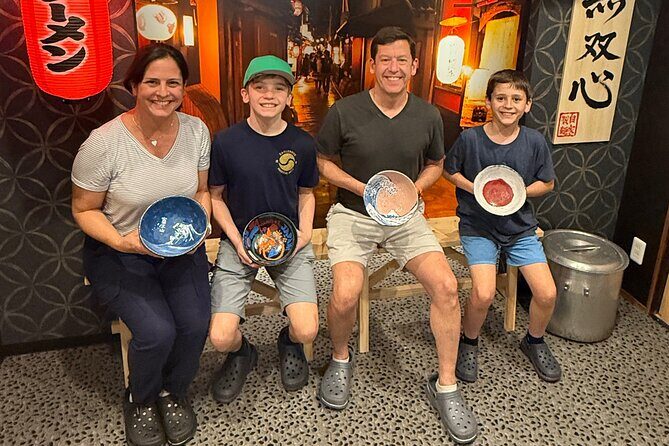
- Paint a ceramic ramen spoon and take home a souvenir from your own design
- Small group size (max 12) so you get real attention while you cook
- Pro-level methods and ingredients (noodles made daily, soup simmered for 12 hours)
- Hands-on ramen cooking using ingredients brought in by the restaurant
- Vegetarian/vegan and allergy handling shown in past classes
- You eat at the end so your hunger stays out of the story
Ramen spoon painting in Kyoto: fun craft meets food you’ll understand
In Kyoto, you can find lots of things to buy. This one is different because it starts with a tool, not a trinket. You paint a ceramic ramen spoon that becomes part of your ramen routine at home. It also gives you a mental hook for what comes next: while your spoon is being fired in a kiln overnight, you’re learning why ramen tastes the way it does—layers, textures, and timing.
The smart part is that the class doesn’t treat ramen like a single dish. You learn it as a set of building blocks: noodles, broth, sauce, roast pork, and toppings that each bring something different. When you then get to make your own bowl, you’re not just copying a final product. You’re assembling a system.
You can also read our reviews of more cooking classes in Kyoto
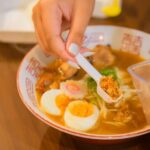
Musoshin Ramen Academy: Master Shin and a real kitchen setup
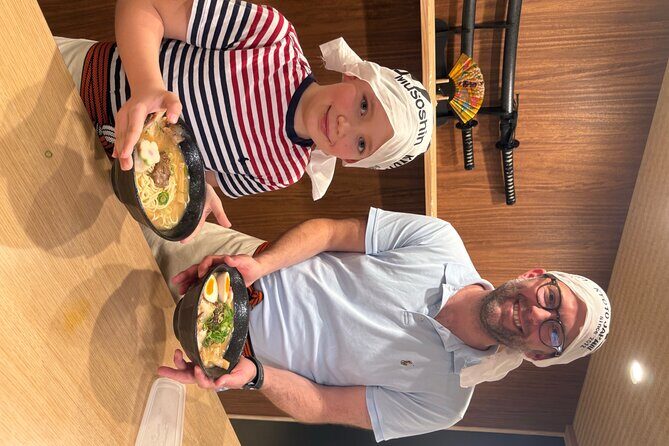
This class is run by 無双心ラーメンアカデミー (Musoshin Ramen Academy), connected to Musoshin Ramen. Musoshin started in Kyoto in 2022 and has grown to six restaurants across Kyoto and Toronto. Their Toronto location has been nominated for Michelin for three straight years, and the recipe approach is said to match.
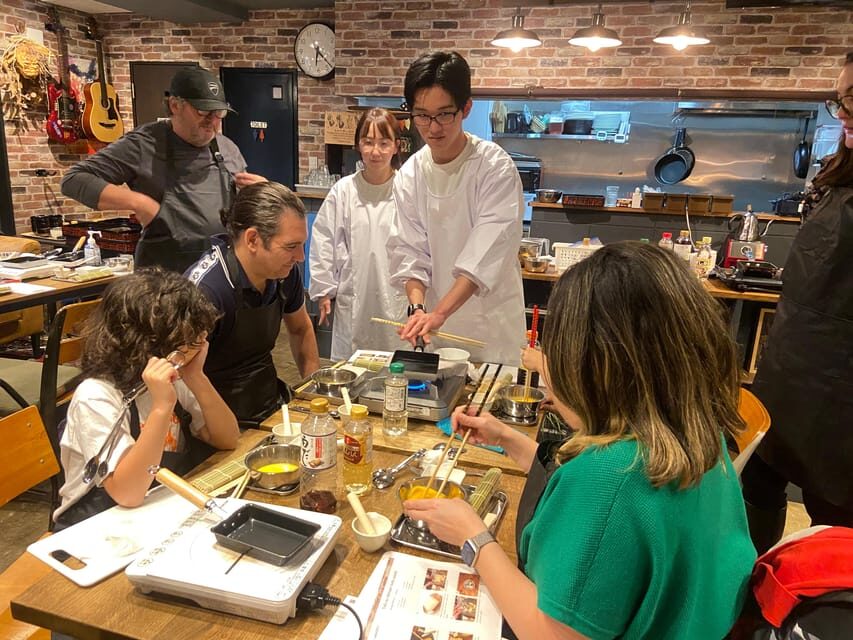
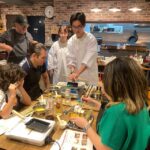
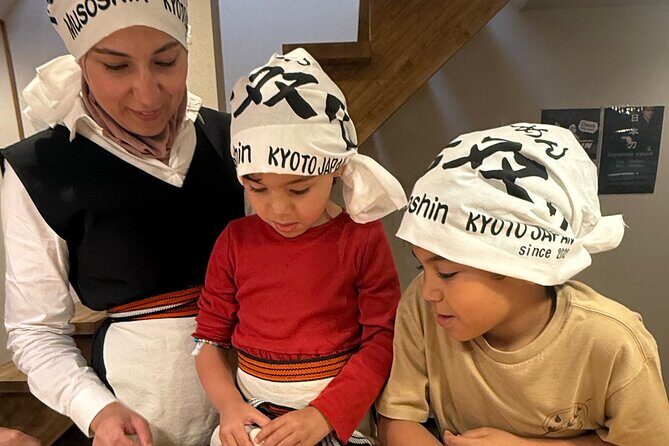
In practice, the kitchen feels like a working restaurant space, not a classroom turned into a studio. In past sessions, Master Shin has been very hands-on, and the rhythm is built around step-by-step instruction with a lively energy from the chef and assistant (Amiru has been one of the instructors). That matters because ramen is fussy. If you’ve ever watched a ramen video and thought, I’ll never get it right, this format is the antidote.
One detail that helps: the workshop uses a multi-level flow. Spoon painting happens upstairs, while the cooking and prep happen downstairs. It keeps things organized and also keeps you from juggling messy materials and hot equipment at the same time.
Your spoon souvenir: what you paint, what gets baked, and when you’ll get it

You’ll paint your own ramen spoon during the session. The key behind the scenes is that the spoon is then baked in a kiln overnight. That’s why this souvenir feels more legit than typical “paint a thing, take it immediately” workshops. Ceramics take heat work, and the process is handled by the academy rather than by you.
From a practical viewpoint, this is what you should think about:
- You’re painting with a finished look in mind, but the final strength and color come after baking.
- Plan to handle your spoon carefully after the class. Ceramic needs gentle packing, especially if you’re also out doing Kyoto temple stops afterward.
- If you’re traveling light, consider how you’ll carry it. A spoon isn’t huge, but it is breakable.
The payoff is real. You leave with a ramen-related object that actually belongs in your kitchen drawer.
Cooking ramen like it’s made from scratch: the Michelin-style method you can repeat
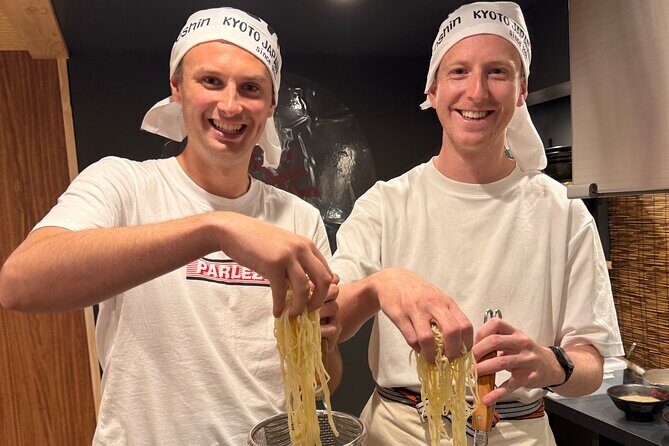
This is a class about process. The academy insists on in-house ingredients, and that shows up in how they teach. You’re not just learning a “chef’s trick.” You’re learning why each part has a job.
Here are the big method points they emphasize:
- Noodles are made every morning at the shop and then left to sit overnight for next-day use.
- Soup is made over 12 hours, so depth isn’t an accident.
- Ramen soy sauce and roast pork are handmade, not just sourced and assembled.
During the cooking portion, the restaurant brings in the needed ingredients, and you cook them. This is important for value. If you had to source everything, measure everything, and start from raw stock, the “class” would become a cooking marathon. Here, you get hands-on experience with the parts that actually teach you technique—without turning it into a full-day project.
Also, the class includes a mix of styles, based on what’s been offered in past sessions—people have cooked pork broth and vegetarian/vegan options. If you care about having choices, this is a good sign. In addition, they’ve handled allergies well in at least one class experience, so if you have dietary needs, it’s worth telling the organizers clearly when you book.
What you do during the outing: temple stops plus the ramen workshop rhythm
Your outing includes three well-known temple stops in Kyoto: Kiyomizu-dera Temple, Kennin-ji Temple, and Sanjusangendo Temple. The value of packing these in is simple: Kyoto day flow. You get your classic temple atmosphere, then you shift into something tactile and delicious.
The real benefit is pacing. Temples give you sights, spacing, and photo moments. Then the ramen part gives you a concrete activity that ends with food. If you’re the type who gets museum’d out, this keeps the day moving.
Timing is the only thing to watch. Even though the ramen workshop itself runs about 1 hour 30 minutes (approx.), you’re also on a schedule for the temple stops. Wear comfortable shoes and keep your phone charged. In Kyoto, it’s easy to burn time, and you don’t want to rush into a cooking class.
A few more Kyoto tours and experiences worth a look




The food part: you eat your bowl, and it’s not just a snack
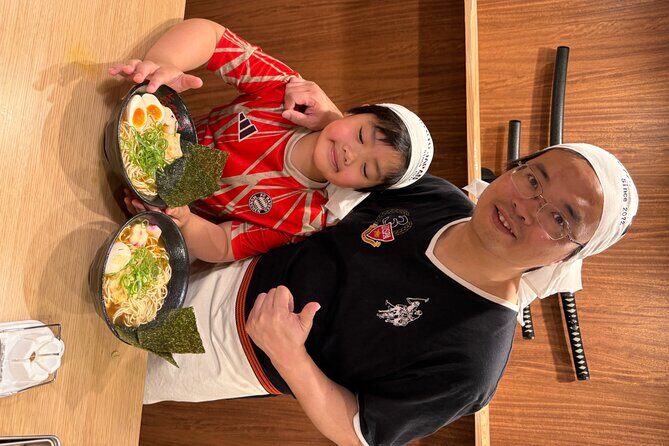
One of the reasons people rate this so highly is that the meal isn’t an afterthought. The format includes “no hunger pangs,” with you eating your finished ramen at the end. You’re not just painting and cooking and then getting a tiny taste.
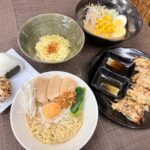
Because you arranged components yourself, your bowl tends to make sense to your brain. Noodles have texture. Broth has weight. Sauce has aroma. Roast pork adds fat and savory depth. Once you’ve put the pieces together, you’re more likely to recreate it later instead of forgetting what happened 48 hours later.
Another reason this works for families and groups: it’s interactive but not chaotic. Kids and adults can follow the steps, and the chef/instructor teams have been patient and kind in past sessions. If you’re traveling with someone who gets nervous in kitchens, this is still a strong option because the ingredients are prepared and brought in, and the instruction is step-by-step.
Price and value: $65.89 for souvenir + chef coaching + a full ramen bowl
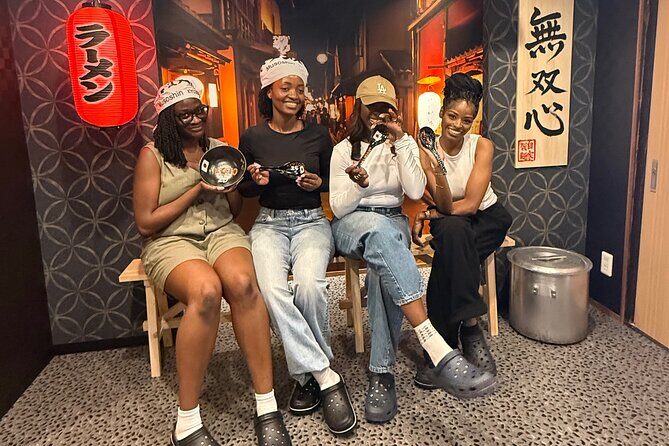
At $65.89 per person, you’re paying for more than a craft and more than a basic cooking demo. You get:
- a ceramic ramen spoon souvenir
- a hands-on cooking class with chef instruction
- an end meal so the experience wraps with payoff
- small-group attention (max 12)
If you’ve ever done cooking classes where you watch most of the action, this one leans the other way. Your hands do things. Your brain learns why. And you leave with something useful you made.
Is it cheap? No. But you’re also not paying for just a ticket into a restaurant. You’re paying for in-house technique, time, ingredient prep, and the ceramic workshop component. For many people, that combo is what makes the cost feel fair.
Who should book this, and who might want to skip it
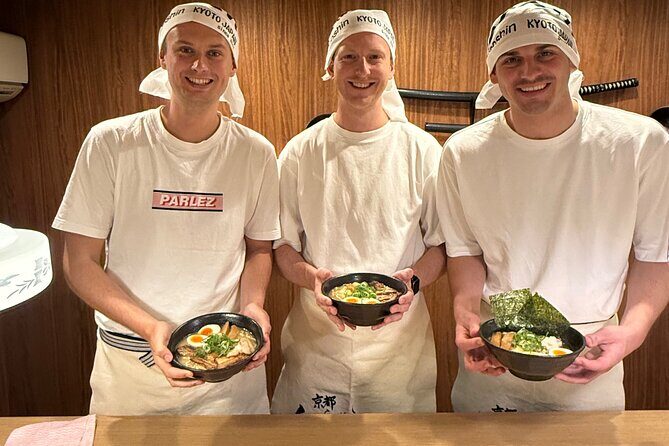
This class is a great fit if you want a Kyoto experience that’s both creative and practical. I’d especially recommend it if:
- you love ramen and want to understand it as components
- you want a souvenir that isn’t generic
- you enjoy hands-on cooking (not just watching)
- you’re traveling with kids or a mix of ages and need guided interaction
It may be less ideal if:
- you dislike craft activities at all
- you only want a quick food stop and have no interest in cooking
- your schedule is too tight. You’ll want enough time for the temple stops plus the ramen session.
Practical tips that make this easier (and help your day run smoother)
A few things will help you get the most out of it.
Give yourself time to find the workshop. One practical theme from real experiences is that it can be tricky to locate, so don’t show up at the last second.
Bring a plan for your spoon. It’s ceramic and gets baked. Treat it like something fragile—pack carefully so it survives the rest of your Kyoto day.
If you have dietary needs, say so. Vegetarian/vegan options have been available, and instructors have handled allergies well in past classes. Mention needs clearly when booking so they can prepare.
Use comfortable shoes. Even if the cooking part is inside, the day includes temple stops, so you’ll likely be moving.
Think of it as a ramen skills class. You’ll learn methodology—how ingredients come together—so you can aim for better results at home, not just a one-time meal.
Should you book the Kyoto Ramen Spoon Painting & Michelin Cooking Class?
If you want one Kyoto activity that mixes craft, cooking technique, and actual food payoff, I’d book this. The combination of a ramen spoon souvenir plus a hands-on ramen class in a pro kitchen is the kind of “only-in-Kyoto” day that stays with you. Add the small-group size and the ingredient-heavy approach (noodles made daily, 12-hour soup), and it feels like real value for ramen people.
Book it if your schedule can handle a little structure and walking. Skip it if you’re not interested in cooking or ceramics, or if you need ultra-flexible time.
FAQ
How long is the Kyoto Ramen Spoon Painting & Michelin Cooking Class?
The duration is about 1 hour 30 minutes (approx.).
What’s the group size?
It’s a small-group experience with a maximum of 12 travelers.
Do I get to paint a ramen spoon, and is it a real souvenir?
Yes. You paint your own ceramic ramen spoon, which is baked in a kiln overnight.
Will I eat the ramen I cook?
Yes. You’ll sample or feast on the ramen you make at the end.
Is there a vegetarian or vegan option?
A vegetarian/vegan option is available.
Where is the meeting point?
Meet at 440-5 Nishigomonchō, Higashiyama Ward, Kyoto, 605-0816, Japan.
Can I cancel for a full refund?
Yes. You can cancel up to 24 hours in advance for a full refund. If you cancel less than 24 hours before the start time, the amount paid is not refunded.