REVIEW · KYOTO
Kyoto Evening Gion Food Tour
Book on GetYourGuide →Operated by Arigato Travel KK · Bookable on GetYourGuide
Lanterns in Gion make dinner taste better. This Kyoto Evening Gion Food Tour blends Gion and 10-course kaiseki with an English-speaking guide who explains maiko and geiko culture as you go, with guide names like Miki and Sae showing up in the mix. I like the combo of practical culture context plus real food. I also like that the meal feels seasonal, not generic. One heads-up: snack stops are short, so don’t expect a full-on buffet of bites in multiple places.
As twilight falls, you walk old streets where teahouses and stone lanes set the mood fast. It’s a small group (up to 10), which keeps the pace human and the questions easy. If you want the neighborhood experience more than nonstop tasting, this tour is a very good match.
In This Review
- Key things to know before you book
- Gion at dusk: why this tour starts working before dinner
- Meeting point in Gion: find the Japan Kanji Museum and arrive early
- Small group energy (max 10): better conversations, less queueing
- Maiko and geiko culture: what you learn and how it changes your walk
- Snack stops that teach Kyoto flavor (but don’t expect endless bites)
- The kaiseki dinner: 10 courses, seasonal ingredients, and careful presentation
- Architecture and alleyways: what you’re actually walking through
- Price and value: how $216 lines up when kaiseki is included
- Who should book this Kyoto Evening Gion Food Tour
- Should you book it?
- FAQ
- How long is the Kyoto Evening Gion Food Tour?
- What is included in the price?
- Where do we meet for the tour?
- Is hotel pickup included?
- How big is the group?
- Do I need to provide passport information?
- Can the tour accommodate food allergies or dietary needs?
- What is the cancellation policy?
Key things to know before you book
- A 3-hour evening walk focused on Gion and Shirakawa as lantern light comes on
- Maiko and geiko culture, explained in plain English with history plus what’s happening today
- Snack sampling on the way, with most of the heavy lifting happening at the dinner
- 10-course kaiseki dinner with dessert and one drink included
- Small group size (max 10), so the guide can slow down when needed
- Comfort matters: you’ll be on your feet, and Kyoto streets are not made for rushing
Gion at dusk: why this tour starts working before dinner
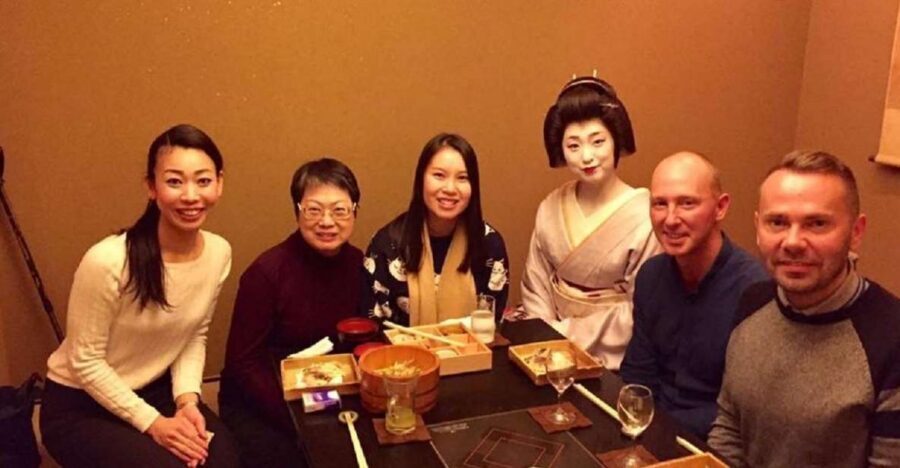
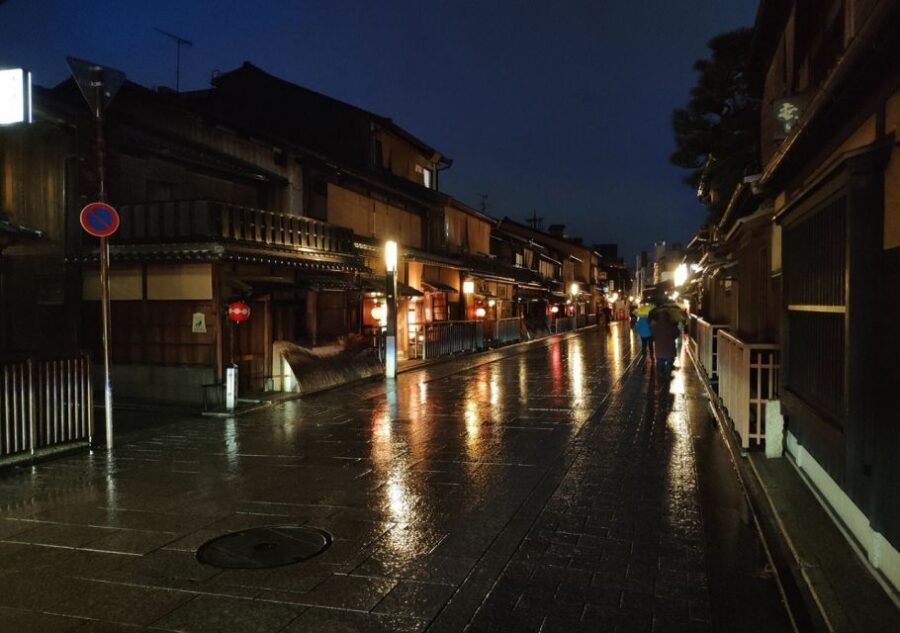
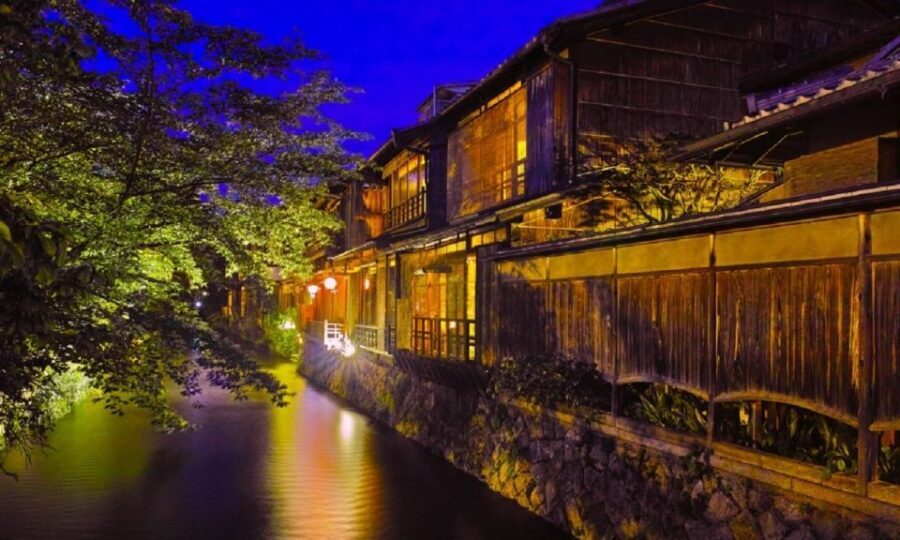
Kyoto evenings have a way of changing your eyes. During this tour, you’re not stuck inside a restaurant for the whole night. You start walking as the day cools down, and the alleyways start doing their thing: lanterns, old wood, and that quiet sense of being in the right place at the right time.
I especially like how the cultural storytelling is tied to what you’re seeing. You hear about maiko and geiko culture—history and current practices—while you’re surrounded by the streets where that culture lives. That turns the walk into more than scenery. It becomes a guided explanation you can actually picture.
Shirakawa adds another layer. The charm here is in the details: the architecture, the lanes, and the way the neighborhood holds onto its rhythm even as visitors flow through. It’s the kind of atmosphere where you might spot a geisha or maiko depending on timing, and you’ll be better prepared to understand what you’re seeing if you pay attention to the guide’s context.
You can also read our reviews of more food & drink experiences in Kyoto
Meeting point in Gion: find the Japan Kanji Museum and arrive early
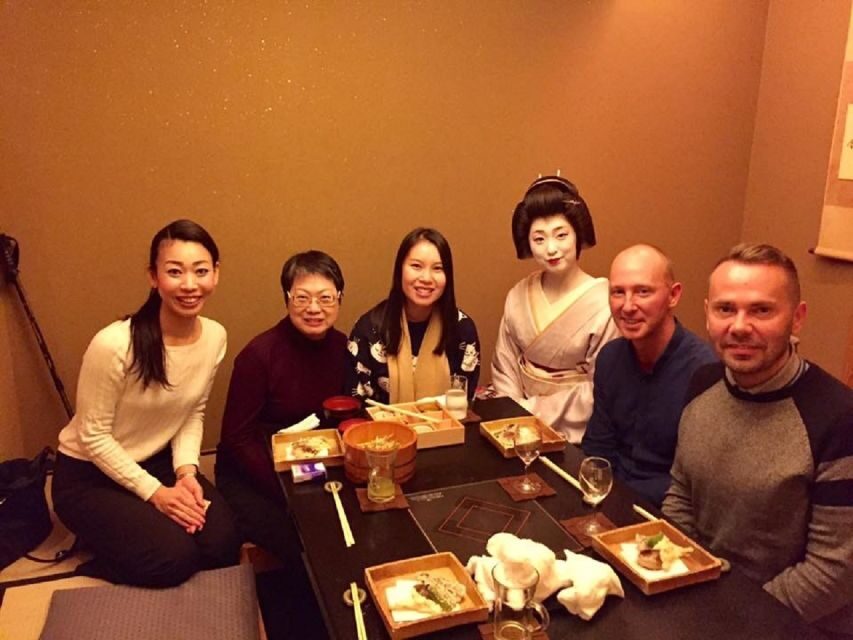
You’ll meet in front of the Japan Kanji Museum & Library in Gion (Gionmachi Minamigawa, Higashiyama Ward, Kyoto). The address is:
Gionmachi Minamigawa, Higashiyama Ward, Kyoto, Kyoto Prefecture 605-0074, Japan.
Your guide will be there holding a sign, and they wait no more than 5 minutes after the starting time before the tour departs. That short wait matters. In Kyoto, one wrong turn with cobblestones and crowds can eat your minutes fast. I recommend arriving a bit early, not because you’ll be judged, but because you’ll start the evening calmer.
Also note: hotel pickup is not included. If you’re staying outside the area, you’ll want to plan your own getting-there. Transportation costs are not included either, so factor in time and transit.
Small group energy (max 10): better conversations, less queueing
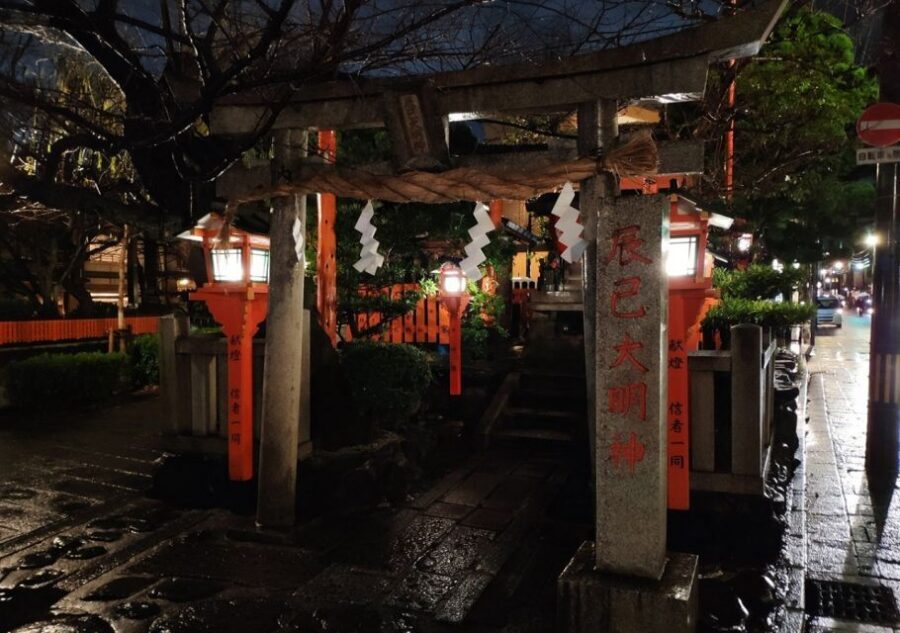
This tour caps at 10 participants, and that makes a real difference. You’re not just part of a line. You can ask questions, and the guide can adjust the pace when someone’s lagging behind—or when a conversation needs a few extra seconds.
In the feedback, you see a consistent theme: guides show patience and explain without rushing. Names like Ellen and Marie pop up in accounts of guides who keep things organized and easy to follow. Another recurring plus: the guides tend to add extra, practical context about how to move around Japan smoothly, not just what to look at.
If you travel with kids or you’re juggling dietary needs, the group size helps. A crowded tour can get tense. A smaller one gives the guide room to manage changes without the whole experience turning into chaos.
Maiko and geiko culture: what you learn and how it changes your walk
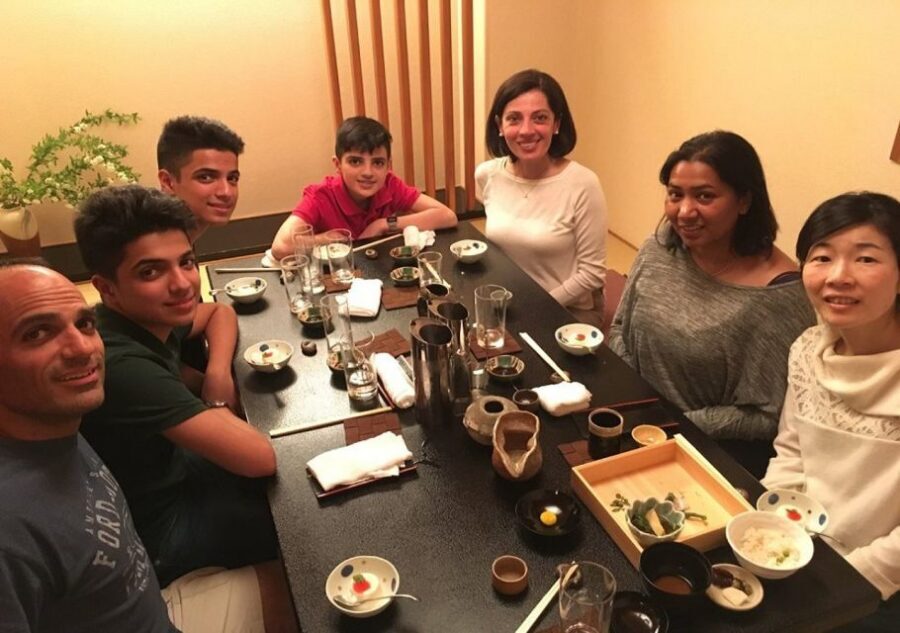
This isn’t a generic “cool history” stop. The focus is the culture of maiko and geiko in Kyoto—history and what’s practiced now. The value here is in learning the background so your brain stops treating everything like a random performance.
As you move through Gion and Shirakawa, you’ll hear stories about the roles, etiquette, and the world behind the scenes. You’re also guided through the idea that this culture is both traditional and living. That’s important: Kyoto isn’t a theme park, and the guide’s explanations help you see it as a real community with real rules.
One thing I appreciate is that the tour frames these encounters with respect. If you get lucky and see a maiko or geiko in motion, you’re not just staring—you’re understanding what you’re looking at and why certain behavior matters.
Snack stops that teach Kyoto flavor (but don’t expect endless bites)
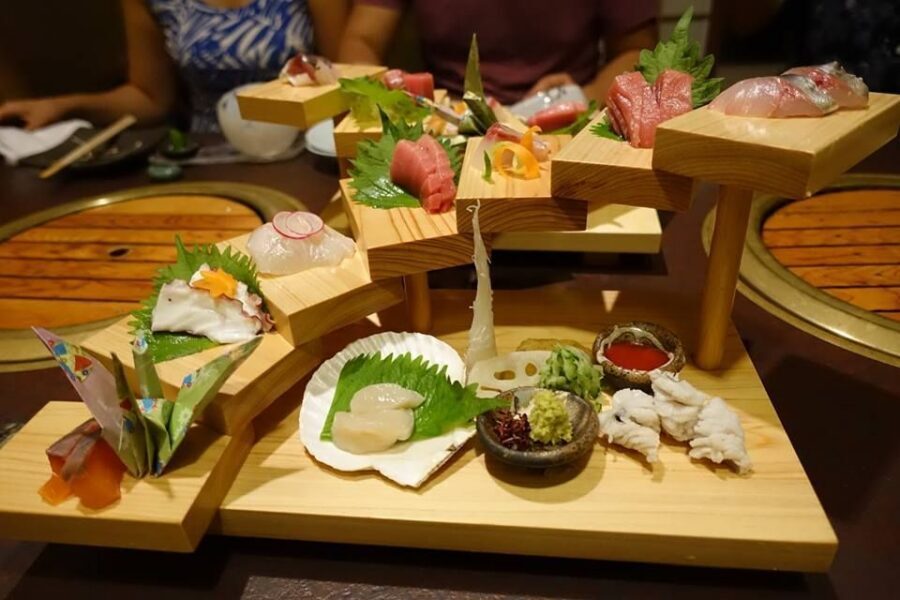
Here’s the realistic angle: this tour includes several snack stops, but it’s not built like a street-food crawl where you eat every few minutes for three hours. The big meal is the centerpiece, and the snacks are the supporting cast.
You’ll taste Kyoto’s traditional cuisine along the way. Expect little hits of flavor that give you a sense of what kaiseki ingredients and Kyoto tastes are built on—things like tofu-based items and miso-forward flavors show up frequently in the tour’s described menu style. Even if each stop is short, the goal is learning the patterns: how ingredients are used, how seasonality matters, and what “Kyoto taste” feels like.
One dinner-focused reviewer noted the tour felt more like a Gion neighborhood walk plus a kaiseki finish, with only two brief sample bites in shops along the route. I think that’s a useful way to calibrate expectations. If you want constant eating at every corner, you might feel slightly underfed mid-walk. If you want guided context plus an excellent dinner, you’ll likely feel satisfied.
Practical tip: snack stops can still be meaningful even if they’re small. So stay curious, ask questions, and don’t mentally count calories during the walk. You’re saving your appetite for the main event.
A few more Kyoto tours and experiences worth a look

The kaiseki dinner: 10 courses, seasonal ingredients, and careful presentation
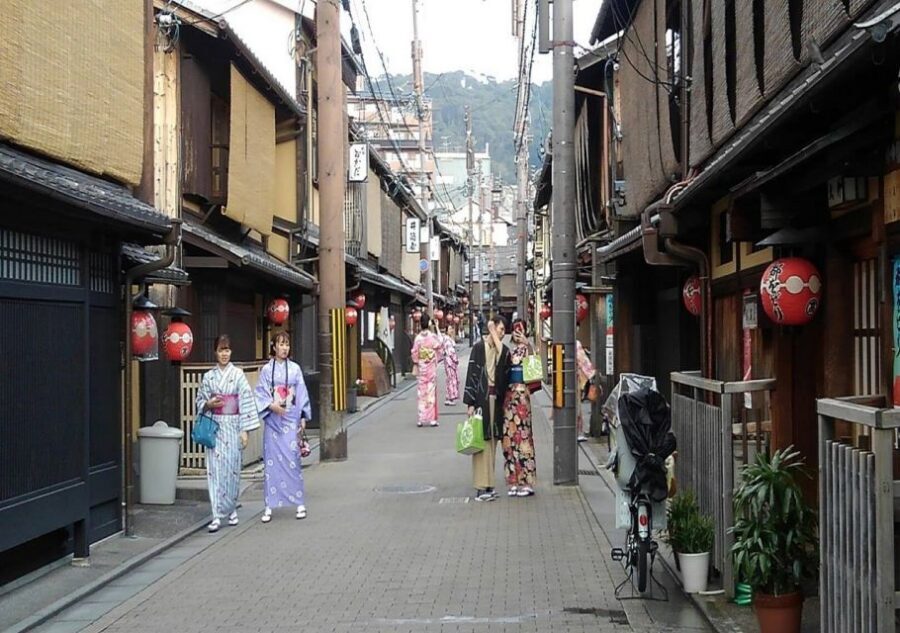
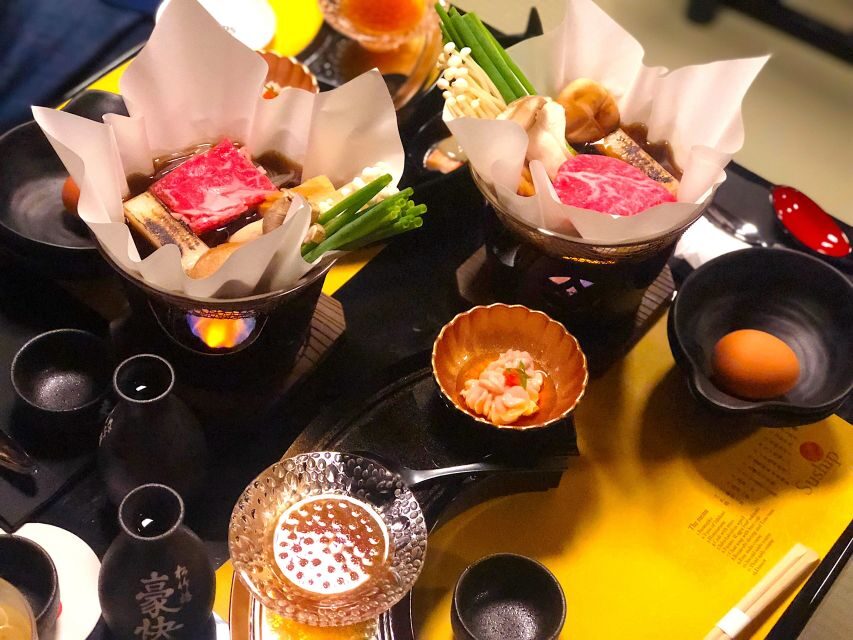
This is the heart of the experience: a 10-course kaiseki dinner, plus dessert and one drink. You’re not just paying for food—you’re paying for structure. Kaiseki is about sequence and balance, and this tour leans into that idea.
The tour description highlights seasonal and regional flavors. In practice, that means you’ll likely see Kyoto staples show up in a refined form—umami-rich miso, delicate sweets from yuba, and examples like grilled fish with subtle smokiness. You’ll also notice how the food is presented on beautiful ceramics. Even when you’re hungry, the dining rhythm asks you to slow down for each course.
The value angle is strong here. Kaiseki dining is usually not the kind of thing you throw into a “maybe” list on vacation. Having it included (and guided) reduces stress. You don’t have to figure out reservations, etiquette, or menus in a language you don’t speak fluently.
Dietary needs are also addressed. You’re asked to inform the operator of food allergies or dietary requirements. In accounts of real experiences, the guides are described as managing restrictions among the group. Still, do yourself a favor: tell them clearly in advance, and if you have a serious allergy, repeat it again when you meet the guide so there’s no gap.
Architecture and alleyways: what you’re actually walking through
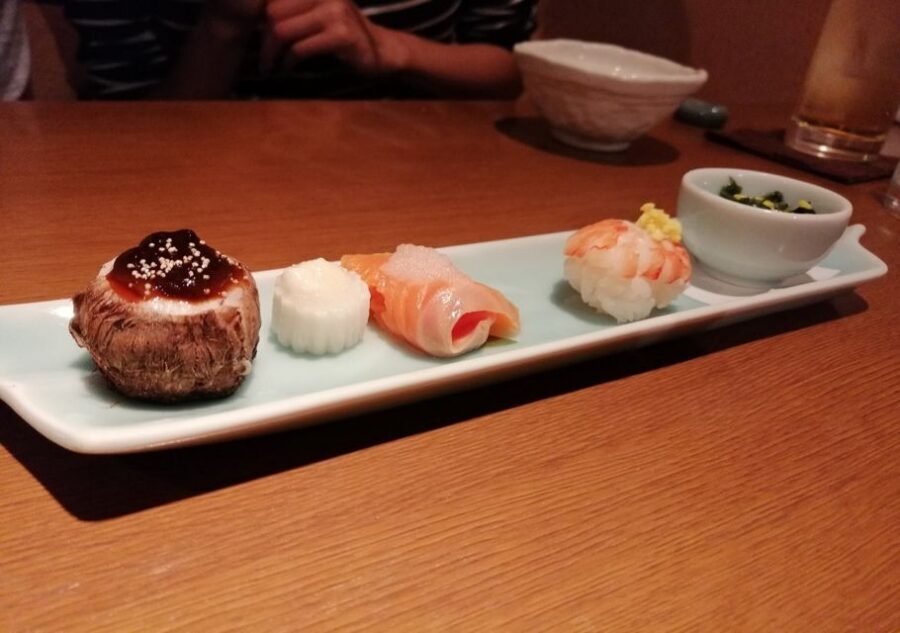
This tour is designed as a walking experience, so you’ll get close enough to appreciate Kyoto’s built environment. You move through historic alleyways where the tempo feels slower than in the busier main streets.
You’ll also see the kinds of architecture that make Gion and Shirakawa famous: old teahouses, traditional street layouts, and that specific combination of narrow lanes and stone paths. It’s a photography-friendly neighborhood, but the point isn’t just pictures. The walk gives context—why the streets are shaped the way they are, and how the culture and buildings relate.
Comfort matters. Wear shoes you can stand in for a while. Kyoto’s surfaces can be slippery or uneven, especially in evening light. If you’re even slightly unsure, choose supportive shoes over stylish ones. You’ll enjoy the walk more if your feet aren’t arguing with you.
Price and value: how $216 lines up when kaiseki is included
At $216 per person for about 3 hours, you’re paying for three things at once:
1) an English-speaking local guide,
2) a structured Gion neighborhood walk, and
3) a 10-course kaiseki dinner (plus dessert and one drink).
If you only treated this like a short walking tour, the price would feel high. But it’s not only a walk. The dinner inclusion changes the math. A guided kaiseki evening—especially with a sequence of courses and table service—usually costs more than what you’d expect to pay for a simple meal.
So the real question is: do you want a guided cultural evening plus a full kaiseki experience? If yes, this price can feel fair. If you mainly want street snacks and don’t care about kaiseki dining structure, you may feel like you paid for the dinner more than the walking.
Who should book this Kyoto Evening Gion Food Tour
This tour is a great fit if you want:
- a first-night Kyoto style experience that doesn’t require planning multiple reservations
- a clear introduction to maiko/geiko culture tied to what you see in Gion and Shirakawa
- a guided 10-course kaiseki dinner with seasonal emphasis
- a smaller group pace where you can ask questions
It may not be the best match if your top priority is lots of frequent snack stops. If you’re the type who wants constant eating, you’ll still get tastes, but the heavy satisfaction comes at the restaurant.
If you have dietary restrictions, this can work well—as long as you provide details early and communicate them clearly.
Should you book it?
I’d book this tour if you want an evening in Kyoto that feels both cultural and genuinely food-focused, with a strong finish at a structured kaiseki dinner. The small group size, the English guidance, and the fact that the meal is included make it a low-stress way to get a classic Gion night.
Skip it only if you’re chasing lots of quick snacks as the main event. For everything else—especially kaiseki fans and culture-curious travelers—this is a smart, well-paced plan.
FAQ
How long is the Kyoto Evening Gion Food Tour?
The tour lasts 3 hours.
What is included in the price?
You get an English-speaking local guide, a 10-course dinner, dessert, and one drink.
Where do we meet for the tour?
Meet in front of the Japan Kanji Museum & Library (Gionmachi Minamigawa, Higashiyama Ward, Kyoto, Kyoto Prefecture 605-0074, Japan). The guide will be holding a sign.
Is hotel pickup included?
No. Hotel pickup is not included, but it can be arranged for an additional charge.
How big is the group?
It’s a small group limited to 10 participants.
Do I need to provide passport information?
Yes. A copy of your passport information is required for all participants aged 10 and over.
Can the tour accommodate food allergies or dietary needs?
You should inform the operator of any food allergies or dietary requirements.
What is the cancellation policy?
Free cancellation is available up to 24 hours in advance for a full refund.